Wu Shan: Thirty-Some Years of Painting, Still Chasing the Elegance of a Line
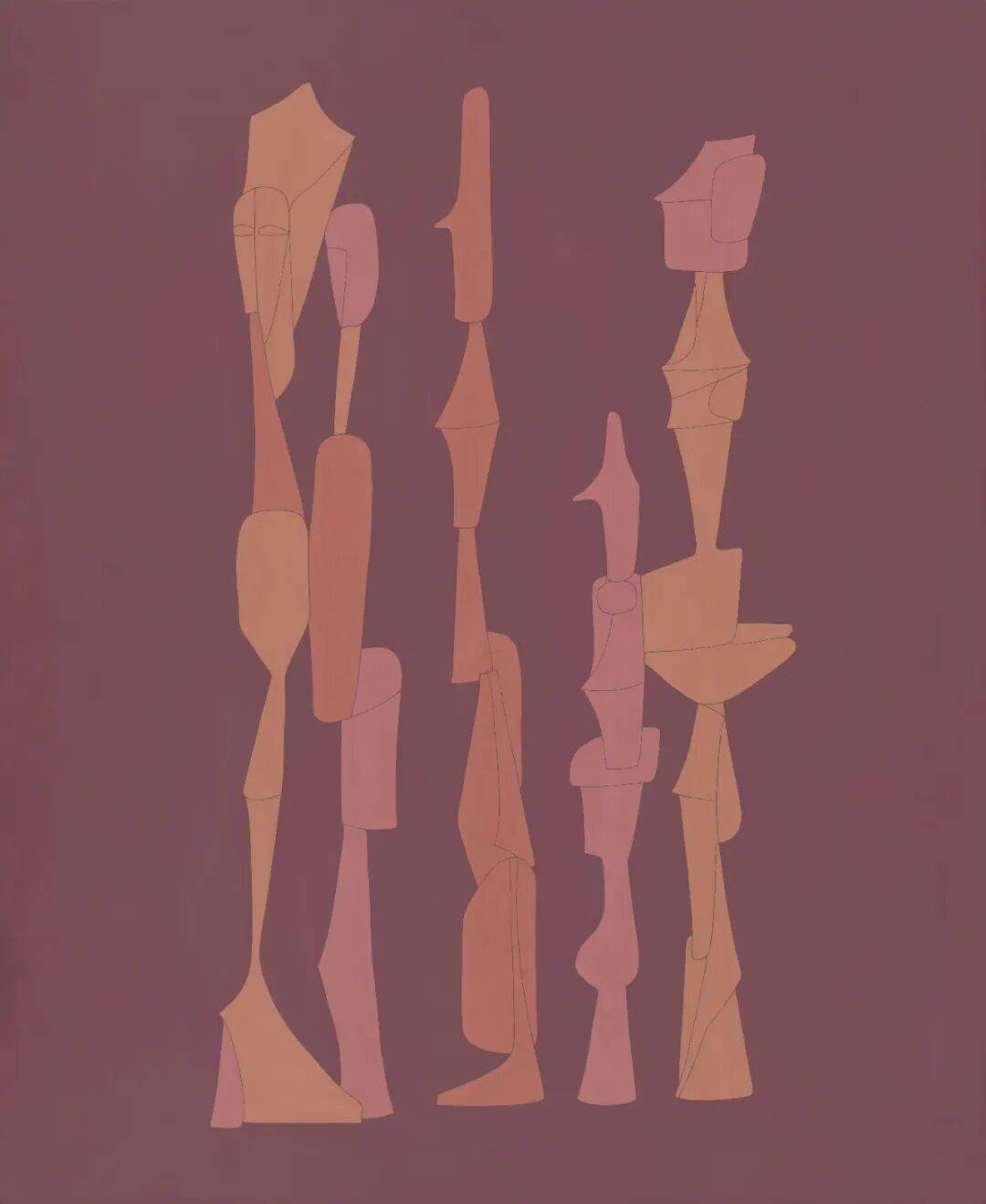
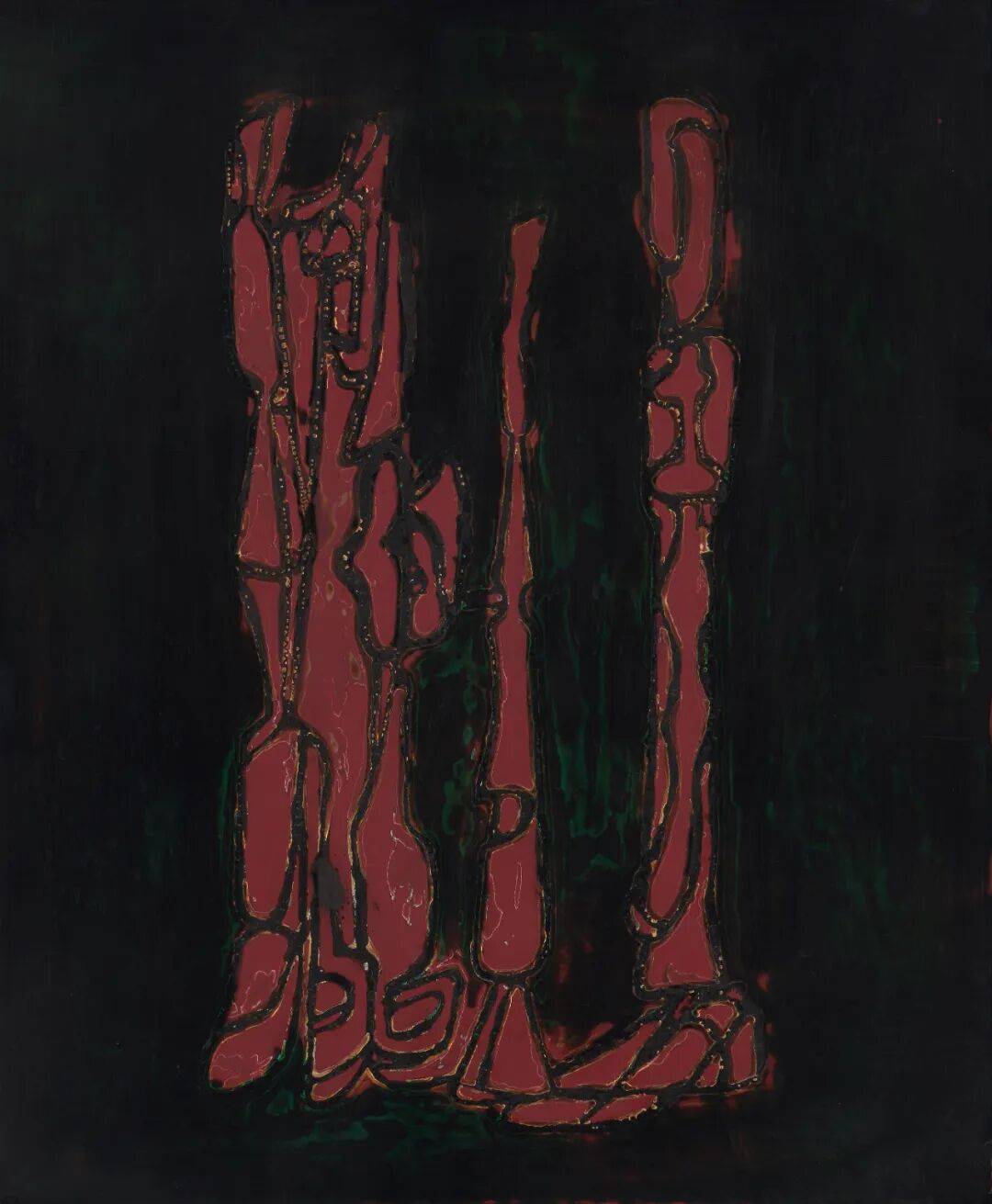
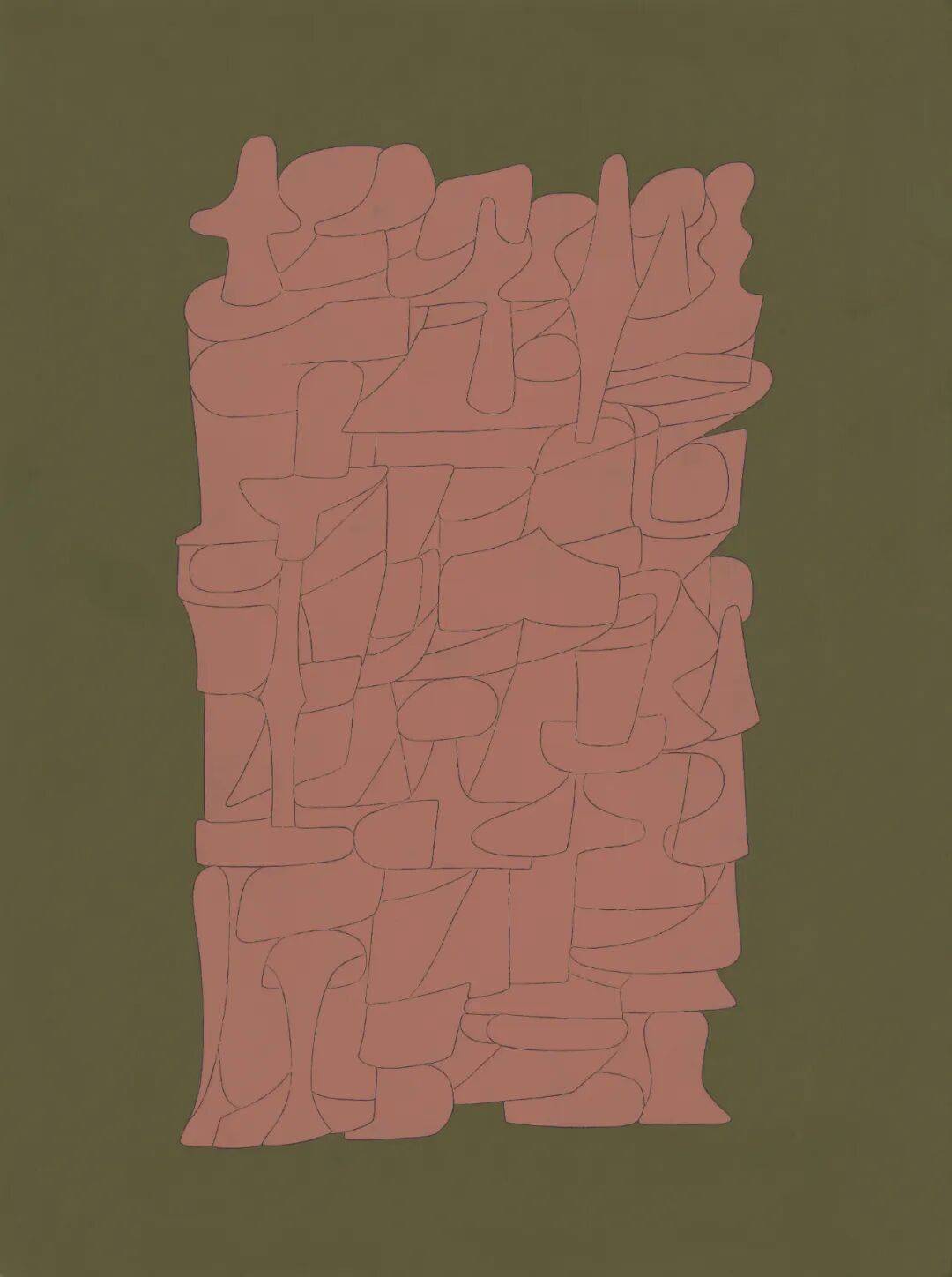
Wu Shan, Treading on Grass, 2022. The artist Wu Shan was born in Hangzhou in 1960, the son of a painter and a music teacher; for him, art has always felt like something close to a calling. He took up calligraphy as a child, then painting, and it seemed only natural that he would go on to graduate from the oil painting department of the Zhejiang Academy of Fine Arts, now the China Academy of Art......
By / Xirui Huang · 9 min read
How do lacquer paintings and works on paper create different rhythms in Wu Shan’s practice?
During Xirui Huang’s 2023 studio visit, Wu Shan describes small works on paper as a diary, responding directly to everyday feelings. Lacquer painting requires mixing, drawing and waiting for layers to dry, allowing fine lines and colours to develop through a slower process. The material’s demands and his experience of Suzhou garden spaces both inform the paintings. The account explores a practice grounded in sustained inward attention rather than immediate answers.
Wu Shan, Treading on Grass, 2022. The artist Wu Shan was born in Hangzhou in 1960, the son of a painter and a music teacher; for him, art has always felt like something close to a calling written into his fate. He studied calligraphy from childhood, then went on to painting, and it seemed only natural that he would graduate from the oil painting department of the Zhejiang Academy of Fine Arts (now the China Academy of Art). In the 1980s, he became one of the first Chinese students to earn a master's degree in the United States, and he lived there for twenty-three years.
Wu Shan: Thirty-Some Years of Painting, Still Chasing the Elegance of a Line
It was during those years — working odd jobs by day, making art on the side — that he found his own artistic language. Wu Shan's studio in Hangzhou. In 2006, Wu Shan returned to China, and by a stroke of chance, began experimenting with traditional Chinese lacquer as a medium. He never looked back. 'Painting with lacquer is grueling work,' he says. 'Somehow fifteen years have gone by without my noticing.' This July, Wu Shan's new solo exhibition, In Search of Seclusion, opened at Platform China Contemporary Art Institute in Beijing.
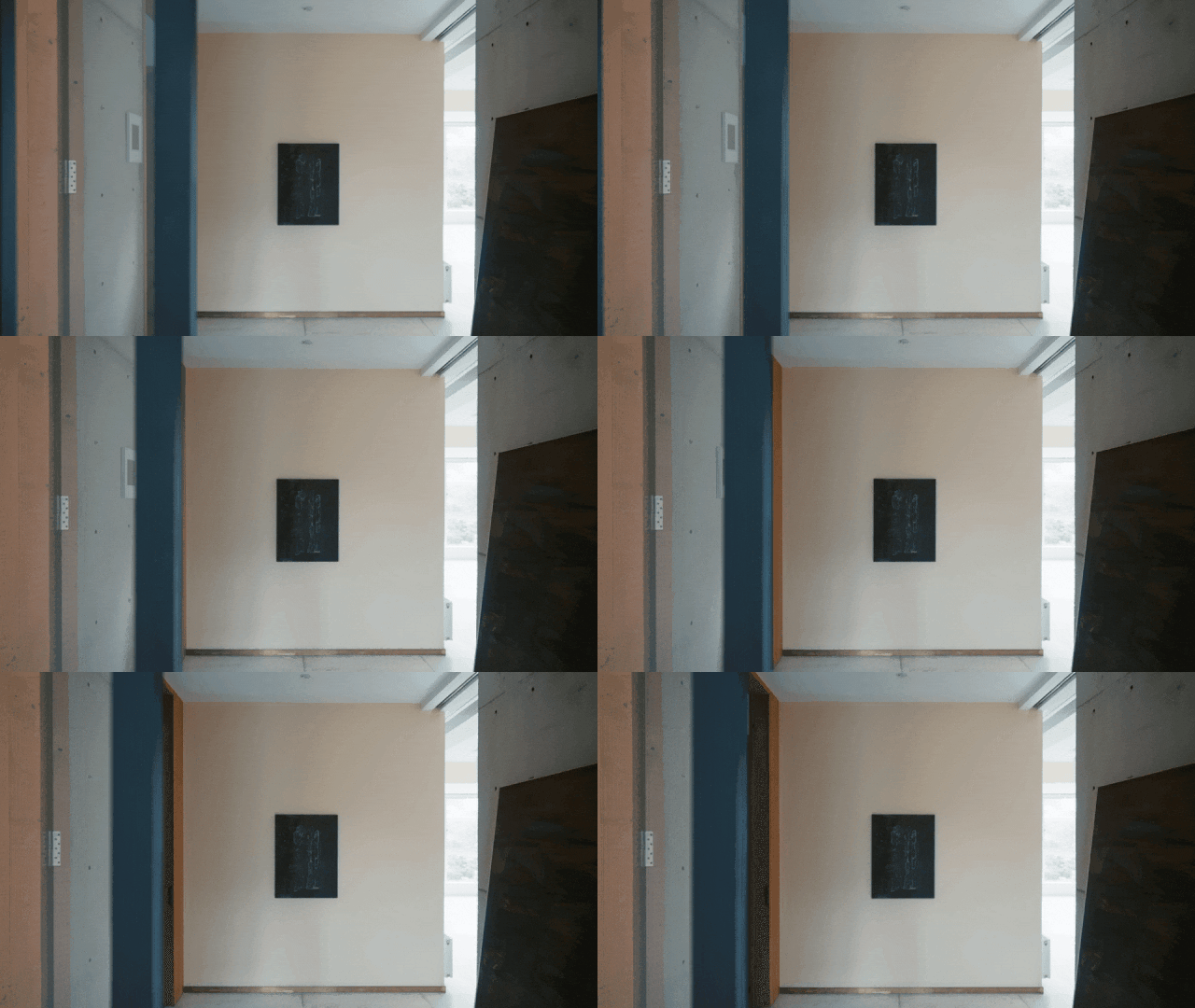
During the run of the show, we visited the artist's two studios in Fuyang, on the outskirts of Hangzhou, and talked with him about his work and his life. Wu Shan, interviewed at his studio. It was a sweltering afternoon in July when we arrived in Hangzhou. A sudden downpour hit as we reached the outskirts of Fuyang, and everything around us was green, carrying a faint hint of coolness. Walking into Wu Shan's studio, the first thing we saw was a wall cast in fair-faced concrete, finished to a level of precision rarely seen in an artist's studio.
SECTION 01 | Drawing Lines Consistently for Decades
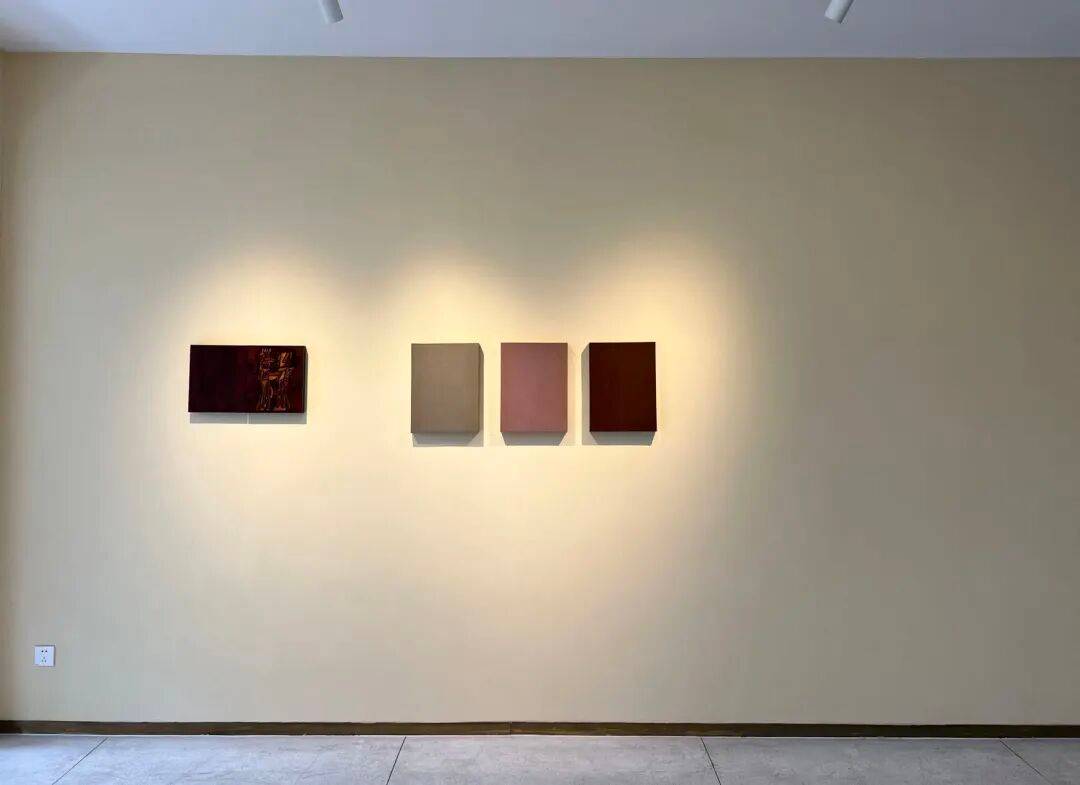
When we asked about it, Wu Shan laughed. 'It's not some expensive kind of concrete — I just happen to like it.' The studio's entryway and its various walls each have their own character; another wall, painted a pale yellow, holds only four very small paintings, their gray tones so closely matched to the wall's own gray undertone that we couldn't help remarking on the artist's sensitivity to color. Floor-to-ceiling windows run along all four sides of the studio, simple and unobstructed, letting in excellent light. Wherever you stand, the view through the glass is a lush, dripping green.
A corner of Wu Shan's studio, which he designed himself. Here, he usually works on sketches and small pieces on paper, and lately has also been experimenting with ink painting. Wu Shan says he treats his works on paper almost like a diary — a record of daily life, of moods, a way of confronting his real self. Wu Shan's small-format works on paper. Wu Shan painting in ink in his studio. 'A lot of what I do now happens on paper. For me, the habit of painting on paper has become something like a lifeline in my art — it isn't tied to any outcome, it answers only to my own inner state and sensibility.'
Wu Shan's other studio is a ten-minute drive away, filled with the tools and pigments needed for lacquer painting. If the first studio is refined and immaculate, this one could be described as raw, and full of uncertainty. Just inside the door of the lacquer studio, shelves are crowded with pigments, and flecks of dried lacquer are scattered everywhere, even dripped onto the floor. Of the two other rooms, one holds a long table for painting, and the other is used for drying panels — both left as bare, unfinished space.
'I started experimenting with lacquer around 2007,' Wu Shan recalls, 'and now, somehow, fifteen years have gone by.' Wu Shan mixing lacquer pigments and straining the lacquer. His turn to lacquer as a medium came about by chance. At the time, art academies across the country were being encouraged to establish programs in traditional Chinese materials, and the China Academy of Art, where he was teaching, brought in a specialist lacquer teacher from Fujian to set up a studio. Through conversations with that teacher about art, Wu Shan gradually came to understand the traditional craft, and the teacher told him he was certain Wu Shan would excel if he took it up.
So Wu Shan gave it a try — and the trial has lasted fifteen years. Wu Shan sanding a lacquer panel. From that point on, he threw himself fully into lacquer work, without counting the cost. There were no exhibitions back then; he would finish a piece and simply set it aside.
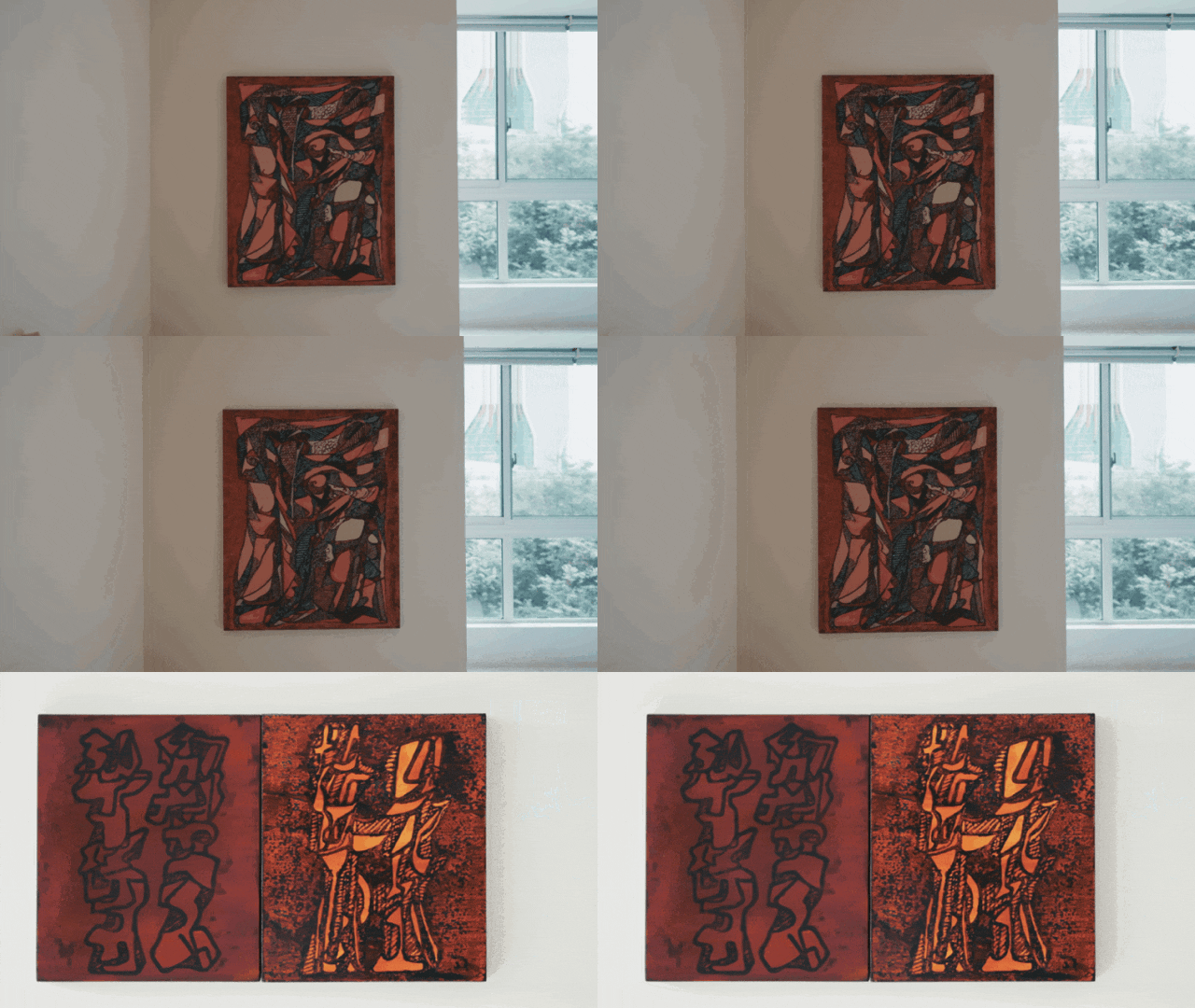
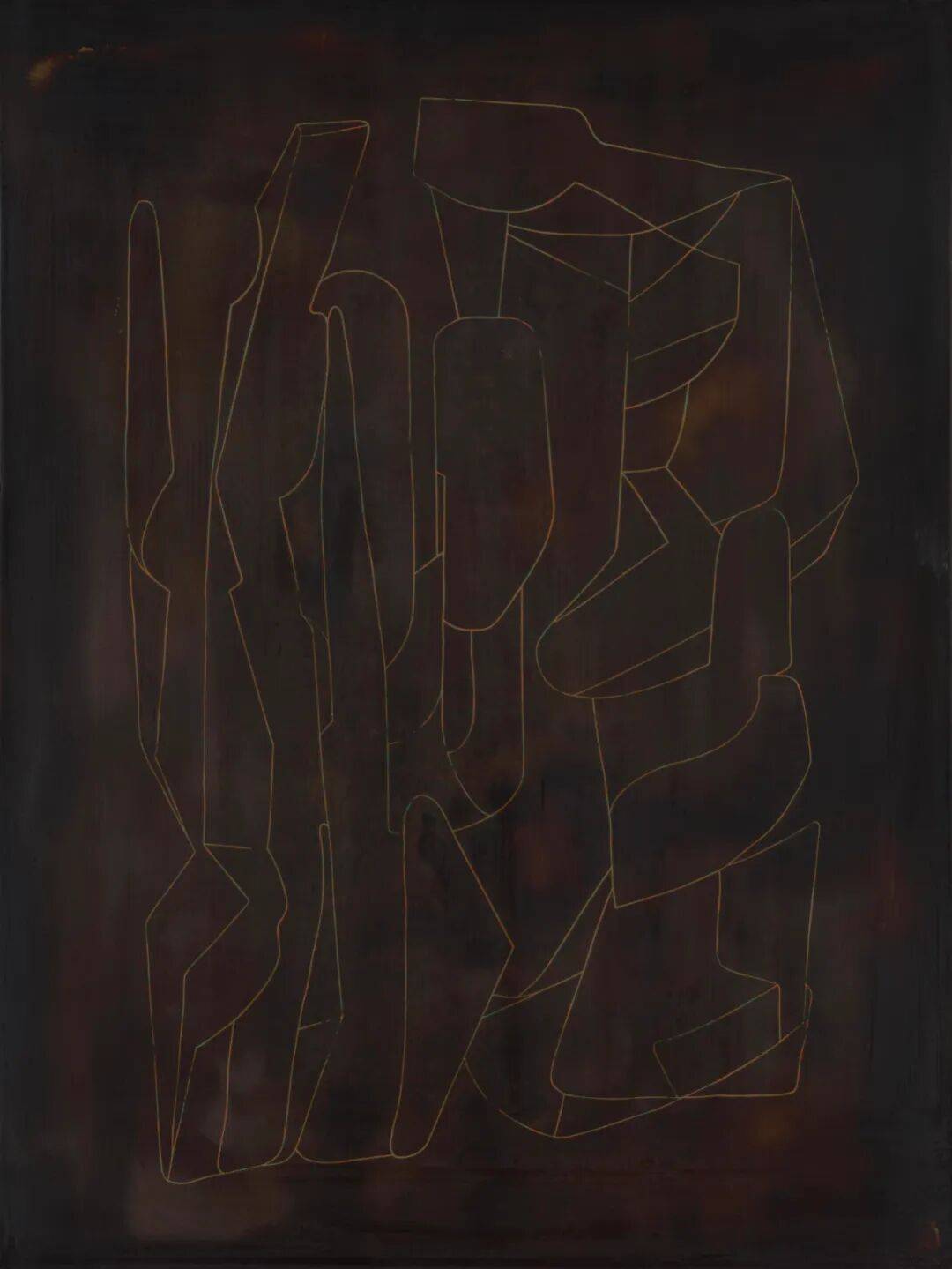
'Looking back on them today, I think those works are quite precious — they're a continuous record of my growth as an artist, though at the time I probably had no idea.' A corner of Wu Shan's studio. Wu Shan, Zhu Nu Er, 2014. Wu Shan drawing one fine line after another. 'If I'd been a bit smarter, I probably would have given up on lacquer as a material a long time ago,' Wu Shan said, laughing. 'It's brutally difficult to work with — get some on your skin and you might have an allergic reaction.
And the process involves a long waiting game — you have to let one layer dry before you can apply the next. How long that takes depends on the weather, and it's never certain.'
'Sometimes a single fine line will dry by the next day — if it's just rained, it might even dry the same day. But other times, a line still isn't dry after a week. The cost in time is enormous.' A piece just completed in Wu Shan's studio. A lacquer painting drying in his studio. Wu Shan told us that working with lacquer is a matter of real precision — it can only dry quickly under a careful balance of humidity and temperature, and by natural conditions, Zhejiang and Fujian are especially well suited to the material.
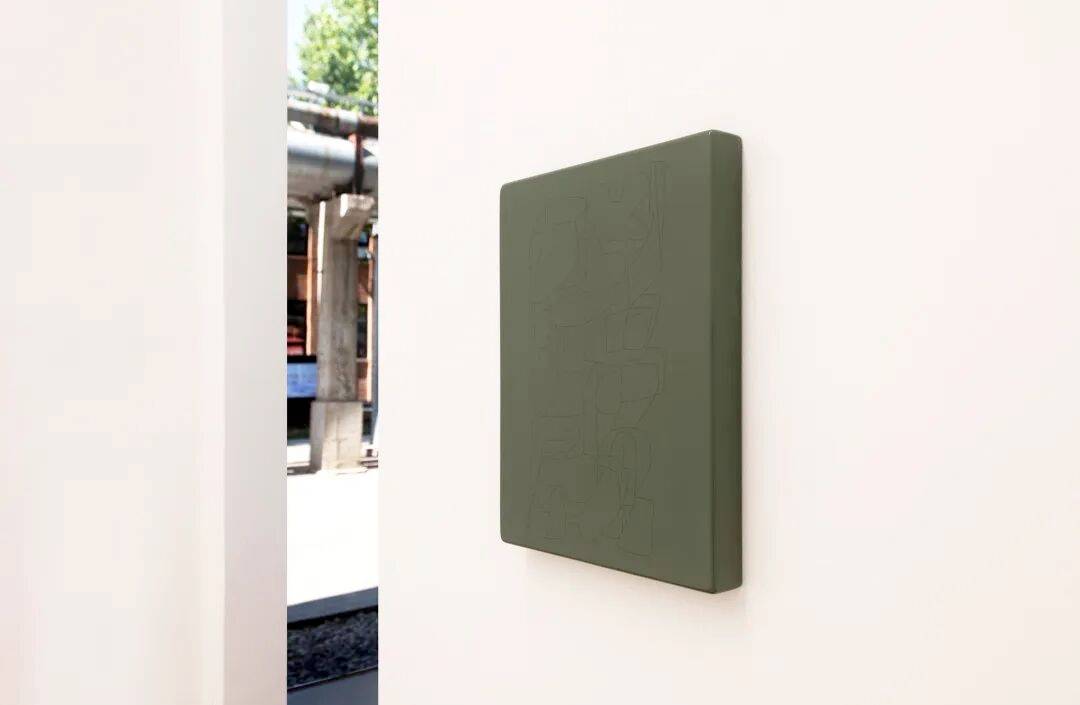
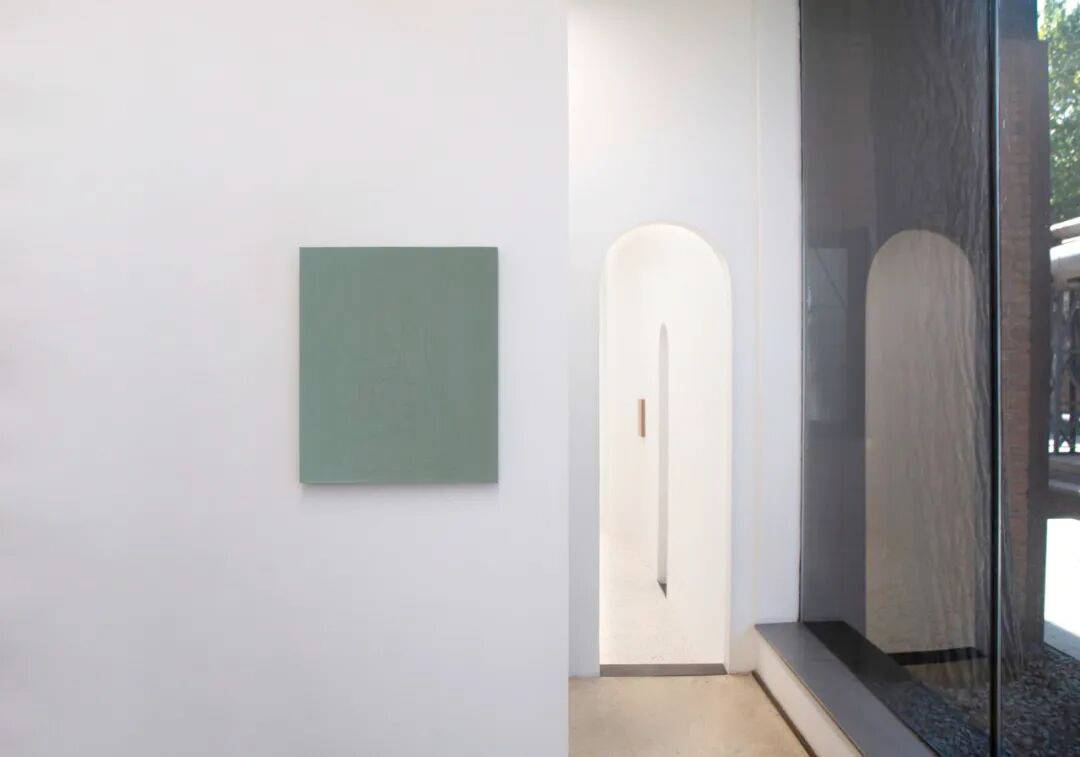
'The ideal temperature is around 25 degrees Celsius — roughly spring or autumn weather — with humidity around 75 percent.' View of Wu Shan's solo exhibition In Search of Seclusion at Platform China Contemporary Art Institute, 2023. The show, currently on view at Platform China, is the fifth exhibition of his work the gallery has mounted. The title has an interesting origin: after all the works for the show had been selected, gallery director Chen Haitao came across the phrase “seeking seclusion” while reading a book about the classical gardens of Suzhou.
Wu Shan, General's Order, 2016. 'He called me right away to ask whether the phrase would work as a title,' Wu Shan said. 'It's understated, elegant, and concise all at once. The scenery and mood of Suzhou's gardens happen to line up with some of my own ideas. And my first solo show with the gallery was called 'Winding Path.' Now it feels like the two have strung themselves into a single thread.' Wu Shan, Step by Step, Charming, 2022. Wu Shan's painting speaks in the language of abstraction.
From the 1980s to today, he has kept 'painting lines' — in every form, color, and direction. The lines he draws are fine, drifting, carrying something like the cadence of poetry. Though they look as if they were made in a single stroke, they call to mind the elegant contours of Lake Tai rocks, ancient totems, the carved characters of a seal. Of course, they may also be nothing at all — simply thick or thin, straight or curving lines. The work resonates with that elusive, half-there quality found in classical Chinese aesthetics.
View of In Search of Seclusion, Platform China Contemporary Art Institute, 2023. Wu Shan, Flower on the Wall, 2022. Every title in this exhibition is drawn from the names of Kunqu opera tunes — Yi Ying Er, Zhu Nu Er, Qiu Jiang Song, Yu Lou Chi...
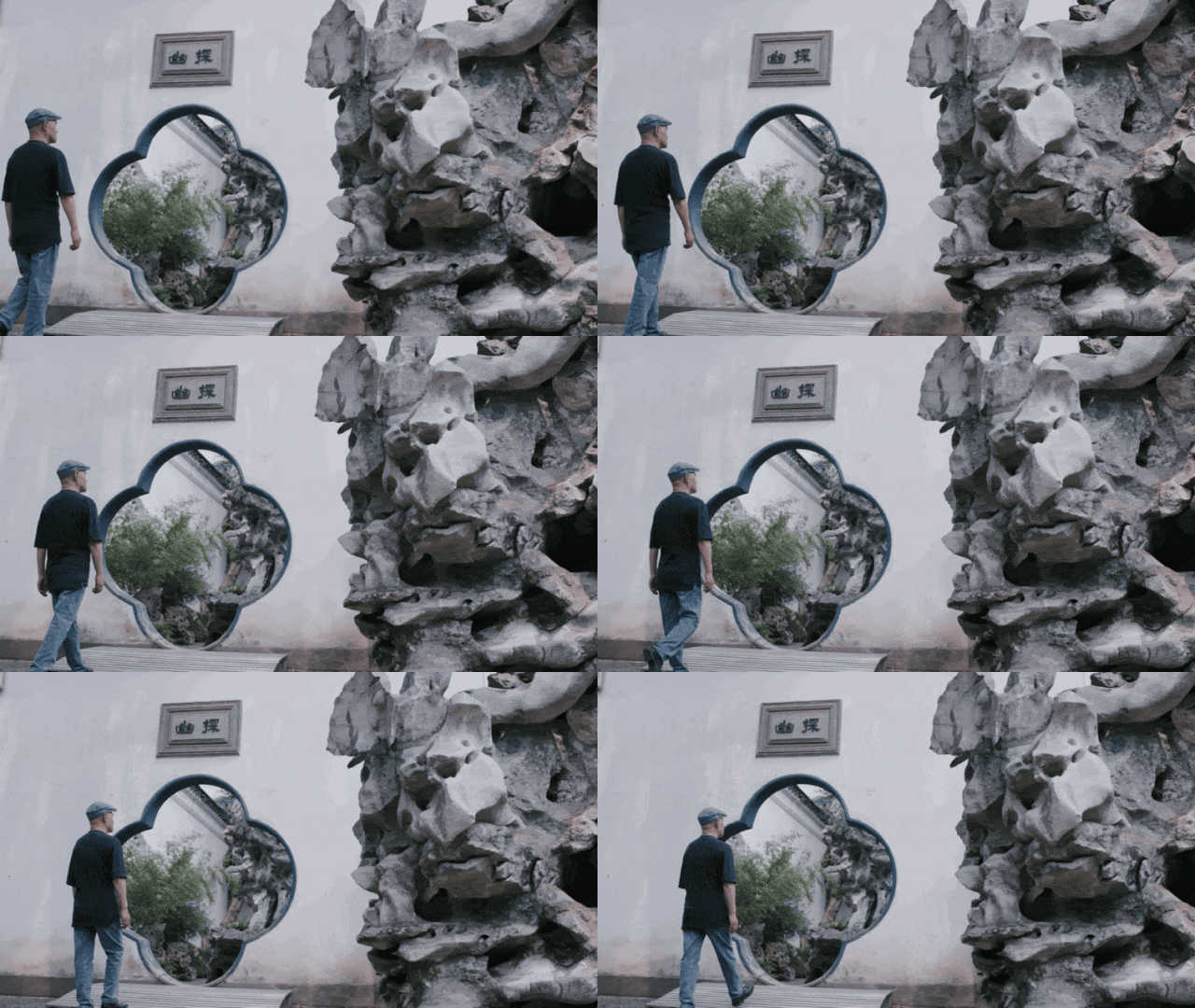
'The language of Kunqu is extremely subtle, and it shares something with abstract art. The images those words conjure interweave with the imagery in my paintings, forming a kind of rhythm — something you can sense but can't quite put into words.' Wu Shan told us that when he isn't painting, he loves listening to Kunqu opera, and his paintings, without his quite intending it, always carry a certain musicality. Wu Shan visiting the gardens of Suzhou in search of seclusion. Wu Shan at the Lion Grove Garden in Suzhou. For this exhibition, he made a special trip to the Lion Grove Garden in Suzhou, looking for the source of the exhibition's title.
SECTION 02 | Let the "secretness" of Suzhou gardens enter the painting
He also wanted to visit the birthplace of Kunqu opera, since the works took their titles from its melodies. At the Lion Grove Garden, he felt how much had changed outside its walls — crowds of residents and tourists everywhere. But inside, the garden still held onto the look and feel of classical garden culture. That crossing between what lay outside the wall and what lay within fascinated him.
'Suzhou distills southern Chinese culture down to its essence. Put simply, it takes a landscape and turns it into a bonsai — refinement pushed to its furthest point. Within a limited space, it plays with an infinite range of possibilities.' Wu Shan, Pavilion of Pleasure, 2021. Wu Shan, Thrice Ascending, 2023. Wu Shan spoke candidly with us about his view of abstraction. 'Abstract art still has form, still has structure, still has a compositional language of its own. When I started naming my paintings after Kunqu tunes, it felt like stepping onto a road with no way back — that kind of conceptual naming speaks directly to the core of what I do. It isn't especially rational; it holds infinite possibilities for change. And the correspondence between the words and the image is its own kind of encounter.'
'Working through an abstract aesthetic ends up, almost without your noticing, magnifying your own private intentions, and it pushes you to chase after the experimental possibilities of the image itself. So much of what surprises you on the canvas turns out to be pure accident.'
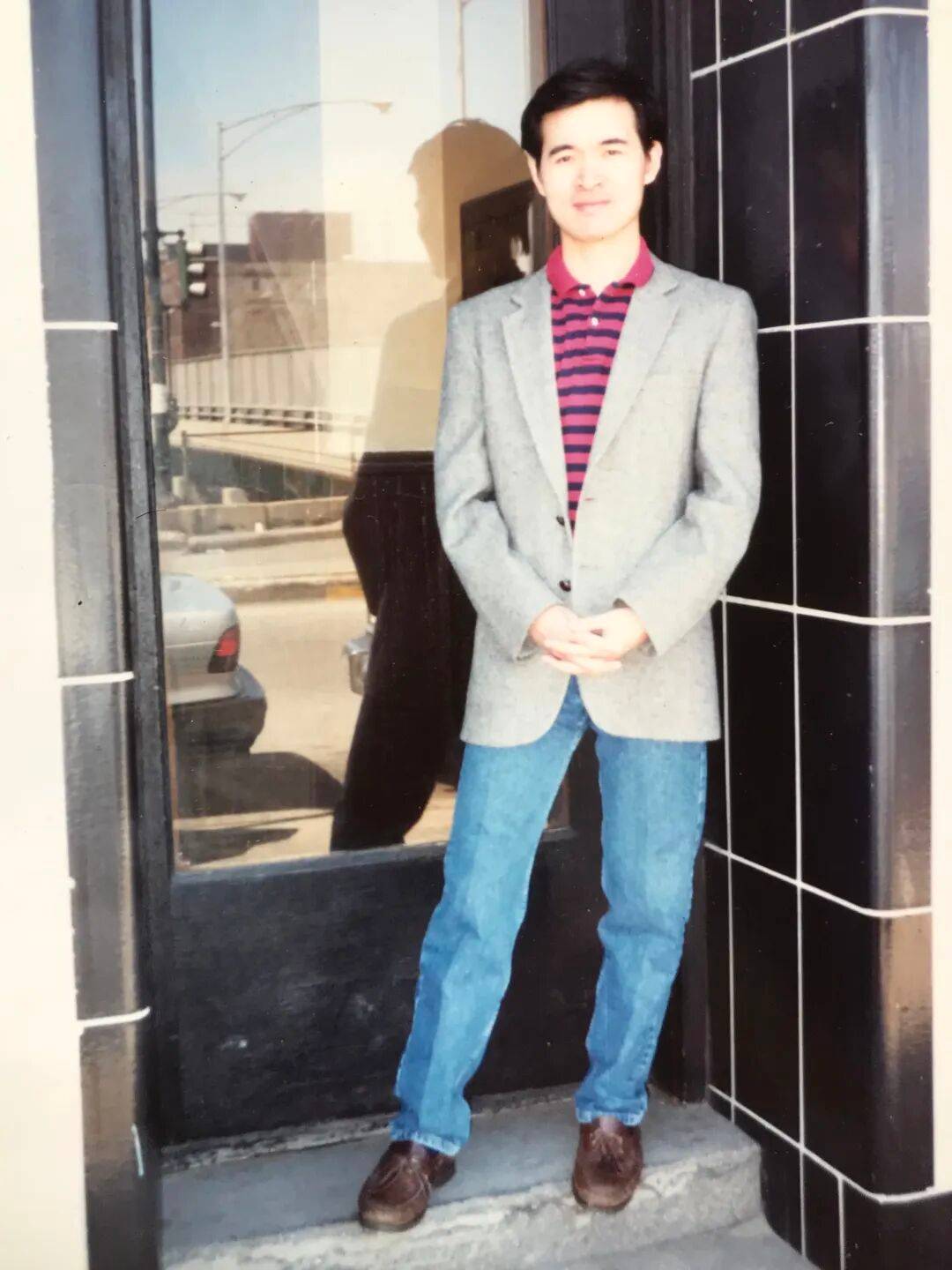
'The language of abstraction isn't there to explain some concrete event or depict some specific scene. It's meant to let you sink into the image and embrace that sense of beauty — and every person is free to read it differently.' Wu Shan in his studio at the School of the Art Institute of Chicago, in the 1980s. Any discussion of Wu Shan's crossing between cultures inevitably comes back to the more than twenty years he spent studying and living in America. Wu Shan's father was a professor at an art academy, and as a child, moving from calligraphy to painting felt as natural to him as doing homework felt to other kids. After completing a systematic undergraduate art education in China, Wu Shan was admitted, in the 1980s, to the top-ranked School of the Art Institute of Chicago, arriving in an art world dominated by Pop Art and street art — utterly unlike the one he'd left behind in China.
'In China I trained in a very traditional style rooted in the Russian realist school — once you'd built a solid foundation in realist technique, you moved on to composition, and there was always a clear path for judging whether an image was right or wrong. But the effect of that system was that most people ended up as technicians, and lost their natural instinct for art,' Wu Shan told us. Wu Shan as a young man. In his youth, he always felt a pull, deep down, to understand what the art world outside China looked like.
His older brother was working in music abroad at the time, which made the idea of studying overseas feel, to Wu Shan, 'like something worth looking forward to.' But the moment he arrived in America, he realized 'the impact was enormous.' The sharp contrasts in culture, language, and everyday life put him through one test after another. Wu Shan outside his apartment on 26th Street during his student years in Chicago in the 1980s. 'The biggest difference between American art schools and Chinese ones is that there's no fixed set of rules, no absolute standard — it's completely open.'
'None of the popular Western art languages of the time quite suited me. But one thing was clear: I had to find my own path. If an artist loses their sense of self, they lose everything,' Wu Shan said. To sustain his ambitions as an artist, Wu Shan chose to work odd jobs while making art on the side — 'all kinds of work,' he said. Looking back on those hard years, he laughed: 'Back then it was day labor, food delivery, repairing the lacquer surfaces of other people's Japanese folding screens...
'I suppose that's its own way of training an artist — you're simply left to sink or swim.' Wu Shan taking part in a group exhibition of international art in the United States. An essay the artist Liang Quan wrote about Wu Shan. More than twenty years on, he reflects that sticking with a life in art is genuinely difficult. He says that many classmates who had real talent back in school never became working artists — probably, in large part, because they could never accept, psychologically, a way of life that depended on odd jobs just to get by.
To this day, he has kept six or seven paintings that mattered most to him during his years in America. 'Sometimes, looking back at old work, you're almost surprised by who you used to be — it's like discovering it fresh, looking back through the paintings at the days that have passed.' Wu Shan in the study of his studio. In 2006, Wu Shan returned to China and settled back in his hometown of Hangzhou.
SECTION 03 | The choice of "culturally marginalized people": facing oneself sincerely
'A lot of Chinese artists living abroad came home somewhere between 2006 and 2008 — maybe everyone sensed that a new burst of energy and vitality was emerging in the domestic art scene. On top of that, Chinese artists working abroad were always up against something like an invisible ceiling, kept at the margins,' Wu Shan said. Wu Shan's Garfield cat, whom he jokingly calls his 'beautiful lady cat.' After returning, he taught at the Sino-German Academy of the China Academy of Art, and in his free time retreated into his own small world to make work.
'But it was only after I came back that I realized — after twenty-some years living in America — I'd become a kind of cultural outsider in China too,' Wu Shan said, laughing. 'But the great thing about art is that you can retreat into your own world and weave your own artistic dreams there, with no outside constraints on you at all.' A corner of Wu Shan's studio. Wu Shan leafing through his diary-like works on paper in the studio. 'As long as you're sensitive enough, a trip somewhere, a stretch of mountain road, a bank of clouds — any of it might spark an idea.'
'The shaping of an artistic language doesn't necessarily follow any rational plan — I'm something of an unwitting recipient of my own, even now. So for an artist, being honest with yourself has to be the base color underneath everything else we do.' Images courtesy of the artist's studio and Platform China Contemporary Art Institute.