A Decade in the Making: A Leading Designer Creates a 10,000-Square-Meter Private Museum
In May, Taipei grew unusually lively as artists, collectors, and members of the media gathered for Taipei Dangdai. The most anticipated event was the opening of Fubon Museum, nearly ten years in the making, spanning 10,000 square meters, and designed by the “poet of architecture” Renzo Piano......
By / Xirui Huang · 10 min read
How does Fubon Art Museum use architecture and public art to welcome visitors?
In the 2024 opening interview, Fubon Art Museum’s director places visitor comfort at the centre of the project. Renzo Piano’s galleries filter daylight and connect looking at art with views outside. Jaume Plensa’s Light and Love in the plaza and Susumu Shingu’s kinetic sculpture at the entrance introduce art along public routes. Children’s interpretation and education programmes extend this approach, presenting the museum as a place people can feel comfortable returning to.
News | Ten Years in the Making: A Museum Built Around "Light"
In May, Taipei grew unusually lively as artists, collectors, and members of the media gathered for Taipei Dangdai. The most anticipated event was the opening of Fubon Museum, nearly ten years in the making, spanning 10,000 square meters, and designed by the “poet of architecture” Renzo Piano. He has designed more than thirty leading museums, including the Fondation Beyeler, the Whitney Museum, and the Tiemu Li Art Museum in Hangzhou, and received the “Oscar of architecture,” the Pritzker Architecture Prize, in 1998.
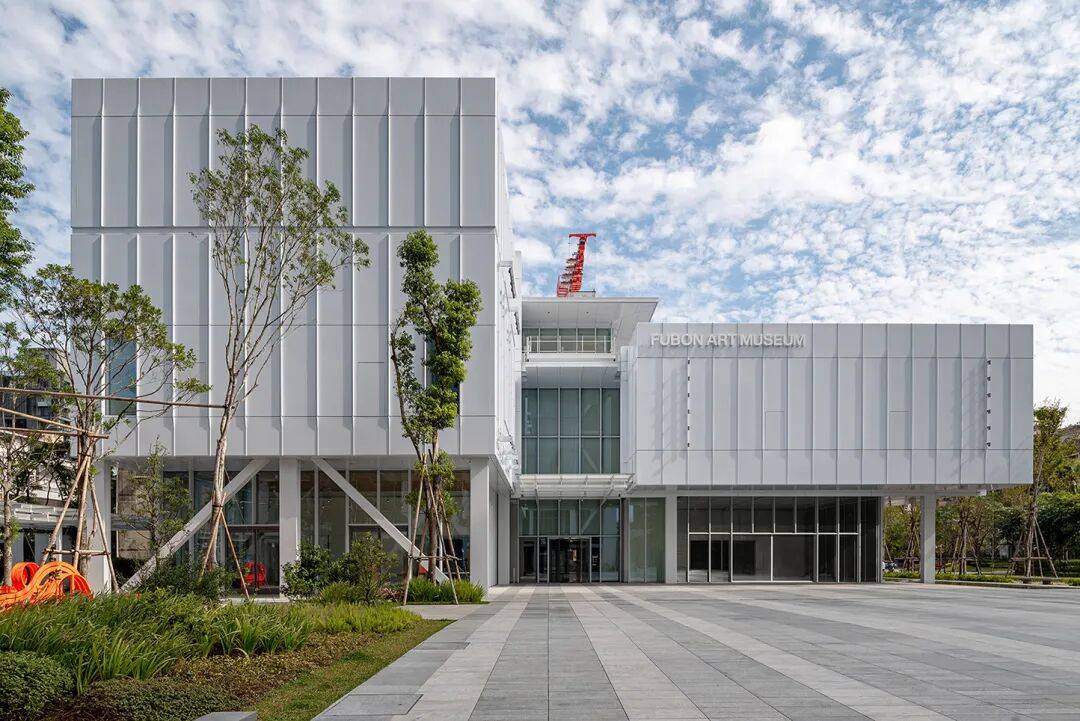
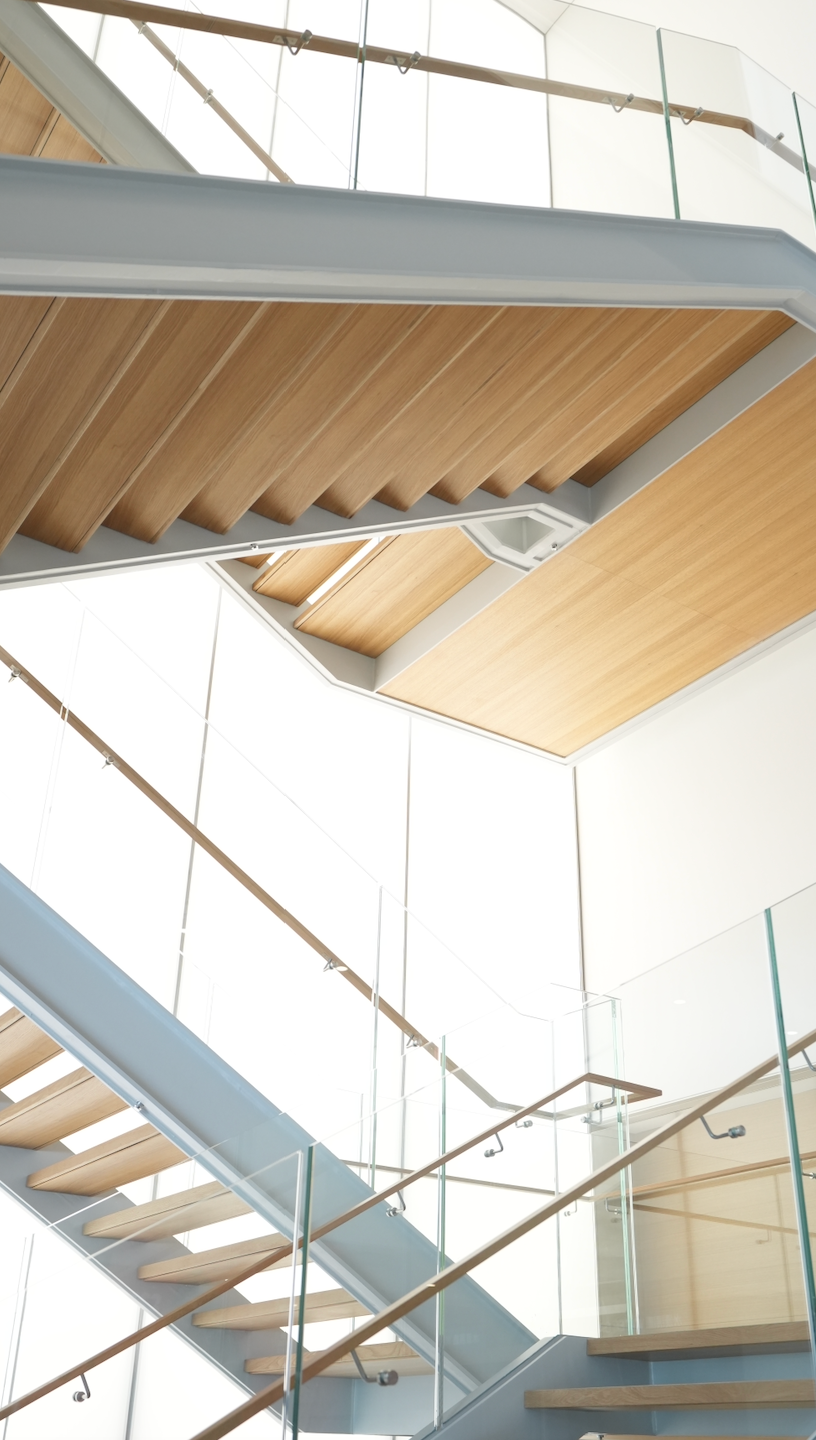
Fubon Museum exterior. Fubon Museum interior. The museum consists of five levels with soaring ceilings. Entirely white, it is bright and transparent. Inside, white and wood tones set the palette, while a vivid red elevator projects from the wall, its gentleness carrying a powerful force.
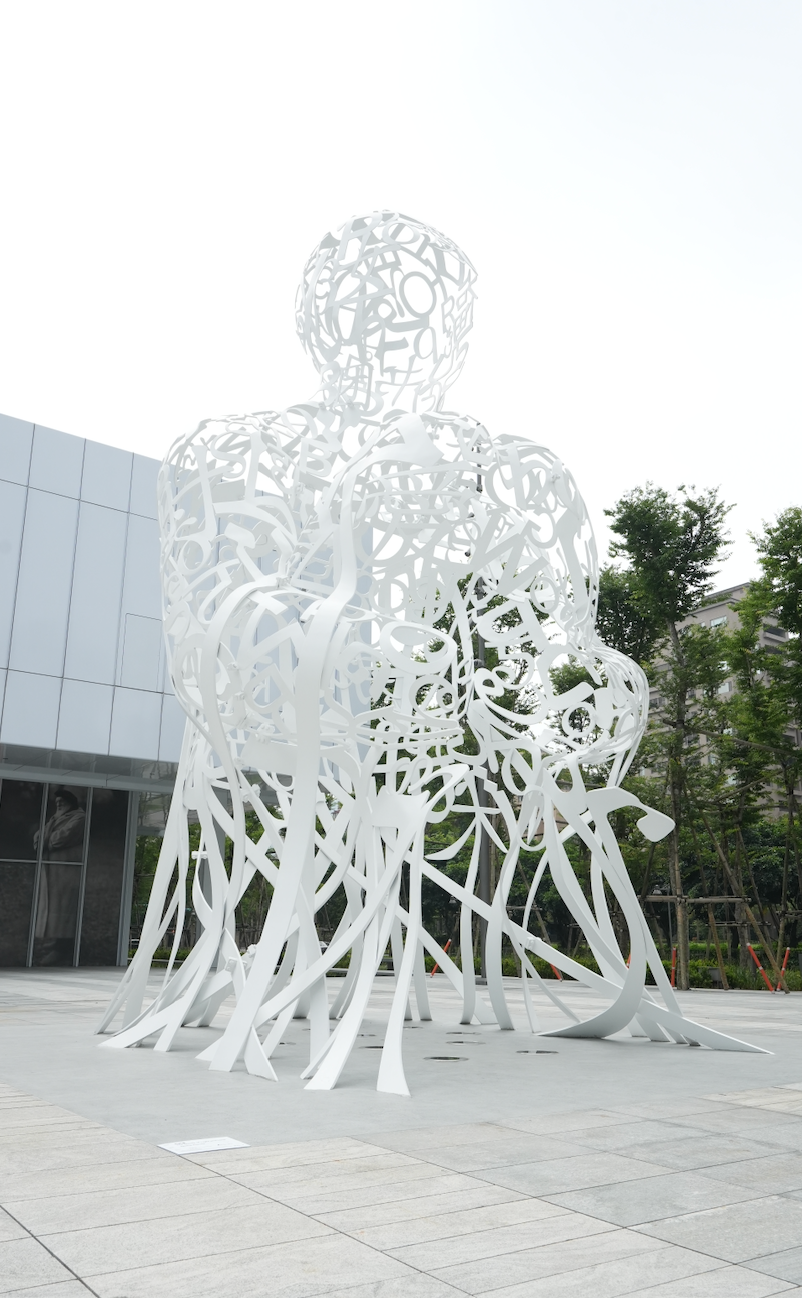
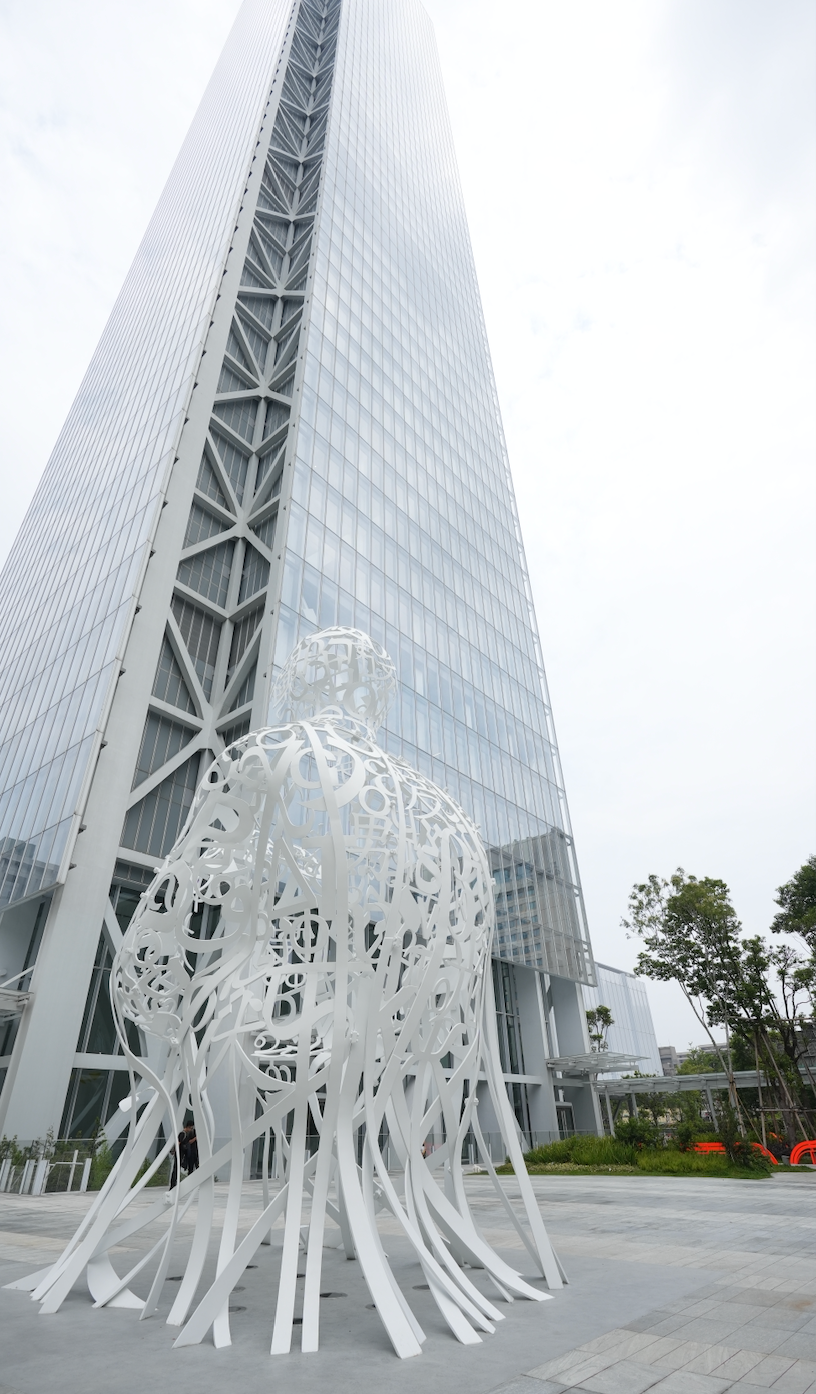
“This museum is like my home. When you run a home, the first thing you consider is how to make people feel comfortable. That is what I hope visitors will feel, too,” director Weng Mei-hui told us with a smile. Yi Tiao Art, the only mainland Chinese media outlet present, spoke with Director Weng at the opening about the inaugural exhibition and the emotional journey of building the museum over the past decade. Fubon Museum forecourt, Jaume Plensa, Light and Love, 2024. On the plaza in front of Fubon Museum, a huge standing, human-shaped installation in white openwork stainless steel immediately draws the eye.
Up close, another world emerges: the installation’s main structure is composed of words and symbols in different languages, including those representing “love” and “light.”
SECTION 01 | An art museum that took ten years to "shine" everywhere
“Plensa is an artist I have always loved. I have followed him for ten years and watched his work develop. We specifically commissioned this piece for the museum. We settled on the theme ‘Light and Love,’ because we wanted to bring light and love to this city,” Director Weng told us. Fubon Museum forecourt. At first, the artist wanted to paint the sculpture entirely silver, but she insisted on white.
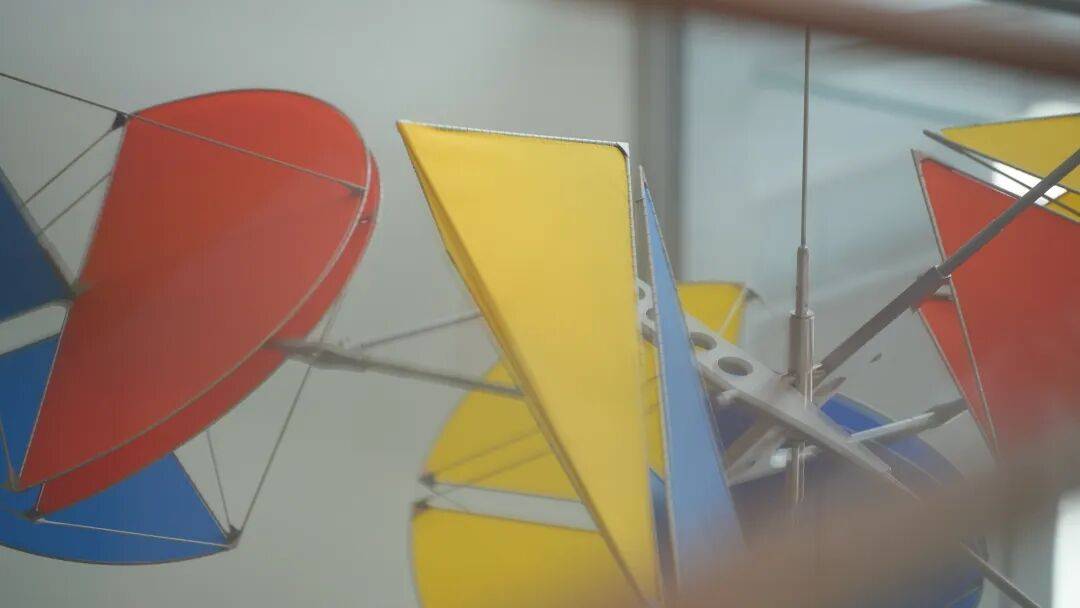
“What surprised me was that he actually flew here especially for the opening, just to see how it looked. Afterward, he told me, ‘You were right. White really is more suitable.’” Director Weng smiled, visibly proud. Shinro Ohtake, Galaxy, 2024. At the museum’s entrance stands a kinetic sculpture by Shinro Ohtake, made of three bright geometric color fields in red, yellow, and blue. They continually turn in the movement of the air, making it difficult not to stop and watch.
Only after looking closely did we realize that the geometric forms, in various combinations and sizes, are actually Fubon Museum’s logo. Shinro Ohtake, Galaxy, 2024. Director Weng also shared the story behind the work: “This was also custom-made by the artist for our high-ceilinged space. The artist studied in Italy, and the museum’s chief designer, Renzo Piano, is Italian as well. They are also the same age. So spaces designed by Piano often include works by Shinro Ohtake.”
“The palette uses the three primary colors—red, yellow, and blue—and they are extremely energetic. The installation is kinetic, and the colors leap out, so when people enter, they immediately feel filled with a kind of happiness, that spirit.” Tobias Rehberger, Untitled, 2022. In the courtyard on the other side, Tobias Rehberger’s stacked sculpture uses similarly saturated colors.
“The sculpture’s height, form, and colors are all perfectly suited to our museum. We place art in public areas because ‘art encountered unexpectedly is better able to cultivate a visitor’s aesthetic sensibility.’” When she spoke about the exhibition’s spatial design, Director Weng became especially animated, even bringing out the architectural drawings Piano had made during the design process. She had asked Piano to design the museum after seeing the Fondation Beyeler while she was in Basel, Switzerland. Its interiors are lit entirely by natural light; even after several hours of looking, one’s eyes do not grow tired, unlike in traditionally lit galleries, which can feel exhausting.
Interior and exterior of the Fubon Museum galleries. Director Weng Mei-hui inside Fubon Museum. “My favorite spaces are the Daylight Gallery and the Starlight Gallery on the third floor. They have no ceiling at all—layer upon layer of translucent skylights. When the weather is clear, sunlight filters down through the gaps.” The space has no columns and no obstruction to the view, with six-meter-high ceilings and transparent windows on both sides. In early summer, entering the gallery reveals green treetops outside, while the filtered light is not the least bit harsh.
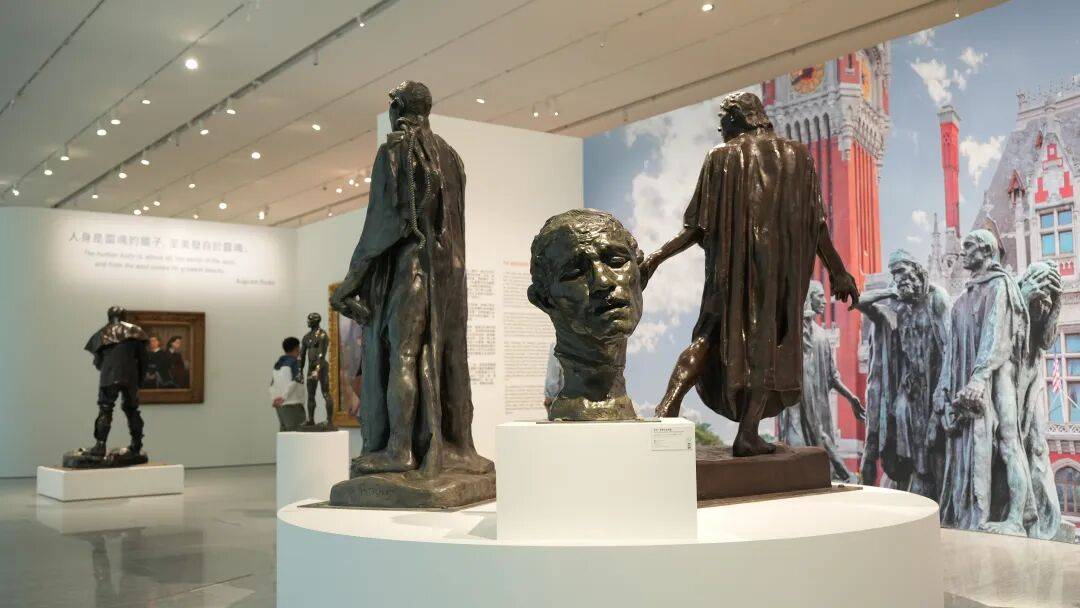
“Do you know, the moment I walked in after construction was completed, I burst into tears. It was simply too beautiful,” Director Weng told us. The Essence of Truth: Rodin and the Age of Impressionism, exhibition view, Fubon Museum, 2024. One of the inaugural exhibitions, The Essence of Truth: Rodin and the Age of Impressionism, occupies the Water View Gallery on the first floor. The works have traveled a long way: all come from the collection of the Los Angeles County Museum of Art (LACMA), the largest museum in the American West.
The exhibition presents 101 works from LACMA’s collection, including more than 70 by the celebrated sculptor Auguste Rodin, as well as more than ten paintings by Impressionist masters including Monet, Renoir, and Cézanne. The exhibition’s origins are also unusual. Director Weng explained: “I moved to California when I was seventeen and attended UCLA, so I had loved their museum since I was a student. My interest in Western art also began with sculpture, and Rodin’s work was unquestionably what I dreamed of.”
A Decade in the Making: A Leading Designer Creates a 10,000-Square-Meter Private Museum
The Essence of Truth: Rodin and the Age of Impressionism, exhibition view, Fubon Museum, 2024. By chance, Director Weng came to know the director of the Los Angeles County Museum of Art and learned that the Los Angeles museum was undertaking an expansion, making a number of important Rodin holdings available for loan.
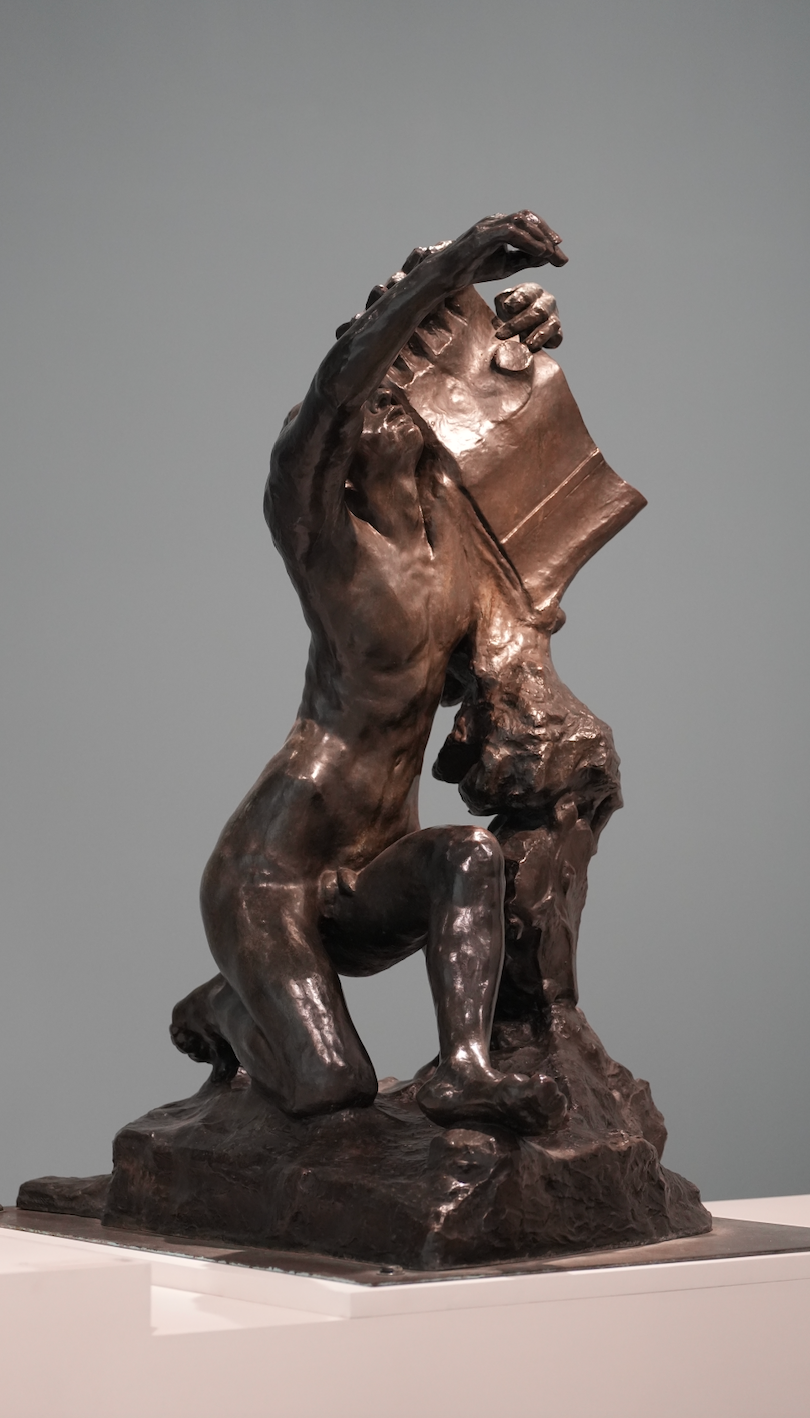
“I thought, How could everything align so perfectly—the timing, the circumstances, everything? Perhaps it really was heaven’s arrangement,” she said with a smile. The Essence of Truth: Rodin and the Age of Impressionism, exhibition view, Fubon Museum, 2024. Courtesy of Fubon Museum; photograph by Lin Yung-chang. The exhibition’s first section presents important works from Rodin’s career, including The Preacher, St. John the Baptist. Before completing it, Rodin had been widely questioned over The Age of Bronze, whose muscular contours and expression appeared so lifelike that some accused him of “cheating” by casting a sculpture from a live model.
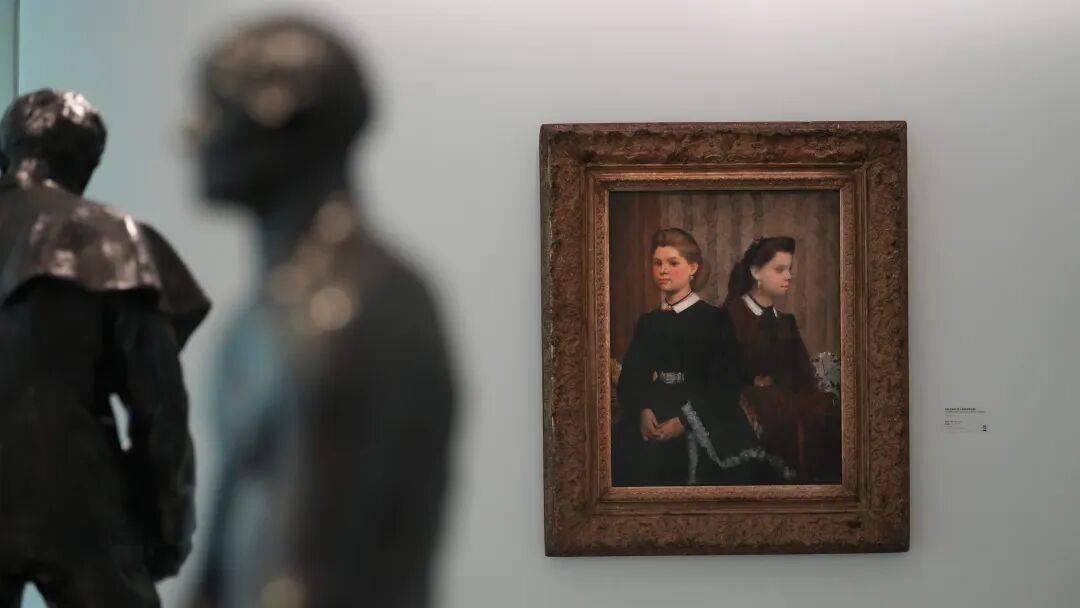
Displaying sculpture alongside oil painting makes it easier to see how Rodin and artists of his generation influenced one another, while also revealing the subtle connections between the two media. The Essence of Truth: Rodin and the Age of Impressionism, exhibition view, Fubon Museum, 2024. Courtesy of Fubon Museum; photograph by Lin Yung-chang. The Essence of Truth: Rodin and the Age of Impressionism, exhibition view, Fubon Museum, 2024. Farther inside are nine works from The Gates of Hell, the series Rodin returned to throughout his life, depicting scenes from the “Inferno” of Dante’s Divine Comedy.
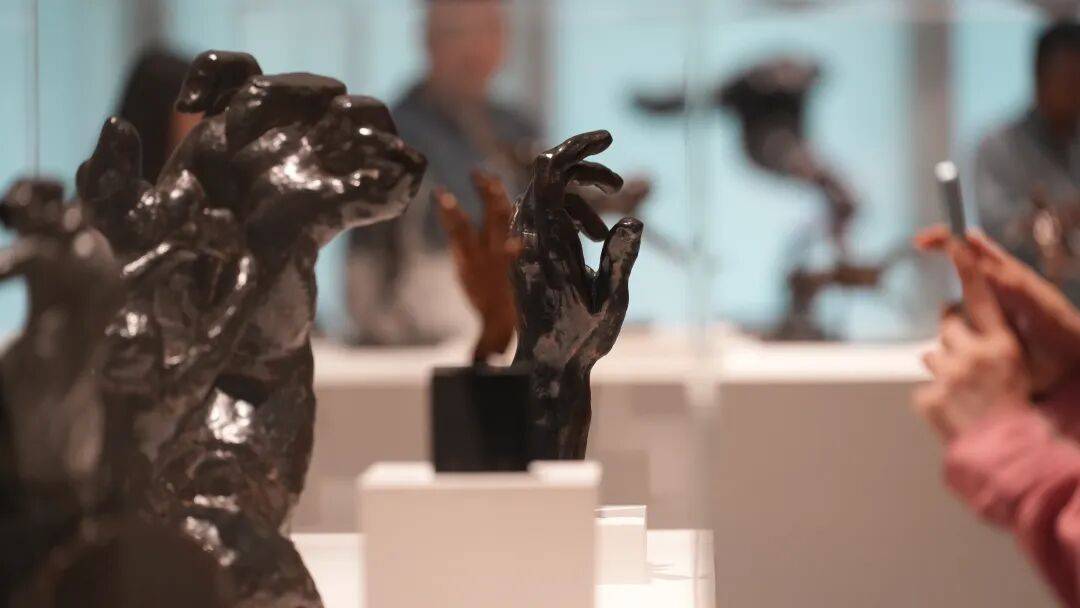
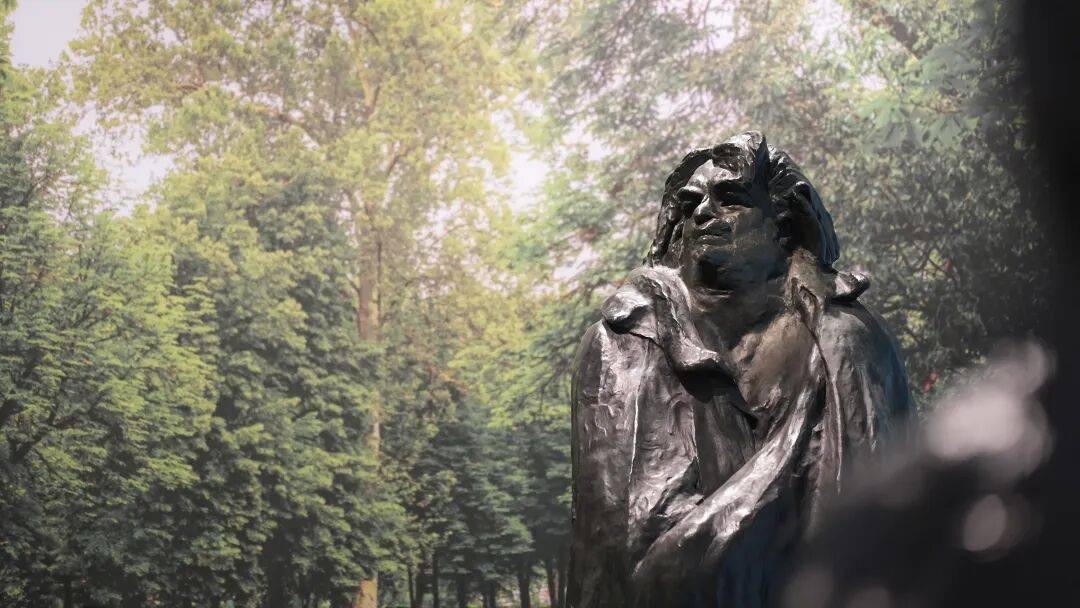
The series presents bodies twisted by muscular tension, faces contorted in pain, and figures caught in struggle. Even when the sculptures do not depict a complete part of the body, their incompleteness gives them a more fractured beauty. The Essence of Truth: Rodin and the Age of Impressionism, exhibition view, Fubon Museum, 2024. The exhibition’s most striking works may be the several sculptures of Balzac in different forms that Rodin cast after laboring for seven full years, reading countless works and documents by the writer. Four of them are shown here.
“My favorite work in the exhibition is the elderly Balzac in a robe. He is beautiful! This is not beauty in the sense of ‘how handsome you are’; the truest representation is the most beautiful. Rodin captured a writer in his most authentic state—when he wears a robe, he may be at his most relaxed. And only when a person is relaxed can inspiration keep flowing. He certainly would not be most creative in a suit,” Director Weng said.
The Essence of Truth: Rodin and the Age of Impressionism, exhibition view, Fubon Museum, 2024. Installing this sculpture of Balzac alone took two days. The sculpture is extremely heavy and required enormous tools to lift it and place it on its base. Because it was being installed indoors, adjusting its orientation proved especially difficult. Recalling those days, Director Weng told us: “For two whole days, I watched it ‘lie’ in its crate in every possible direction and position, or hang suspended in midair . . . When it was finally lowered into place, I was so moved that I burst into tears.”
“I saw a living, towering, proud yet solitary great man, Balzac, standing before me. I felt so small.” Fubon Collection: Touch, exhibition view, Fubon Museum, 2024. On the third floor are the Daylight Gallery and the Starlight Gallery, arguably the high point of Piano’s design. They perfectly unite the beauty of nature and artifice. Unexpectedly, however, visitors to exhibitions in these galleries are not permitted to take photographs—not even of the architecture.
We asked Director Weng why, in an age of such powerful social media, the museum did not use photographs to increase its visibility.
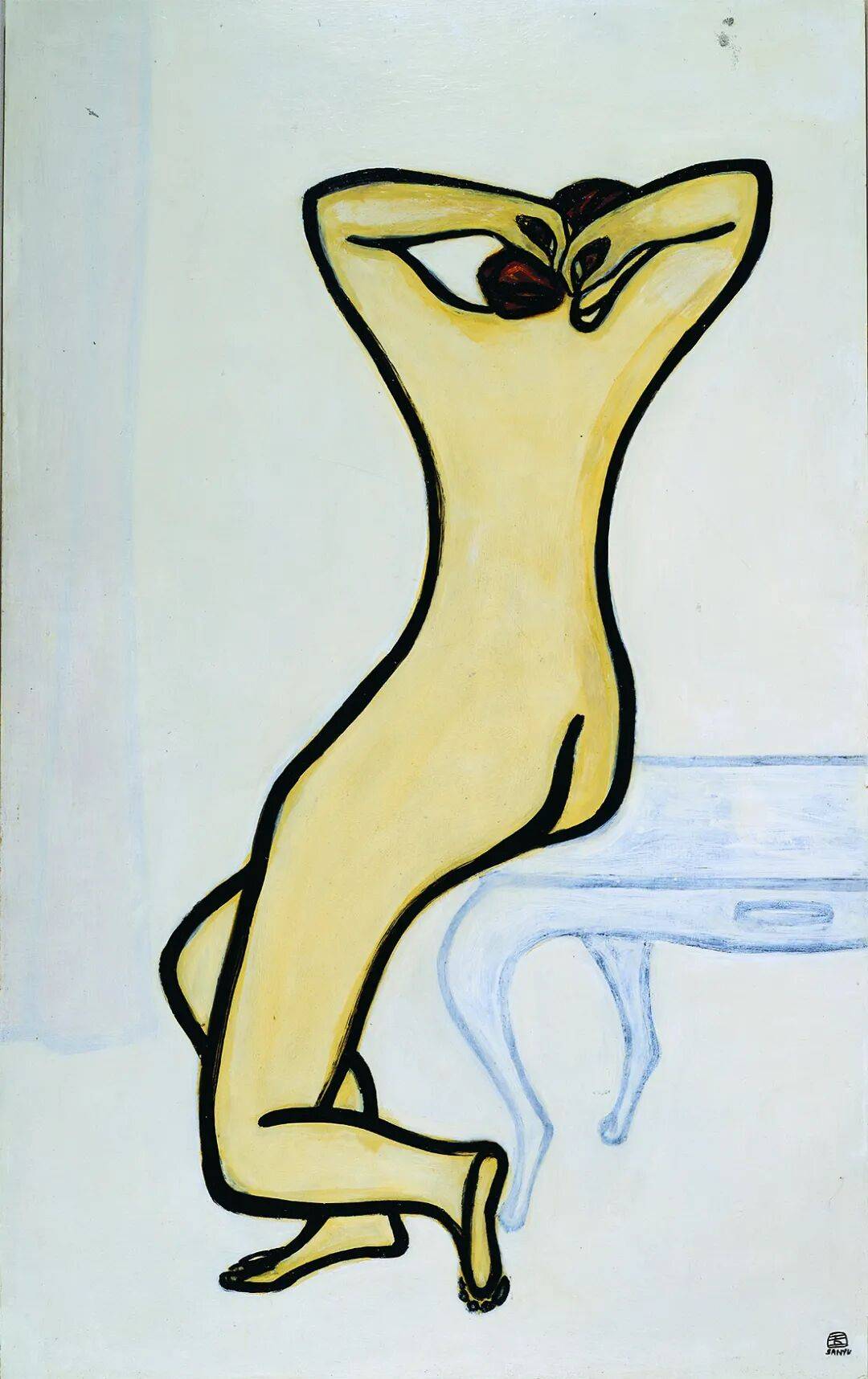
“Because I feel that taking photographs affects the state of mind in which visitors see an exhibition. I want everyone to use their own eyes to experience the beauty of the space and enjoy the encounter between the works and the architecture, instead of constantly taking pictures with a phone and, in fact, not really looking,” she said with a smile. Zao Wou-Ki, 25-4-88, 1988. Sanyu, Bath, 1950–65. This “exhibition you cannot photograph” presents more than twenty highlights from the Fubon collection of thirty-five years, including important works from Zao Wou-Ki’s “Oracle Bone” period, as well as outstanding late works in which he swept color across the canvas and conveyed the force of life.
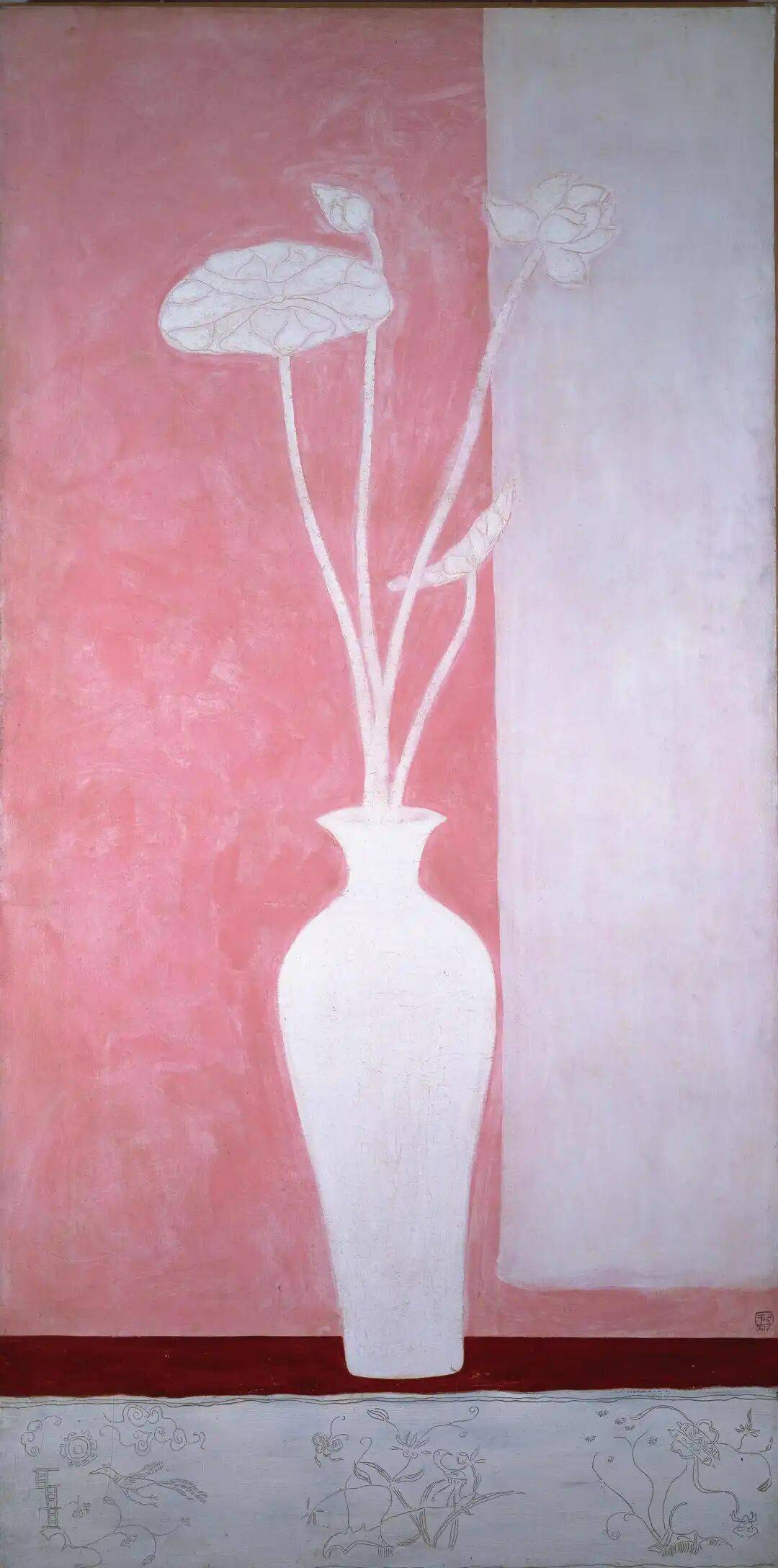
The exhibition also includes a large-scale masterpiece by the artist Yun Gee, who made his name in the United States in the early twentieth century, depicting the pulse of New York; an elegant, poetic monumental abstraction by Chiang Hsien-Jen; Wang Huai-Qing’s richly suggestive furniture imagery; and lacquer works by Su Hsiao-Po, who moves freely between Chinese and Western cultures. Sanyu, White Lotus, 1929–32. The museum’s centerpiece, Sanyu’s White Lotus, unseen for thirty years, is one of Director Weng’s personal favorites.
“Emerging from the mud yet remaining unstained—I especially admire people with that kind of character, people who can remain themselves no matter how difficult the environment. I am also a rather solitary person. In this painting, there are many Chinese motifs that Sanyu scraped out with a knife. He possessed an Eastern aesthetic as well as a Western sense of force and feeling. We went to extraordinary lengths to acquire this painting at auction; it was also the first work auctioned in Taiwan for more than 10,000,000,” Director Weng explained.
Sanyu, Sailing Smoothly, 1929–32. Another work, Sailing Smoothly, hung in Director Weng’s study for more than thirty years. She has come to see her own experience in the painting: “When I first saw it, I was deeply moved. It felt as though I had returned to my own youthful years. When I first went abroad at sixteen, I went to Guam. My English was poor, and I had to work very hard every day. Sometimes I did not go to sleep until four or five in the morning. At night, all I could do to comfort myself was listen to Tchaikovsky’s piano concertos.”
SECTION 03 | To Experience Spatial Beauty, No Photography Allowed
“This painting reflects the state of my life. I have always grown amid waves, continually making my way through difficulties. The sailboat moves across dark water, full of hardship and challenge, but the sky is pink, representing hope.” Fubon Museum’s Daylight Gallery and Starlight Gallery on the third floor. Courtesy of Fubon Museum; photograph by Lucas K. Doolan. Director Weng said that putting these two favorite paintings on view felt almost like “marrying off daughters”: “I hated to part with them. After all, they have been with me for so long.”
“But when I saw how they looked in the gallery, I felt relieved. They were so beautiful; perhaps more visitors should be allowed to see them.” From an initial plan for 1,000 square meters to a private museum ten years later with a vast 10,000-square-meter footprint—ten times the original conception—she reflected that over the decade, people, events, objects, time, space, and the internal and external environment had all changed. Throughout the process, she kept overcoming difficulties; everything remained unresolved until the moment the museum opened.
The new museum has become another home for her. Fubon Museum façade. Fubon Museum exterior architecture. Courtesy of Fubon Museum; photograph by Lucas K. Doolan. “When I run my own home, I naturally consider how to make my family comfortable living there. ‘The devil is in the details’: what color the carpet should be, how the floorboards should be laid, what material to use for the seats, how the stones in the bathrooms should be arranged . . .”
“I want every small detail to make people comfortable in the way they use the space.” This is her standard for creating a museum: to approach it as one would create a home. During our visit, we encountered many other pleasing details, including the museum’s thorough, lively children’s guide; exhibition texts that are engaging and easy to understand; short questions to consider after viewing the works; and even charming stickers of Rodin’s sculptures.
Children’s art education is Director Weng’s greatest hope for the museum. She shared with a smile: “I have always felt that education is the museum’s greatest soul. Recently, in France, I saw a museum education guide that read, ‘. . . from age 3 to 103.’ That is the direction I want to work toward. We hope to share with children—with everyone—the nourishment we receive from art, and help people love life more.”