Xu Xiaoguo: In an Age of Sealed-Off Anxiety, Inventing “Starlight” to Soothe the Heart
A portrait of the artist Xu Xiaoguo, born in Xi’an in the 1970s, shaped by detours through sports, music, teaching, Shanghai’s contemporary-art rise, and the harder years that followed the 2008 financial crisis, before arriving at a body of work that turns inward without losing its grip on the world......
By / Xirui Huang · 13 min read
How does Xu Xiaoguo use starlight and cages to express experiences of confinement?
In Xirui Huang’s 2022 interview, Xu Xiaoguo connects the points of light in Starlight with introspection and emotion during confinement. Cage imagery addresses restricted space and a remembered detail from a film. At Whitebox Art Center in Beijing, changing brightness and spatial divisions create a bodily route into the paintings. The interview concerns the transformation of personal experience into artistic form.
Artist portrait: Xu Xiaoguo, an artist born in Xi’an, Shaanxi, in the 1970s, moved through Shanghai before ultimately settling in Songzhuang, Beijing, where he now lives and works. He was once an athlete, studied vocal music, and worked as a schoolteacher before a mix of circumstances led him onto the path of a professional artist. In Shanghai, he came to know artists including Wang Xingwei, Zhang Enli, Er Dongqiang, Qu Fengguo, Han Feng, and Chen Qiang, and witnessed the golden age in which Chinese contemporary art rose on the international stage. He also lived through the difficult stretch for artists that followed the 2008 financial crisis.
SECTION 01 | An exhibition full of "starlight"
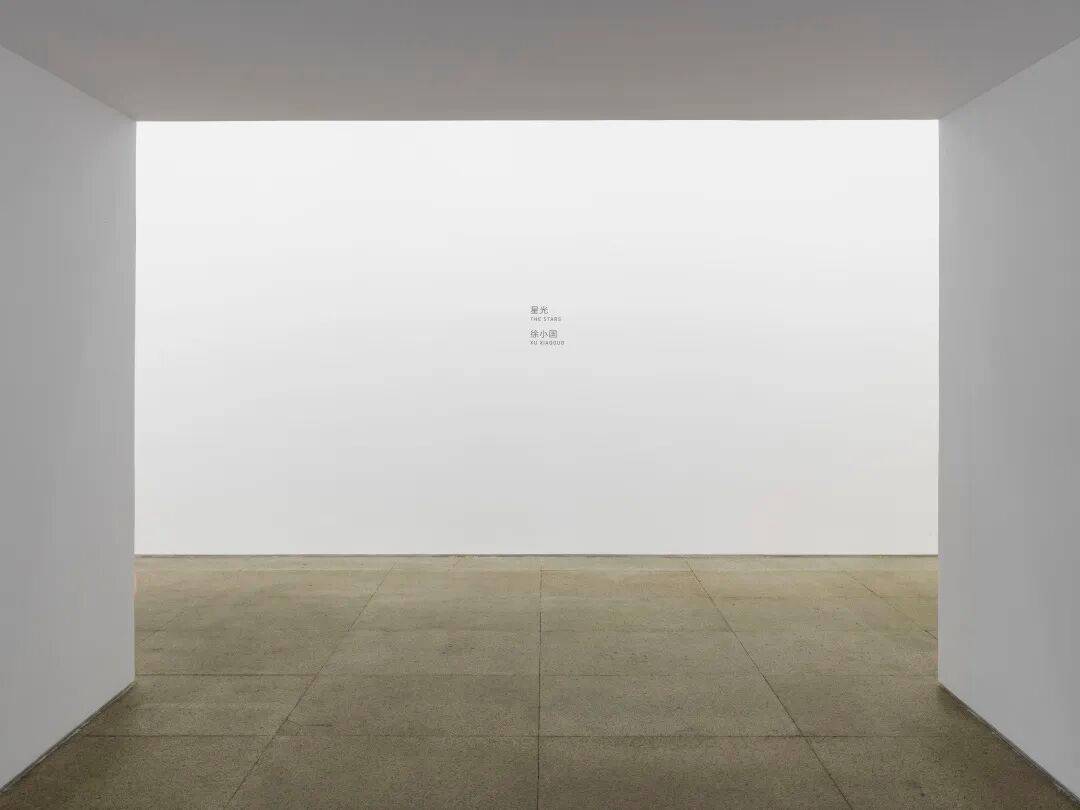
Ten years later, Xu Xiaoguo returned to Whitebox Art Center Beijing, where he had once held a solo exhibition. In this hall, which carries particular meaning for him, he spoke with us about his life in art. At the exhibition site for Xu Xiaoguo: “Starlight,” Whitebox Art Center Beijing, 2022, even in the height of July, the indoor lighting was startlingly bright. Xu told us that Professor Wang Yun of the School of Architecture at Peking University had been specially invited to design the exhibition, and that the plan alone had been reconsidered several times.
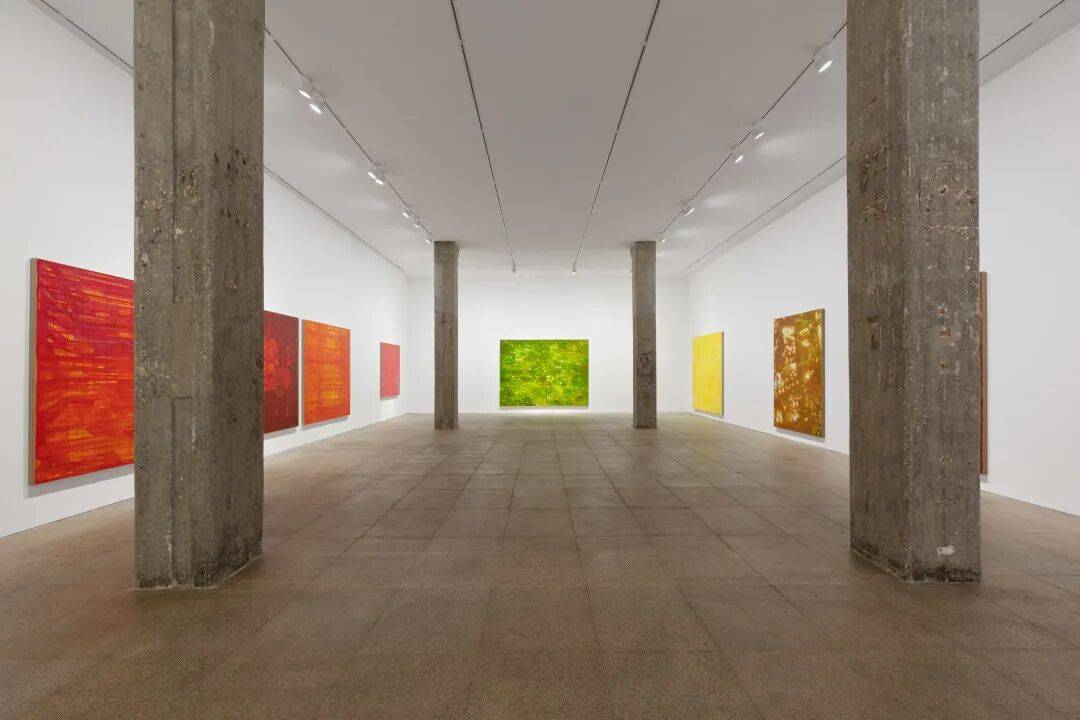
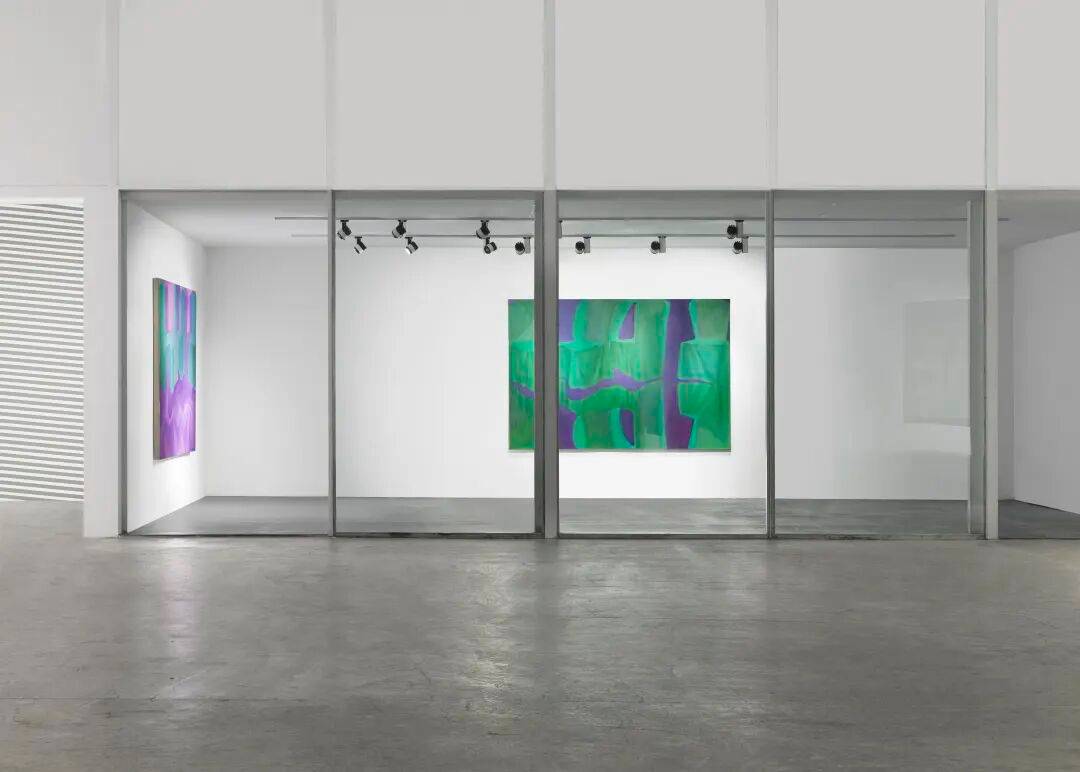
The gallery was divided into three long, narrow spaces, large, medium, and small. Because the exhibition was titled “Starlight,” the space was articulated in layers along two dimensions: scale and light. The first room was the brightest, drawing viewers first toward the most dazzling points of light in “Starlight.” Xu Xiaoguo, Starlight 1, 2020; Xu Xiaoguo, Starlight 2, 2020; Xu Xiaoguo, Starlight 4, 2021-2022. The works in the exhibition were all completed during the global pandemic years, from 2019 to 2022.
For that reason, the works bear a deep “pandemic imprint”: a form of introspection after self-imposed enclosure.
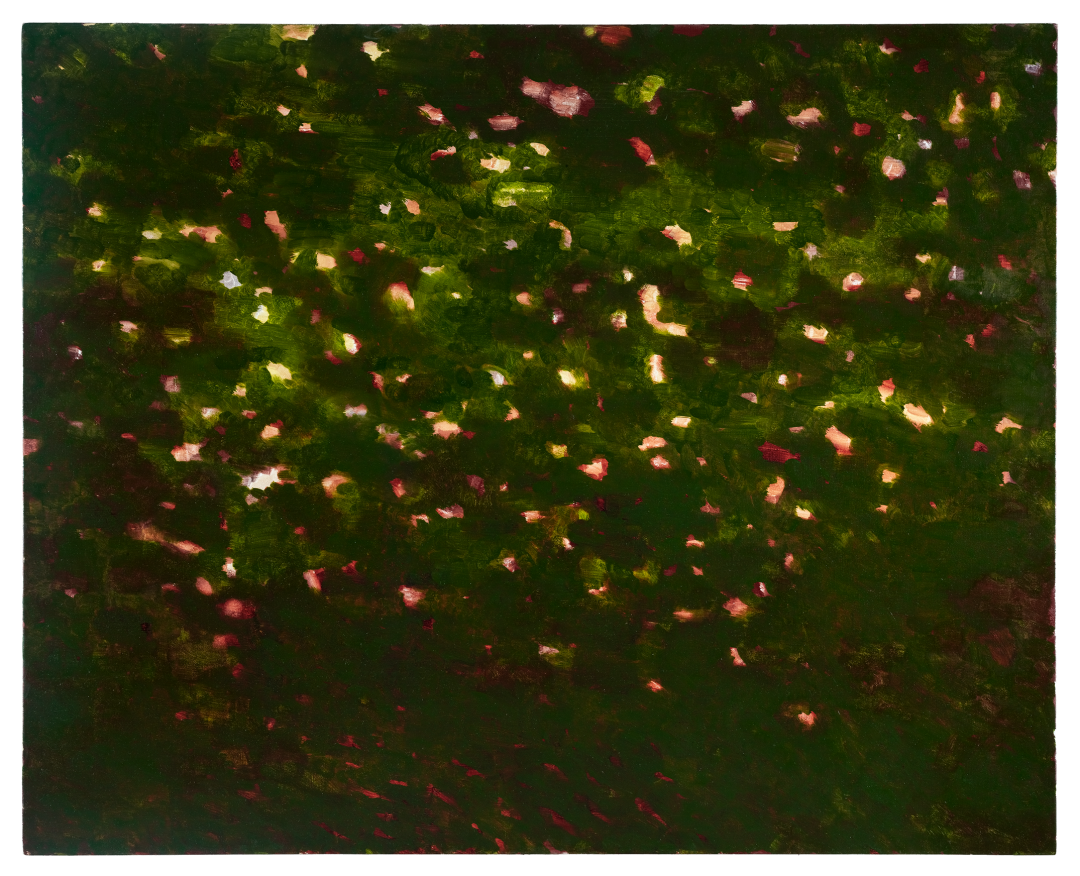
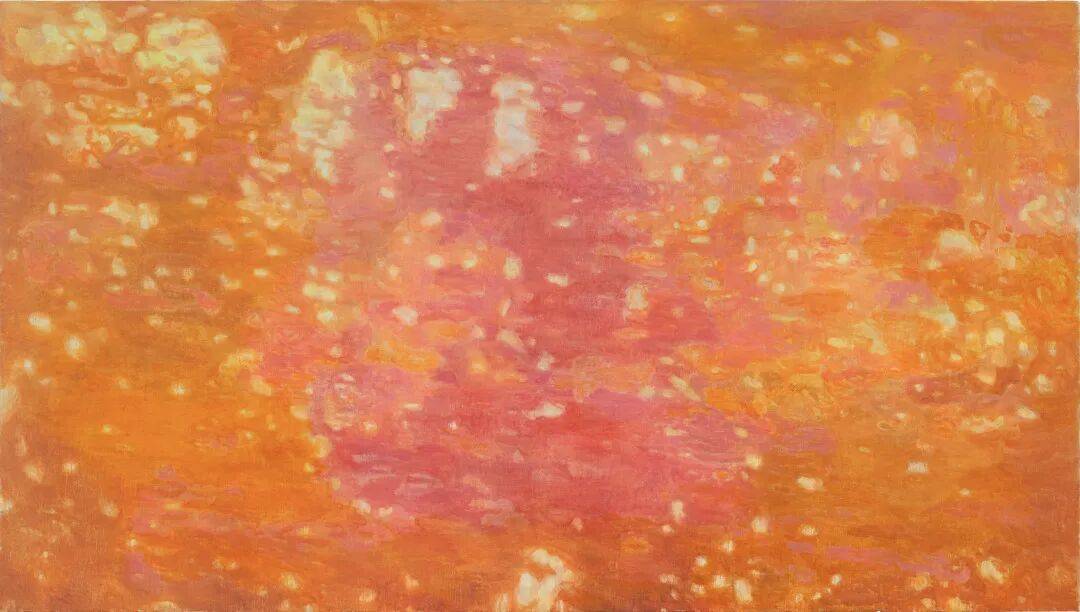
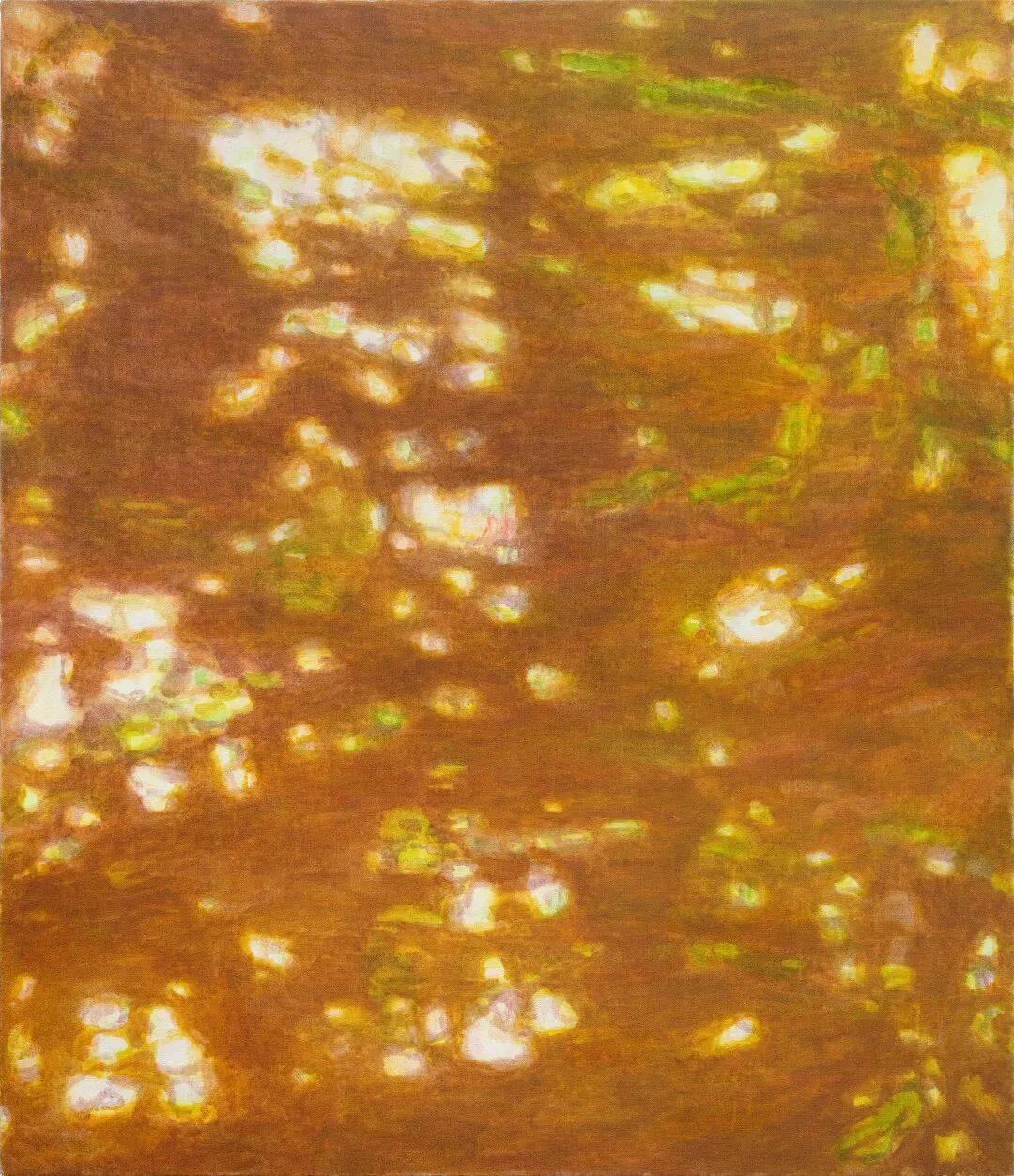
“The ‘Starlight’ series is really packed with a lot of emotion: unease, anxiety, pain, and so on. In the process of dispelling anxiety and adjusting the psyche back toward balance, we look back at our past and present psychological states. I externalized that process into painted images, and that is ‘Starlight,’” Xu Xiaoguo said. The canvas is wholly flat, yet these shimmering traces of light seem to emerge from the two-dimensional surface itself. They glow and dim like stars seen in the night: untouchable, but perceptible.
If we close our eyes and look inward, those flecks of light become the scattered fragments of emotion within us. At the exhibition site for Xu Xiaoguo: “Starlight,” Whitebox Art Center Beijing, 2022, the second room no longer used glaring overhead light but a nearly gray illumination. It was the largest of the three spaces.
“We cast the light onto the surrounding walls, and through the reflected light between them, the middle of the gallery takes on a gray state.” The artist even had us stand in the center of the room to experience the peculiar sensation this lighting produced. More interesting still, the four columns in the space had been polished; the artist wanted them restored to the state of concrete. Moving back and forth among those four columns, one feels time and space being partitioned. From different positions, the light and the sense of space shift completely, with something like the feeling of walking through a jungle.
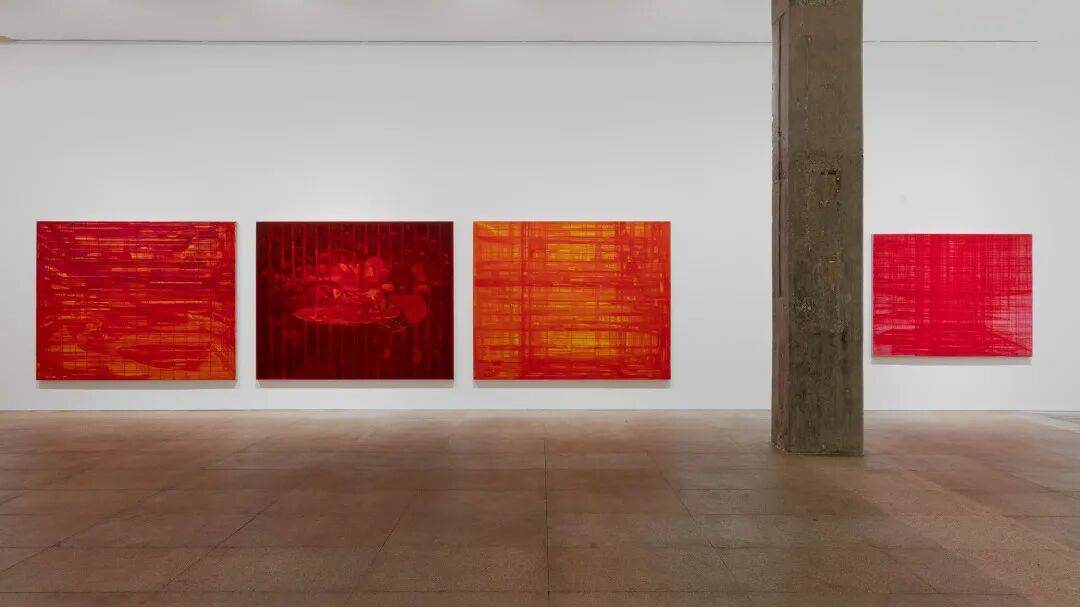
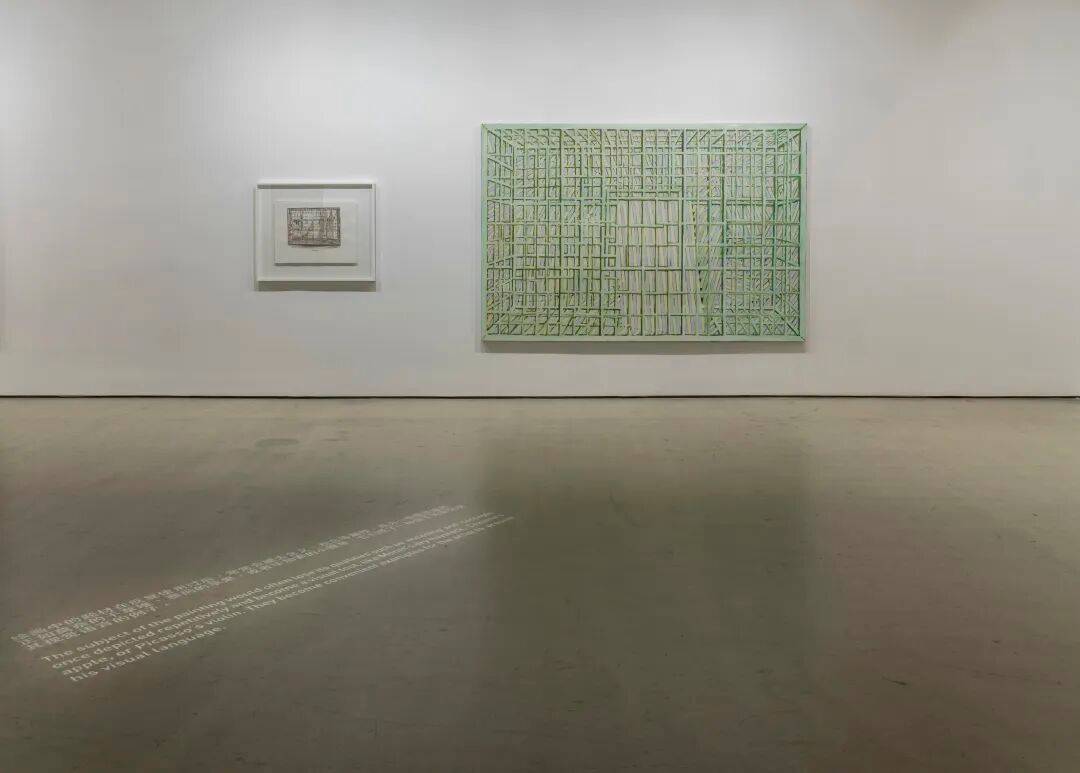
From left to right, the works are Red Cage 2, Tongue of Fire, Red Cage 1, and Red Cage 3, 2020-2021. At the exhibition site for Xu Xiaoguo: “Starlight,” Whitebox Art Center Beijing, 2022: Xu Xiaoguo, Andrei Tarkovsky’s Birdcage, 2019-2020. If the “Starlight” series represents Xu Xiaoguo’s inward psychological closure during the pandemic, then the “Cage” series presents a state of physical isolation.
“During the pandemic, I went back to a lot of old films. In Tarkovsky’s Solaris, there is a scene in which he and an old man are talking in a room, and in a very inconspicuous corner there is a birdcage. My eyes, and my whole feeling, were drawn to that cage with unusual force. Even after the film was over, I couldn’t forget it. The first painting I made when I returned to the ‘Cage’ series was Andrei Tarkovsky’s Birdcage.”
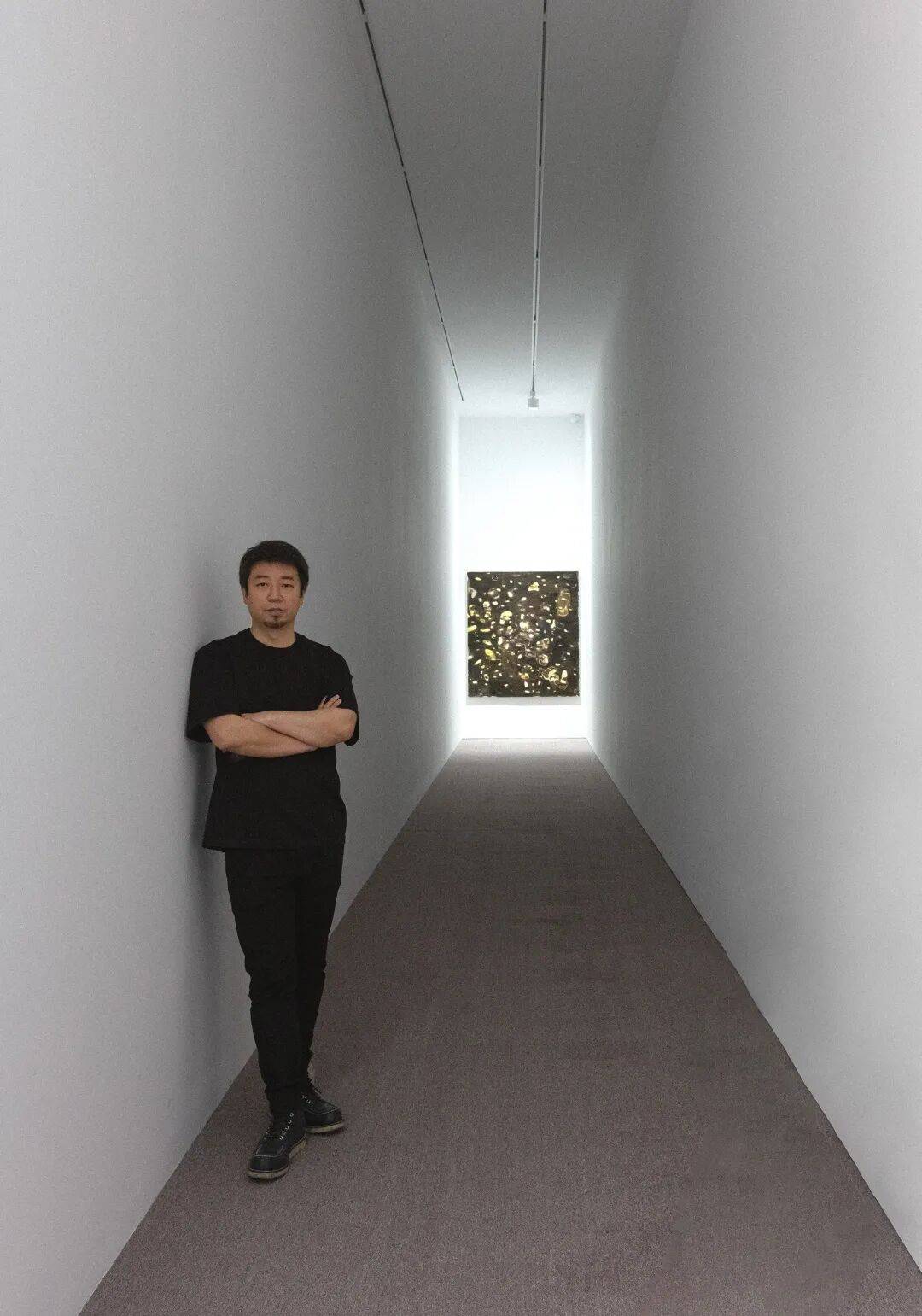
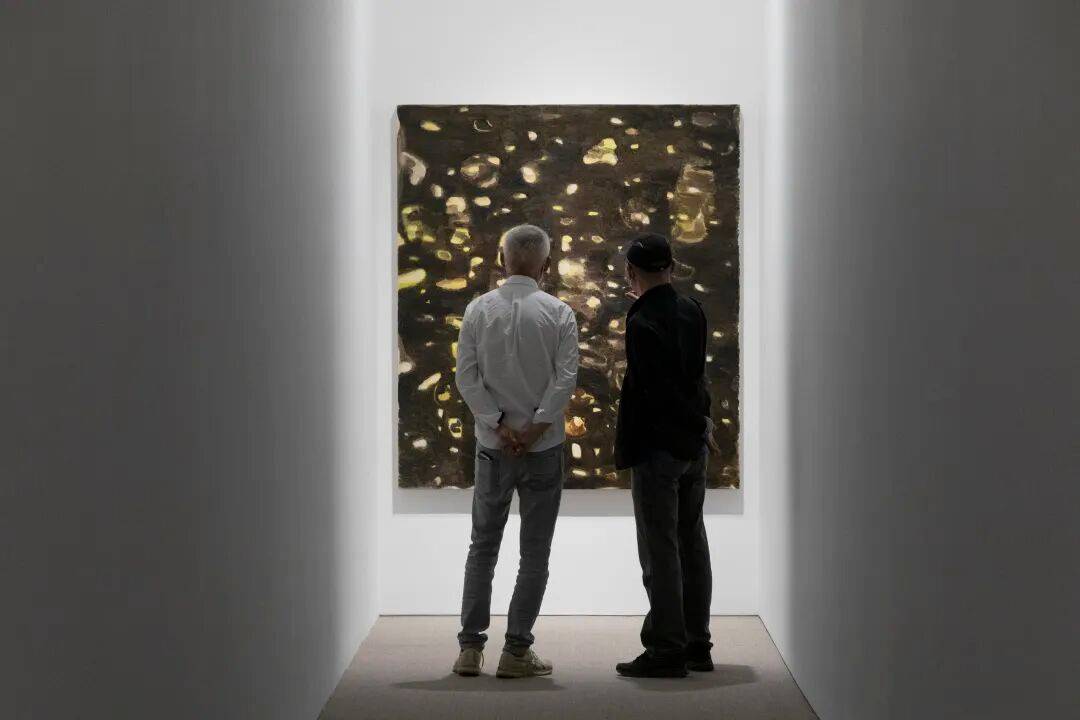
Xu Xiaoguo has long felt that the birdcage is a metaphor. The film’s discussion of changing space and time’s dead loop is like that birdcage sitting in the corner of the room: time circling endlessly, space repeating itself. At the exhibition site for Xu Xiaoguo: “Starlight,” Whitebox Art Center Beijing, 2022, the last and smallest space confronted us with a narrow, dim corridor thirty meters long. At the end of it hung a single “Starlight” against a black-brown ground. In the entire space, only the area above the painting was lit from above, and it felt as if we had sunk into it from a temple.
Xu Xiaoguo, Island, 2021. At the exhibition site for Xu Xiaoguo: “Starlight,” Whitebox Art Center Beijing, 2022, the exhibition ended by returning to the first gallery. In a field of bright white light, a rose-red solitary island on a black canvas was especially arresting. Xu Xiaoguo told us that Island is an entirely new series for him, and that placing it here carries a double meaning.
SECTION 02 | The wild boy from the northwest
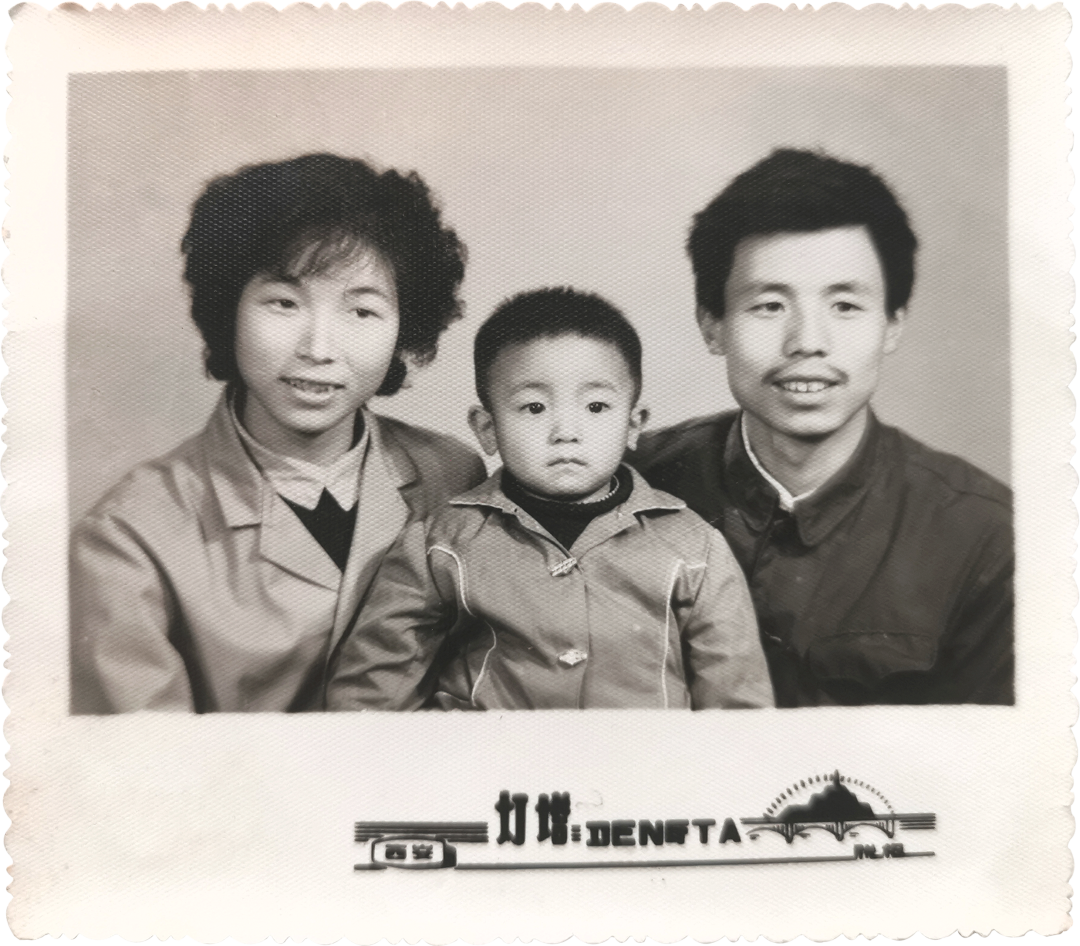
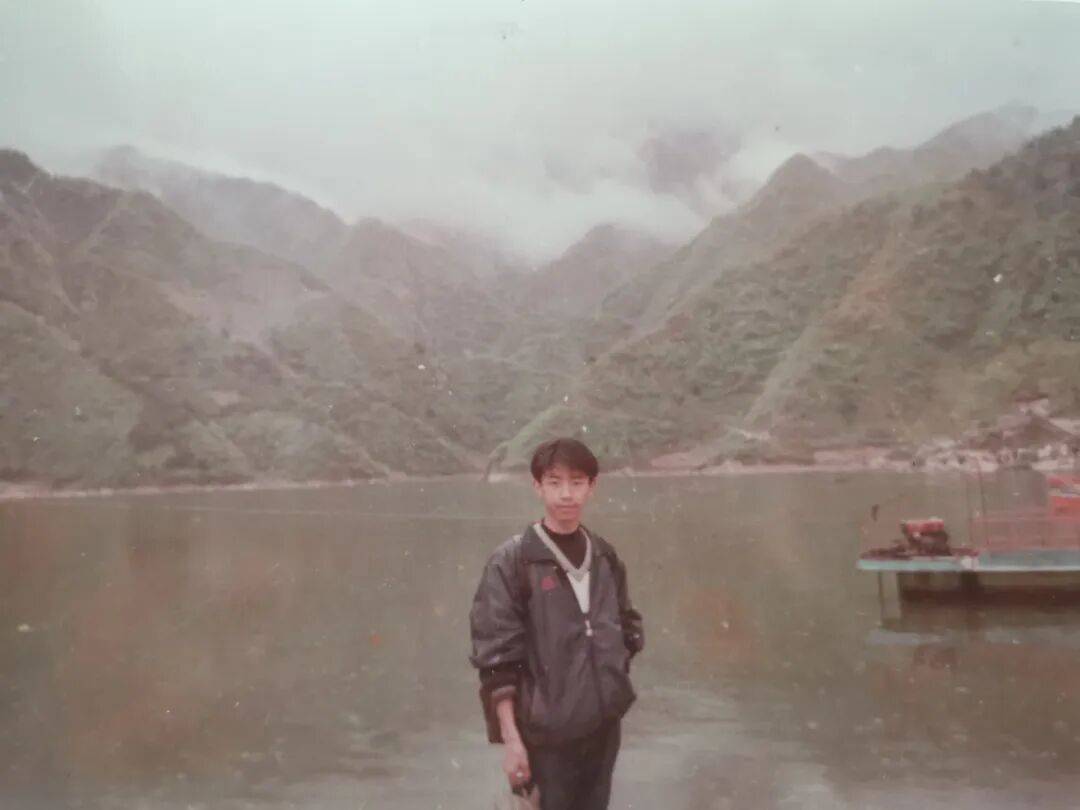
“This painting is both an ending and a beginning.” A childhood photograph of Xu Xiaoguo with his parents; an old photograph from his middle-school years. Many people feel that Xu Xiaoguo possesses a certain stubborn force, and that may have something to do with the rough, untended stretch of his youth in Xi’an.
“I grew up in Xi’an and didn’t leave until I was 17. In first grade, I was selected by a state sports school. From fourth grade, when I took part in the National Youth Games, until sixth grade, when I retired, I had a total of six years as a professional athlete. Later, in middle school, I studied folk-style vocal music for three years. At the time, my voice was considered promising, and the school’s music teacher thought highly of me and taught me separately.” Xu Xiaoguo sketching from life in Xinjiang during his senior year of college. Originally, Xu had been admitted to an arts school, and his family assumed he would proceed in orderly fashion to become a music teacher.
Instead, he began to take an interest in painting. At first this came from encountering the first batch of Japanese comics imported into China; he liked them and taught himself by copying their contents. Later, in his first year of high school, he met an older friend who was then studying at the affiliated high school of the Xi’an Academy of Fine Arts, and that changed the direction of his life.
“The two of us used to ride bicycles all over Xi’an. It was the first time I really understood what it meant for an individual to be completely free, and that state was connected to painting. Painting can be done entirely alone, whereas music, aside from solo performance, is more often about working with other people.” Once he understood that, he gave up music and decided to pursue painting. The trace of his musical training remains in his artistic practice: in his studio in Songzhuang today, he has a full recording setup.
In 2011, he worked with musicians in a collaborative format to realize his solo exhibition Xu Xiaoguo / Noise Reduction / 6 / 25; the images above show the exhibition site. Xu Xiaoguo, Noise Reduction 6/25 No. 2, 2011. One day at 17, he happened to see on television that the oil-painting department of the China Academy of Art in Hangzhou offered a pre-exam training class. He resolved on the spot to leave Xi’an on his own, suspend school for a year, and go to Hangzhou to study.
“My family was completely opposed. I was too young.” It was also the first time Xu Xiaoguo came into sharp conflict with his father. To earn enough for tuition, he spent two months of summer vacation working in a bar, mopping floors from the first to the fourth floor in the afternoon and setting out stools, then half-kneeling at night as a waiter.
SECTION 03 | From Shanghai to Beijing, find your own artistic path
“After work it would be around two or three in the morning, and there were no buses, so I couldn’t get home. I had to ask the old man selling cigarettes nearby for cardboard boxes, and I slept on the street for two months. Every morning, over by the Bell Tower, they played ‘The East Is Red, the Sun Rises,’ and that woke us up.” Xu Xiaoguo said with a laugh that the experience of working those jobs finally made his father relent.
“He said, ‘If you really want to go that badly, then go.’” Xu Xiaoguo, Tomb of the Sage, 2007. His father died during Xu’s senior year in college, a major blow to the artist. Not long before his father’s death, Xu Xiaoguo, then still studying at the Xi’an Academy of Fine Arts, had a conversation with him that still moves him when he recalls it. It was also through that conversation that father and son reached a reconciliation.
“For people of our generation, born in the 1970s, fathers actually didn’t have much contact with us, and there was even less time alone, less communication. That night on the road he told me that, although it looked as if he usually didn’t support me, over the past few years he had seen the way I was painting and was actually quite proud of me. Just those few simple words moved me deeply. Even now, when I talk about it, it still hurts.” Xu Xiaoguo, Garden, 2006. After graduation, Xu Xiaoguo’s family all hoped he would stay in Xi’an and proceed step by step, becoming a civil servant or a teacher.
But Xu Xiaoguo chose instead to leave Xi’an for Shanghai. When he first arrived there in 2000, he encountered avant-garde contemporary art for the first time at the Shanghai Biennale. The impact was immense, freeing him from the framework of Post-Impressionism and modernism and showing him that art could be approached in an entirely different way.
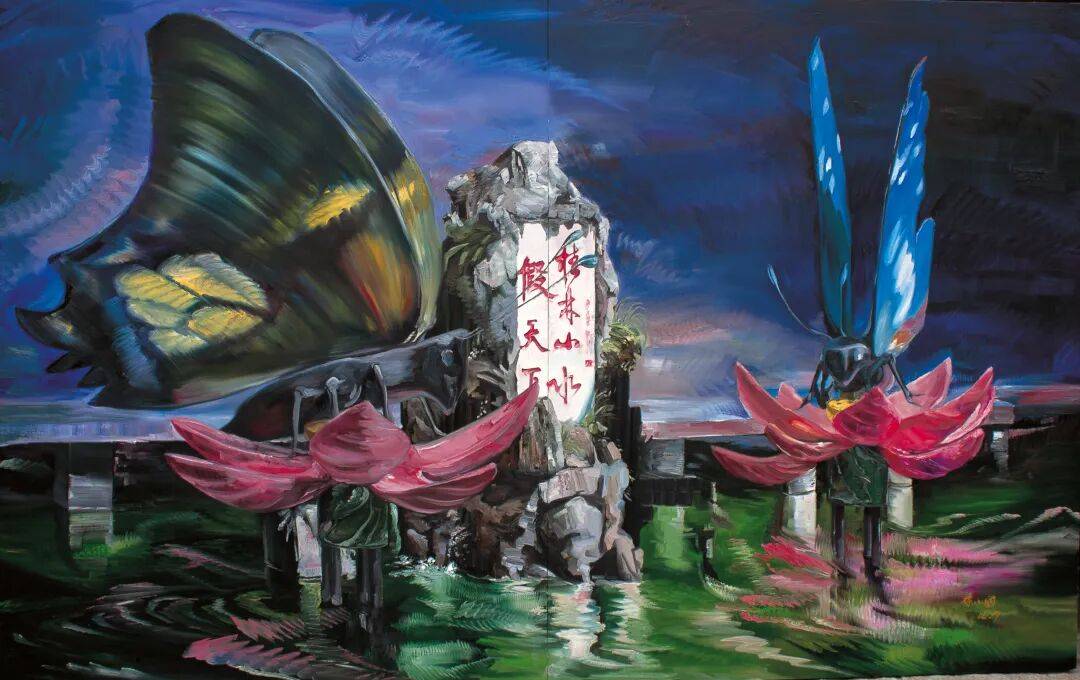
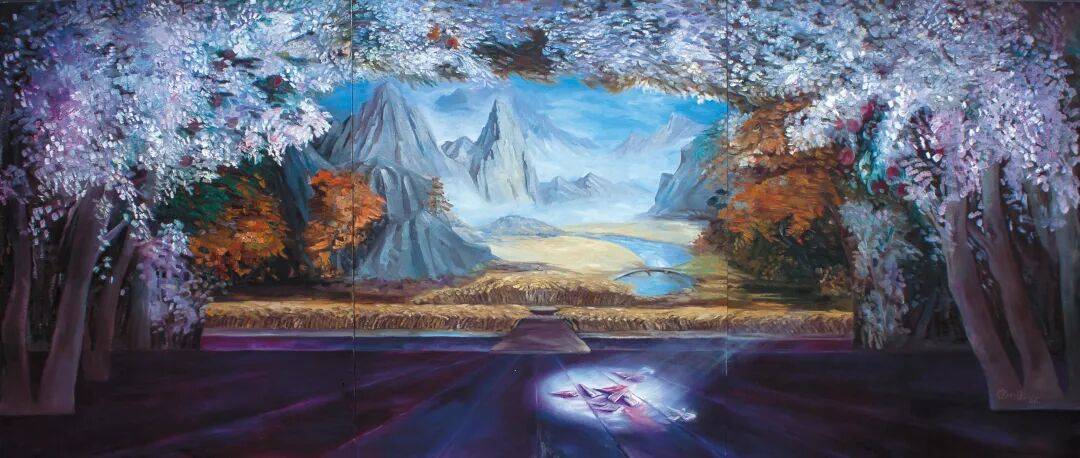
“When I first got to Shanghai, I was teaching at a school and badly wanted to paint, but there was no market and no direction. For two or three years it was very painful. I was always probing, but I didn’t know what I wanted to express.” Newly arrived in Shanghai, Xu Xiaoguo felt deeply at sea, thinking that he might spend his whole life teaching painting at a school until old age. Xu Xiaoguo, Guilin Landscape, 2006; Xu Xiaoguo, Grand Stage: Conspiracy, 2007; Xu Xiaoguo, Grand Stage: Broken Glass, 2006. One day in 2004, he went with a friend to see exhibitions at 50 Moganshan Road, Shanghai’s earliest art district.
There Xu Xiaoguo saw a wholly new art ecology, in which workers, exhibitions, and artists coexisted. He found it fresh, and he and his friend immediately agreed to rent a studio at Moganshan, a decision that became a turning point in his life. At that time, there were not many artists with studios there, and the rent was very cheap. But it was also there that he met Zhang Enli and Wang Xingwei, which in turn gave him the opportunity to make exhibitions in a formal way and become a professional artist.
Before 2000, the only center of contemporary art in China was Beijing. It was only after the Shanghai Biennale that a community of Shanghai artists gradually took shape, and Xu Xiaoguo was one of its very young members. During those years, aside from teaching, he spent four days a week in the studio.
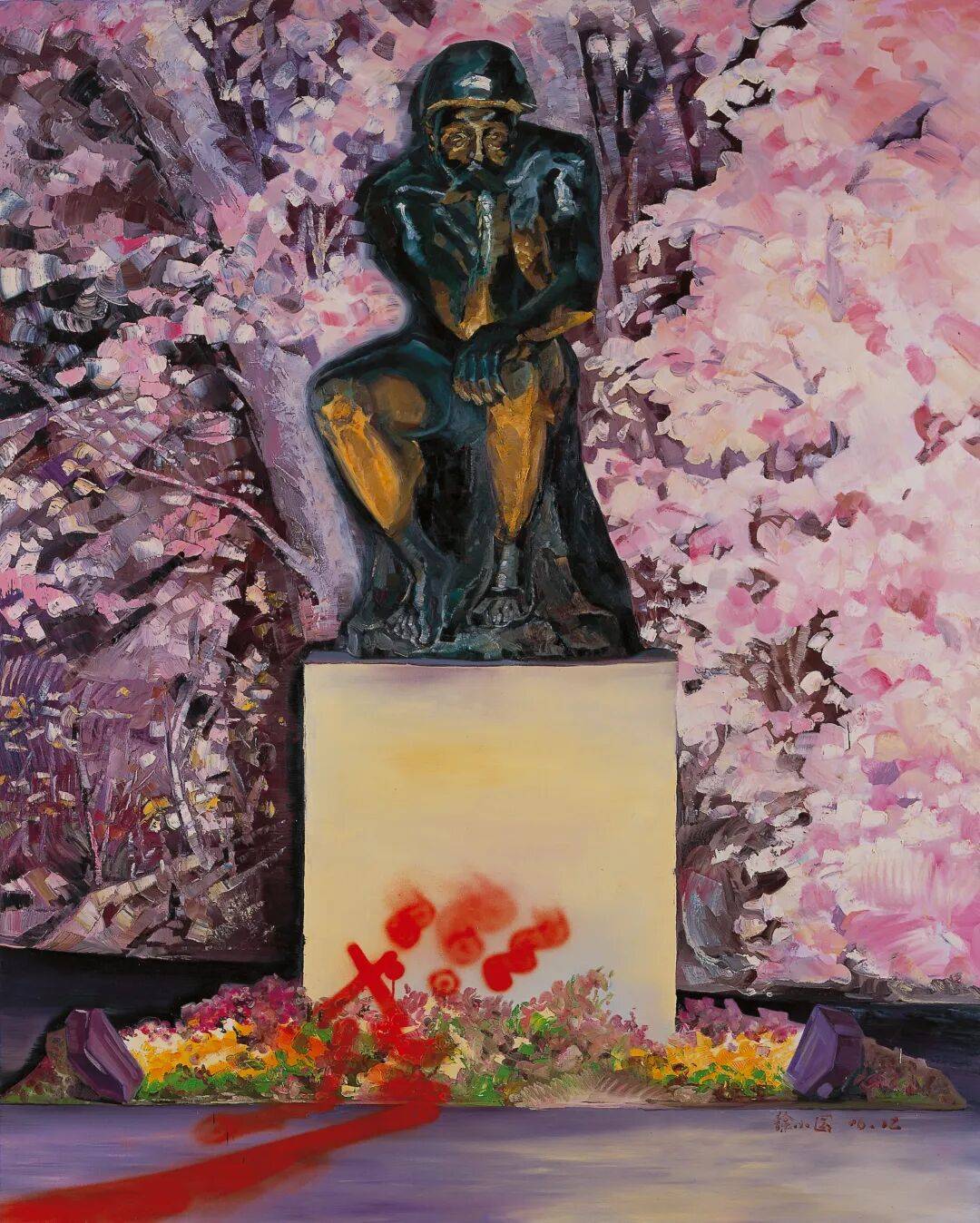
“In those years, both my output and my state of making were especially good, because I felt that everything had come too hard to be taken for granted. Basically, I could finish one painting every week. Shanghai winters were especially cold. There was no heat in the studio and no bedroom either, so I slept on a bunk. In the art district there were those huge corridor-style iron gates, and the wind would come in under them and blow straight onto your scalp.” Xu Xiaoguo, Stage: Wu Song Slays the Tiger, 2007; Xu Xiaoguo, Thinker: Soldier, 2006. In the beginning, Xu Xiaoguo drew inspiration from the QQ chat rooms that nearly everyone was using at the time. He was particularly interested in that virtualized way of life, and painted a group of images in which objects and people coexist symbiotically.
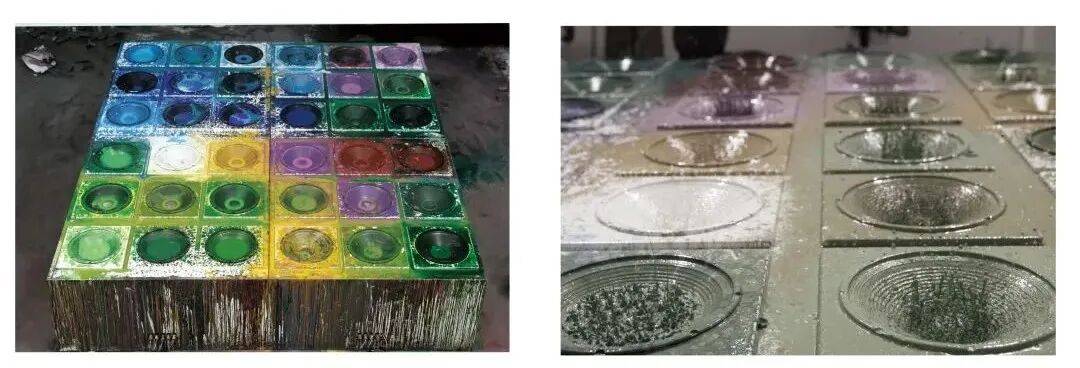
Later he gave that body of work the title “Internet Series.” It was also a case of perseverance being rewarded: his paintings won the admiration of the senior artist Zhang Enli, who recommended him to the influential Er Dongqiang Art Center in Shanghai. There he held his first solo exhibition. In addition to paintings, Xu Xiaoguo also made an installation piece for the show, which drew considerable attention. Xu Xiaoguo, His and Her Bathroom, 2006, now in the collection of the Macao Museum of Art. Using a macro camera, he photographed moles and scar tissue from injuries on his own body and his girlfriend’s, mounted those images onto ceramic tiles measuring 30 x 30, and laid them across the floor so that they looked like bathroom tile.
“At the exhibition, viewers could step on those floor tiles any way they liked. But the tiles carried our private, individual attributes. The work was very much like the way we test out the virtual world and peer into different people, different real lives.” After that first exhibition, Xu Xiaoguo began to move onto the path of a professional artist, and his paintings gradually started to be collected both in China and abroad. Xu Xiaoguo, Proper Road, 2008; Xu Xiaoguo, The Saint Departs, 2008. “At that time there was a major Dutch collector who came to buy paintings from artists’ studios at Moganshan, and when he bought, he bought dozens at a time. Many artists’ studios were emptied out by him.
He wanted to work with me over the long term, but only if I kept painting in the style I had then. The northerner in me flared up, and I told him, ‘Then please leave.’” Xu Xiaoguo recalled the scene with a laugh. Even though agreeing to the collector’s terms might have meant financial security for a long time, he still would not compromise. During those seven years in Shanghai, Xu Xiaoguo made a point of not repeating himself, always searching for a new direction and a new artistic language. That stubborn streak began to give his artistic career some momentum.
In 2006, following “Artificial Landscape” at Er Dongqiang Art Center, he presented another solo exhibition at the Zhu Qizhan Art Museum. In 2007, he held a series of touring exhibitions in Hong Kong, Shanghai, Singapore, and elsewhere. In 2008, carrying his hopes for the future, Xu Xiaoguo moved to Beijing, prepared to make his mark in the art world.
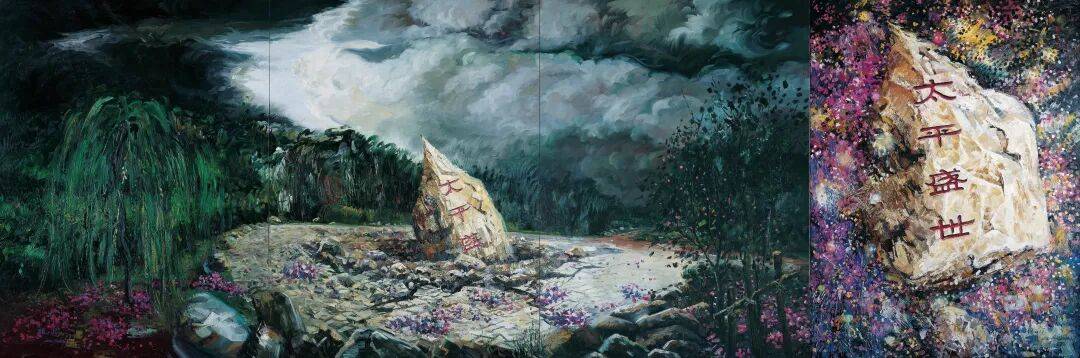
“Because I’m from the north, after I got to Beijing I was especially comfortable with both the climate and the social atmosphere. I didn’t go through a period of adjusting from unfamiliarity to familiarity.” Xu Xiaoguo, Dreaming of White Swan in Some Year and Some Month, 2009; Xu Xiaoguo, Tiangong Kaiwu: Great Peace and Prosperity, 2007; Xu Xiaoguo, Blue Velvet, 2009. “When I got to Beijing, I had many exhibition invitations and was preparing to start painting for shows. At the same time, there were many collection agreements already in place, both domestic and international, including some with fairly important art institutions abroad, and many had already paid deposits.
Then by September 2008, the global economic crisis broke out, and many of those collection agreements were simply torn up. Overnight, life lost its security.” Coming from Shanghai to Beijing, Xu Xiaoguo had arrived with great expectations, but the economic crisis sent the art market into a slump, and no one was buying paintings. In Beijing, an artist could survive only by selling work. Those hard conditions lasted from the second half of 2008 until 2012, a full three and a half years.
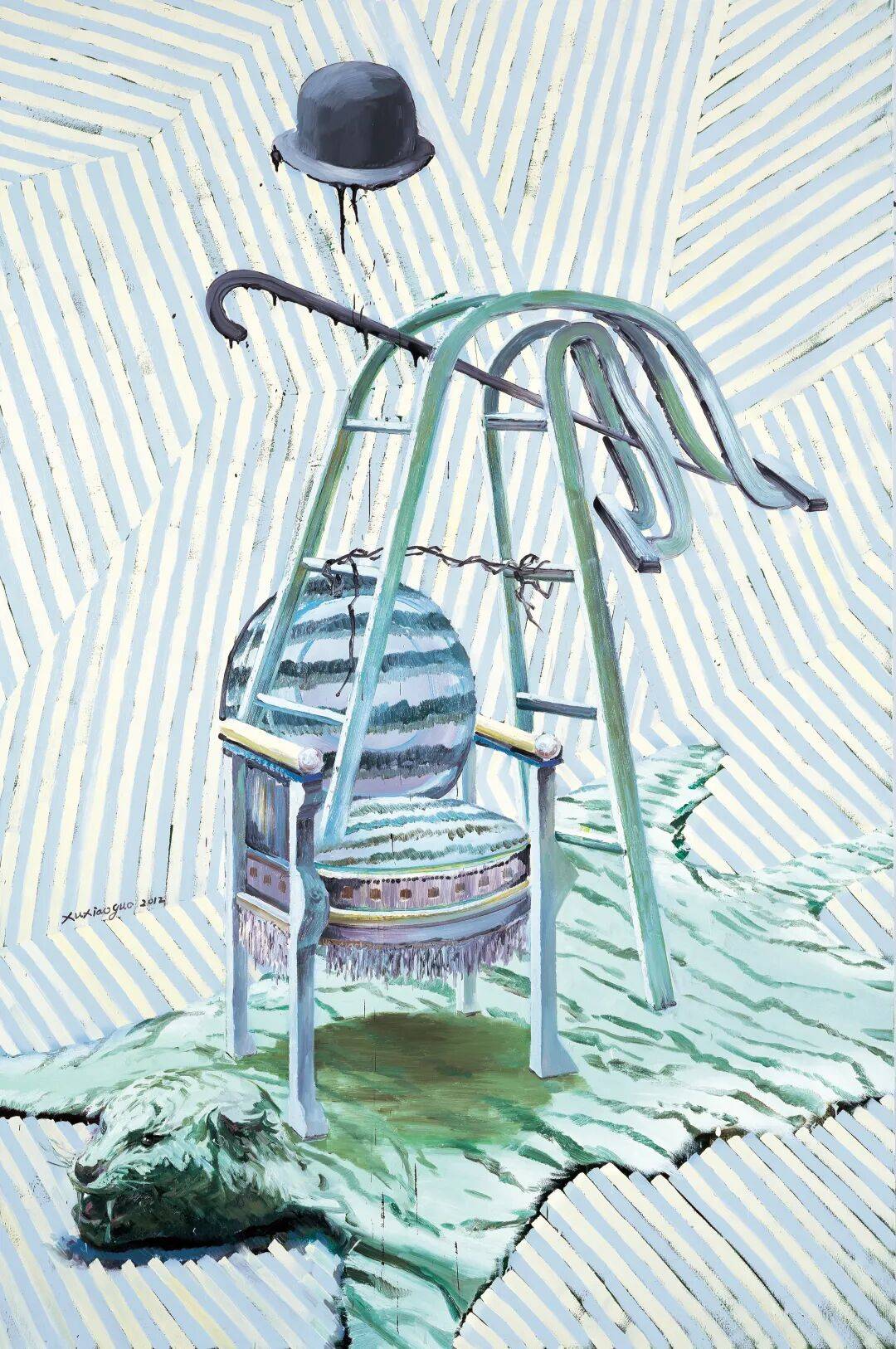
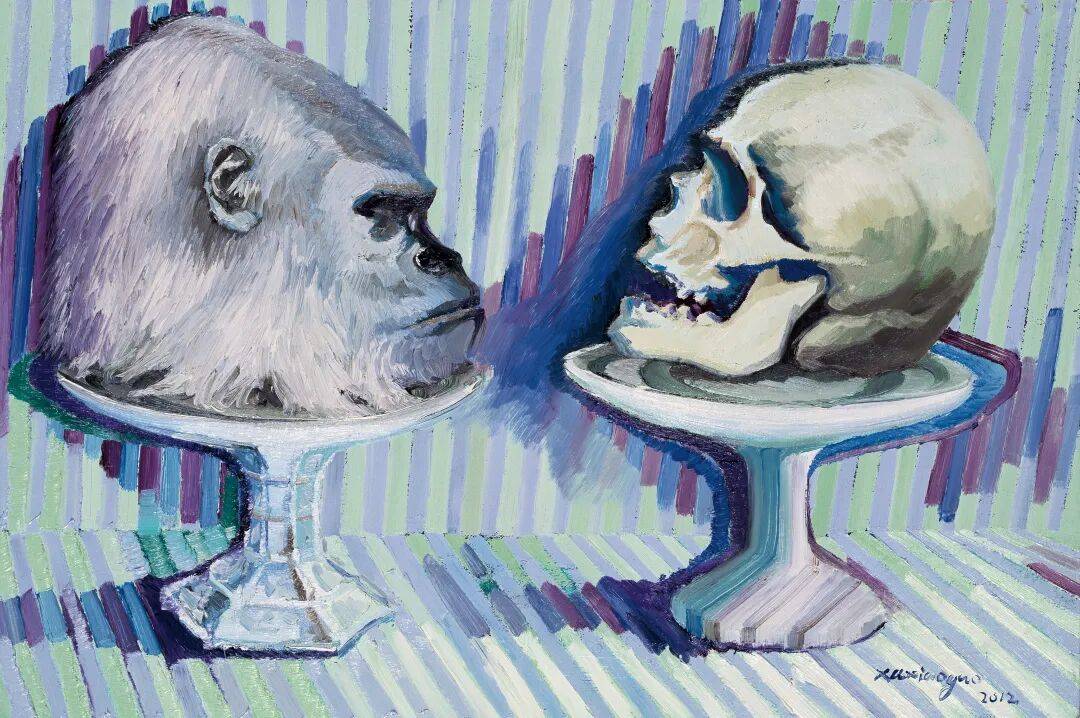
Xu Xiaoguo solo exhibition at Whitebox Art Center Beijing, 2012; Xu Xiaoguo, Mangrove, 2012; Xu Xiaoguo, Suitcase, 2011; Xu Xiaoguo, Albino, 2012; Xu Xiaoguo, Two Fruit Platters, 2012; Xu Xiaoguo, Shepherding, 2010; Xu Xiaoguo, Painted Cage, 2012. “When I had just arrived in Beijing, I was full of ambition and immediately rented a studio of 300 square meters, exactly twice the size of the one in Shanghai.
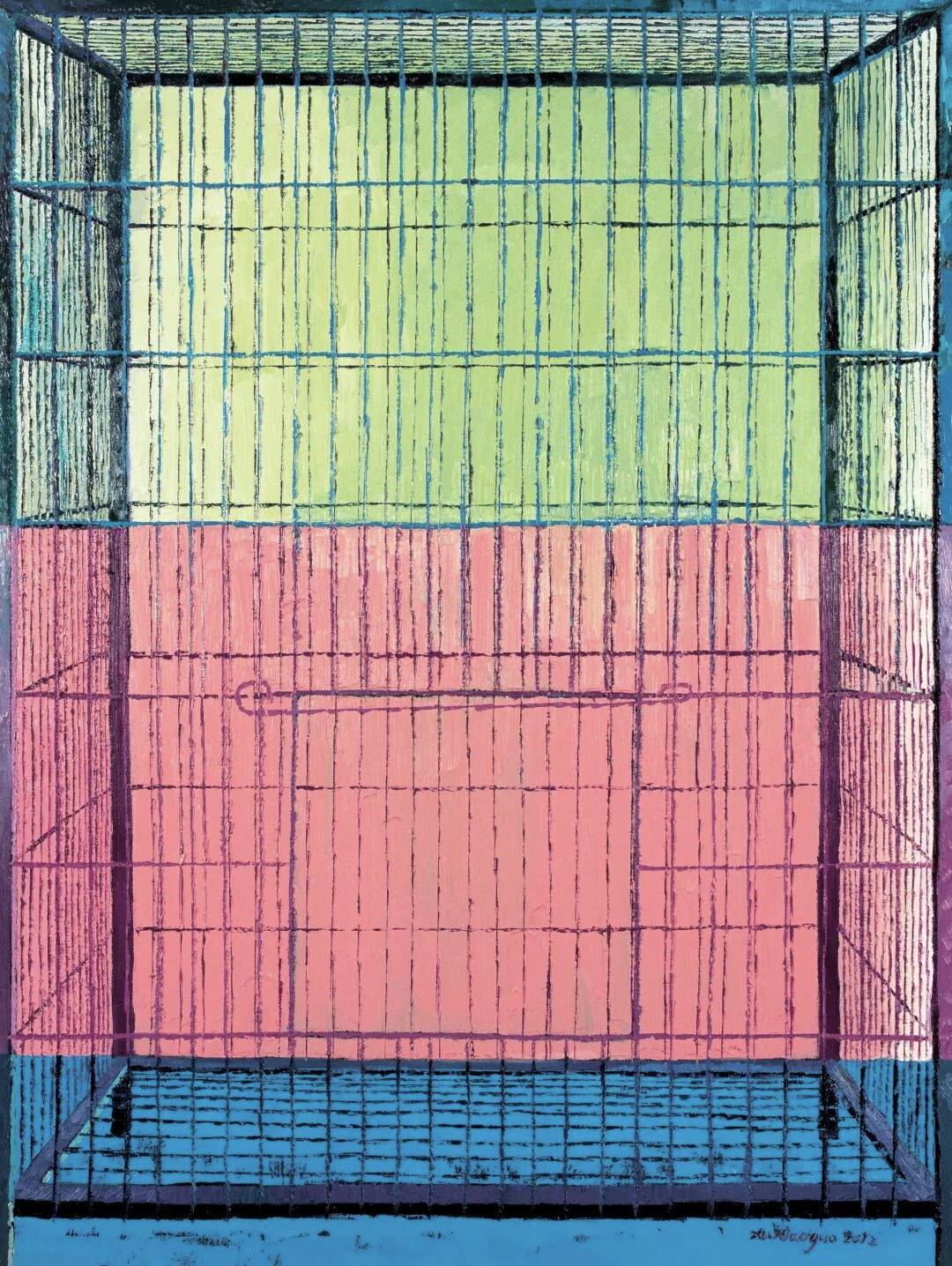
But later the work wouldn’t sell, and I still had to pay rent. I was truly poor. By the time I had the exhibition at Whitebox in 2012, I had a little over ten thousand yuan left in my pocket. My wife was pregnant, and for her birthday she wanted an iPad. After buying it, there was really nothing left. But at the time I wasn’t afraid of anything; I had a lot of nerve.” Recalling that grueling period ten years ago, Xu Xiaoguo was full of feeling. It was also in 2012 that he painted his first “Cage” picture, depicting his own dog crate.
He had just had his first child then, and the inner strain was severe. He felt completely unable to control himself.
“I just stared at the dog crate, and I felt that cage was me.” Fortunately, after the 2012 Whitebox exhibition, it was as if things had bounced back from bottoming out, and everything in life began moving in a better direction. His work, too, entered an entirely new phase after that. He realized that his sensuous knowledge of reality could no longer answer many of the questions he encountered in painting, so he drew back from describing the real world and the surrounding environment and returned instead to reflection on painting and visual perception.
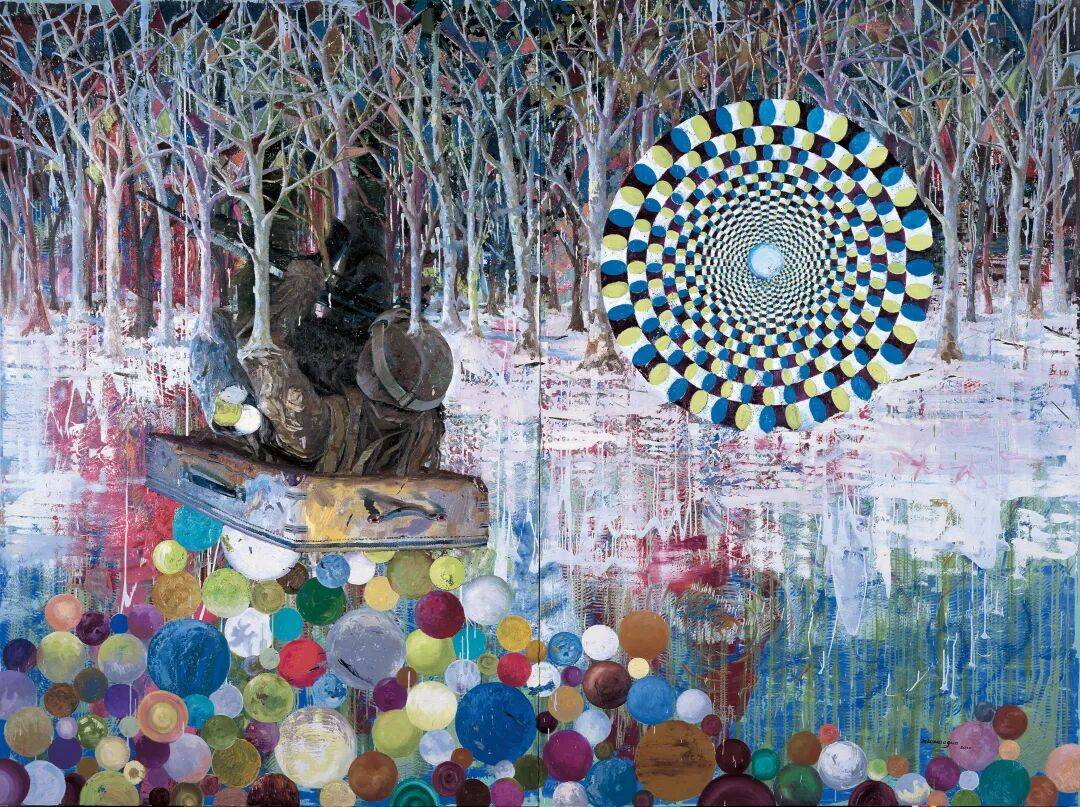
Xu Xiaoguo solo exhibition: Spatial Patterned Body, exhibition site, Today Art Museum, 2014; Xu Xiaoguo, Big Cage 6, 2013; Xu Xiaoguo, Spherical Organization 1, 2013; Xu Xiaoguo, White Woods, 2013. In the 2012 exhibition, the “Small Country” series offered a new pictorial interpretation of what seems at first an intensely contradictory question: how can a “pure image” become a classic?
Mickey heads, skulls, and ape heads; hats, chairs, and suitcases: these seemingly unrelated images, subjected to the artist’s lucid inquiry, came to seem a little more plausible, even to acquire a kind of blackly comic narrativity. In 2014, in his solo exhibition at Today Art Museum, he “played” a game of forms, lines, color, plane, and space. As the exhibition title, Spatial Patterned Body, suggests, stripes were the crucial element in this body of work.
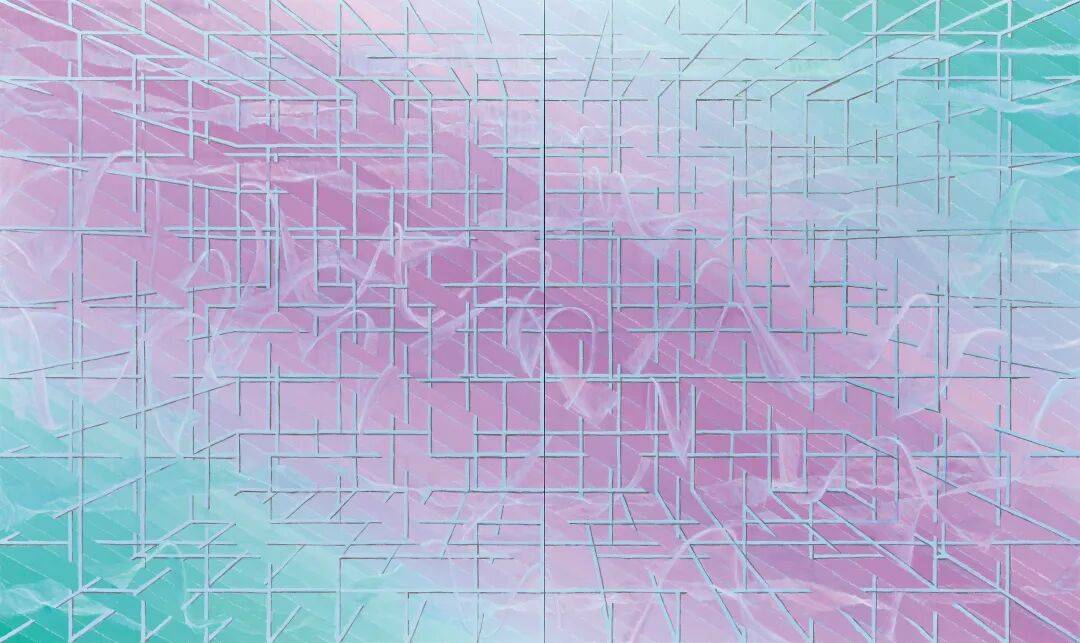
They could be meaningless visual experience, stripes simply being stripes; they could also serve as the structural framework composing the “cages” in the paintings, a kind of rack for holding colored spheres; at the same time, they could be traces extracted and refined from objects like zebras, clothes hangers, and leaves, then recombined into a new visual experience. Xu Xiaoguo solo exhibition at Tang Beijing, 2015; Xu Xiaoguo, Big Cage: Boundary, 2015; Xu Xiaoguo, Order of Experience 1, 2014; Xu Xiaoguo, The Analogical Maze 1, 2014; Xu Xiaoguo, Spherical Organization 2, 2014; Xu Xiaoguo, Spherical Organization 2, 2014-2015. In his 2015 solo exhibition at Tang Beijing, the “Cage” series evolved: zebras and spherical organizations had been folded into the crisscrossing lines of the cages, while color, deliberately or not, split those lines apart.
The patterns in the paintings seemed alive, growing wildly on their own, always ready to begin drawing an even newer and larger image, at once disorderly and free, yet also planned and organized.
Xu Xiaoguo: In an Age of Sealed-Off Anxiety, Inventing “Starlight” to Soothe the Heart
“Line,” meanwhile, became a flowing language, impossible to break, impossible to cut, almost spilling beyond the canvas and pouring into reality. Xu Xiaoguo solo exhibition at Tang Beijing, 2019; Xu Xiaoguo, Third International Tower, 2018-2019; Xu Xiaoguo, Landscape, 2017-2018; Xu Xiaoguo, White Form Beneath the Chandelier, 2018-2019; Xu Xiaoguo, Placebo Effect 1, 2018-2019; Xu Xiaoguo, Blue, 2019; Xu Xiaoguo, Texture 9, 2017; Xu Xiaoguo, Texture 11, 2017. In Xu Xiaoguo’s 2019 solo exhibition at Tang, the brilliant colors spread like mist through the air, and the matter inside the images seemed both present and absent, their boundaries both there and not there.
The hard lines and sharp edges of earlier series seemed, under the action of color, to have dissolved. What remained were only incomplete corners and gelatinous masses of red, blue, and white, swaying, separating, and tangling with one another. By this stage, Xu Xiaoguo had already begun to depict delicate inner feeling in his work, though on the level of painting there remained a rational luminosity. The relation between the two was subtle and ambiguous.
Xu Xiaoguo, Starlight 9, 2020; exhibition site of Xu Xiaoguo’s 2019 solo exhibition at Tang. By 2022, Xu Xiaoguo had returned to the Whitebox gallery that had helped revive his career. There he interpreted the “cage” by another method, and without fear extracted the “starlight” of his own inner memory onto the canvas, speaking to viewers with candor and openness. From the beginning of his practice to the present, each of Xu Xiaoguo’s solo exhibitions has shown a markedly different face in style and method.
He said that he once consciously told himself he had to paint different things, to arrive at new forms; now, however, he has grown calmer, and the changes in the work no longer need to pass through a process of frantic compression before they can emerge. Making art has become a way of expressing his attention to changes within himself as an individual. He no longer tries to interpret the outside world or depict reality, but instead gives greater respect to his own will and follows it where it leads. Over a 22-year artistic career, Xu Xiaoguo has found his own path: “The raw pain carried by the complexity of reality can give me a very strong, very precise response to reality and a means of expressing it. For an artist, that is actually a gift.”