Most of us are used to visiting museums by day. But after dark, when the lights are up, galleries can take on a more alluring, mysterious air. In China, institutions such as the Museum of Art Pudong in Shanghai and the Deji Art Museum in Nanjing have launched evening programs that are drawing ever larger crowds. In fact, museum nights became widespread in Europe and the United States as early as the 1990s, eventually evolving into the annual European Night of Museums each May......
By / Xirui Huang · 11 min read
Which museum late-night openings are worth experiencing in 2025?
Museum late hours in 2025 range from Shanghai Museum’s final-week 7×24 opening and regular evening visits at MAP and Deji Art Museum to programmes at M+, Tate Modern, the Louvre, Musée d’Orsay and MoMA. Extended hours, music, talks and performances offer working and younger audiences a quieter, more immersive way to visit.
Exhibition | Museums After Dark
Most of us are used to visiting museums by day. But after dark, when the lights are up, galleries seem to take on a more alluring, mysterious air. That helps explain why Chinese museums such as the Museum of Art Pudong in Shanghai and the Deji Art Museum in Nanjing have introduced “museum night” programs that are only growing more popular. In fact, museums across Europe and the United States were already holding evening events in the 1990s, a practice that has since evolved into the annual European Night of Museums each May.
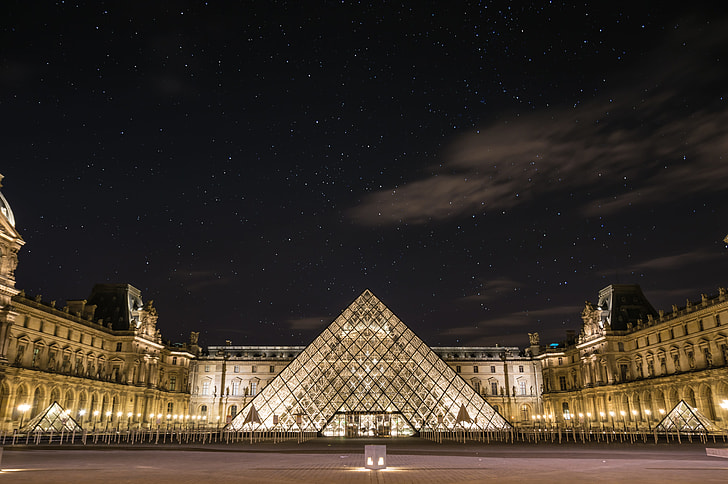
The Louvre at night; visitors dancing in the British Museum after dark. On May 17, 2025, for instance, thousands of museums in more than thirty countries lit up on the same night under the theme “Museums Light Up the Night.” In Paris, the Louvre became a palace of light and shadow, with a custom light show on its glass pyramid and jazz at the Musée d’Orsay. In Berlin, the Pergamon Museum revived the gates of ancient Babylon through immersive theater, while the Museum of Natural History opened for a “dinosaur night tour.” In Rome, beneath the Baroque dome of the Galleria Borghese, a midnight classical concert unfolded in concert with the contours of Bernini’s sculpture. In Amsterdam, the Van Gogh Museum digitally reimagined The Starry Night through light and projection.
Museums at night are very different from museums by day. In galleries thinned of crowds, viewers can linger more quietly with works of art; darkness, lighting, and music breathe new life into old collections. In Shanghai, Nanjing, Paris, Berlin, London, New York, and Los Angeles, a global after-hours museum movement is quietly taking shape. At the Museum of Art Pudong, a landmark building not only in Shanghai but across eastern China, four exhibitions are currently on view: Paths to Modernity: Masterpieces from the Musée d’Orsay, Paris 1874: The Impressionist Night, Chen Yifei: A Retrospective, and El Anatsui: After the Red Moon. All run through October 2025.
Of these, the Orsay exhibition is plainly one of the art events of the summer. The largest exhibition the Musée d’Orsay has ever mounted in China, and the only stop worldwide, it gathers more than one hundred original works by masters including Van Gogh, Monet, and Cézanne, sketching a panoramic account of the transformation of French art from the 19th century to the early 20th. The Museum of Art Pudong’s regular hours are 10:00-21:00, with last entry at 20:00; during the summer, from July 1 to August 31, hours are extended on Fridays, Saturdays, and Sundays to 9:00-22:00.
SECTION 01 | China region
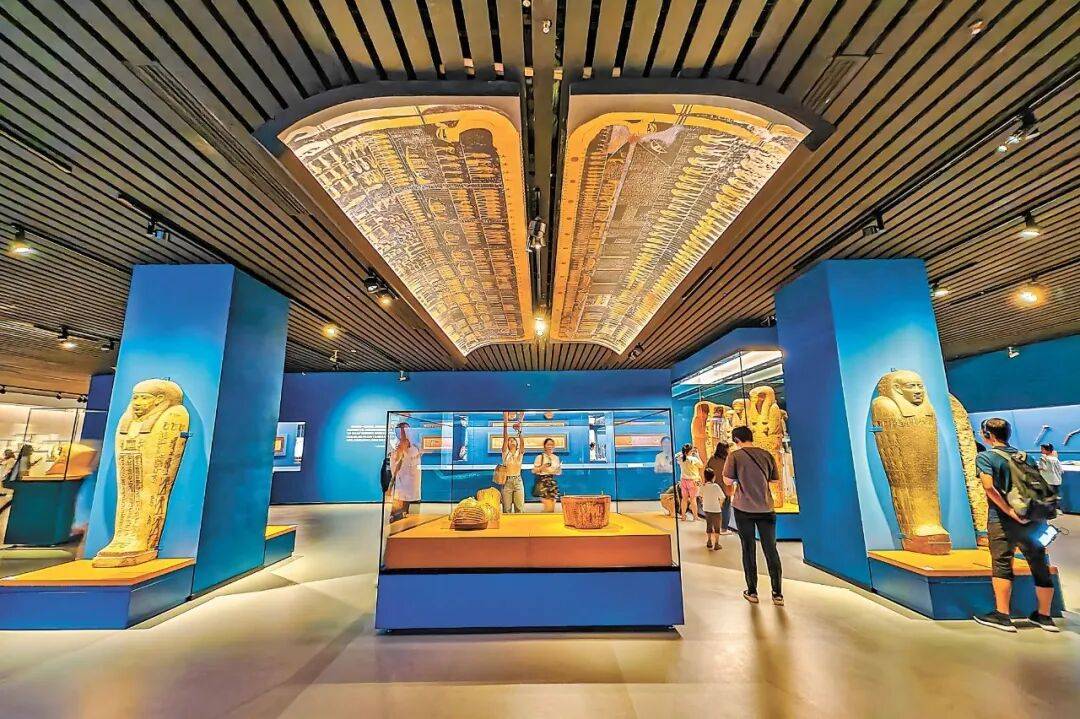
At the Shanghai Museum, the exhibition On Top of the Pyramid: The Civilization of Ancient Egypt, 2025; and viewers lined up outside the museum late at night. This summer, the Shanghai Museum’s ancient Egypt exhibition drew more than 2.77 million visits over its 13-month run, generating more than 760 million yuan in exhibition revenue and setting world records for attendance at a single ticketed special exhibition, total exhibition revenue, and overall media reach.
From July 1 to August 17, the Shanghai Museum’s People’s Square location added evening hours every day until 21:00. In the final week of the exhibition, it even entered “sleepless night” mode, inviting visitors to take part in an unprecedented “7 x 24-hour non-stop” viewing experience for the Egypt show. Many people queued outside deep into the night, helping set a world record for 168 consecutive hours of museum opening. Although the museum has now returned to its normal schedule, it seems likely that evening hours will return next summer.
At Nanjing’s Deji Art Museum, the exhibition Stillness and Motion Without End: Three Hundred Years of Floral Still Life, 2025. Since opening, the museum has maintained a tradition of nighttime visits. From 2024 to the present, its daily hours have been extended to midnight, making it the world’s only museum with a regular “midnight museum” model. Current exhibitions include the Van Cleef & Arpels high jewelry art exhibition Motion and Stillness in Form: A Century in Artful Telling; The Jinling Scroll Digital Art Exhibition; and the major collection show Stillness and Motion Without End: Three Hundred Years of Floral Still Life, the first systematic reconstruction of a three-hundred-year history of floral still life in East and West.
The exhibition brings together more than one hundred important works by Western masters including Monet, Cézanne, Picasso, and Mondrian, alongside Chinese artists who studied abroad, among them Sanyu, Wu Guanzhong, and Zao Wou-Ki. It has been described as the most influential flower-themed art exhibition of the past thirty years. At the same time, the digital artist Beeple is the subject of his first solo exhibition worldwide, Stories from an Artificial Future, with the international curator Hans-Ulrich Obrist serving as adviser. The exhibition presents in full all of Beeple’s landmark works, including Everydays and S.2122, along with the world premieres of the dynamic sculptures Exponential Growth and B.2124.
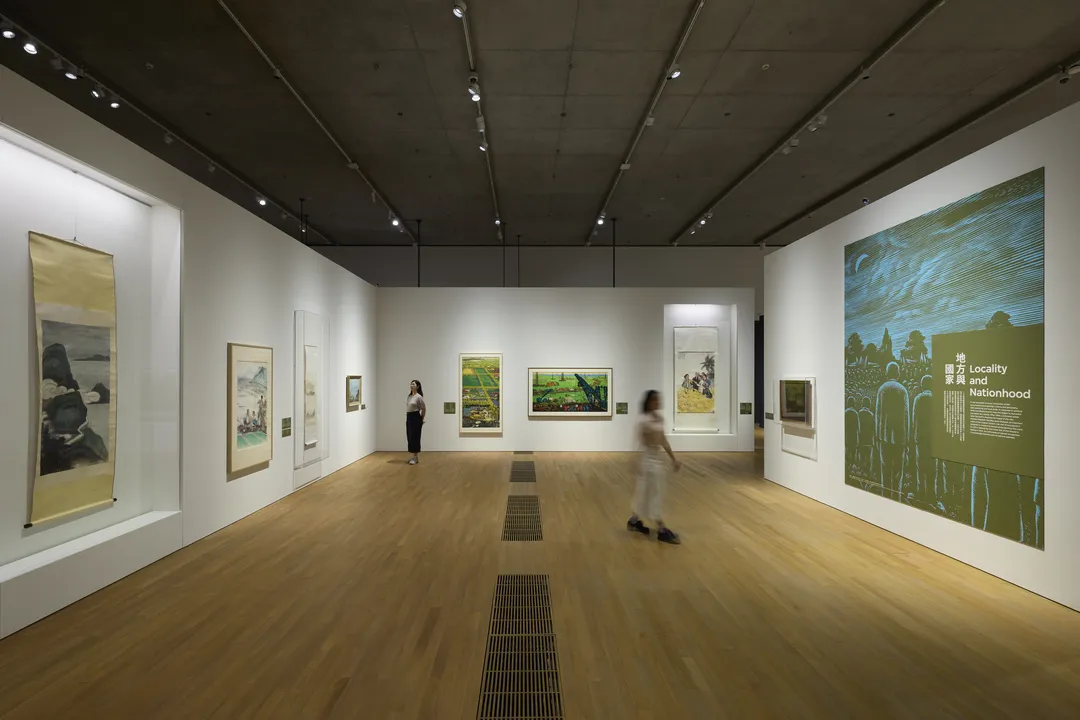
Hong Kong’s M+ Museum at night; Guangdong Modern: Art and Visual Culture, 1900s-1970s, installation view at M+, 2025. As a landmark art institution in Asia, often described as “Asia’s Pompidou Center,” M+ serves as a bridge in both geopolitics and cultural exchange. Every Friday, it extends its hours to 22:00. Current exhibitions include Guangdong Modern: Art and Visual Culture, 1900s-1970s; the permanent display of Uli Sigg’s collection; Shanshui: Echoes and Signals, which explores the tradition of landscape; Making It Matters, which considers the relationship between people and things through design and craft; and Courtyard of Detachments, a major exhibition by the Hong Kong artist Trevor Yeung.
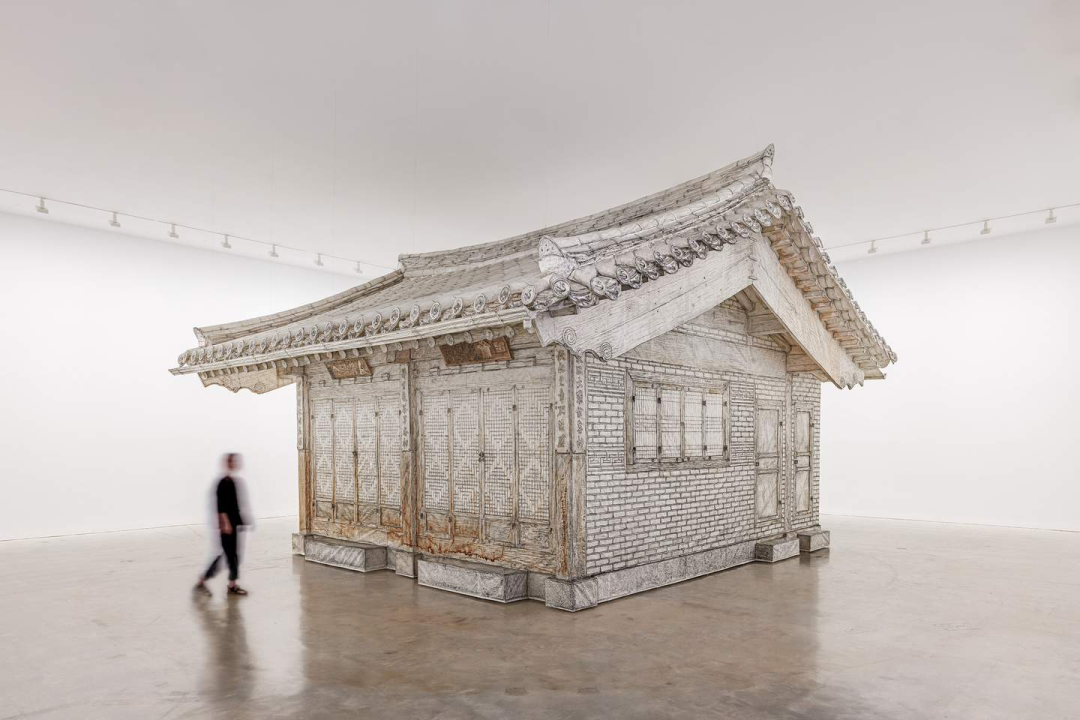
At Tate Modern in London, Do Ho Suh’s Walk the House, 2025. Every few months, museums in the Tate group, including Tate Modern and Tate Britain, stage evening events featuring lectures, seminars, live music, DJ sets, and other activities.
After Hours at the Museum
Among them, Tate Modern Lates, held once a month, has become a fixture of London’s art nightlife, typically continuing until 22:00. Current exhibitions at Tate Modern include Walk the House, by the Korean artist Do Ho Suh; Leigh Bowery!, a multidisciplinary retrospective honoring the British performance artist Leigh Bowery; and a major solo exhibition by the Australian Aboriginal artist Emily Kam Kngwarray.
At London’s V&A Museum, exhibition views. The V&A was among the earliest modern museums to make evening openings a regular feature, launching Friday Lates in 2001. Art, design, and performance are among the institution’s strengths, and there may be no better way to explore it than late at night. Except in January, May, and December, the V&A holds a notable event on the last Friday of every month, encompassing everything contemporary from visual culture to design, along with live DJ performances.
The most recent Friday Lates was themed On/Off, encouraging visitors to go “offline” in the digital age and to forge real connections through materials and sensory experience. Current exhibitions at the V&A include Making Egypt, on the links between ancient craft and modern design; Design and Disability, an exploration of inclusive design practice; and Marie Antoinette Style, on the fashion influence of the notorious beheaded queen Marie Antoinette.
The Louvre at night; galleries inside the Louvre. The Louvre is one of the largest art museums in the world, with holdings spanning ancient civilizations to the late 19th century, including archaeological objects from ancient Egypt, Greece, and Rome, as well as Renaissance and modern painting and sculpture. Its most famous works include Leonardo da Vinci’s Mona Lisa, the Venus de Milo, and the Winged Victory of Samothrace.
On Wednesdays and Fridays, the Louvre stays open until 21:45; on other days it closes at 18:00. Since 2019, on the first Saturday evening of each month, from 18:00 to 21:45, the entire museum has been open to the public free of charge. The original aim of nighttime opening was to give more local residents in Paris, especially young people and working adults, a chance to visit after work. In the 2019 reform, the museum specifically said that it hoped free evening opening would “attract those who do not usually come to museums.”
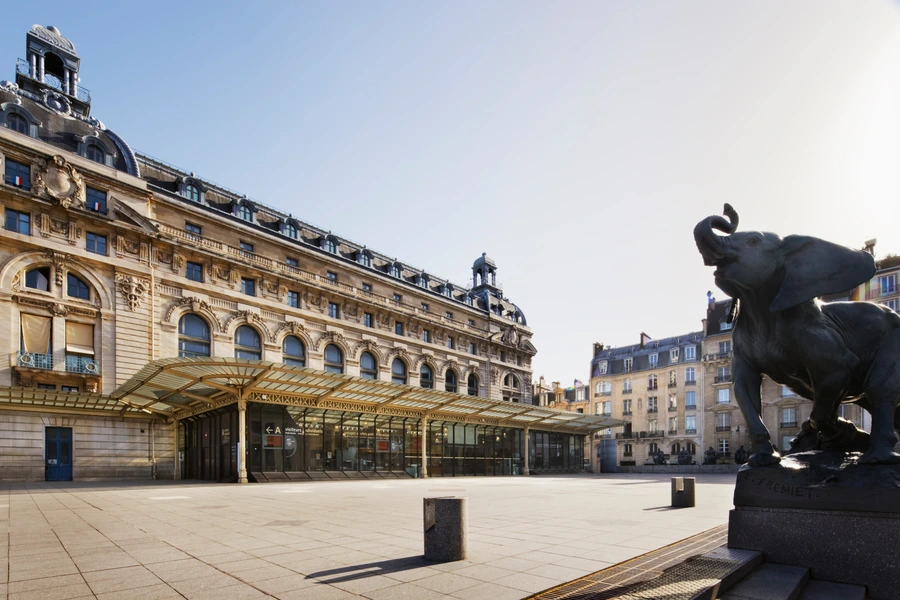
In addition to the permanent collection, current special exhibitions include Near Eastern Antiquities in Dialogue and Africa Rising II by Barbara Chase-Riboud. In Paris, the Musée d’Orsay, housed in a former late-19th-century railway station, is renowned for its unmatched collection of Impressionist and Post-Impressionist art.
Its holdings include representative works by Monet, Degas, Van Gogh, Cézanne, and Renoir, as well as 19th-century sculpture and decorative arts. The Musée d’Orsay has a long-standing tradition of evening opening: every Thursday it remains open until 21:45, while on other days it closes at 18:00. In a comparatively quiet setting, visitors can look at Monet’s Water Lilies or Van Gogh’s Starry Night and experience the different atmosphere created by shifting light.
Unlike the V&A or Tate, with their DJs and party atmosphere, the Orsay’s evening hours place more emphasis on a calm, immersive viewing experience. Current exhibitions include The Construction of the Suez Canal - Photographs by Louis Robert Cuvier, an artistically and historically significant photographic record of the canal’s construction; The Creators and the Dreyfus Affair, on how 19th-century art responded to political events and expressed ideas; and Architecture and its Decoration: Urban Finery.
The Prado at night. The Prado Museum is Spain’s most emblematic temple of art, known for European painting from the 16th through the 19th centuries, especially works by Spanish masters such as Velázquez, Goya, and El Greco, alongside the Italian painters Titian and Fra Angelico and the Flemish master Rubens.
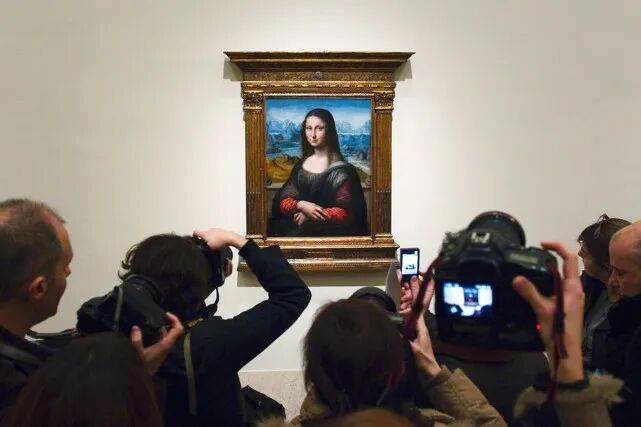
Its signature works include Las Meninas, La Maja Desnuda, and Charles V at Mühlberg. The Prado’s Mona Lisa was previously lent to the Museum of Art Pudong in Shanghai. On March 4, 2023, the Prado launched a new nighttime opening program, El Prado de Noche.
Once a month, usually on the first Saturday, the museum opens from 20:30 to 23:30. It is the first time in the Prado’s history that evening opening has been institutionalized. Each night session grants access only to selected galleries, following a phased-opening model. The first phase opened the Galería Central in the main building, showing canonical works by Velázquez and Titian. Live music is also presented in the museum and broadcast on radio.
Current exhibitions include a selection of works by the 19th-century Spanish painter Antonio Muñoz Degrain; So Far, So Close: Guadalupe of Mexico in Spain, which examines the Virgin of Guadalupe as a religious and identity symbol in transatlantic culture through about seventy paintings, sculptures, and prints; and the first major solo exhibition in Spain devoted to Paolo Veronese, exploring the influence of the Renaissance Venetian artist on the development of Spanish art and his painterly technique.
The Vatican Museums, the Sistine Chapel and its dome, and sculpture in the Vatican Museums gardens. The Vatican Museums are among the world’s most important art repositories, encompassing objects from ancient Egypt, Greece, and Rome; Renaissance masterpieces including the Raphael Rooms and frescoes by Botticelli; and Michelangelo’s Sistine Chapel ceiling and The Last Judgment. Since 2007, the Vatican Museums have extended hours on Fridays each year from April through October, remaining open until 22:30.
As is well known, daytime lines to see the Sistine Chapel can extend hundreds of meters beyond the entrance to the galleries. Evening opening first helps relieve the daytime crush of visitors, but it also changes the experience itself: to see the Sistine Chapel, corridor frescoes, and Raphael’s paintings under moonlight and artificial light is something the daytime cannot match.
SECTION 03 | Americas Region
The Friday in the Museums concert series, performed by various ensembles in the Cortile della Pigna or the Braccio Nuovo gallery, has become a regular feature. Berlin, meanwhile, is Germany’s center of culture and contemporary art, with a large number of state-run and private museums, galleries, and art spaces. At the former Stasi headquarters, the 13th Berlin Biennale, installation view in a space marked by the symbols of historical repression, 2025.
The city’s culture of evening opening is expressed mainly through Museum Thursday and the annual Lange Nacht der Museen, or Long Night of Museums. Many major museums with regular evening hours typically stay open on Thursdays until 20:00 or 21:00. They include the KW Institute for Contemporary Art, which is currently hosting the Berlin Biennale and whose exhibitions focus on experimental and internationally leading-edge contemporary art.
Other institutions include Deutsche Bank’s art space, PalaisPopulaire, and Hamburger Bahnhof, where current exhibitions include the Czech artist Klára Hosnedlová’s large-scale installation Embrace and a major solo exhibition by the Korean artist Ayoung Kim. At the Neue Nationalgalerie, installation view of Gerhard Richter’s 100 Works for Berlin, Berlin, 2025, the museum likewise stays open until 20:00 every Thursday. Its collection includes modernist masters such as Picasso and Kandinsky, while current special exhibitions include Yoko Ono’s Dream Together and 100 Works for Berlin, a solo exhibition by Gerhard Richter, one of the most important figures in contemporary art history.
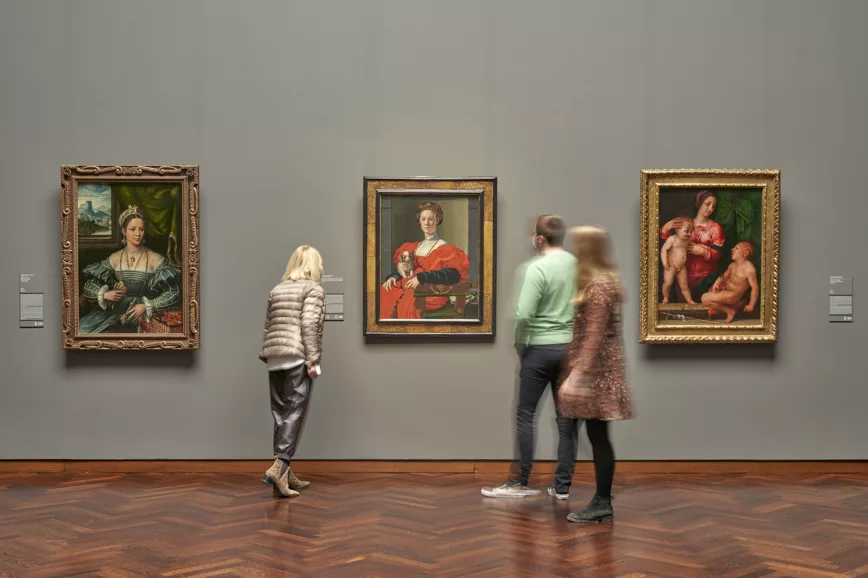
At Frankfurt’s Städel Museum, gallery views. Founded in 1815, the Städel is one of Germany’s oldest civic art museums. Its collection covers European art from the 14th century to the present, including works by Jan van Eyck, Rembrandt, and Vermeer; 19th-century Impressionism and modernism by artists such as Monet and Cézanne; and contemporary art by Gerhard Richter, Baselitz, and others. Every Thursday the museum stays open until 21:00, often accompanied by special lectures, films, or musical performances.
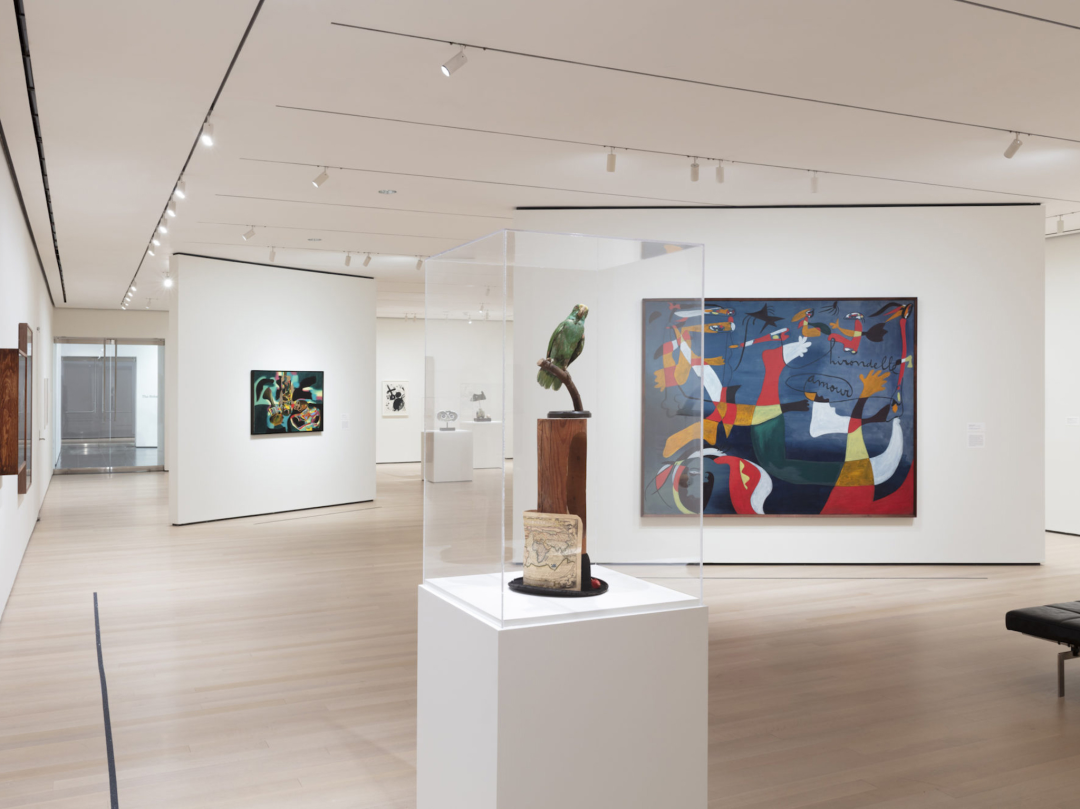
At New York’s Museum of Modern Art, gallery views, 2025. MoMA is among the world’s most important museums of modern and contemporary art, renowned for its holdings of 20th-century avant-garde work. They include Van Gogh’s The Starry Night, Picasso’s Les Demoiselles d’Avignon, and Dalí’s The Persistence of Memory, as well as many works by Jackson Pollock, Andy Warhol, Rothko, and others. On Friday nights, the museum stays open until 20:30 and admission is free for everyone.
Current exhibitions include Woven Histories: Textiles and Modern Abstraction; Pirouette: Turning Points in Design; New Photography 2025: Lines of Belonging; and Hilma af Klint: What Stands Behind the Flowers.
At the Museum of Fine Arts, Boston, gallery views. The museum is known for its Impressionist holdings and its Asian art, including a large number of works by Monet, Renoir, and Van Gogh, as well as Chinese calligraphy and painting, Japanese ukiyo-e, and ancient Egyptian mummies. Since 2022, the museum has stayed open every Friday until 22:00, while its quarterly MFA Late Nites continue until 1:00 A.M., with DJs, dancing, and pop-up performances throughout the galleries.
Current exhibitions include Van Gogh: The Roulin Family Portraits, which focuses on Van Gogh’s emotional connection with the Roulin family and uses portraiture to explore family and intimacy; Rachel Ruysch: Artist, Naturalist, and Pioneer; Qi Baishi: Inspiration in Ink, featuring more than forty ink paintings and concentrating on his contribution to the modernization of Chinese ink art; and The Visionary Art of Minnie Evans, which merges religious belief with inspiration drawn from nature.
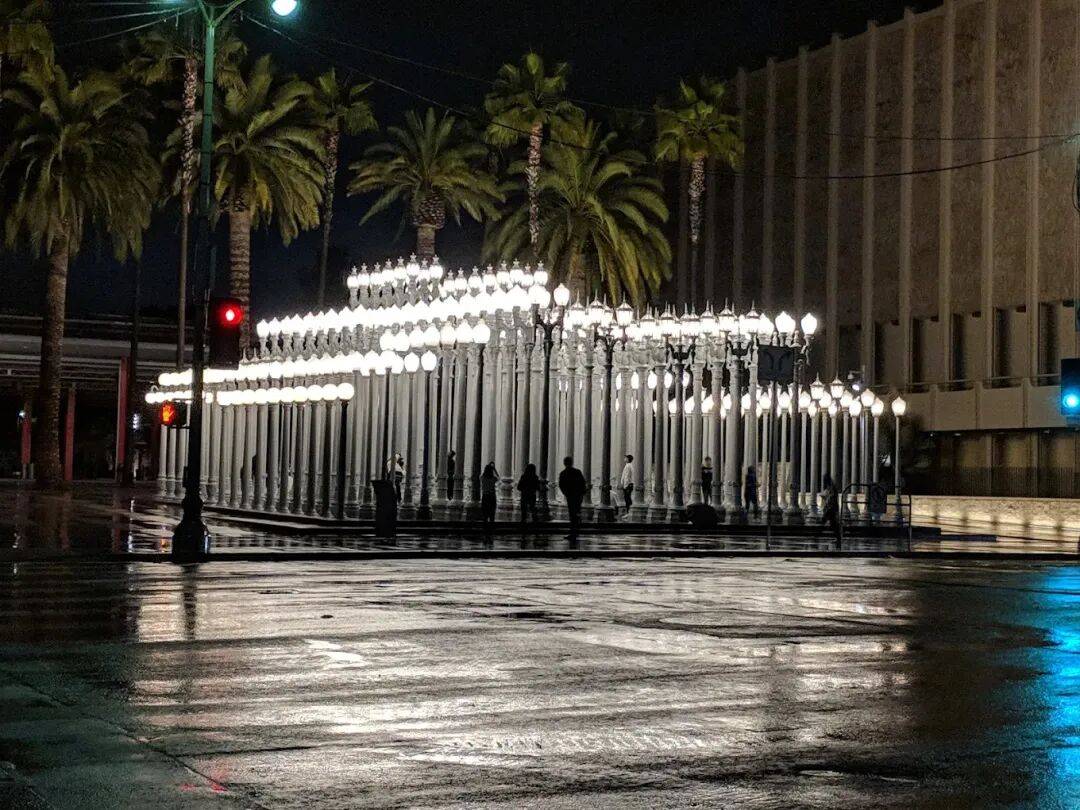
At the Los Angeles County Museum of Art, Chris Burden’s Urban Light in the plaza at the entrance, 2024; and a stone installation at LACMA. LACMA is the largest art museum in the western United States. Its collection ranges across ancient Latin American art and Asian art, European painting and sculpture, and contemporary American and global art, along with a substantial body of Impressionist work. Its signature public artwork, Chris Burden’s Urban Light, has become an obligatory stop for visitors to Los Angeles.
Since the 1990s, LACMA has presented the Jazz at LACMA series every Friday in the outdoor plaza, while the museum itself remains open until 20:00. Current exhibitions include Youssef Nabil’s I Saved My Belly Dancer, a video installation that merges cinematic and photographic contexts; Artist Selects: Frances Stark, Periodic Love and Perpetual War; and a calligraphy exhibition, as well as a major solo exhibition by the Shanghai artist Zheng Chongbin, centered on light, water, tonality, and California imagery.