The Woman Behind the World’s Largest Collection of Contemporary Chinese Art
Judith Neilson, an Australian philanthropist born in Zimbabwe, has spent twenty-five years assembling what is believed to be the world’s largest collection of contemporary Chinese art: nearly 4,000 works made after 2000 by more than 800 artists......
By / Xirui Huang · 10 min read
Why is Judith Neilson’s White Rabbit Collection important?
Over 25 years, Judith Neilson assembled nearly 4,000 works made after 2000 by more than 800 Chinese artists, widely regarded as the world’s largest collection of contemporary Chinese art. She founded Sydney’s White Rabbit Gallery in 2009 and built the Dangrove storage and research centre, while acquiring directly from artists and pledging not to resell their work.
The Woman Behind the World’s Largest Collection of Contemporary Chinese Art
Judith Neilson, an Australian philanthropist born in Zimbabwe, has assembled what is believed to be the world’s largest collection of contemporary Chinese art. Over twenty-five years, she has acquired nearly 4,000 works made after 2000 by more than 800 Chinese artists. She began collecting after visiting China in the 1990s and founded the WHITE RABBIT CONTEMPORARY CHINESE ART COLLECTION, hereafter the White Rabbit Collection. In that quarter century, Judith has met and spoken with almost every artist herself.
“I like dealing directly with artists and buying from their studios. It allows me to see the truest side of the artist. Very few people get to experience that, and it has also allowed me to collect the best works,” Judith said. In 2009, she founded White Rabbit Gallery in Sydney, just steps from the city’s Chinatown. Sixteen years on, it remains the only museum outside China devoted exclusively to contemporary Chinese art.
SECTION 01 | Rejecting Auction Houses, Collecting Solely on Intuition
With an almost obsessive devotion and a singular eye, Judith has woven a flowing visual epic of contemporary China, making herself one of the most faithful visual chroniclers of a period of rapid social transformation. She once made a promise to every artist: she would never sell their work.
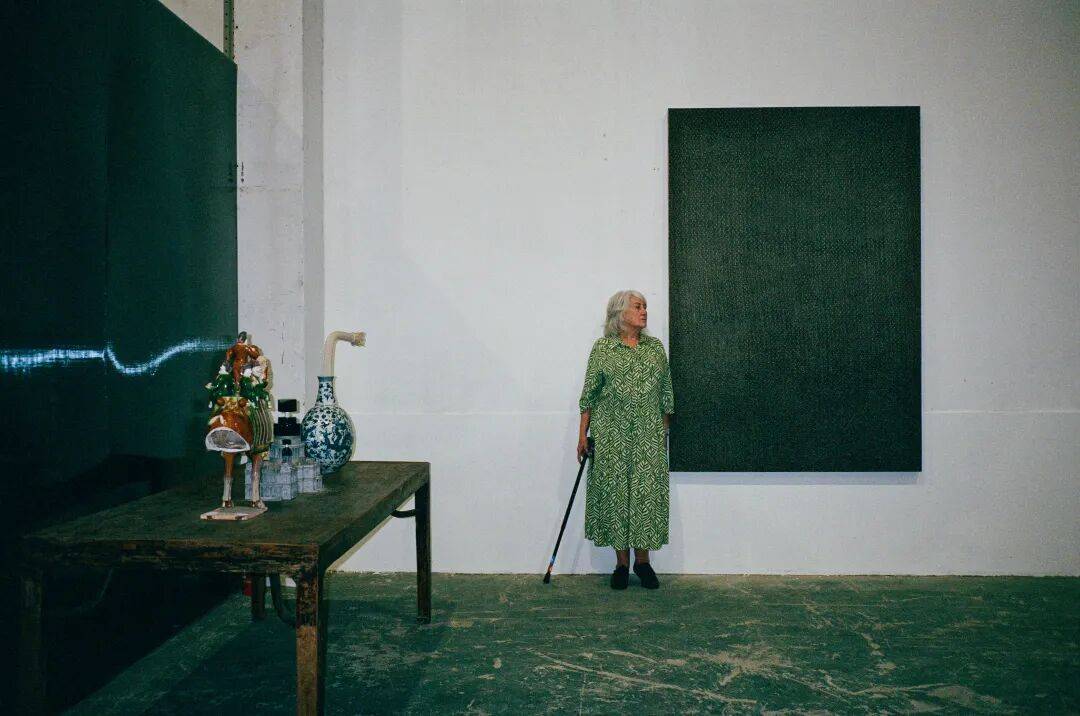
“If you remove even one work from the collection, the whole ‘China story’ is incomplete,” Judith told us firmly. In July, we spoke with her remotely about her twenty-five years of mutual involvement with contemporary Chinese art. A photograph of Judith Neilson taken in artist Xu Zhen’s studio in 2024, by Cheng Gong, accompanies this chapter of the story. Her connection to contemporary Chinese art began with a very simple work she bought in Sydney in the 1990s.
“At the time, I had absolutely no idea who the artist was, whether the artist was male or female, or where the work came from,” she recalled.
“It was completely different from any artwork I had seen in Australia. It was full of strange imagination, and I felt that this artist did not care what anyone thought of him; he was simply doing what he believed was right.” The work was Wang Zhiyuan’s wall sculpture One Life Two, 1997. Two years after acquiring it, in 1999, she made her first trip to China, and from then on there was no turning back. She began traveling to China once every three months and, over the years, visited more than 1,000 artists’ studios.
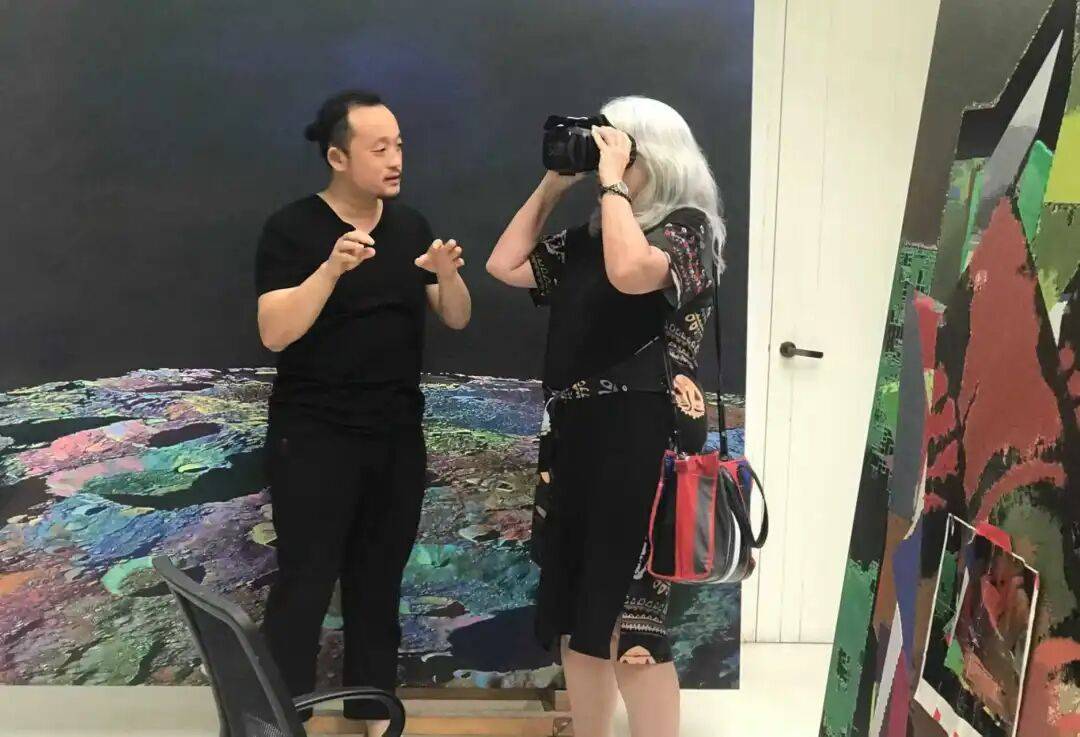
She told us that her collection has always begun in a purely immediate connection with the work. “I didn’t know where this art came from or what it meant, but I connected with it instantly.” That connection had nothing to do with academic labels or market value; it came simply from some inner tremor. Photographs show Judith Neilson dining with artists, and in Wang Yuyang’s studio in 2019. Unlike other international collectors focused on the ’85 New Wave or the Political Pop of the 1990s, Judith fixed her gaze firmly on Chinese contemporary art after 2000.
“Uli Sigg has a very good collection that covers the history of contemporary Chinese art from the 1980s to the millennium, but I had no intention of repeating what he already had or the system he had built,” she explained. “I wanted more to understand future trends and move in that direction.” The White Rabbit Collection’s twenty-sixth exhibition, BIG IN CHINA, reflects that outlook. Judith’s artists span generations, from those born in the 1940s to those born around the millennium, including figures such as Li Shan and Liang Shaoji of the post-1940 generation; Zhang Peili, Geng Jianyi, Xu Bing, and Zhang Xiaogang of the post-1950 generation; Liu Xiaodong, Yu Hong, Yin Xiuzhen, Wu Shanzhuan, Lin Tianmiao, Liu Jianhua, He Yunchang, and Tang Song of the post-1960 generation; Xu Zhen, Yang Fudong, Jiang Zhi, Li Nu, Liu Wei, Jiang Pengyi, Qiu Jiongjiong, Wang Yuyang, and Liao Guohe of the post-1970 generation; Hu Yinping, Lu Pingyuan, Na Buqi, Li Binyuan, Zhang Ding, Zhao Zhao, Sun Xun, Li Wei, Ju Ting, Shang Liang, and Pu Yingwei of the post-1980 generation; and Shan Huiqian, Zhang Ji, Li Hanwei, Xia Han, and many other active makers of the post-1990 generation, along with countless other participants and practitioners in contemporary Chinese art.
Her way of collecting may owe something to her confidence in her own eye. She was born in Zimbabwe, studied art and design in South Africa, and, after moving to Australia, worked in advertising. She also tried painting, though she jokes that “the result was terrible.” Later, through the fortune she built with her former husband, Kerr Neilson, as co-founder of Platinum Asset Management, now Australia’s largest hedge-fund investment company, she became both a well-known investor and philanthropist, and someone seasoned by no small number of reversals and revelations about human nature. The White Rabbit Gallery’s twenty-first exhibition, A FAIRY TALE IN RED TIMES, stands nearby in this account.
“It is precisely because I try as hard as I can to accept all kinds of things that, when I see a good work, I understand how much time artists have spent on it, as well as their vision and their way of thinking, and can therefore give them respect,” Judith said. White Rabbit Gallery’s twenty-second exhibition, THEN, belongs to that same story. She has never thought of what she does as having anything to do with commerce, and the market value of an artist means nothing to her. What she cares about is a kind of “instant gratification”: “I’m not interested in what an artwork is saying or who made it . . .”
“I have to like it. If a work requires a particular story in order to be understood, it won’t enter my collection.” Judith rejects the secondary market and insists on going deep into artists’ studios.
“That direct, intimate interaction has helped me build deep friendships with many artists that go beyond ‘buyer’ and ‘seller.’ We have shared many happy and sad experiences together, and I hope those friendships will continue.” In 2020, she partnered with the National Gallery of Victoria in Melbourne on the Xu Zhen solo exhibition XU ZHEN®: ETERNITY VS EVOLUTION. For that very reason, we found that Judith does not simply collect work from one fixed period in an artist’s career; she collects over the long term, in stages, across different periods and styles, because, to her mind, that is a way of defending the integrity of art.
“Some artists remain focused on a single theme, but they keep changing their mode of expression. They may move from painting to sculpture, then to film. That is pure contemporary art. We can see those changes every year. Especially now, things are changing very fast. I may just have bought a work, and when I come back six months later, someone may have made something entirely new using what we have discovered or learned today,” Judith said. White Rabbit Gallery opened in Sydney in 2009, and its exterior still carries that founding moment.
The name White Rabbit came from a cheap little roadside Chinese figurine she happened to see. “It was a child with a rabbit set into its chest, and I thought it was a very suitable name for a gallery. It isn’t China’s White Rabbit candy, and it isn’t the rabbit from Alice in Wonderland. It is simply called White Rabbit,” she said. In fact, the idea of founding a museum had been circling in her mind for ten years already.
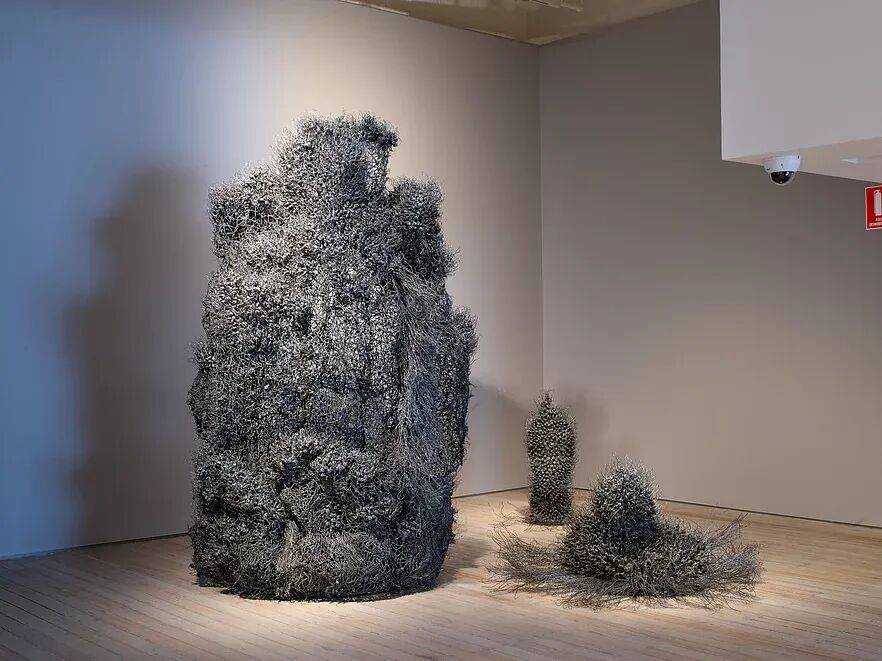
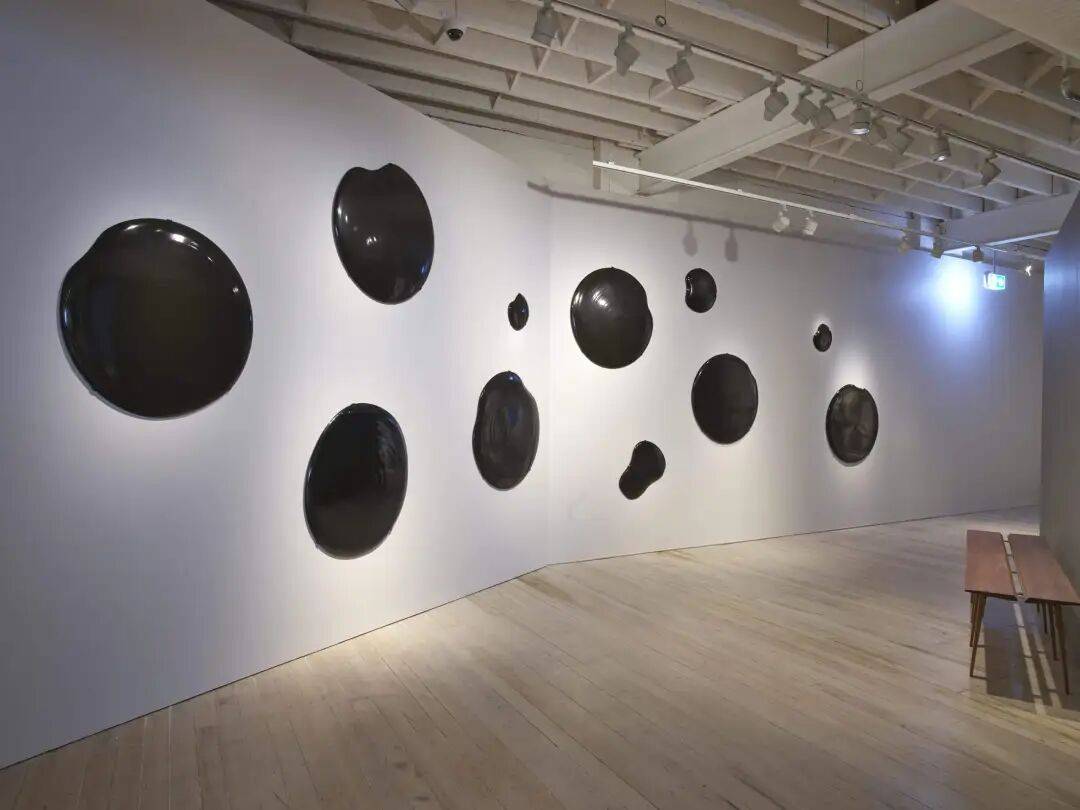
“When I first started collecting contemporary Chinese art, I thought to myself how wonderful it would be if I had a place where these works could be shown to the West, and where Australians could also come see them and form their own views. There are more artists in China than anywhere else in the world, so you always see the worst, the best, the controversial, the highly topical.” The interior of White Rabbit Gallery was built to hold exactly the kinds of works that many people considered too difficult to preserve, too large, too hard to show and store, and ultimately too resistant to commercialization.
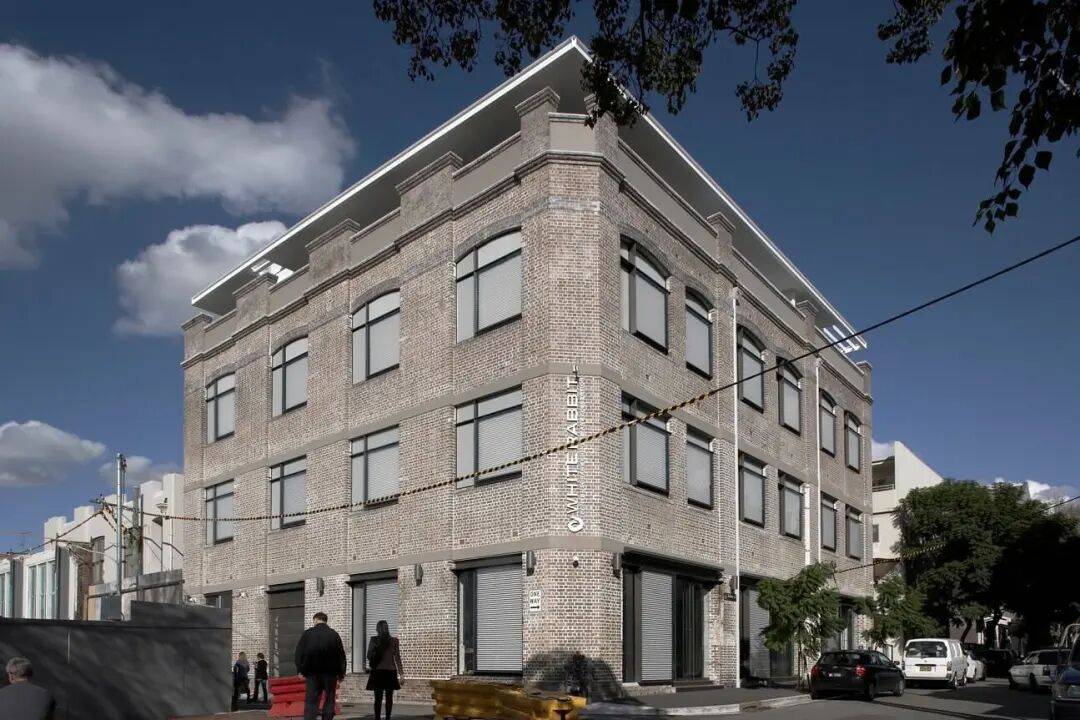
The building itself is worth attention. It was originally a Rolls-Royce service garage from the 1940s, a freestanding warehouse-type structure that the architect William Smart transformed into a four-story venue for contemporary art. The renovation kept the heavy red-brick exterior walls and replaced the old metal-framed windows with distinctly sculptural louvered “light boxes.”
Interview | The Woman Behind the World’s Largest Collection of Contemporary Chinese Art
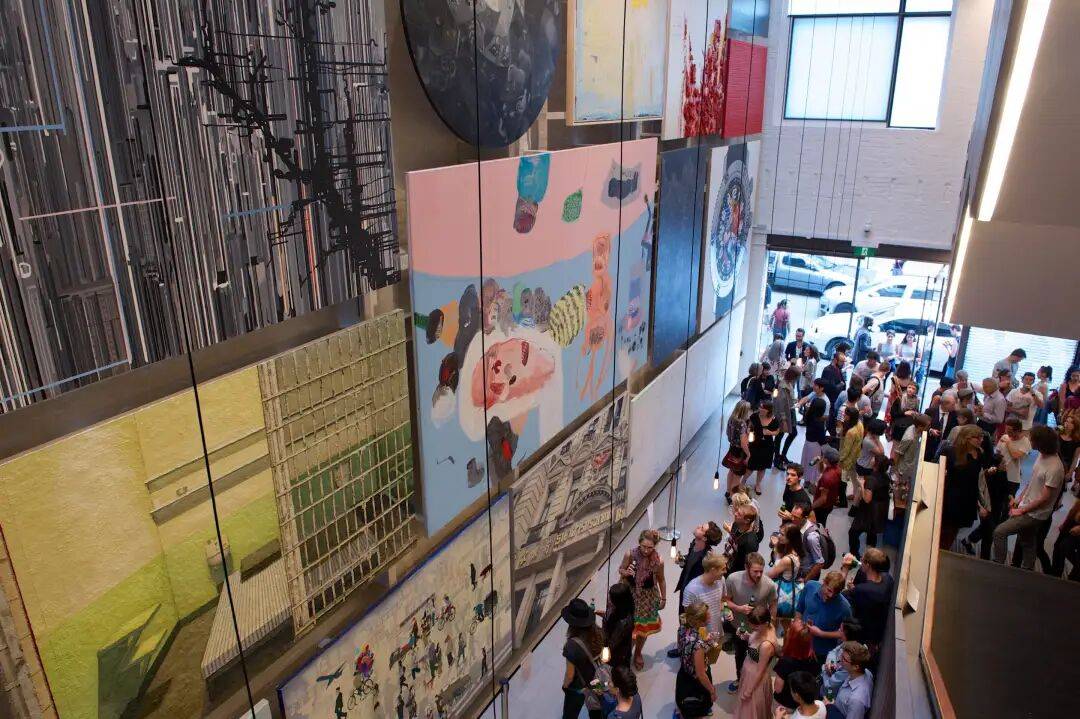
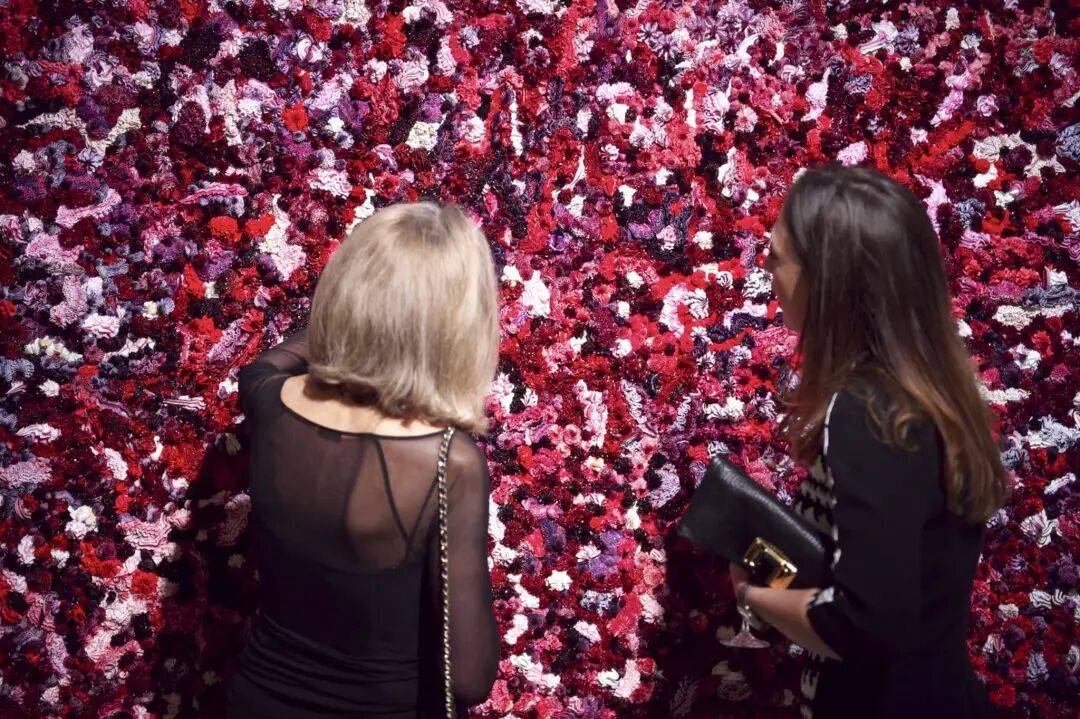
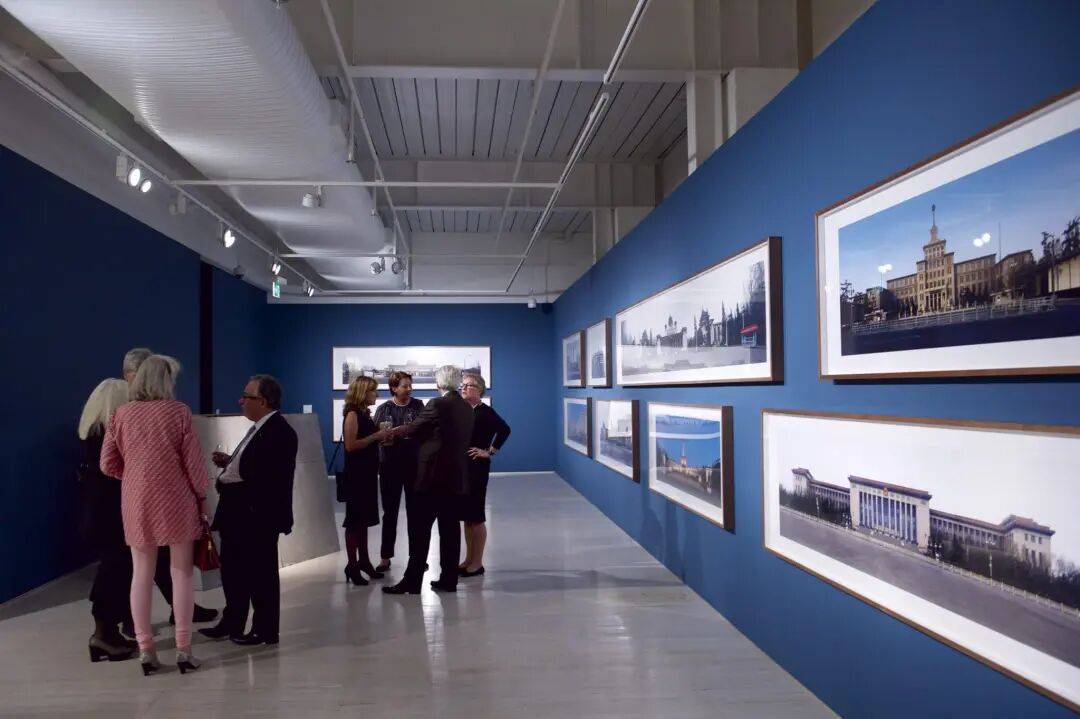
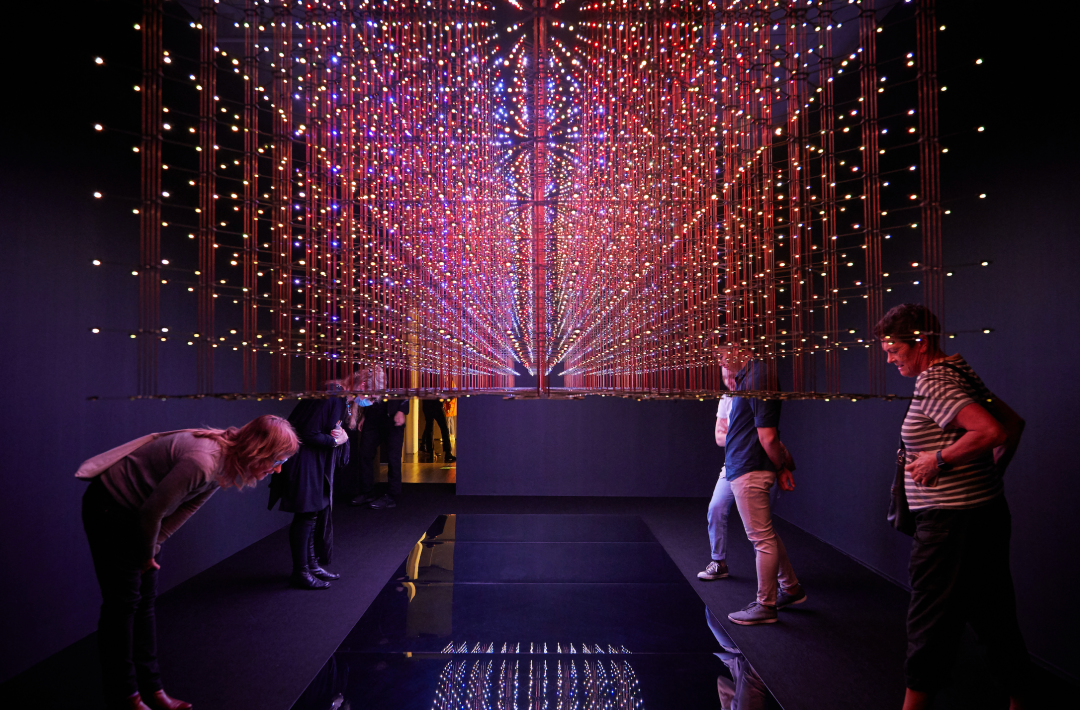
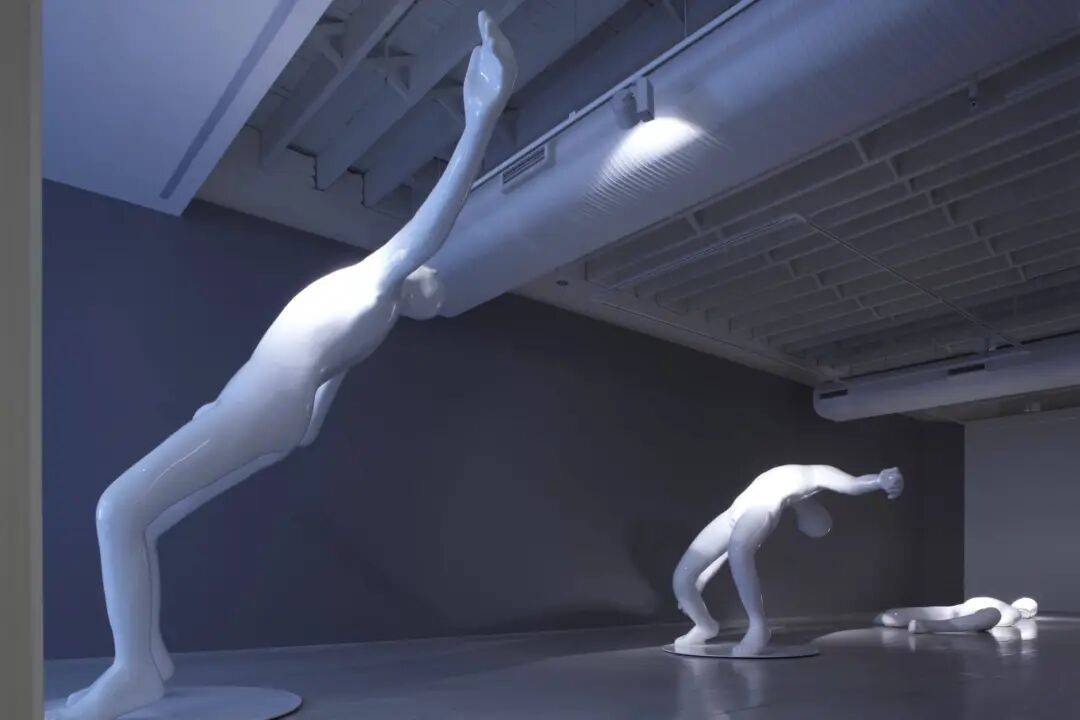
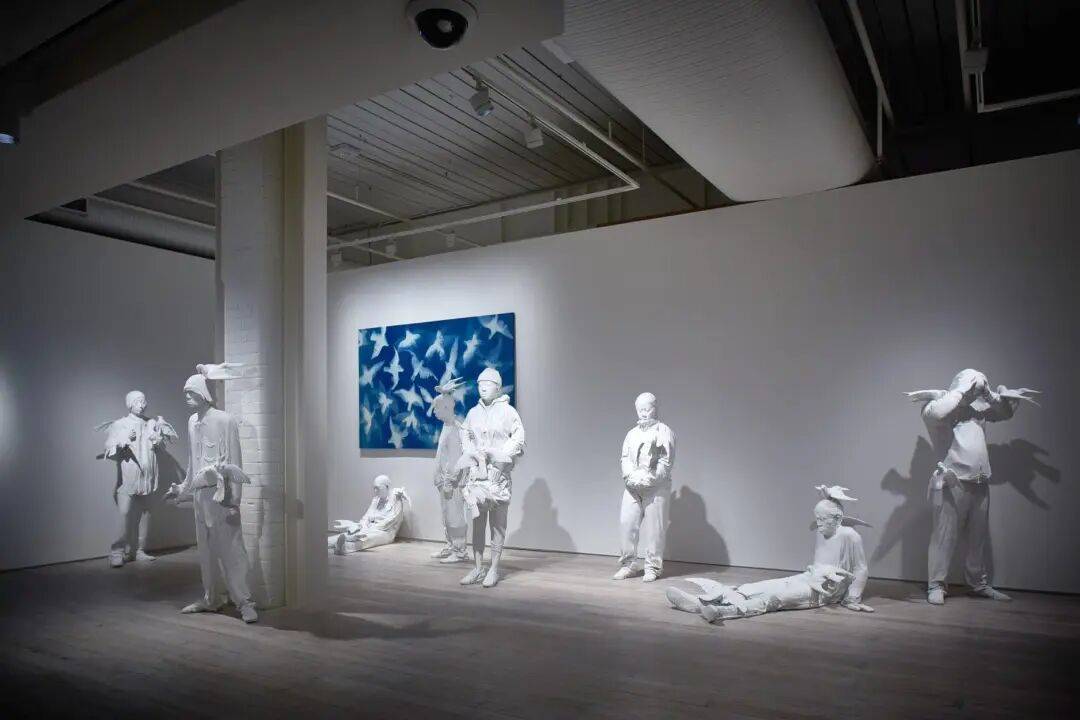
The result is that daylight enters softly by day, while at night the building gives off a pale white glow, making the whole structure seem like a luminous body under a soft-focus filter. The flat white roof added above the brick walls appears to float, signaling to passersby that the place has been remade as a contemporary, avant-garde cultural landmark. Scenes from earlier White Rabbit Gallery openings show the institution’s rhythm. In its sixteen years, the museum has maintained a schedule of two exhibitions a year; the current one is its thirty-third.
From the inaugural exhibition, WELCOME TO THE WHITE RABBIT, which offered a first systematic view of contemporary Chinese art after 2000, to exhibitions addressing consumption, power, and urbanization; then to projects revisiting “red history” and examining the many scenes of intimate relationships; and, more recently, to exhibitions considering social-media algorithms, memes, emoji, and the disruptions of popular culture, as well as queer narratives and the boundaries of relation . . .
SECTION 03 | The story of the White Rabbit is our story
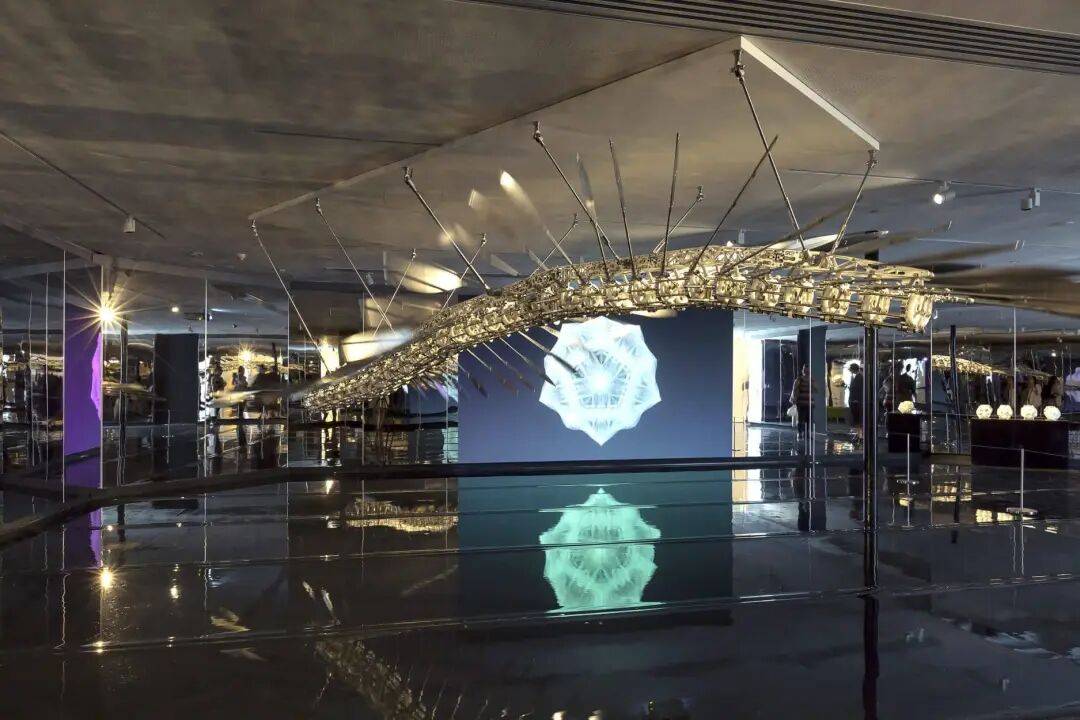
In installations from earlier White Rabbit shows, those exhibitions use thematic narrative curating, letting artworks tell stories shaped by the force of their times. All of them register both the vitality of China’s rapid development and the difficulties caught within the surge. That accords with Judith’s original purpose in founding the museum: “to focus on the present and keep updating.” White Rabbit Gallery’s eighth exhibition, SMASH PALACE, is one marker in that sequence. If a decade is the measure, the museum’s exhibitions reflect three stages of China’s recent decades. The first runs from the late 1990s to the 2008 Beijing Olympics, an era swept by urbanization and globalization, when many works captured the excitement and restlessness on the eve of the Olympics, the frantic growth of urban skylines, and the disorientation and searching of individuals in the current of globalization.
“When I first came to China, in many places people were still working and living together in compounds. Contemporary art came only from the cities,” Judith said. Through installation, painting, and video, artists recorded the transformation from a “kingdom of bicycles” to an engine of infrastructure. What pervades these works is reflection on material expansion, nostalgia for disappearing traditions, and an exploration of new identities. White Rabbit Gallery’s ninth exhibition, SERVE THE PEOPLE, belongs to that period. The second stage begins in 2010, when a particular collective social mood started to break through, with anxiety and fervor intertwined.
Judith believes that artists of this period had probably become more confident. “That’s good, because it means they are no longer afraid to express their views. If everyone keeps secrets, that’s not good.” Works from this stage use emphatic visual language to present the psychic pain of rapid development, generational conflict, and complicated hopes for the future. White Rabbit Gallery’s nineteenth exhibition, SUPERNATURAL, points toward the third stage, which begins in 2020. After the mask period, individual narratives began to rise, and Judith saw artists fold environmental concerns, the ethics of technology, and gender identity into broader collective ecological narratives.
Even during those three closed years, that creative force did not stop.
“Throughout the entire lockdown period I was in contact with artists. Everyone kept working and creating. They even took the initiative to send materials on their works to Australia, and because of that, my collecting never stopped for any reason.” White Rabbit Gallery’s twenty-fifth exhibition, LUMEN, forms part of that continuity. “We respect every single work enormously. The curator David Williams will give even the simplest work a display that another museum might not give even a corner. He will spare no effort to create a separate room for it, even with special sound effects.”
That seriousness has won over audiences, especially younger ones.
“We receive more than 1,000 visitors a day. If there’s a day with only 800, we think, why are there so few people?” Judith told us with a laugh. White Rabbit Gallery’s fourth exhibition, DECADE OF THE RABBIT, and its second exhibition, THE TAO OF NOW, belong to the same evolving public. “At first they may have come just to make Douyin short videos, but by the sixth time they come here to make Douyin videos, they fully understand the feeling of the lighting and the paintings . . .”
“They educate themselves by looking again and again,” Judith said. She hopes they can feel the excitement she felt when she first encountered these artworks. More interesting still, the exhibitions often become spaces for intergenerational conversation in Chinese families. Judith has observed that some of the gallery’s ethnically Chinese staff members bring their parents and relatives to visit. White Rabbit Gallery’s third exhibition, THE BIG BANG, and fifth exhibition, BEYOND THE FRAME, live in that memory. “We may show works about a particular period, and I will see these parents feel shocked or even burst into tears on the spot, because the artists’ work has unintentionally touched some deeply buried collective memory in their lives.”
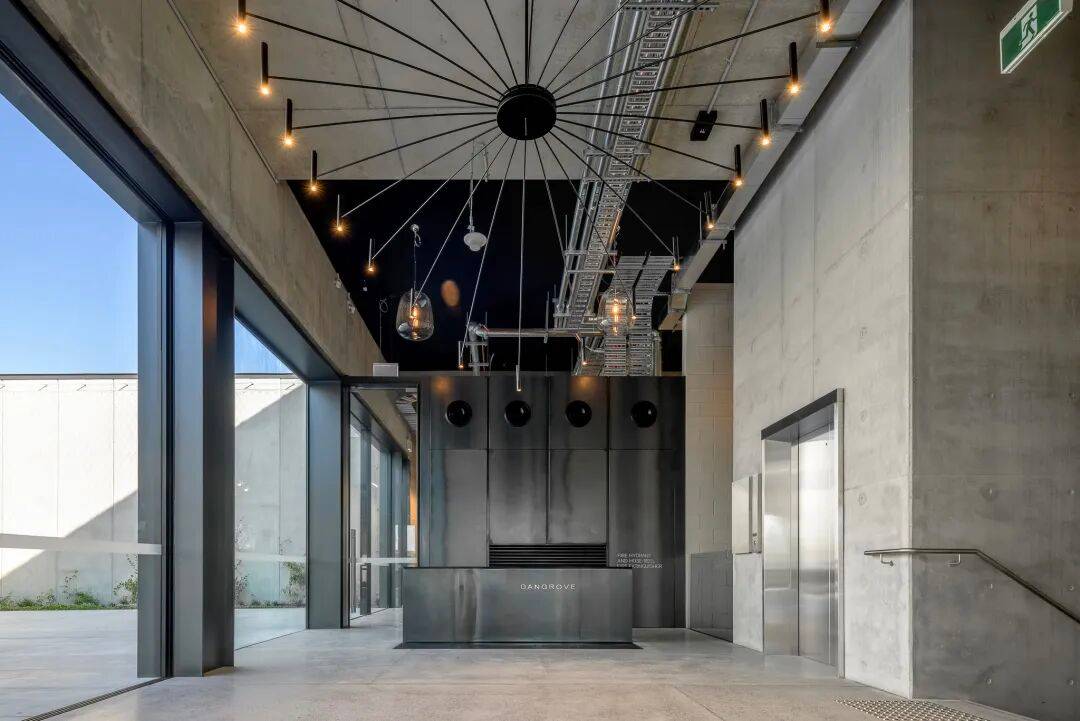
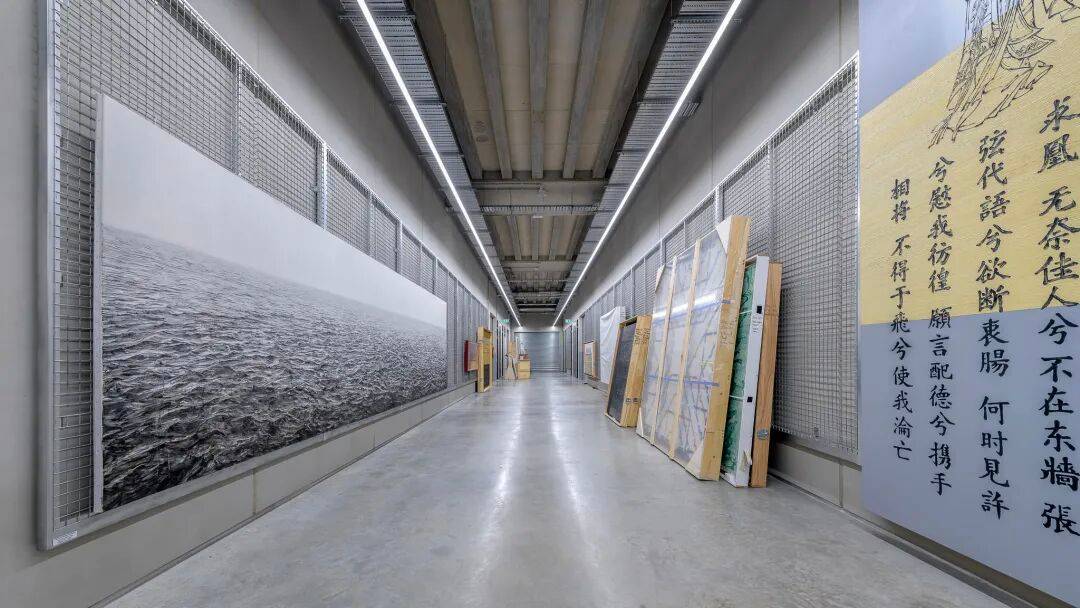
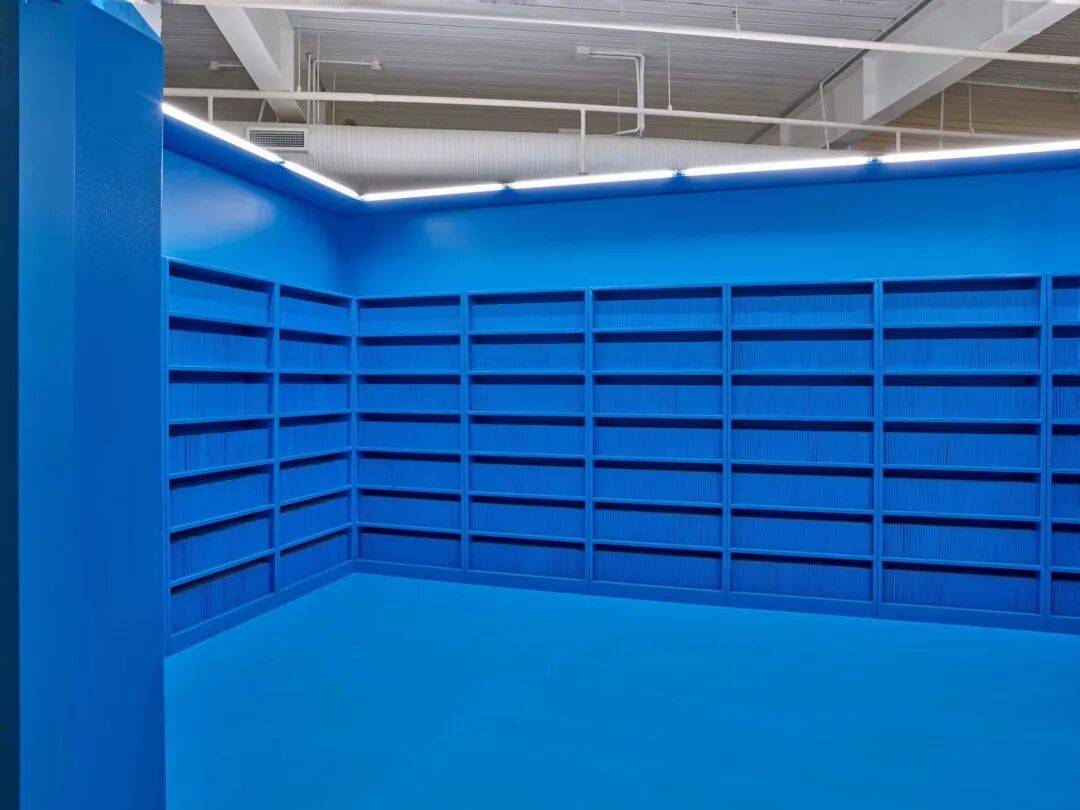
To preserve more than 4,000 works properly, Judith has done more than maintain White Rabbit Gallery. She has also spent heavily to build the Dangrove Art Storage and Research Center in Sydney, a ten-thousand-square-meter “Noah’s Ark” with top-level facilities. Images of the Dangrove reception area and interior suggest its scale. “Storage costs are extremely expensive. You need specialized facilities, and you have to think about conservation, loading and unloading, restoration, installation, and photography space, even elevator dimensions, heavy equipment, and truck access.”
It is not merely a warehouse but an active center for research. Every work is meticulously documented and preserved, and made accessible to researchers and academic institutions.
“We know exactly where every work is and what it is. All the information is recorded in detail, because collecting is not just about possessing, it is also about sharing,” Judith told us. White Rabbit Gallery’s seventeenth exhibition, RITUAL SPIRIT, and eighteenth exhibition, THE SLEEPER AWAKES, stand as examples. “The White Rabbit Collection is unique. Although it comes entirely from my personal perspective, it tells the story of contemporary China, and so it will always have important historical meaning.”
She believes this could happen only in Chinese art, because no other country could produce such a quantity of outstanding work in such a short time. She also hopes her collection might spur others on. “If someone says, ‘If Judith can do it, I can do it better,’ that would be my dream. It would mean the emergence of another completely new perspective.” White Rabbit Gallery’s thirteenth exhibition, PARADI$E BITCH, appears near the close of this account. As the interview drew to an end and Judith reflected on these twenty-five years of growing alongside contemporary Chinese art, she marveled at what she had seen: from the late 1990s, when bicycles and noisy electric bikes were everywhere and trees were scarce, to today’s cityscapes, like the Amazon rainforest, and astonishing infrastructure. She has witnessed, and remains astonished by, the vast changes in China over the past thirty years.
“Not long ago I came here and drove for a long time, seeing non-first-tier cities that have been newly built in recent years and are functioning well. Your infrastructure is just too good!” White Rabbit Gallery’s fourteenth exhibition, HEAVY ARTILLERY, and fifteenth exhibition, VILE BODIES, sit beside that remark. The significance of the White Rabbit Gallery she founded far exceeds that of an ordinary private museum. It is a picture of the soul of an ancient country in the turbulence of modernization: personal memory and the movement of the age, artistic experiment and historical archive.
That “White Rabbit,” born on a Chinese roadside, keeps leaping in the far Southern Hemisphere, continuing to tell the story of another country.