Berlin collectors Christian and Karen Boros have built a private museum inside a former wartime bunker—one that admits only twelve visitors at a time and still bears the marks of the city’s history......
By / Xirui Huang · 8 min read
What makes the Boros Collection in Berlin so hard to visit?
The Boros Collection occupies a 1943 air-raid bunker converted over five years. Its holdings exceed 1,200 works, and the fourth presentation (2022–2026) features 27 artists. Guided visits admit only 12 guests at a time through the building’s winding five floors, while the Boros family lives above.
Collector Story | The Boros Couple: We Collect Art We Don’t Understand
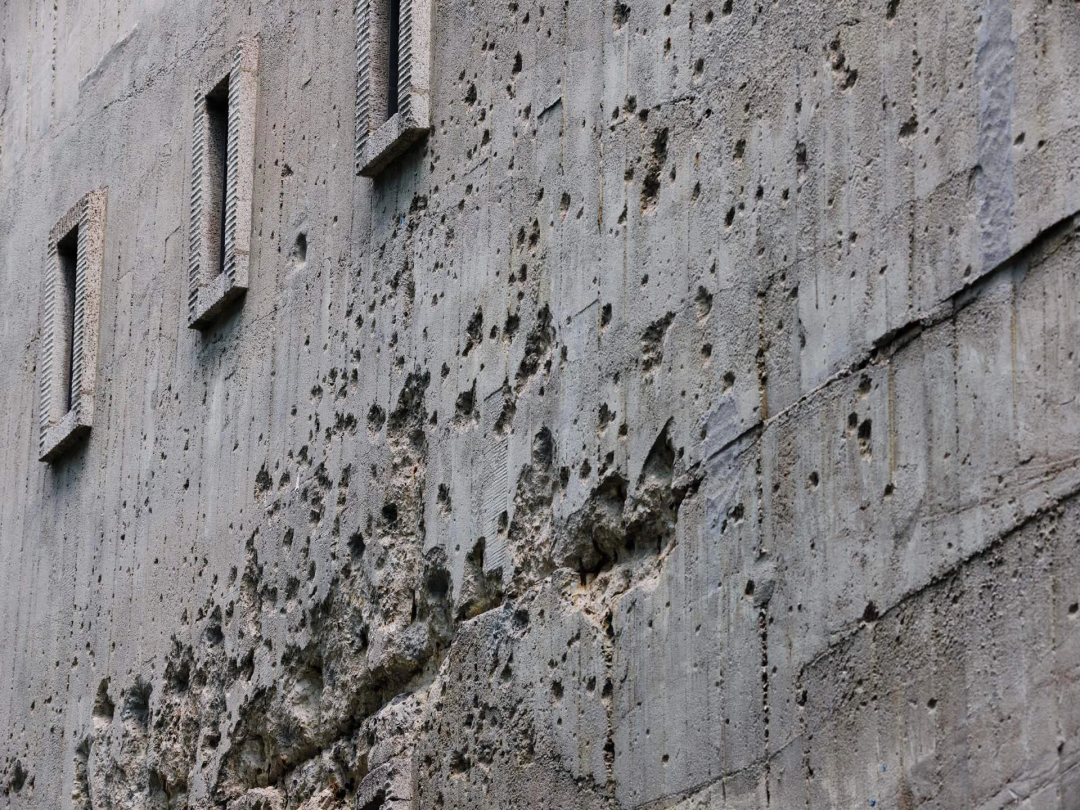
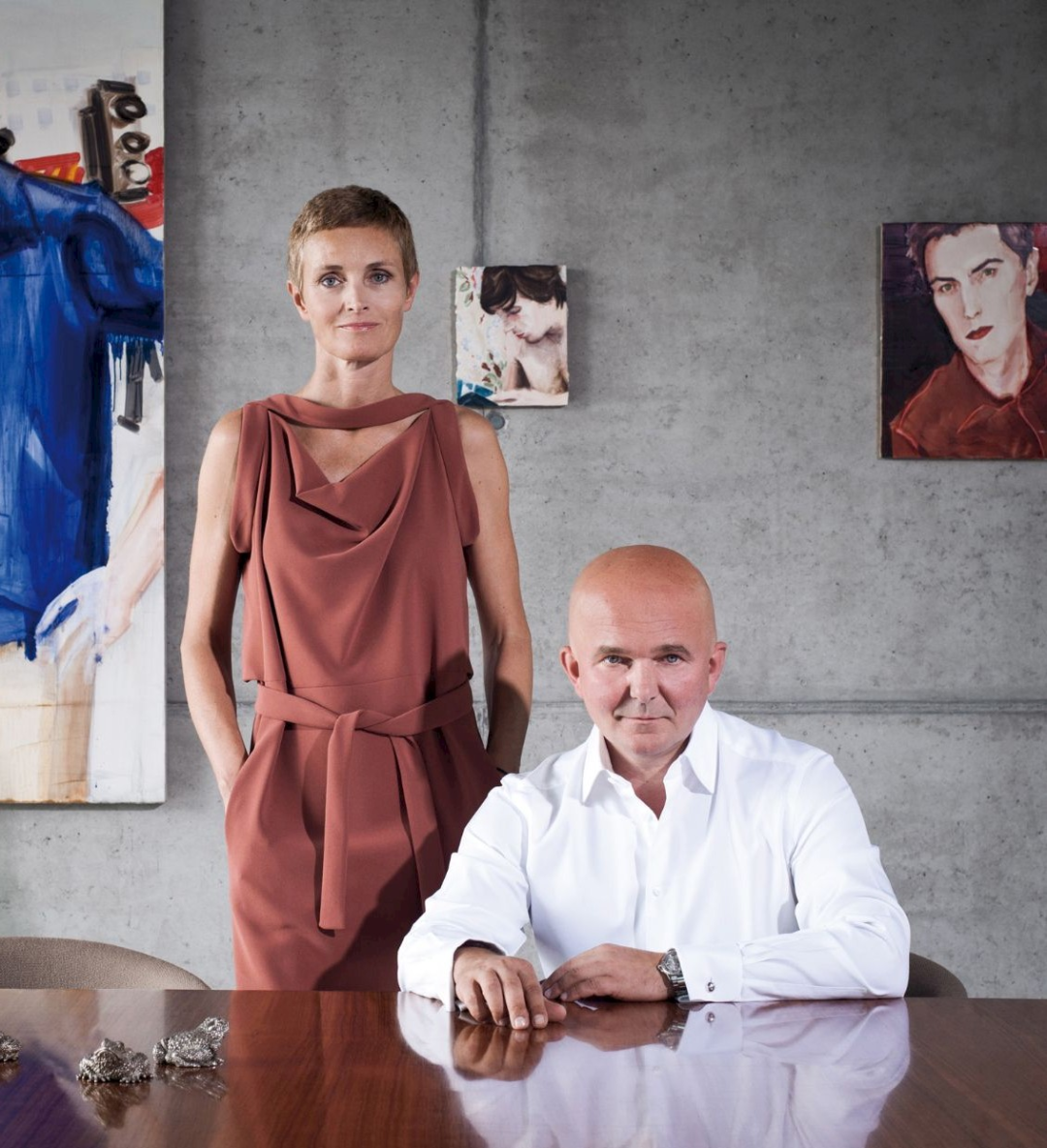
Christian and Karen Boros, prominent art collectors from Berlin, Germany, rank among the top 200 in the global Art Power ranking. They own what is said to be the world’s hardest-to-book private museum, admitting only 12 visitors at a time. The building was originally a bunker from the Second World War; its exterior still bears bullet marks from the Battle of Berlin. It later became “the hardest-core club in the world,” where some of the most advanced electronic music was born.
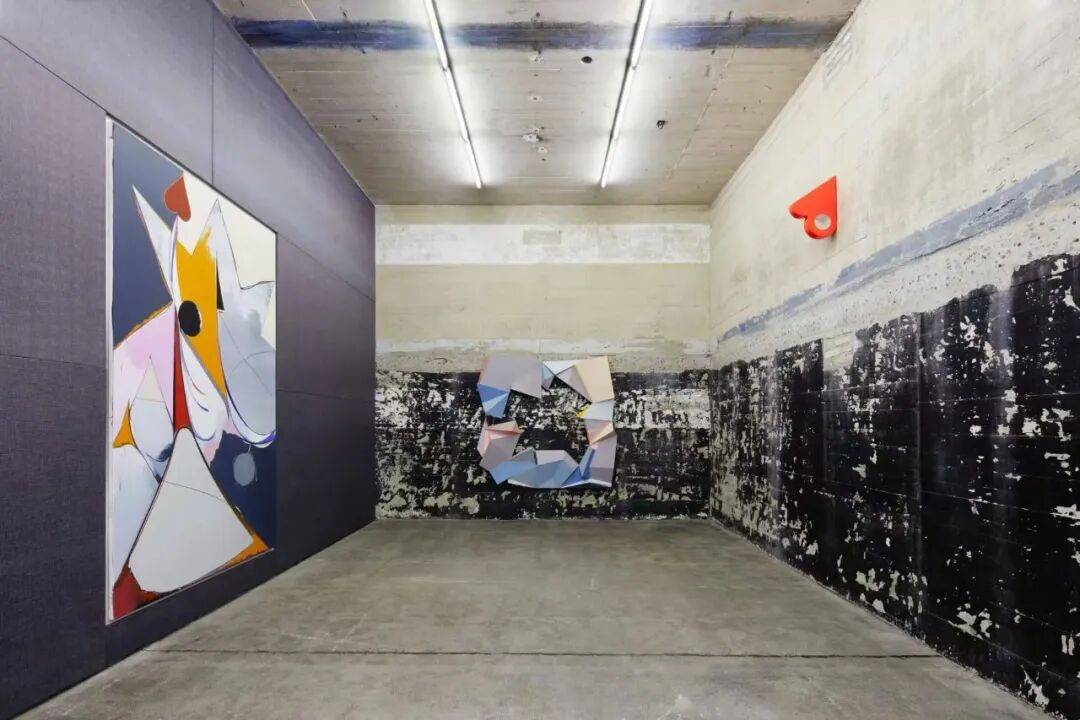
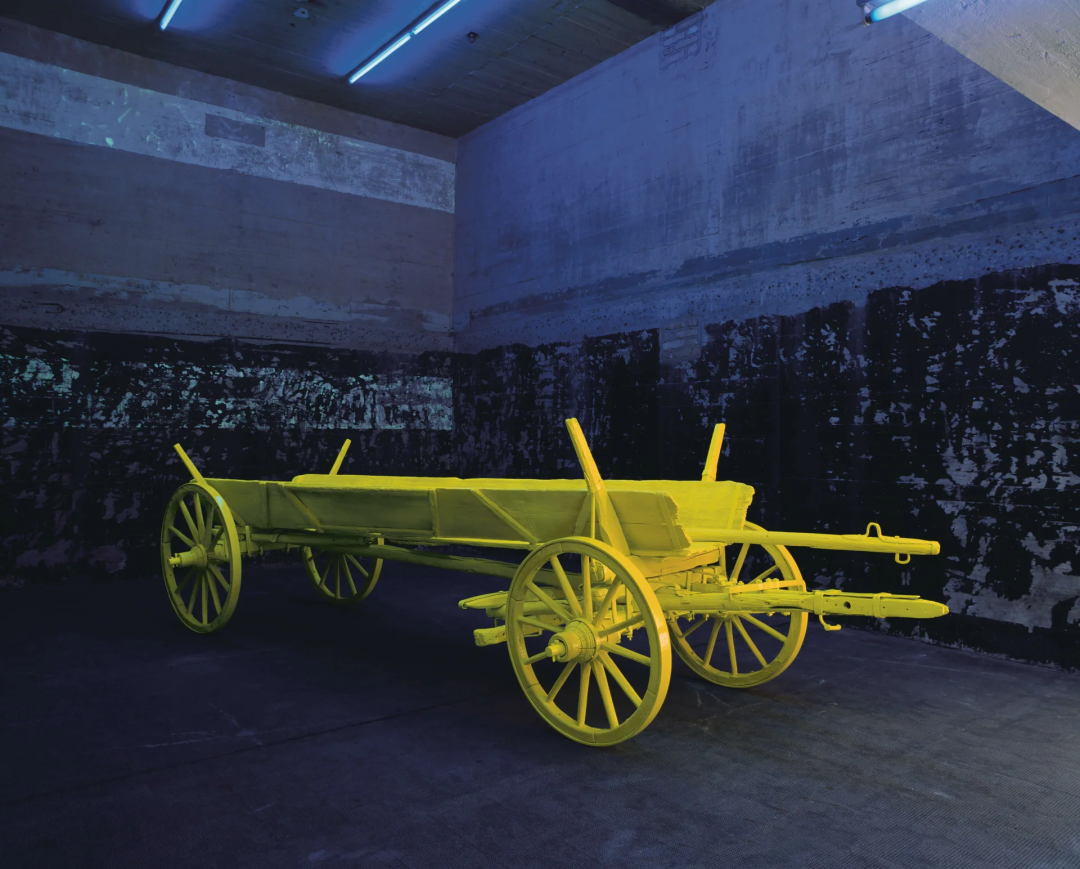
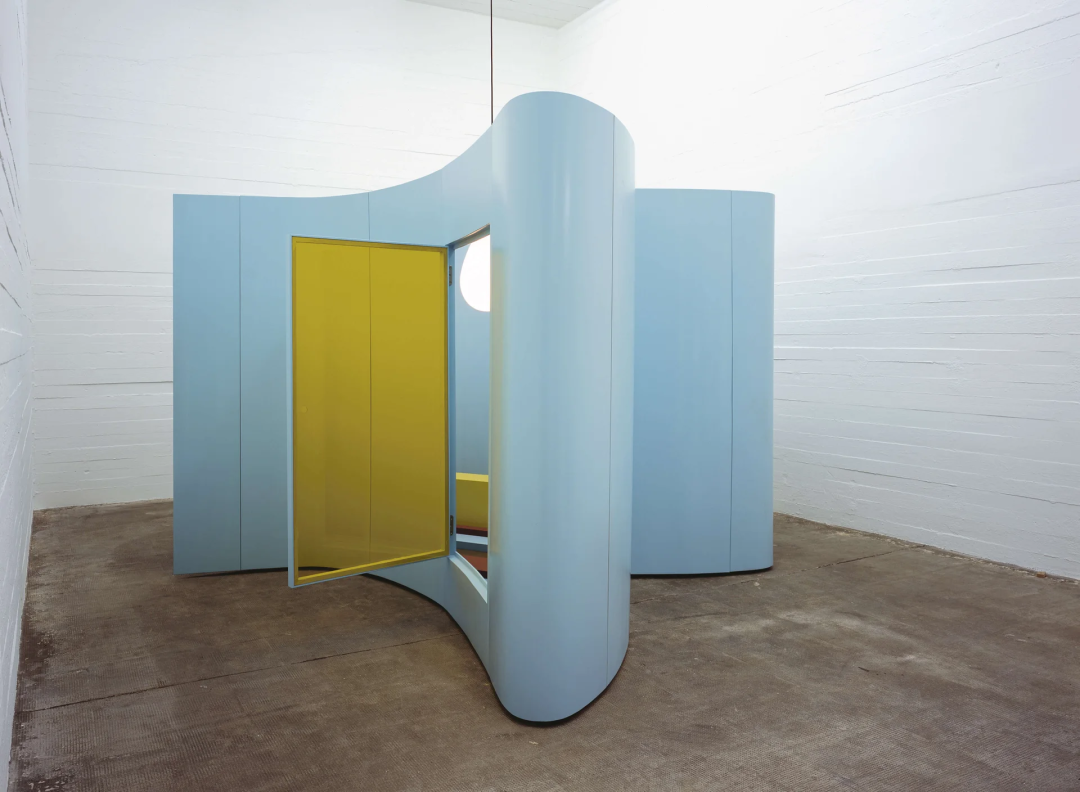
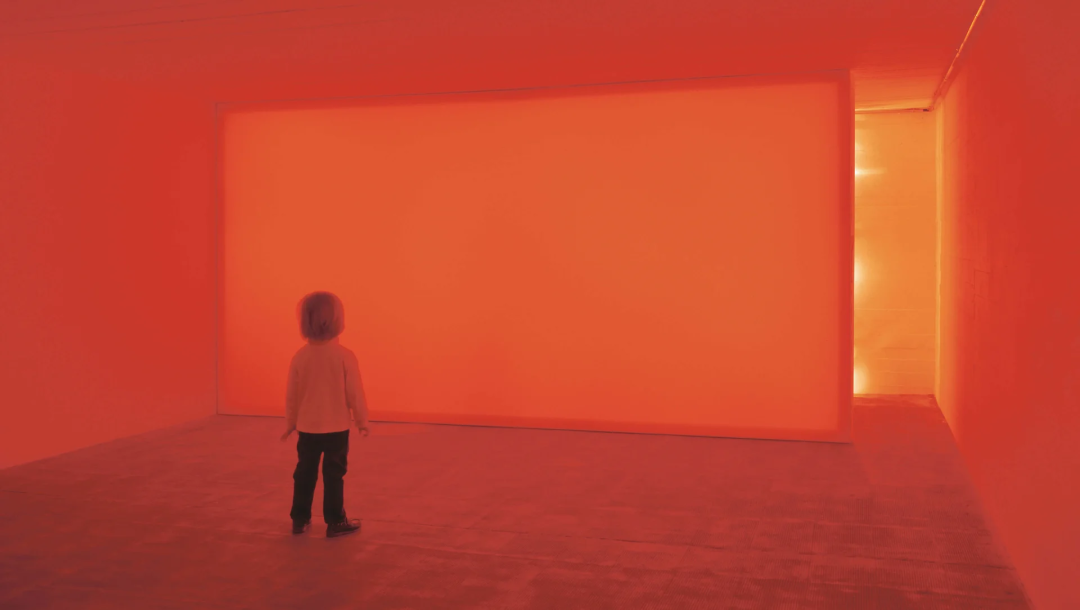
Inside the Boros Collection: He Xiangyu, Asian Boy, 2019–2020. The building is now a contemporary-art museum with more than 30,000 square feet of floor space. Its holdings include works by such leading international contemporary artists as Olafur Eliasson, Anna Uddenberg, Anne Imhof, Wolfgang Tillmans, Sarah Lucas, Martin Eisler, and Elizabeth Peyton.
In recent years, the couple have paid increasing attention to artists from Asia and China. Works by Danh Vo, Lee Bul, Guan Xiao, and He Xiangyu have gradually appeared in the galleries.
SECTION 01 | The audience will get lost at any time in Wan Ting’s twists and turns bunker
“We collect artworks we do not understand. Before we become interested in a work, there has to be an irresistible sense of unfamiliarity.” In May, we spoke remotely with the legendary couple about their collection and this singular museum. Exterior of the Boros Collection. Before we had even entered the museum, we could already feel the bunker’s “hard-core” character.
In converting the Second World War–era air-raid shelter, the Boroses did little to disguise its exterior. Instead, they preserved the shell marks left behind during the war in Berlin. Nazi Germany built the structure in 1943 as an air-raid shelter. After the war, it served as a prisoner-of-war camp and, before the fall of the Berlin Wall, as a warehouse for tropical fruit. Inside the Boros Collection, 2003. When the couple were looking for a “home” for their more than 1,000 artworks, the bunker had already been on the market for some time. Their only potential rival was the Centre Pompidou, which withdrew because the renovation of the historic building proved excessively complicated.
After five years of renovation, the bunker now has five floors and presents contemporary works the couple have collected since the 1980s. The collection has grown to more than 1,200 works, encompassing sculpture, photography, painting, installation, and multimedia art. The exhibition currently on view is the fourth since the museum opened, covering 2022–2026. It features works by 27 artists, including Olafur Eliasson, Anne Imhof, He Xiangyu, and Julian Charrière.
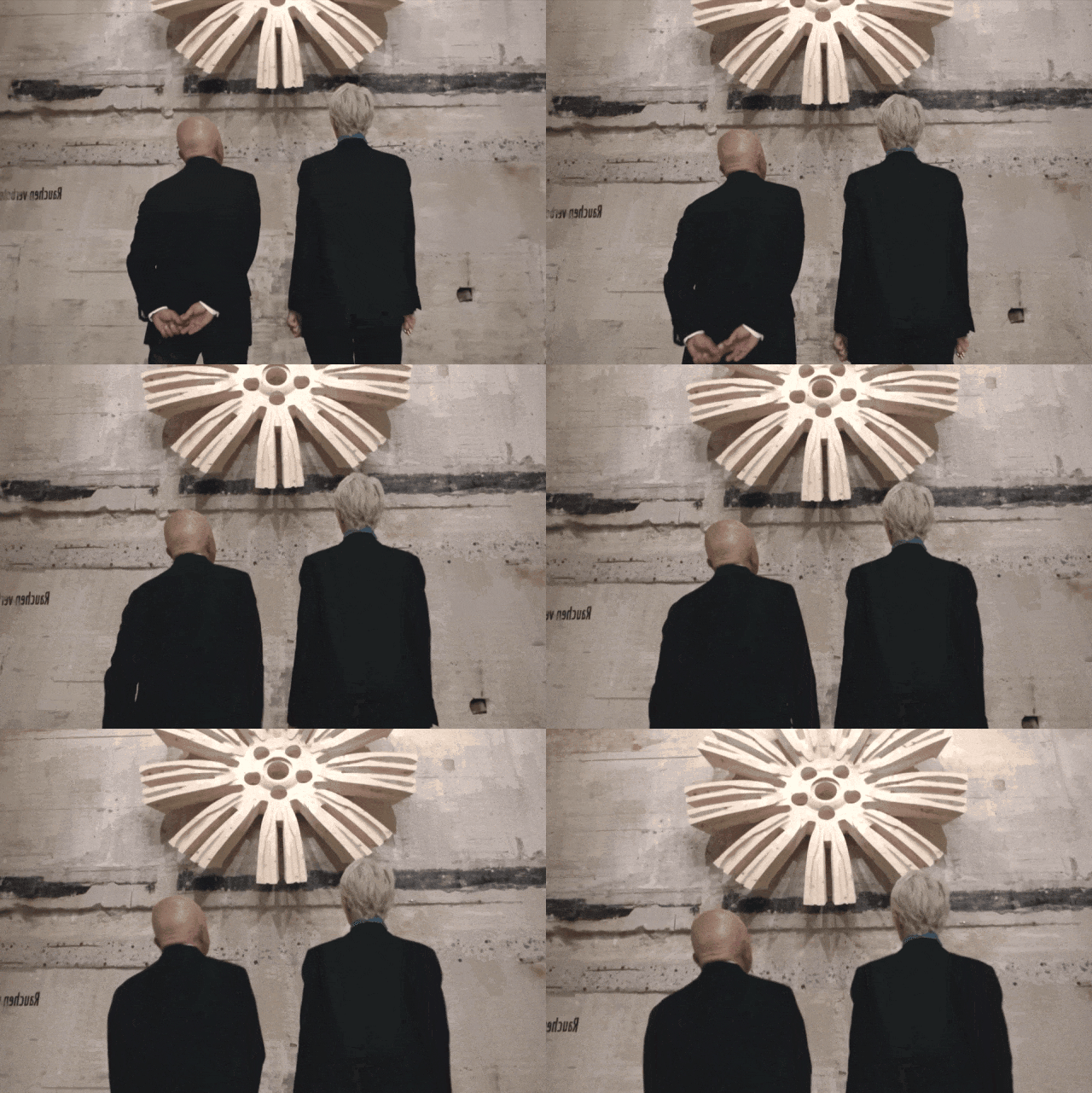
The works are distributed among the bunker’s winding rooms. In one, a large portrait and sculptures by Bunny Rogers are on view; elsewhere, the sound of Anne Imhof’s video work Bell reverberates through the concrete spaces. Inside the Boros Collection, the Boroses in their museum. When they were acquiring Imhof’s work, the couple disagreed. “I liked it very much, while Christian was less convinced.”
“He needed time to accept it, but eventually we reached a consensus,” Karen told us, laughing.
“Karen always brings new ideas home, but I often say, ‘Darling, is this really necessary? I don’t understand it.’ But she always insists: ‘We have to have it.’ And the facts often prove her right. She is always right.” Christian’s answer gave us an involuntary taste of the couple’s romantic rapport. Inside the Boros Collection. “When we were looking for a museum building, we had an intuition that the history of this structure, along with its unusual concrete architecture, would interest visitors.”
“As it turns out, many people now come not for the art inside but specifically to see the bunker,” Christian told us. Many are drawn by the bunker’s sense of confinement, which is why he and Karen prefer to call everyone who comes through the doors their “guests,” rather than the colder “visitors.” Inside the Boros Collection. “Our guests usually stay here for one or two hours. You know?”
“When we first opened, there was only one guided tour a week, and we opened the doors to receive guests ourselves,” Karen said. Many “guests” told them that without a guide, they would often get lost inside the bunker and have to find a staff member to lead them out. The Boroses’ home on the top floor of the museum. And “guests” seems an entirely justified term to us: As the owners of this private museum, Christian, Karen, and their son, Anton, live on its highest floor.
“We live above the bunker, while underground is like one enormous ‘hobby room,’” Karen said. The main bunker houses part of the couple’s extensive contemporary-art collection. Above it, their extraordinary open-plan apartment has windows from floor to ceiling, allowing light to enter from every direction. Olafur Eliasson’s Color Experiment No. 10 hangs above an “Alta” lounge chair by Oscar Niemeyer and a “Meta” side table by New Tendency; a fifteenth-century Renaissance oil painting is mounted on the wall.
SECTION 02 | Apartment built on the top floor of the museum
A scene from Tár: the Boroses’ home became Lydia Tár’s home. Although the apartment is not open to the public, the couple often invite friends there. In 2022, while scouting locations in Berlin for the Oscar-nominated film Tár, Oscar winner Cate Blanchett immediately fell for the apartment.
Inside the World’s Hardest-to-Book Private Museum
“So we handed over the keys to our home, and it became the principal location for the Oscar-nominated film you see today,” Christian said. The Boroses’ library. The Boroses’ dining area. The library contains furniture by Martin Eisler and Carlos Hauner. Around the corner, in the dining area, three paintings by Elizabeth Peyton hang on the wall.
At the end of the corridor is another work by Olafur Eliasson, National Career Lamp. On the opposite side of the living room hangs Sterne (Stars), a photograph by Thomas Ruff. Olafur Eliasson’s work at the end of the corridor. Thomas Ruff’s work on the other side of the living room. “I grew up in Cologne. In the 1980s, Cologne was, like Paris, Berlin, or New York today, an epicenter of contemporary art. In the environment where I grew up, it was almost impossible not to encounter art.”
Christian told us that he had been surrounded by art since childhood. Galleries opened new exhibitions from time to time, and artists lived in Cologne.
“I was deeply drawn to art from the age of 16. At 18, instead of buying a car with the money I received for graduating and getting my driver’s license, I bought a work by Josef Beuys. At the time, he was one of the most controversial figures in art in the 1980s. Some people loved him; others called him a ‘charlatan.’ I found that very interesting.” Inside the Boros Collection. That was the beginning of his collecting. Then came the second work, the third, and so on, until the process became unstoppable.
“I collect artworks that confuse me. I hope art will expand the boundaries of my thinking and transform my perception.” The Boroses at home. When we asked how they met, both of them laughed. “We met at an art fair.” Karen was working at a gallery at the time. In an effort to court her, Christian spent a considerable sum buying a work by the American artist Ed Ruscha from the gallery.
Karen said, laughing, that she was drawn to Christian’s instinct for art and his “good taste.”
“By then, he had already collected works by Damien Hirst, Tracey Emin, Sarah Lucas, and other artists.” Inside the Boros Collection. Speaking of Hirst, Christian still remembers that after buying his first Beuys, his second purchase was a work by Hirst.
“I remember that it was in 1992. I bought my second and third artworks. At an ‘anti-fair’ opposed to Art Cologne, I saw some ‘strange’ things and was inexplicably captivated. So I bought a painting and a sculpture—works by Damien Hirst.” Inside the Boros Collection. Hirst was only 22, and Christian was 23. No one imagined that Hirst would later become so famous.
“We had no contact for 20 years, and I wasn’t particularly fond of his later work. But those early works had already become part of my life.” One day, Hirst happened to be in Berlin, and they invited him to the museum.
“He came through the door without saying hello and said only, ‘Did I make that?’ He walked closer to the painting and said, ‘My God, I remember this. I made it myself.’” Christian said. Inside the Boros Collection. Later, Christian and Karen fell in love and married. Their exchange with each other further intensified their interest in collecting art, and they kept buying more and more.
“Until one day, we realized that the house was full of works. There wasn’t even room on the guest bathroom wall for a small painting. At that point, there were only two choices: stop, or stop worrying about space and continue buying. I believe that was when collecting truly began—when you buy something but no longer have anywhere to hang it,” Christian said. Inside the Boros Collection. Even now, whenever they consider whether a new work deserves a place in the museum, they discuss it seriously: “Do we really need the 1,101st work?”
“Why this one?” they told us that their personal relationships with artists matter greatly. “We always maintain very close relationships with the artists we collect. The artists we follow are engaging with and reflecting the issues of our present moment.” Inside the Boros Collection. Rather than buying established artists whose prices are already high on the secondary market, they focus more on younger artists—sometimes artists who have no secondary market at all.
In this sense, their collecting philosophy runs through their approach to building both the museum and their home. It is strikingly forward-looking.
“I especially want to meet Pierre Huyghe. I think he is a very special artist. He does not simply create individual works; he treats the entire exhibition space as a laboratory, an organism. His approach to art is deeply stimulating,” Christian said. Inside the Boros Collection. Last year, they saw Lee Bul’s installation in the Turbine Hall at Tate and were equally struck by it.
SECTION 03 | Falling in Love Through Art, Loving More Because of Art
“My reaction was one of fascination and provocation, accompanied by a strange intuition. She awakened something profoundly human in me: the feeling that these rubber forms were living and decaying materials taken from the body.” Inside the Boros Collection. Graffiti from the building’s years as a venue for electronic-music raves remains on the walls. We asked the couple what advice they would give young collectors just starting out. They said, “Don’t worry about anything. Sleep on it first.”
“The next day, ask yourself whether your passion—and the work’s magic—are still there.” Finally, we asked which artists from history they would invite to a dinner. Karen laughed. “I would invite Josef Beuys and Louise Bourgeois, along with the two of us. It would certainly be an intense discussion. Beuys and Bourgeois would probably end up arguing, haha.”