From Splendor to Closure: Twenty Blue-Chip Galleries That Shut Down in 2025
In 2025, galleries with decades-long histories—from New York to London, Berlin to Hong Kong—closed, downsized, or entered bankruptcy, revealing a genuine structural shift in the art ecosystem......
By / Xirui Huang · 12 min read
Why did more than 20 international galleries close or downsize in 2025?
Their situations differed: some closed permanently, some entered bankruptcy, and others ended only one city space. Shared pressures included rising rent, staffing, logistics and art-fair costs, slower demand, the burden of multi-city expansion, and competition from mega-galleries.
In 2025, art news repeatedly brought word of once-blue-chip galleries closing for one reason or another—a sign that the art ecosystem is undergoing a very real “structural shift.” From New York to London, Berlin to Hong Kong, galleries with histories of two or three decades, and in some cases more than half a century, announced their closures, reduced their physical spaces, or entered bankruptcy proceedings. In a market slowly recovering from the pandemic, rents, operating costs, spending on exhibitions and art fairs, and changing collecting habits have together pushed the art industry into an era of “readjustment.”
SECTION 01 | North America
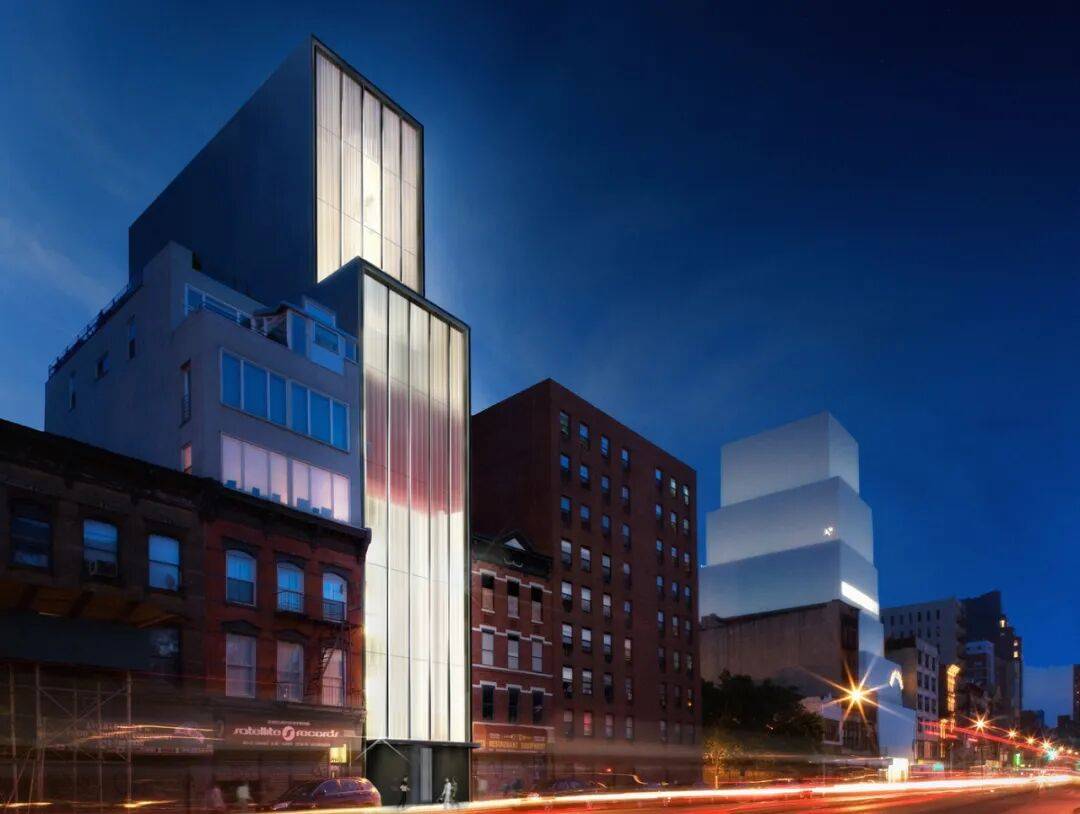
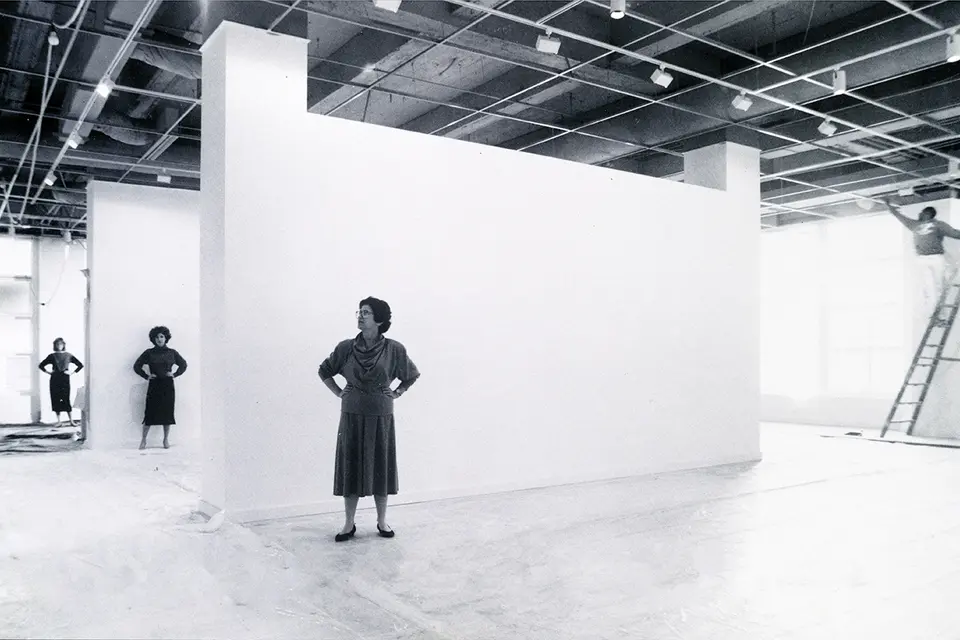
We have compiled more than twenty internationally influential galleries that announced their closure in 2025 or shut important spaces, inviting a look back at their histories, the significant artists they once presented, and the stories behind their departures. Exterior of Sperone Westwater. Sperone Westwater. Sperone Westwater’s New York gallery announced in November 2025 that it would officially close after completing its annual program, as it reached the exact fiftieth anniversary of its founding.
Sperone Westwater was among the first galleries to establish itself in New York’s SoHo. It was founded jointly by Gian Enzo Sperone, Angela Westwater, and Konrad Fischer, and is now primarily run by co-founder Angela Westwater. Interior of Sperone Westwater. The departure of this blue-chip gallery, founded in 1975, is a poignant one. As one of New York’s most important “bridge” galleries, it introduced the European avant-garde to the American market at an early stage in the 1970s and 1980s. It was, for example, the first New York gallery to exhibit Gerhard Richter, and it strongly promoted Arte Povera.
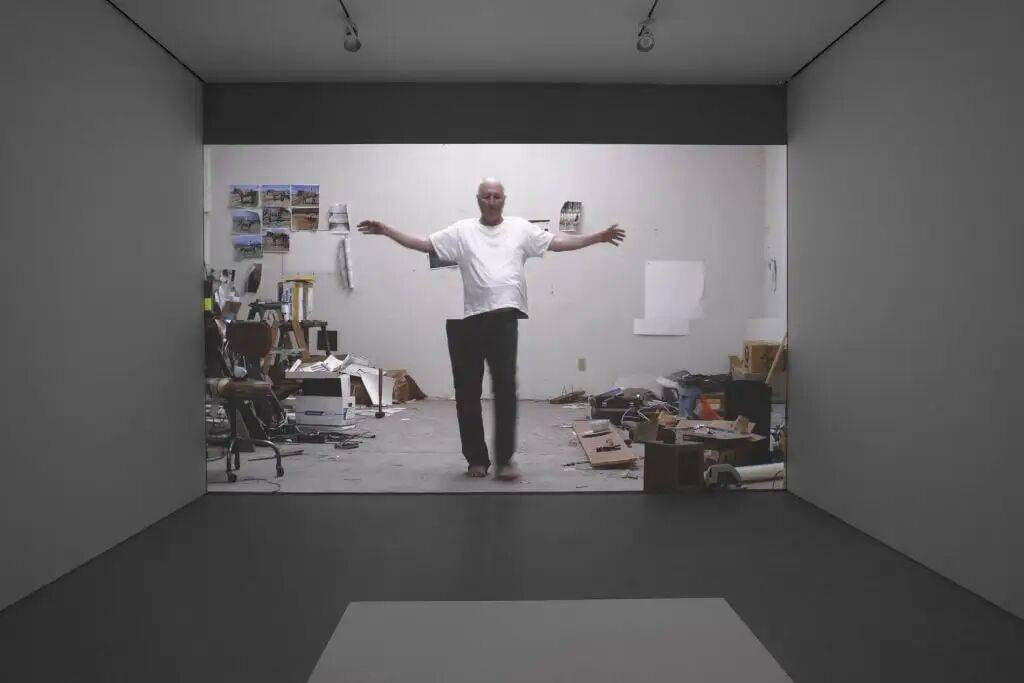
In 2010, the gallery moved into a new Bowery space designed by the architect Norman Foster, which became a landmark of New York’s urban renewal. Bruce Nauman, Walking with Tiger, 2024, courtesy of Sperone Westwater. The gallery built long-term relationships with artists including Bruce Nauman, Susan Rothenberg, and Richard Long.
These artists have since become leading figures in contemporary art, with works selling for more than one hundred million and exhibitions at institutions including MoMA, the LVMH Foundation, and the Cartier Foundation. In an interview about the closure, Angela Westwater said that in today’s art ecosystem, it was increasingly difficult to maintain a large, independently operated blue-chip gallery. She preferred to “end with dignity” on the gallery’s fiftieth anniversary rather than be forced into downsizing or, ultimately, bankruptcy liquidation.
Blum, formerly Blum & Poe. Yoshitomo Nara, “The Imperfect Self,” exhibition view, Los Angeles gallery space, 2025. One of Los Angeles’s earliest blue-chip galleries, Blum & Poe was founded in Santa Monica in 1994 by Tim Blum and Jeff Poe. After Jeff Poe left, the gallery was renamed BLUM.
The gallery once maintained spaces in Los Angeles and Tokyo, and had even planned to reopen a New York space in the United States in 2026. BLUM played a crucial role in bringing Japanese and Korean art into the American market. Its long-term collaborators included Takashi Murakami, Yoshitomo Nara, and Mark Grotjahn. Through early exhibitions related to “Superflat,” as well as a number of large-scale exhibitions of Asian art, it was regarded as an important West Coast gallery for advancing cross-cultural exchange in contemporary art.
Yukie Ishikawa and Akane Saijo, exhibition view, Tokyo gallery space, 2024. In August 2025, Tim Blum announced that BLUM would close entirely, including its existing spaces in Los Angeles and Tokyo. Discussing the decision in an interview, he cited “personal exhaustion and disappointment with the structural problems of the industry.” Mid-sized galleries, he said, faced relentlessly rising costs and competition from “mega-galleries,” making the operating model increasingly unsustainable and difficult to maintain.
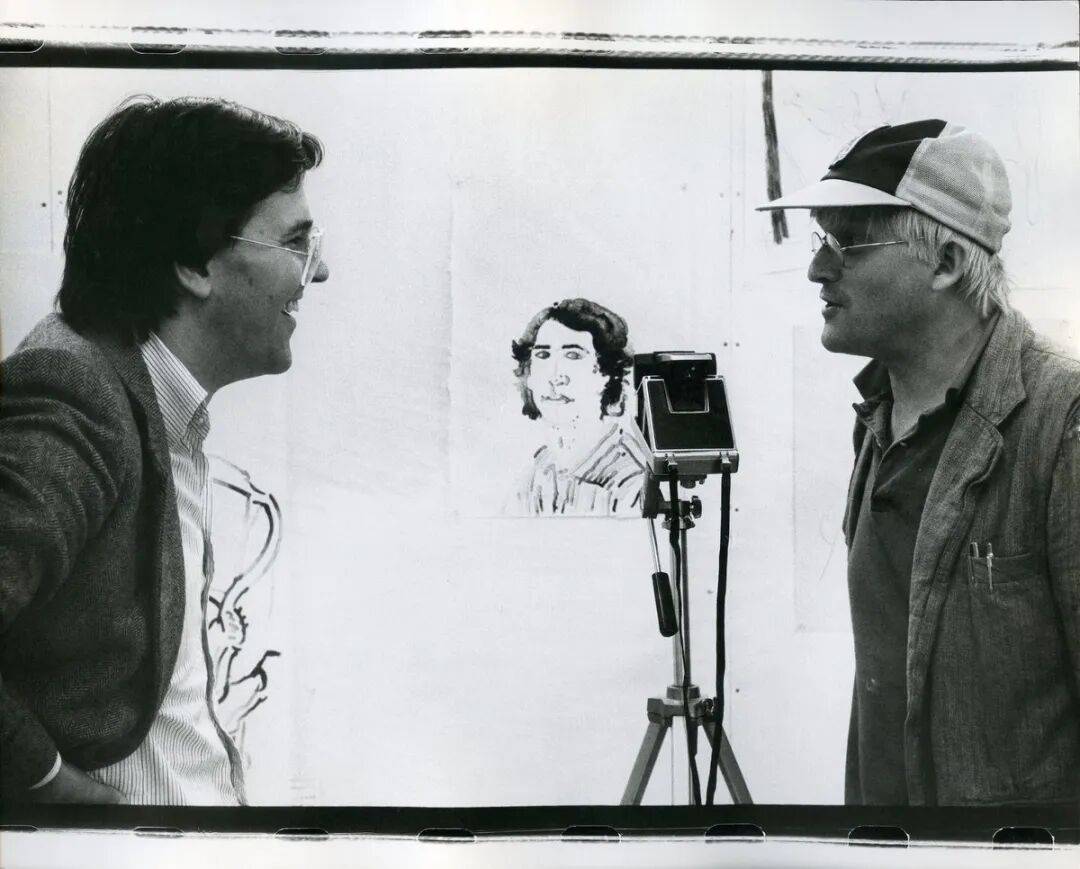
LA Louver. Peter, the founder of LA Louver, at left, with David Hockney, at right, 1979. Located in the Venice district of California, LA Louver was founded in 1975 by the married couple Peter and Elizabeth Goulds and has now completed its fiftieth year. It was once considered one of Los Angeles’s most important and longest-running contemporary art galleries, having mounted more than 660 exhibitions and participated in more than 125 museum exhibition collaborations.
The gallery worked closely with artists now recognized internationally, including David Hockney, Alice Neel, and Sean Scully, and had a profound influence on the history of West Coast art. LA Louver fiftieth-anniversary exhibition view, 2025. Around September 2025, the gallery announced that it would close its Los Angeles exhibition space after ending its public exhibition program in the fall, shifting to a private advisory and sales model.
In an open letter, the gallery described the closure as a “strategic adjustment.” After nearly fifty years of operation, it would move from maintaining a public exhibition space to a more private, targeted advisory model. The letter did not mention a financial crisis; instead, it presented the change as the gallery’s deliberate “metamorphosis.” Rena Bransten Gallery. Rena Bransten at the opening of her former gallery space at 77 Geary Street in San Francisco. Also based in San Francisco, Rena Bransten Gallery had operated for more than fifty years. Founded in 1974, it remained rooted in the city.
The gallery’s physical space at Minnesota Street Project stopped presenting exhibitions on November 22, 2025, marking the departure of one of the area’s early important gallery members. Trish Bransten, the gallery’s current head and director, said that after the closure the gallery would remain active in the art world through pop-ups and collaborative projects. She is also the daughter of founder Rena Bransten.
Rena Bransten at the opening of a gallery exhibition in 2008. The gallery’s public explanation for its closure was closely tied to current economic conditions: declining foot traffic and on-site sales, combined with macroeconomic uncertainty and shifts in collecting habits, had made the cost of maintaining a traditional physical space disproportionate to its returns. The gallery therefore chose to move from a fixed location to a more flexible, project-based model. It began with ceramics and, to this day, has maintained long-term relationships with prominent artists including Rupert García and Amalia Mesa-Bains. It occupies a place in San Francisco’s progressive cultural and avant-garde art context.
Altman Siegel. Interior of Altman Siegel. Also based in San Francisco, Altman Siegel closed on November 22. Founded in 2009, it was initially located in the 49 Geary building. In an interview, founder Claudia Altman-Siegel said that in the current art-market environment, “for a gallery of this scale, it has become increasingly difficult to continue expanding while maintaining artistic ambition.” She preferred to end the gallery rather than compromise the standards of its program.
During its 16 years, the gallery held 213 exhibitions, focusing primarily on highly conceptual projects closely connected to technology and media culture. It had a deep influence on the Bay Area’s contemporary art ecosystem. Artists it promoted and represented over the long term included Lynn Hershman Leeson, Trevor Paglen, and Troy Lamarr Chew II, among others. Clearing. Exterior of Clearing. Founded in Brussels in 2011 by Olivier Babin, Clearing later established spaces in New York and Los Angeles.
Babin became known for his willingness to support emerging artists. Early collaborators and artists he promoted included Korakrit Arunanondchai, Harold Ancart, Marguerite Humeau, and Coco Young, among others. Many artists moved on to larger galleries and international biennials after early exhibitions at Clearing, which came to be regarded as an “artist incubator.”
From Splendor to Closure: Twenty Blue-Chip Galleries That Shut Down in 2025
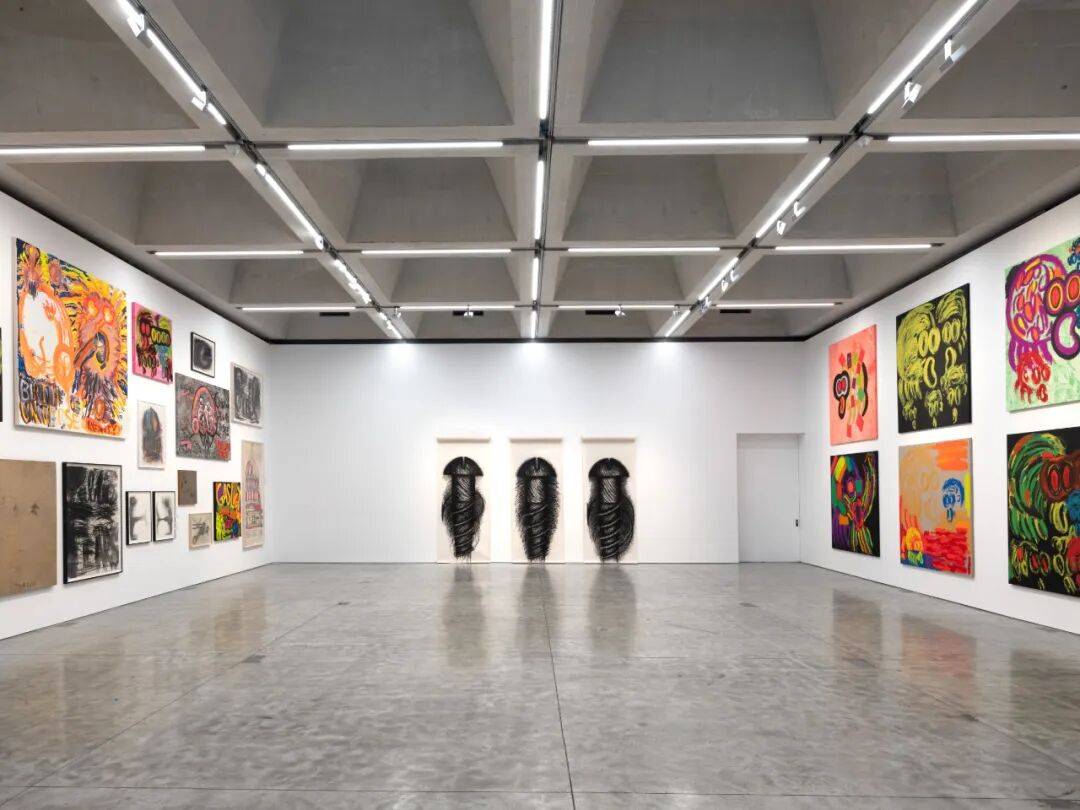
In mid-2025, Babin announced the closure of the New York and Los Angeles spaces, and many reports indicated that the Brussels space had also ceased operations, signaling the end of the gallery as a whole. The reported causes were primarily economic and operational pressure: sharply rising rents, shipping and logistics expenses, and the costs of operating across countries, compounded by a slowing market, made a multi-city structure too expensive to sustain. Kasmin. Judith Bernstein, “Public Fears,” exhibition view, New York gallery space, 2025. Kasmin, based in New York and formerly known as Paul Kasmin Gallery, was founded by Paul Kasmin in SoHo in 1989.
The gallery’s represented and collaborating artists included important twentieth-century figures such as Robert Motherwell and Max Ernst, as well as contemporary artists with whom it maintained long-term relationships, including Walton Ford and Iván Navarro. It became known for large-scale sculpture exhibitions near the High Line and for significant exhibitions of Frank Stella and James Nares.
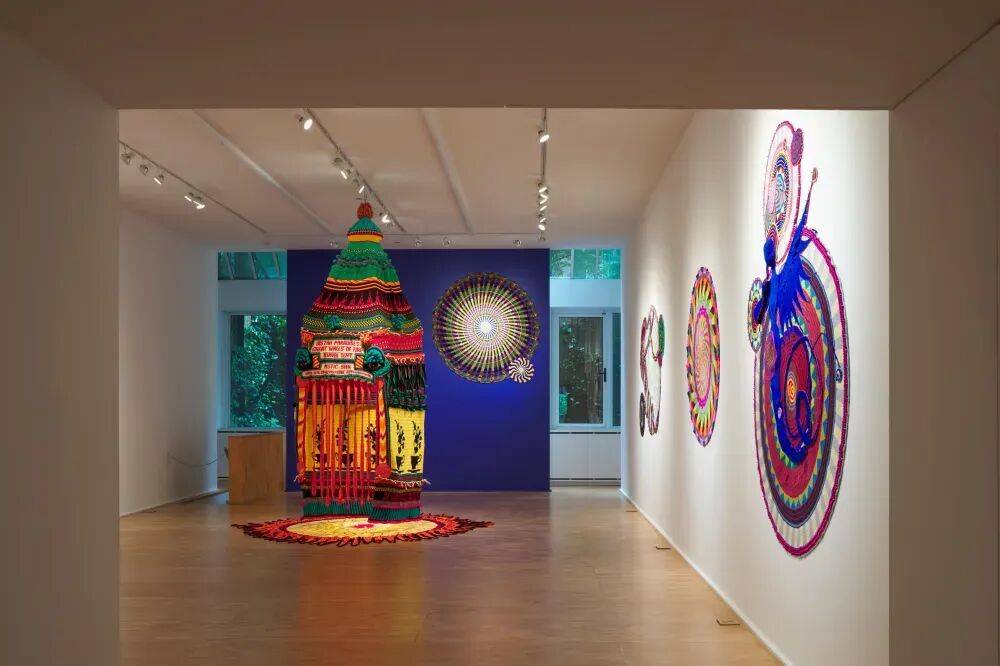
In August 2025, the gallery’s management team announced that all of its Chelsea spaces would close by the end of the year. For management, this marked “the end of an era”: under current market and cost pressures, the model of operating a mid-sized blue-chip gallery in Manhattan had become difficult to sustain. Venus Over Manhattan. Xenobia Bailey, “Paradise Under Reconstruction in the Aesthetic of Funk: The Second Coming,” exhibition view, New York gallery space, 2024. Venus Over Manhattan, based in New York, was founded in 2012 by the collector and dealer Adam Lindemann.
Because of Lindemann’s identity as a collector, the gallery was known for exhibitions shaped by a “collector’s perspective.” It often presented works by celebrated artists such as Jean-Michel Basquiat, Jeff Koons, and Alexander Calder alongside artists who were more obscure or being rediscovered, creating a tension between market appeal and artistic value. It was regarded as a “high-profile yet intelligent” collector’s gallery. In July 2025, Lindemann published a lengthy statement announcing that the gallery would close later that month.
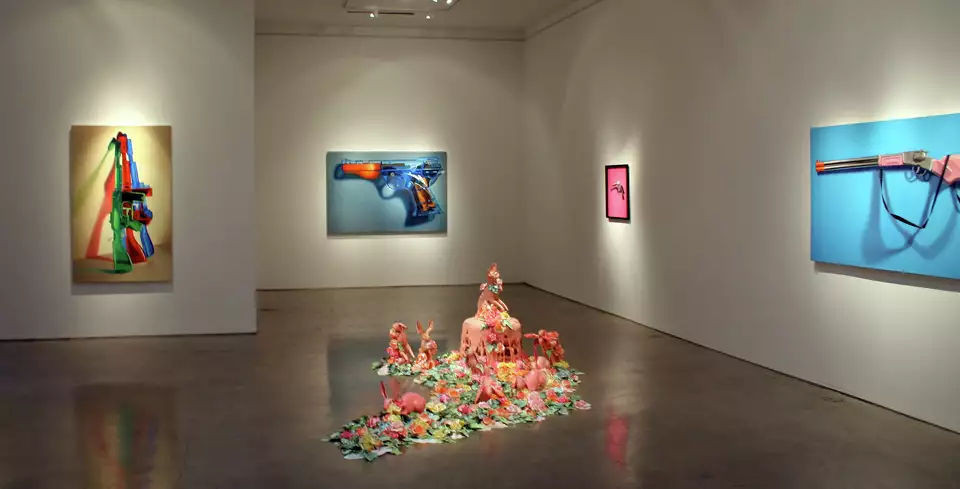
In interviews, he spoke candidly about his exhaustion from remaining on the “selling” side for so long and from keeping pace with art fairs and the market. He wanted to return to his identity as a “collector,” rather than continue as a gallery owner. Anya Tish Gallery. Paintings by Shannon Cannings and an installation by Ann Wood in “Guns and Roses” at Anya Tish Gallery. Founded in Houston, Texas, in 1996, Anya Tish Gallery was one of the city’s most important and longest-running contemporary art spaces, with a history approaching thirty years. It focused on artists from Eastern Europe, Latin America, and the local community, working across painting, sculpture, video, and photography.
SECTION 03 | Asia Region
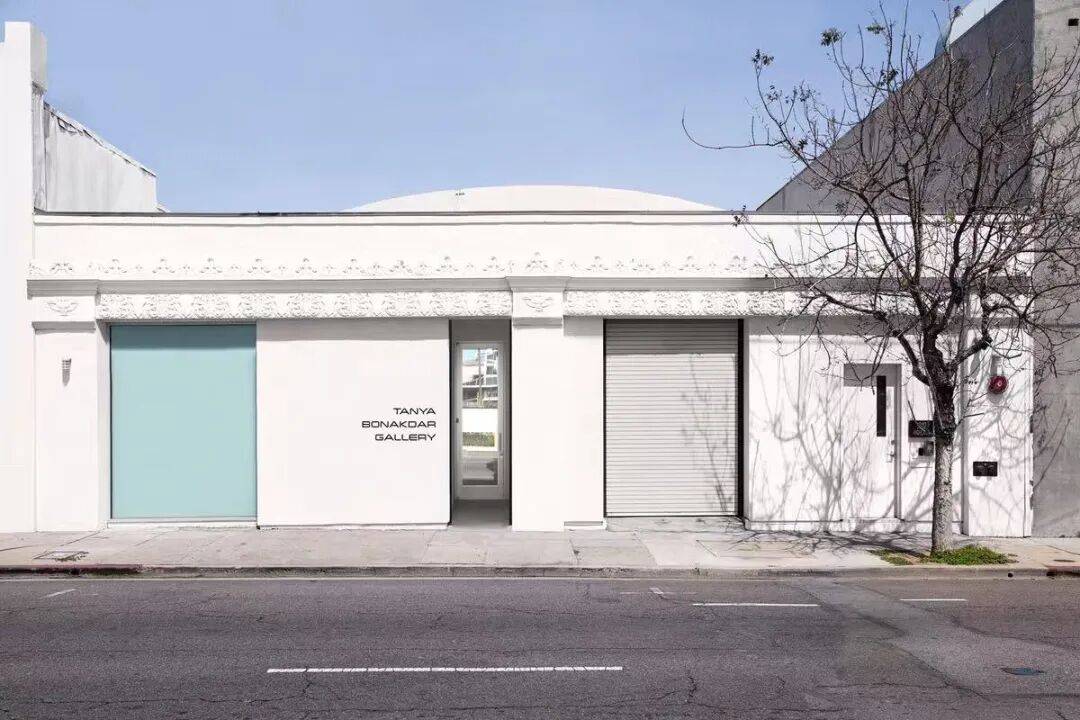
The gallery planned to close permanently on December 31, 2025. A significant factor was the death of its founder, Anya Tish, in 2024. After considering questions of succession and sustainability, the team chose to end the gallery’s business in a responsible and complete manner. Tanya Bonakdar Gallery. Los Angeles space. Exterior of Tanya Bonakdar Gallery’s Los Angeles gallery. In 1994, Tanya Bonakdar founded her eponymous gallery in New York; in 2018, she opened a Los Angeles branch in Hollywood.
In August 2025, the gallery announced the closure of its Los Angeles space, while the New York space would continue operating. The Los Angeles gallery had presented works by artists including Shilpa Gupta, Susan Philipsz, and Laura Lima. It also served as a bridge connecting West Coast institutions with important artists represented by the gallery, including Olafur Eliasson and Uta Barth.
The gallery said that, “after careful consideration, we have decided not to renew the lease,” reflecting the reassessment and contraction of satellite spaces now taking place among many mid-sized and large galleries. Almine Rech. Exterior of the London Mayfair space. Almine Rech was founded in Paris in 1989 by Almine Rech; its London Mayfair space opened in 2014.
As part of the gallery’s multi-city network, the London space exhibited and represented artists including Jeff Koons, Julian Schnabel, and Konstanze Cizek, and presented important exhibitions in Britain by artists such as Chantal Joffe and Antony Gormley. Almine Rech’s London gallery entered voluntary liquidation proceedings in August 2025; in October, the London space closed. The gallery described the closure as a “technical step”: the old lease had expired, and a new lease “no longer fit our development plans.”
The financial reports showed that the main losses arose from loans within the company, rather than unpaid sums owed to artists or employees. The gallery also emphasized that it would not leave bad debts with its partners. Project Native Informant. Sean Steadman, solo exhibition view, Project Native Informant, 2025. Project Native Informant was founded in Bethnal Green, London, in 2013 by Stephan Tanbin Sastrawidjaja.
The gallery became known for highly avant-garde projects and was often regarded as a barometer of London’s “post-internet art” and “identity-politics art.” Its collaborating artists included DIS, Juliana Huxtable, and Joseph Yaeger. In October 2025, founder Stephan Tanbin Sastrawidjaja issued an open letter announcing that the gallery would close after 12 years of operation.
He wrote, “The turbulence of the global economic, political, and social environment has made the survival of a small, experimental gallery ‘both fragile and unsustainable.’” TJ Boulting. Sarah Lucas, “Eggs is Eggs,” solo exhibition view. Located in London’s Fitzrovia, TJ Boulting was founded in 2011 by Watson and Gigi Giannuzzi. After Giannuzzi’s death in 2013, Hannah Watson began running the gallery.
The gallery was known for promoting women artists, photographers, and emerging video artists, including Sarah Lucas, uno Calypso, and Maisie Cousins. Its building, a Victorian-era terraced house, also lent exhibitions a distinctive spatial character. In February 2025, founder Watson announced that she would bring the gallery’s 12-year operation to an end.
In an interview, she described the market as “extremely difficult for small independent galleries.” Rent, staffing, and project costs no longer matched actual sales, leaving no choice but to close the space. Peres Projects. Mak2, Love Pool, Peres Projects, Berlin, 2023. Peres Projects was founded in San Francisco in 2002 by the collector Javier Peres and established a Berlin gallery in 2003. It later expanded to Milan and Seoul, once appearing to be a successful model and now standing as a cautionary example of overexpansion.
The gallery was long regarded as an exemplar of “sharp aesthetics.” It helped discover many young, avant-garde artists, including Terence Koh, Dan Colen, Donna Huanca, and Dalton Gata, among others. It also brought Chinese artists including Mak2 and Li Shuang to Europe, breaking through to a broader audience. In April 2025, Peres Projects’ Berlin space entered insolvency administration in a German court; the Milan space closed, and the Seoul branch was also scheduled to close before the end of 2025.
The reasons for the closure were clear: legally, it was defined as formal bankruptcy. Overexpansion, multi-city operations, unpaid bills, and broader market pressure combined to create a fiscal imbalance. Galerie Francesca Pia. Wade Guyton, solo exhibition view, Galerie Francesca Pia, Zurich, 2025. Located in Zurich, Switzerland, Galerie Francesca Pia was founded by Francesca Pia in 1990. It was initially based in Bern and moved to Zurich in 2007, establishing a space within the Löwenbräukunst complex. It was a European gallery with a 35-year history.
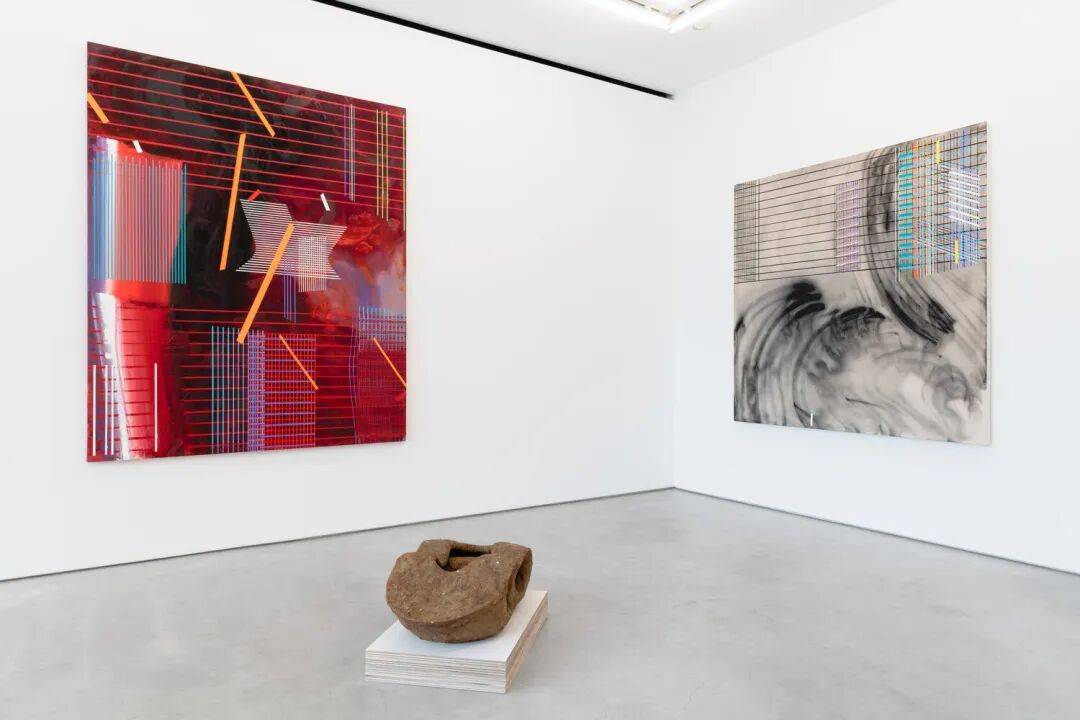
The gallery had long been considered one of Europe’s most discerning, particularly adept at identifying and supporting emerging artists. Its represented artists included Wade Guyton, Monika Baer, and Alex Israel. In October 2025, the gallery announced its permanent closure, saying in an official statement that the overall downturn in the global art market had made it increasingly difficult to sustain a gallery with decades of history at its current scale and pace.
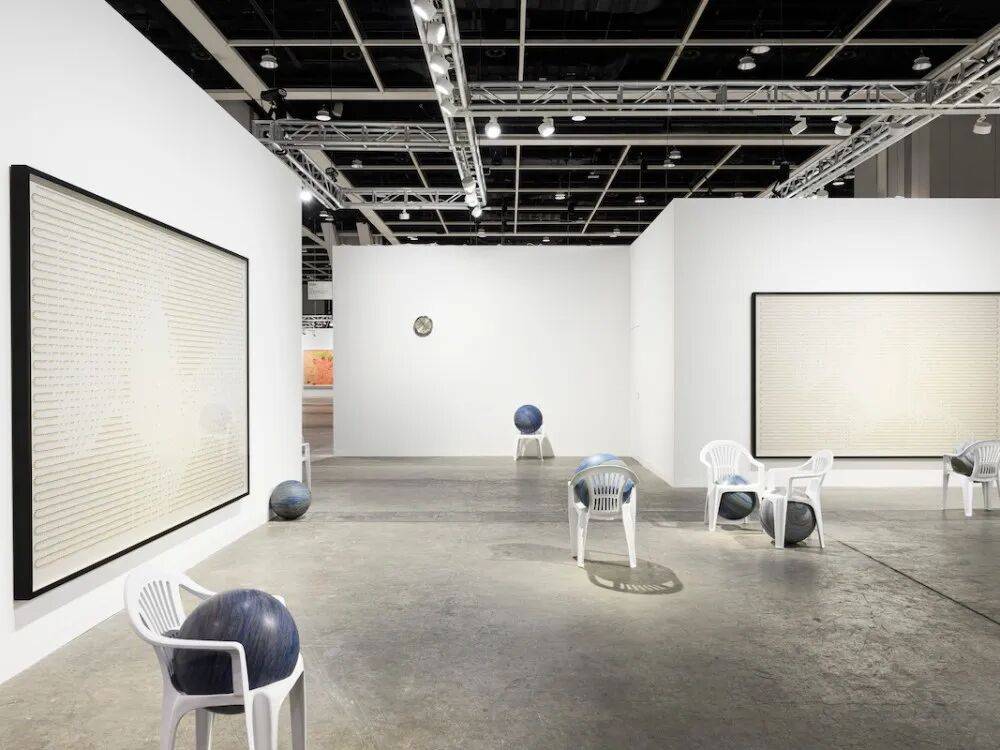
Pace Gallery. Song Dong exhibition in Pace Gallery’s Hong Kong H Queen’s space. Pace Gallery entered Hong Kong in 2014 and moved to the H Queen’s building in Central in 2018. As part of an international mega-gallery network, Pace represents artists and artist estates including Yoshitomo Nara, David Hockney, Agnes Martin, and Mark Rothko.
The Hong Kong space hosted important exhibitions for Asian collectors and institutions and was one of the defining venues in the city’s contemporary art ecosystem. In October 2025, the gallery announced that the Hong Kong space would close. Pace said the lease at H Queen’s had expired and would not be renewed, but that it would retain offices in Hong Kong and Beijing and continue activities in Asia through project collaborations and temporary exhibitions. Perrotin. Emma Webster, “Floating Smoke,” exhibition view, Perrotin’s Hong Kong space, 2025. Perrotin opened a space at 50 Connaught Road Central in Hong Kong in 2012 and moved to K11 Atelier Victoria Dockside in Tsim Sha Tsui in 2020. It was among the earliest European galleries to enter Hong Kong, presenting important projects by artists including Maurizio Cattelan, Takashi Murakami, KAWS, and JR, and playing a significant role in the city’s emergence as an Asian art center.
In October 2025, the gallery withdrew from the K11 space, ending six years of operation at that location. It was reportedly also planning to open a new gallery space in Central. Various Small Fires (VSF), Seoul space. Alex Foxton, “Sebastian,” solo exhibition view, 2024. VSF was founded in Los Angeles by Esther Kim Varet and opened a Seoul branch in Hannam in 2016. It also maintained spaces in Dallas and Orange County in the United States.
The gallery was known for its transpacific roster of artists. Its Seoul space had presented important exhibitions by artists including Kyungmi Shin, John Miller, and Lumin Wakoa. In mid-2025, the storefront of VSF’s Seoul space stood empty with a “For Lease” sign. The gallery said that the South Korean art market had cooled markedly in 2024–2025, while VSF characterized the change as a “strategic consolidation” and said it would retain its spaces in Los Angeles, Dallas, and Orange County.
König Galerie. Seoul space. Ayako Rokkaku, “Mountains of Nameless Emotions,” exhibition view, 2025. Johann König founded König Galerie in Berlin in 2002, and the gallery also has branches in Mexico City and Munich. Its Seoul space opened in April 2021. Although there was no official announcement of its closure by 2025, it had remained without exhibitions or activities since Ayako Rokkaku’s show ended in January of that year.
Media and market analysts generally believe that too many international galleries entered Seoul within a short period, while the market’s momentum quickly receded. As a result, some international brands chose to withdraw quietly or suspend operations.