With the Olympics barely behind it, Paris is preparing for another large-scale cultural spectacle: from October 18 to 20, 2024, the third edition of Art Basel Paris will be held for the first time in the newly restored Grand Palais, with 195 leading galleries from 42 countries and territories......
By / Xirui Huang · 9 min read
What different routes into Art Basel Paris did the 2024 preview identify?
The 2024 Art Basel Paris preview begins with the move to the Grand Palais and considers architecture, special initiatives and public art as points of entry. Oh La La! encourages visitors to revisit booths for unexpected works, while historical artists appear alongside newer projects. Art in streets and other public settings extends the route beyond the venue. The article describes the arrangements for that edition, rather than announcing an upcoming event today.
Field | Art Basel Paris Enters the Grand Palais
In 2024, Paris has remained unusually visible, with the excitement of the Olympics not yet fully faded. From October 18 to 20, the third edition of Art Basel Paris will be held for the first time in the newly restored Grand Palais. The fair will bring together 195 leading galleries from 42 countries and territories, including 64 with exhibition spaces in France and 53 first-time participants, an increase of nearly a quarter over last year.
At the 2023 edition of Art Basel Paris, this year’s fair has also added the new Premise sector and the “Oh La La!” section, while public projects have grown from 5 to 10. In terms of venue, works, scale, and citywide momentum, it marks a new high. We have selected four major highlights from this year’s main fair. Grand Palais, 2024, photograph by Aliki Christoforou. The Grand Palais was built in 1900 for the Paris Exposition Universelle and has now stood for 124 years.
SECTION 01 | Exhibition at the Centennial Grand Palais in Paris
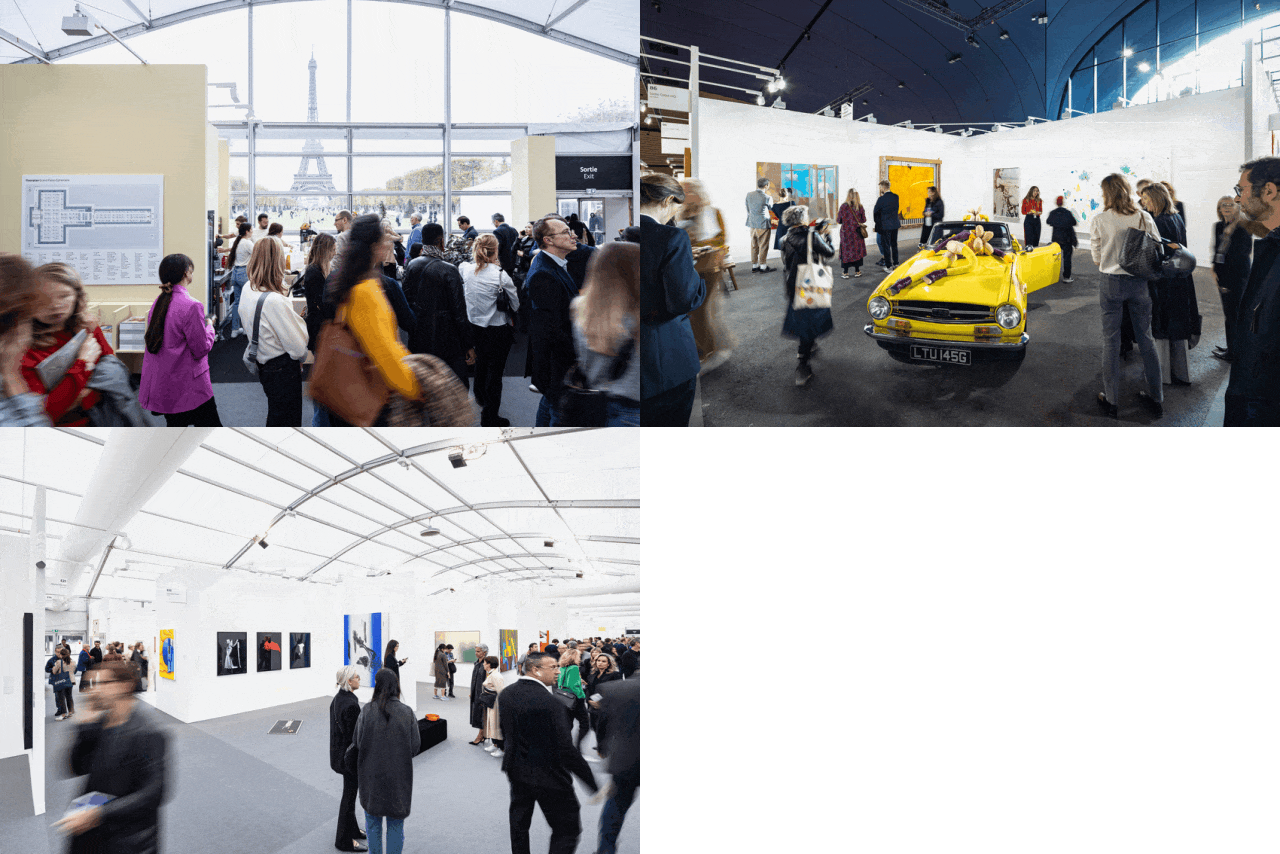
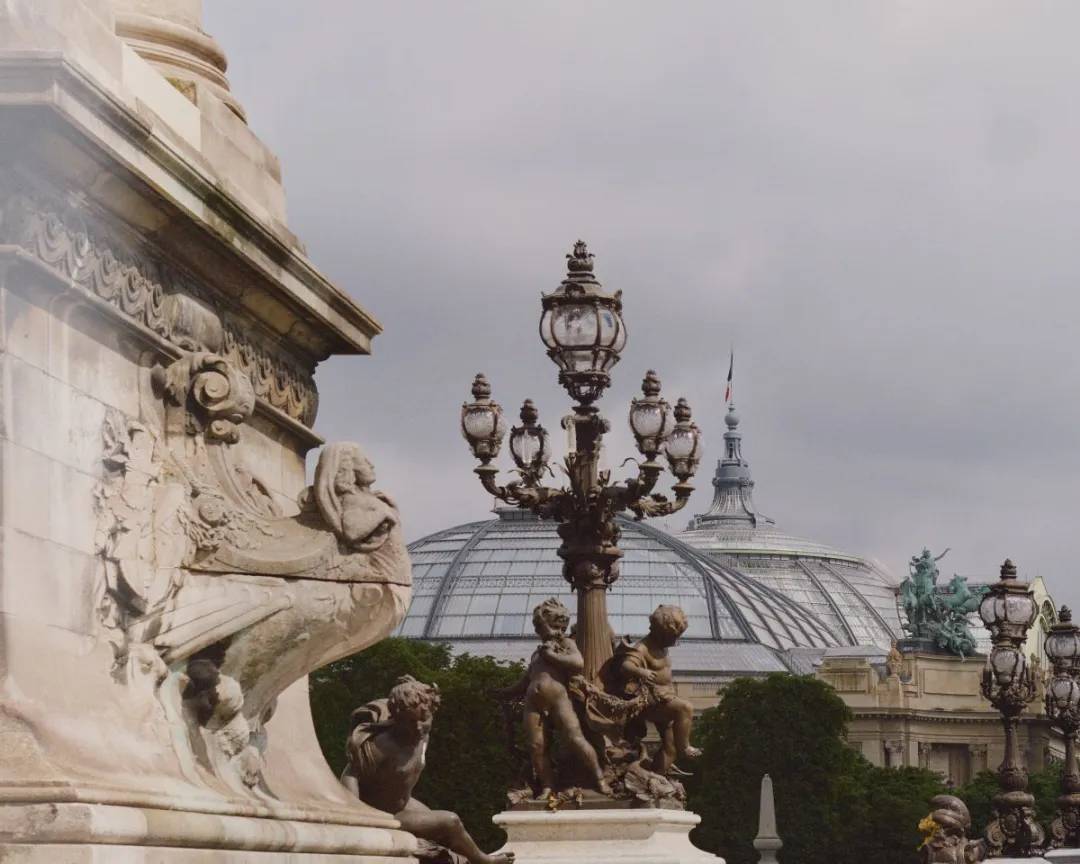
After three years of restoration, the building’s original decorative sculptures, facade, and interior ornament have all been refreshed. This will be its first time reopening to the public for an art event of this scale, and it is perhaps only a long-established fair like Art Basel that can command such a setting. Many will already have seen the renovated Grand Palais in broadcasts from the Paris Olympics. With the Olympics’ blue-violet signage removed and the building restored to its historic appearance, visitors this year will be better able to feel the spaciousness of the hall, especially beneath its iron-and-glass roof, where natural light is used to the fullest so that even prolonged viewing does not tire the eyes.
Grand Palais, 2024, photograph by Aliki Christoforou. The restoration has also reopened the broad sightline between the nave and the Palais de la Découverte, and between the Champs-Élysées and the Seine. In other words, while looking at the works on view, visitors can also take in the street scenes and architecture along the river through the overhead light and the natural light entering from the tall side windows. Along with the upgraded venue, the fair, which debuted in 2022 under the name Paris+ par Art Basel, has now been formally renamed Art Basel Paris. That change suggests that the Paris fair will become a more important branch of the larger enterprise, with deeper and closer ties to the city’s cultural life.
SECTION 02 | The new column "OhLaLa! Creates a new exhibition route
At the 2023 edition of Art Basel Paris, the new “Oh La La!” section differs from a traditional new sector in one important respect: it will not open on the VIP preview day, October 16, but instead during the public days of October 18 and 19, allowing more art lovers and tourists from outside the professional world to take part in the fair.
“Oh La La!” will break with the usual viewing route, linking 35 gallery booths into a playful itinerary that responds to this year’s themes: love, eroticism, the legacy of Surrealism, queer identity, and history. The works shown in the section will all be pieces that did not appear during the VIP days of the 16th and 17th, including sculpture, painting, special-edition works on paper, and installations. That gives the fair a renewed sense of freshness after the two VIP days.
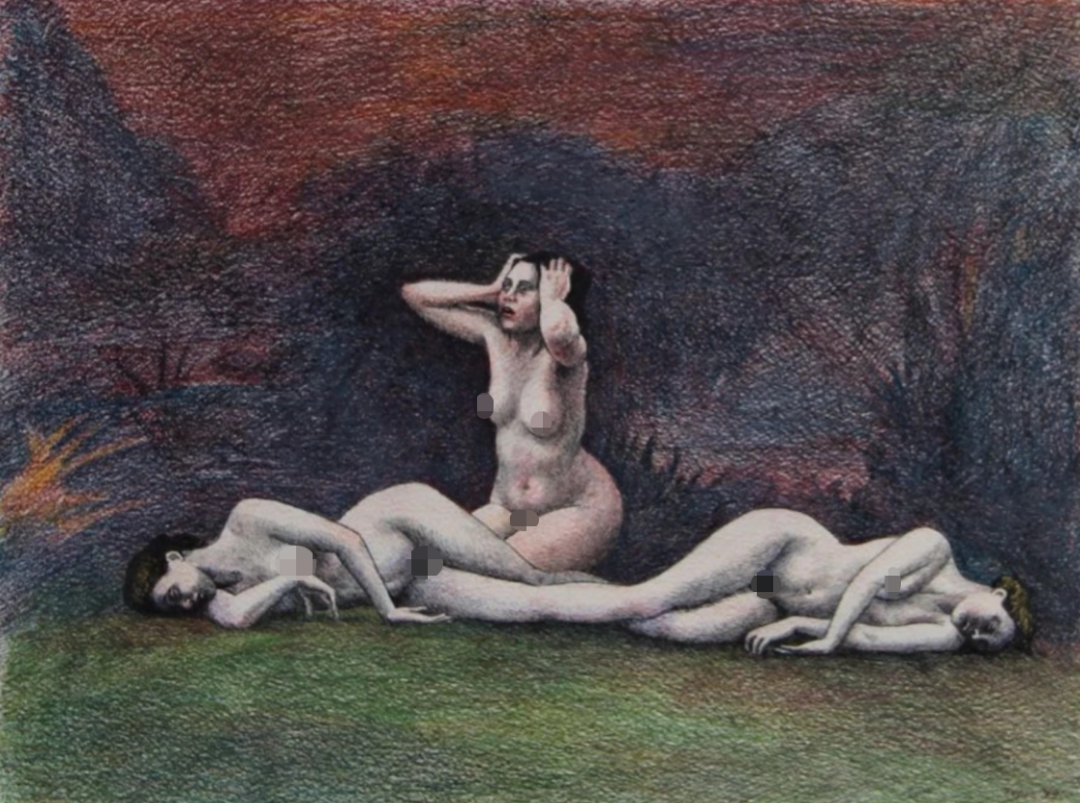
Roland Topor, installation view of the solo exhibition Oh la la, Le Consortium, Dijon, 2022. Image courtesy Le Consortium. Roland Topor, Oh la la, 1973. Of particular note is the section’s namesake work, Oh la la (1973), by the French illustrator, cartoonist, and filmmaker Roland Topor.
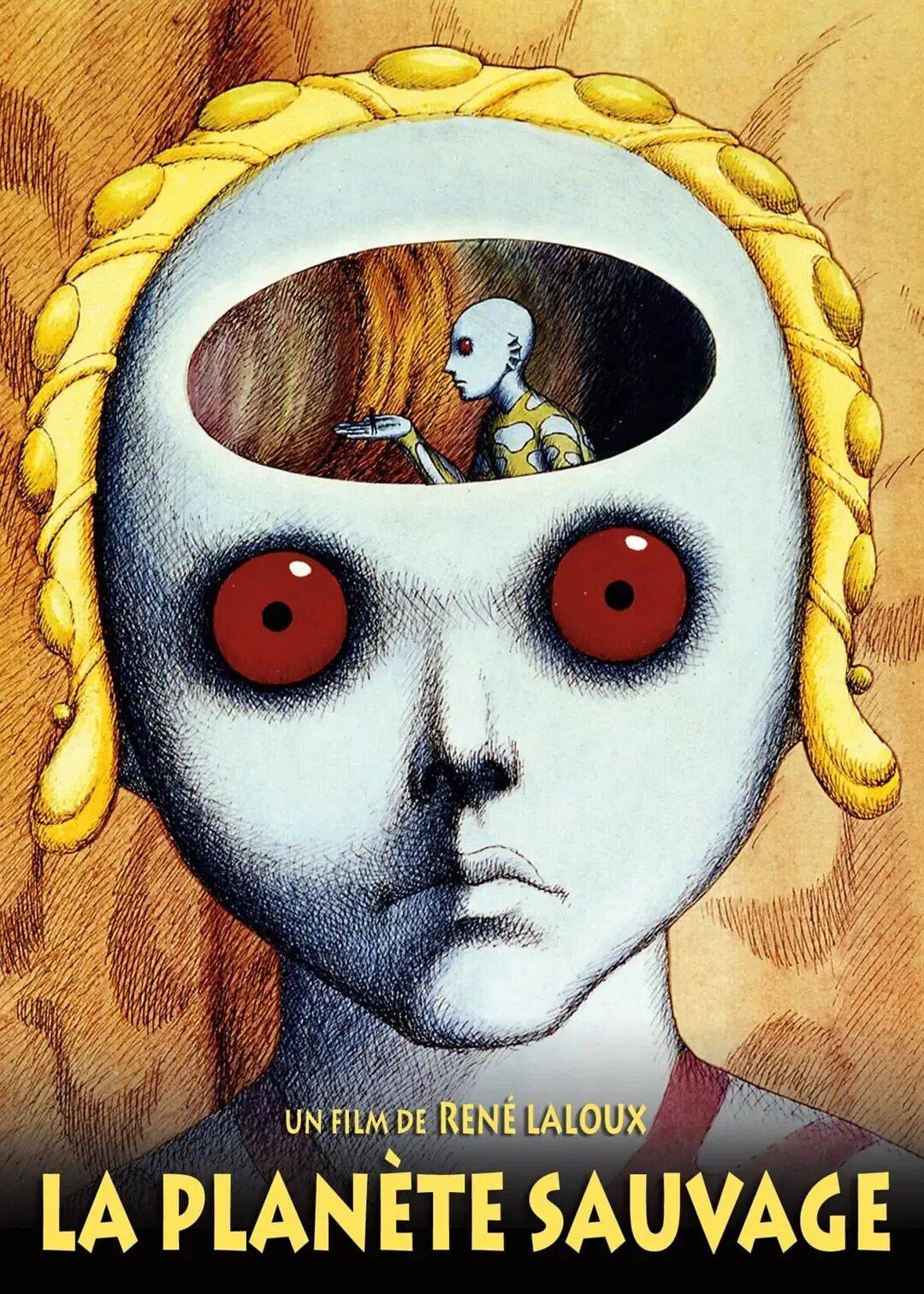
The work depicts three women in different states of consciousness within a mysterious natural setting. Their expressions inevitably call Munch to mind, and the picture is steeped in a Surrealist atmosphere. Roland Topor’s poster for La Planète sauvage. He may be best known, of course, for the poster he made for the avant-garde animated film La Planète sauvage, as well as for the film’s darkly strange and compelling visual style.
Installation view of Gaëlle Choisne solo exhibition, Nicoletti Contemporary, London. Photograph by David Barreiro. A large ceramic work by this year’s Prix Marcel Duchamp nominee Gaëlle Choisne, L'éveil du cosmos (2022), will also be shown at the fair.
The surface of the work is covered with holes, inviting cosmic associations. On the 17th and 18th, the artist will place black and green olives inside it, heightening its visual force. Installation view of Marcel Broodthaers retrospective, MoMA, New York, 2016. Claes Oldenburg, Shuttlecock, 1992. Works by the deeply influential Belgian artist and poet Marcel Broodthaers and by the American Pop artist Claes Oldenburg will also be on view; Oldenburg is best known for turning everyday objects into soft, flowing monumental sculptures.
Xia Shafei, installation view of the solo exhibition Bao Shan Bao Hai, 2023. Xia Shafei, Happy Tiger, 2023. Works by the young Chinese artist Xia Shafei also appear in this new section. Born in Shaoxing, she studied set design at Chongqing University and moved to Shanghai after graduating in 2013, leaving behind a stable job in her hometown. She later relocated to Bologna, where she has continued to live and work. She often uses the tiger as a stand-in for herself, and that wildness is reflected in her art; her signature style draws inspiration from nineteenth-century Chinese erotic paintings.
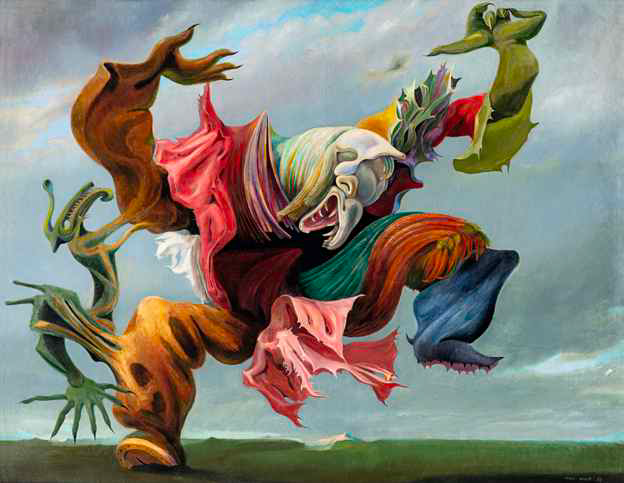
Max Ernst, The Angel of the Hearth (The Triumph of Surrealism), 1937. This work is currently on view at the Centre Pompidou. During the run of Art Basel Paris, the Centre Pompidou is mounting a major Surrealism exhibition, and many galleries, in celebration of the centenary of the movement, are bringing important works by twentieth-century masters such as Salvador Dalí, Joan Miró, Max Ernst, René Magritte, and Roberto Matta.
René Magritte, Le sourire du diable, 1965. Lucio Fontana, Concetto spaziale, Attesa, 1960. Among them are Magritte’s 1965 masterpiece Le sourire du diable and the historic work Concetto spaziale by the Italian artist Lucio Fontana, from 1960.
Art Basel Paris Enters the Grand Palais
Important paintings by Óscar Dominguez, Wifredo Lam, André Masson, and Roberto Matta will also be included. Pablo Picasso, Mousquetaire, 1967. Beyond Surrealism, twentieth-century Cubism, Futurism, Vienna Secession, Pop, and abstraction will occupy a more prominent place in the fair, suggesting a return to more classical, conservative taste.
These include works from different periods by Egon Schiele, paintings by George Grosz, František Kupka’s abstract oil painting Alternances (1935), and Pablo Picasso’s Mousquetaire from 1967. Jean-Michel Basquiat, Rodo, 1984. There will also be a characteristic Pop work by Roy Lichtenstein, Keith Haring’s Untitled (for John Sex) from 1982, and Basquiat’s early work Rodo from 1984.
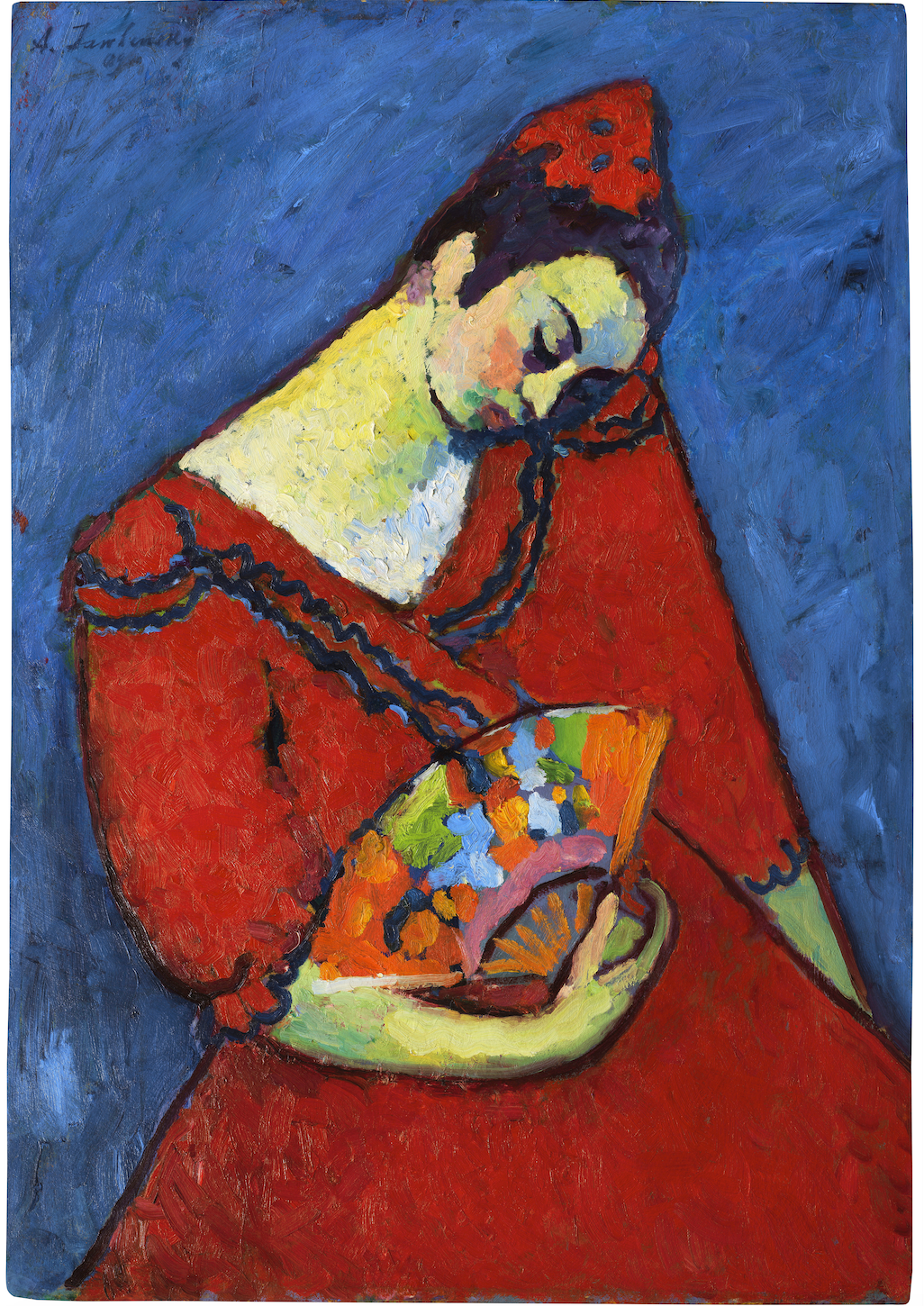
Alexej von Jawlensky, Spanische Tänzerin, 1909. Visitors will also be able to see Jawlensky’s 1909 oil painting Spanische Tänzerin, a work that has not been publicly exhibited for many years.
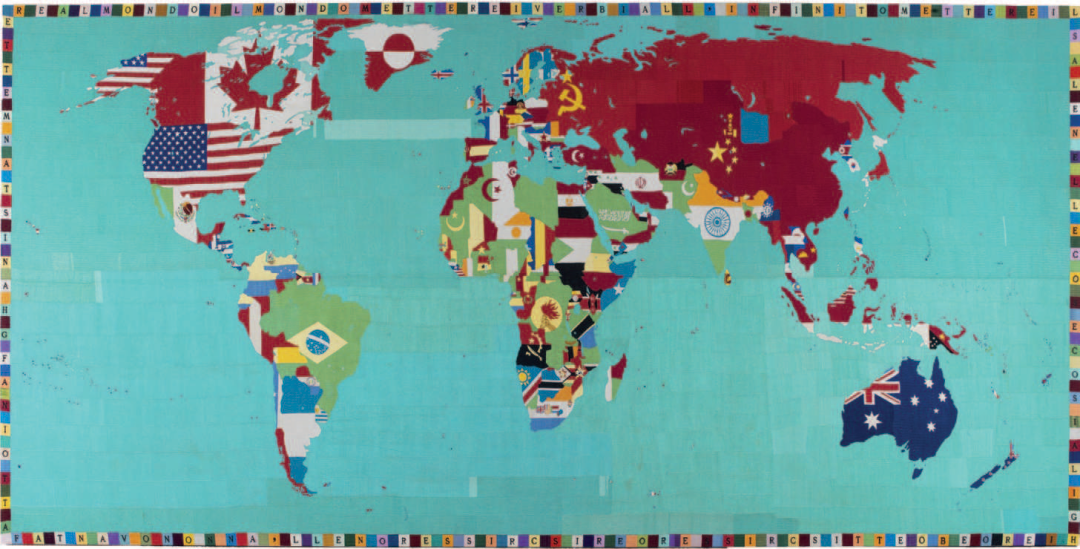
Beyond the masterworks already mentioned, another group of galleries is bringing emblematic works from the Italian Arte Povera movement, which emerged in the late 1960s. The selection echoes the major Arte Povera exhibition now underway at the Bourse de Commerce through the Pinault Collection in Paris. Alighiero Boetti, Mappa, 1989-91. Highlights include works by Jannis Kounellis, one of the pioneers of postwar European art; by Michelangelo Pistoletto, one of the only surviving founding figures of Arte Povera; and by Pier Paolo Calzolari, among others.
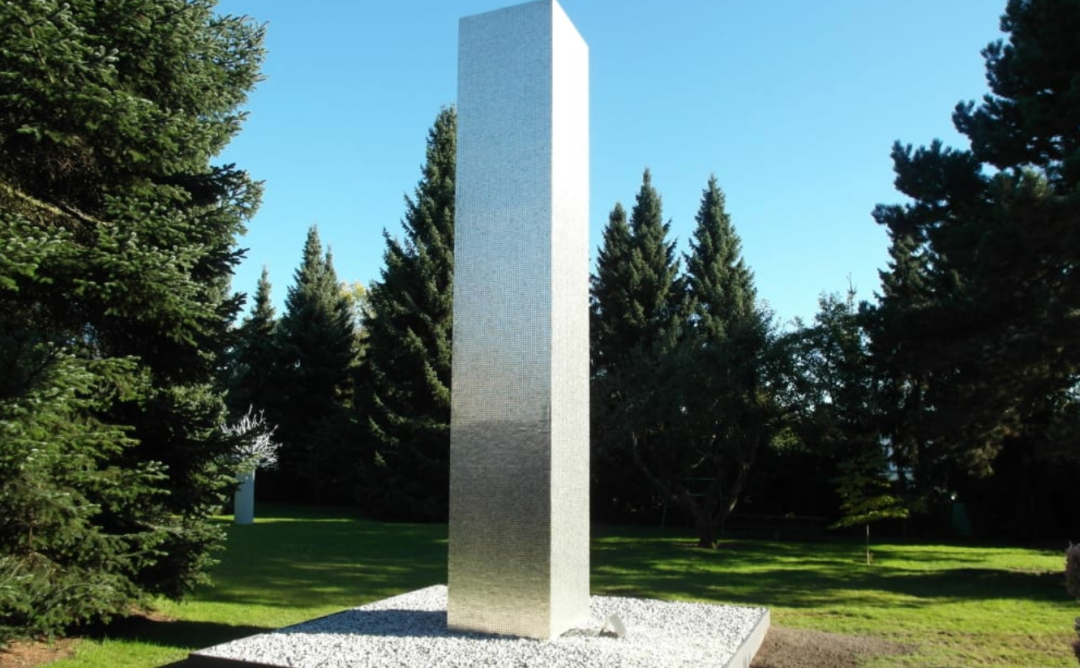
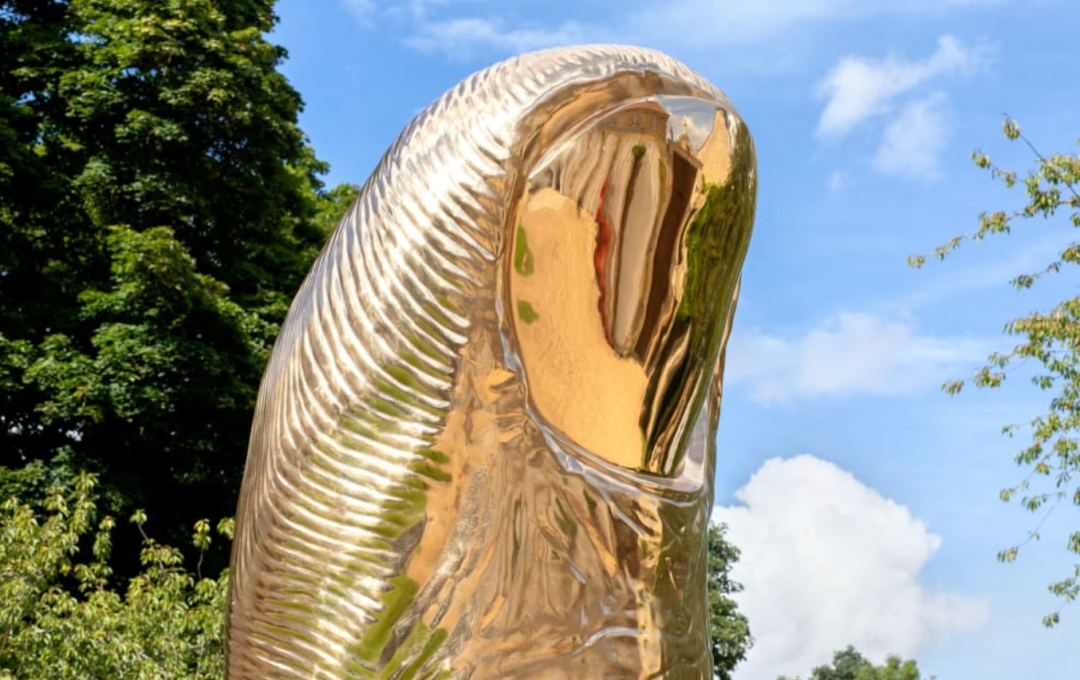
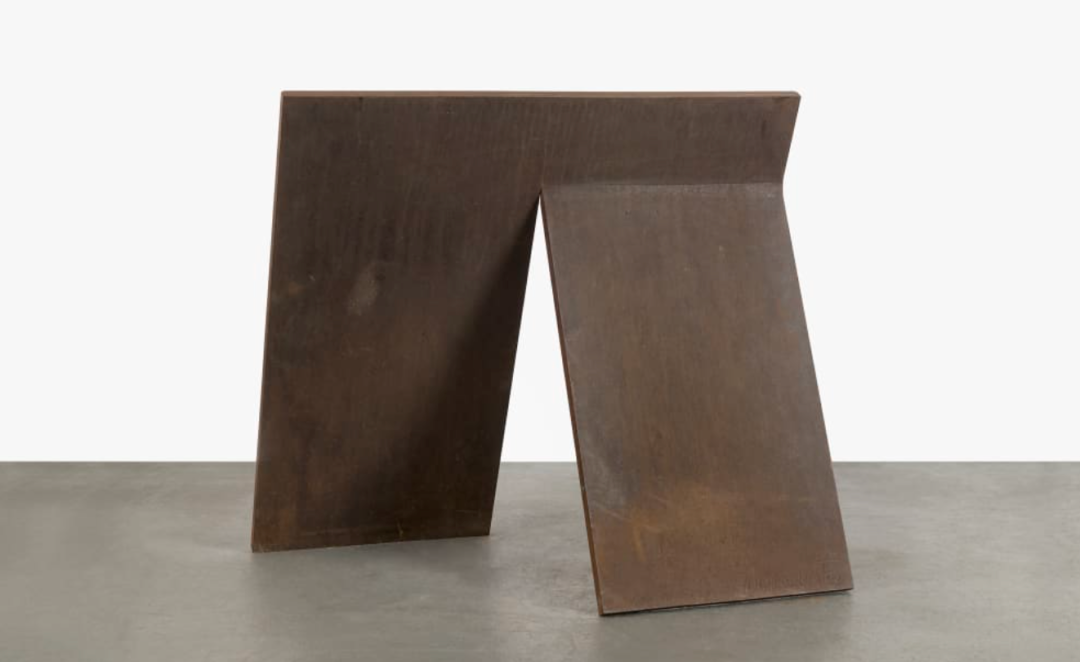
One of the highlights is the six-meter-long Mappa by Alighiero Boetti, a work that has never been exhibited before. It is also the only one of the artist’s four large embroidered world maps to make its debut here. Installation view of public art at Art Basel Paris, 2023. The Paris fair is clearly placing unusual emphasis on public art this year, doubling the number of venues from 5 to 10. New sites include the sculpture garden of the Domaine national du Palais-Royal, the Cour de l’Hôtel de la Marine, the Petit Palais, Avenue Winston-Churchill, and the Hôtel de Sully.
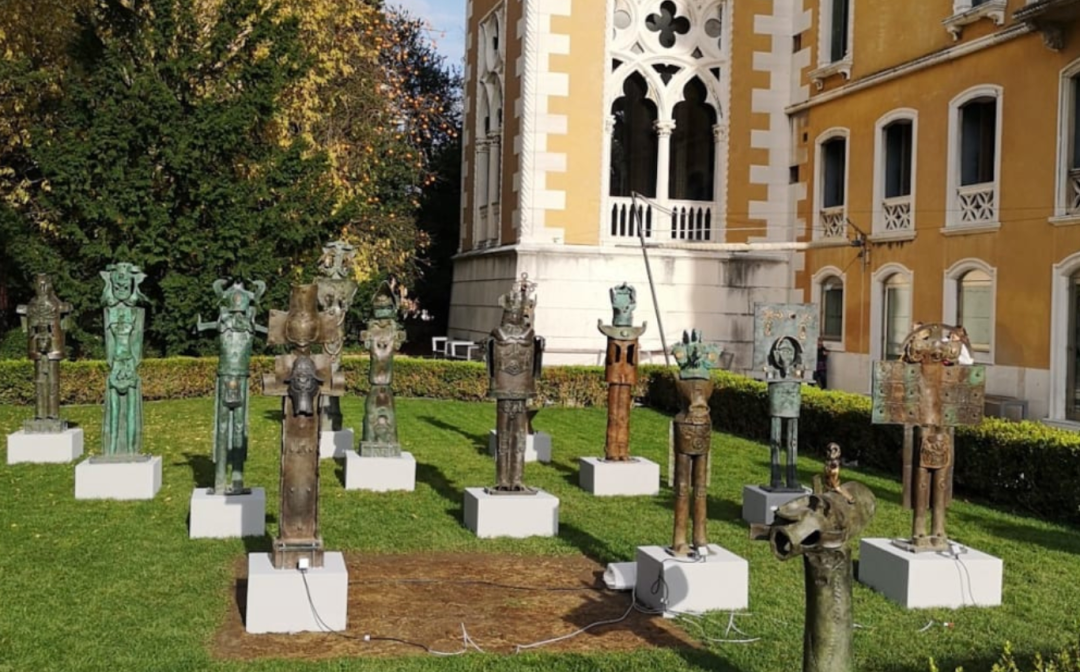
At the Palais-Royal garden, the tradition begun last year in the Tuileries will continue with large-scale sculptures by 7 artists. Ghada Amer, Paravent Girls, 2021-2022. Heinz Mack, Silver Stele, 2015. César, Pouce, 1965-1988. They include Ghada Amer’s large bronze Paravent Girls, Heinz Mack’s signature Silver Stele, and César’s famous thumb.
Amilcar de Castro, Untitled, 1990. Richard Long, Gold Rus, 2006. Thomas Schütte, Tribute to Moondog, 2024. Roberto Sebastian Matta, Matta’s Tribal Sculpture, 1991-2009. Also included are Amilcar de Castro’s distinctive steel sculptures made with a single cut and bend; Richard Long’s granite “stone array,” Gold Rus; Thomas Schütte’s charming bronze Moondog; and Roberto Sebastian Matta’s group of sculptures, which resemble totems from another world.
SECTION 04 | Spectacular Public Art
Petit Palais. Jesse Darling, Big Dipper, 2023. Another venue, the Petit Palais, was built, like the Grand Palais, for the 1900 Exposition Universelle and stands directly opposite the main fair site. It will host the exhibition of dialogue between Art Basel and the artist Jesse Darling.
Yayoi Kusama, PUMPKIN (L), 2014. Installation view, Museum of Islamic Art, Doha, 2022-2023. Photograph by Raviv Cohen. Jean Prouvé, Maison démontable, 1944. On Avenue Winston-Churchill, between the Grand Palais and the Petit Palais, there will be abstract sculptures by John Chamberlain, Yayoi Kusama’s large pumpkin, and Jean Prouvé’s 1944 demountable house.
Takis, Aeolian, 1986. At the Cour de l’Hôtel de la Marine, the work on view is Takis’s Aeolian, a wind-powered sculpture by a key figure in kinetic art. The project “Tales and Tellers,” at the Palais d'Iéna, grows out of Miu Miu’s Women’s Tales, the series of short films it has produced since 2011.
This year, the project invited the Polish multidisciplinary artist Goshka Macuga to conceive and produce a new women’s tale; notably, the artist was also elected a Royal Academician in Britain this year. Lynn Chadwick, Stranger III, 1959. Photograph by Claire Dorn. At the Hôtel de Sully, 60 works by the twentieth-century sculptor Lynn Chadwick, made between 1947 and 1962, will be on view.
It is his first exhibition in France since his 1957 show at the Musée National d'Art Moderne in Paris, a gap of exactly 67 years. Niki de Saint Phalle, Arbre Serpents, 1988. Niki de Saint Phalle, who was afraid of snakes as a child, presents at the Parvis de l’Institut de France a “snake tree” made of mirrored fragments, glass, mosaic, and gold leaf, turning a childhood fear into a playful and seductive emblem of good fortune.
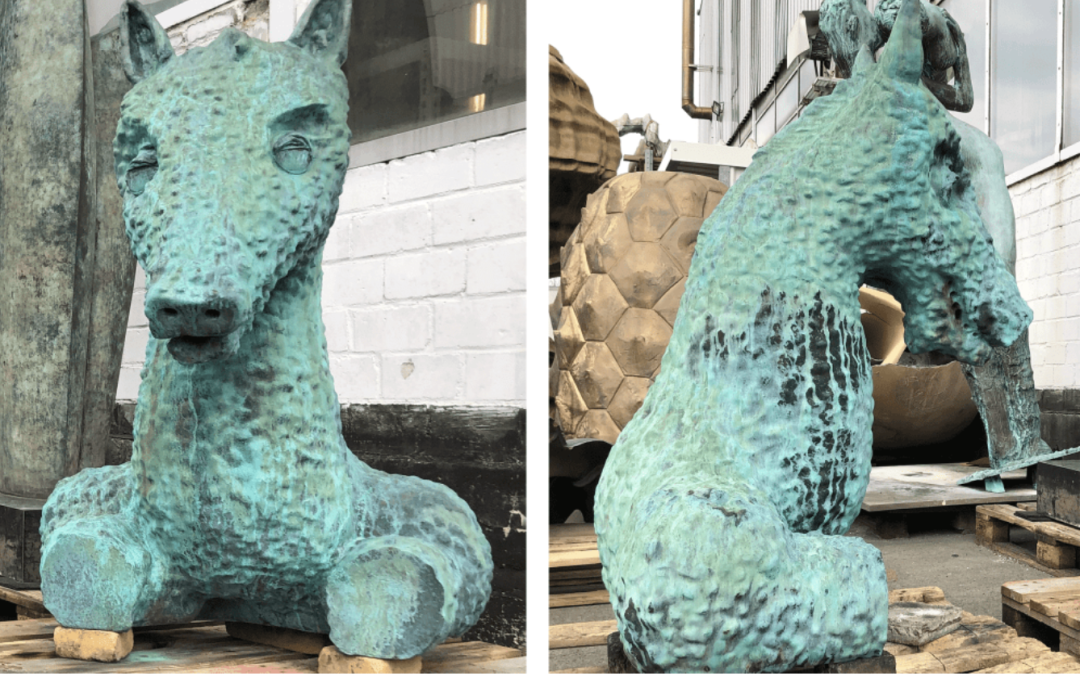
Ali Cherri, installation view of the solo exhibition If you prick us, do we not bleed?, National Gallery, London, 2022. In Ali Cherri’s work, archaeology and contemporaneity are joined in a distinctive way. Piled eyeballs, roughly severed wooden bodies, specimens resembling animals: he is particularly interested in the hidden histories of excavated institutional artifacts and in the racial dislocations produced by war and violence. That is why his work often feels eerie, yet also carries a certain historical gravity.
Shown alongside historical paintings and sculpture at the Musée national Eugène-Delacroix, his work enters into a strange dialogue with them. Jean-Charles de Quillacq, installation view of Des corps, des écritures, Musée d’Art Moderne de Paris, 2021. Photograph by Aurélien Mole. Jean-Charles de Quillacq, A real boy, 2024. At the Chapelle des Petits-Augustins des Beaux-Arts de Paris, visitors will find Jean-Charles de Quillacq’s less-than-religious sculptures.
Set against the splendor of the seventeenth-century chapel, fragments of the human body, jeans, bread, cigarette butts, and car coolant, either stretched out or still, are scattered through the space, seeming to mock both the instability of capitalism and the ambiguity of religion. Anca Munteanu Rimnic, Frame, 2009. During the same period as Art Basel Paris, major institutions across the city, including the Louvre, the Centre Pompidou, the Musée d’Orsay, the Fondation Louis Vuitton, the Pinault Collection, the Musée de l’Orangerie, the Palais de Tokyo, and the Fondation Cartier pour l’art contemporain, will also be presenting a series of major exhibitions.
During the run of Art Basel Paris, we will publish another article on the city’s art events and the exhibitions not to be missed. Whether readers are in Paris or elsewhere, we hope they will still be able to feel the force of the art now flaring through this energetic, diverse, and open city.