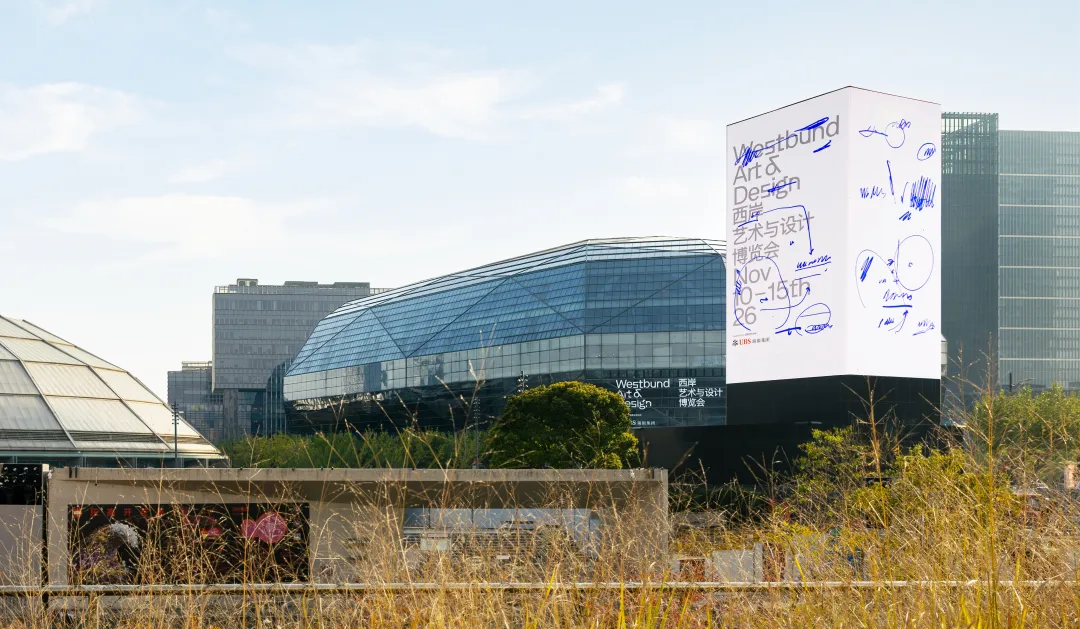
This year, it finally feels as though there is no need to rush through Shanghai’s art season.
The 13th West Bund Art & Design fair opened for its 10–15 November run. With its opening staggered a day apart from ART021, visitors no longer had to hurry off to the next fair on the same afternoon.
Many galleries told us that collectors had more time to look at works and talk at leisure. That unhurried pace seems well suited to the current mood of collecting. The words we heard again and again were “cautious” and “rational.”
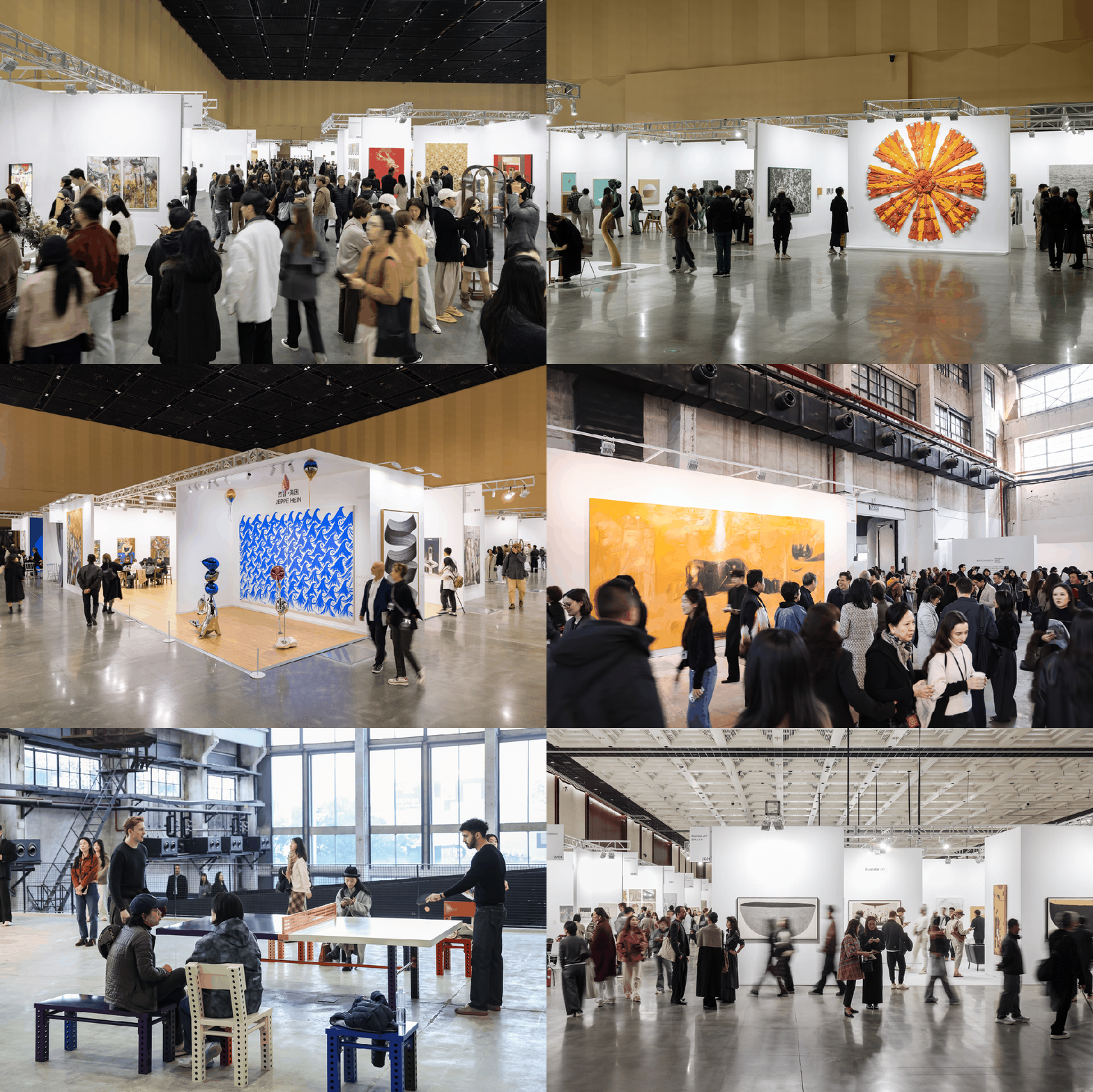
This year’s West Bund brings together more than 150 galleries and art institutions from China and abroad across four venues: the West Bund International Convention and Exhibition Center, West Bund Art Center, the Dream Factory at GATE M West Bund Dream Center, and West Bund Orbit.
Familiar international and Chinese galleries have returned, with established works and artists with highly recognisable practices especially prominent on their stands. The more cautious the market becomes, the more a work’s place in art history, institutional exhibitions and collection history matter to a sale. But does choosing an established work necessarily mean playing it safe? And how can new work win collectors over? As we made our way through the stands, different galleries offered different answers.
Interviews: Ningyu Li and Xirui Huang
Written by Xirui Huang
International Galleries: Established Works Draw Attention, as Institutions Keep Buying
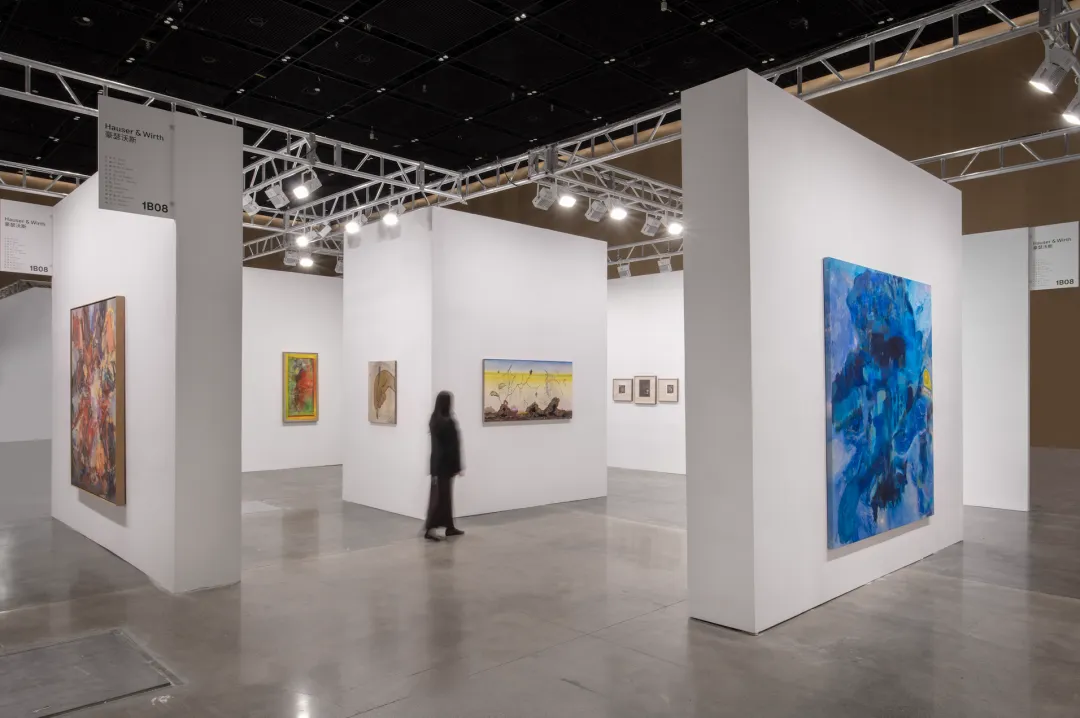
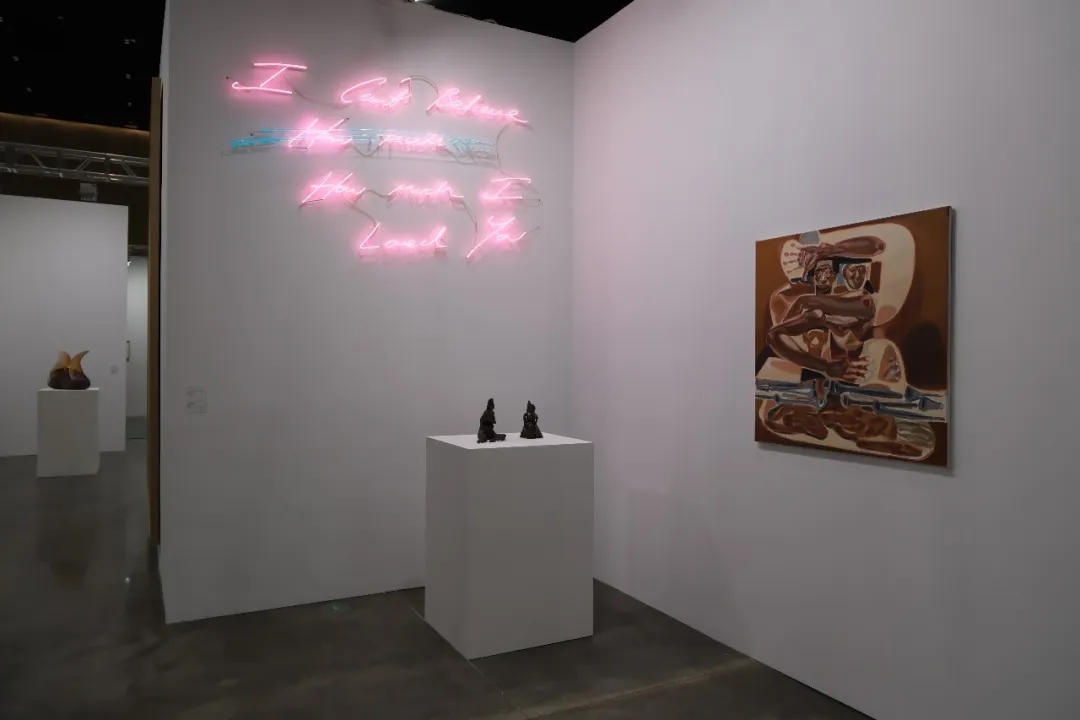
At Hauser & Wirth, Louise Bourgeois remained a name that visitors asked about repeatedly. Point of Contact, a bronze sculpture only a little over twenty centimetres wide, brings together two forms approaching from opposite directions. Their intermingling shapes address gender boundaries and the vulnerability we share.
Lihsin Tsai, Hauser & Wirth’s Senior Director and Head of Sales Asia, told us that this presentation brought together the gallery’s women artists, including Bourgeois, Nicole Eisenman, Jenny Holzer, Allison Katz, Lee Bul and Uman.
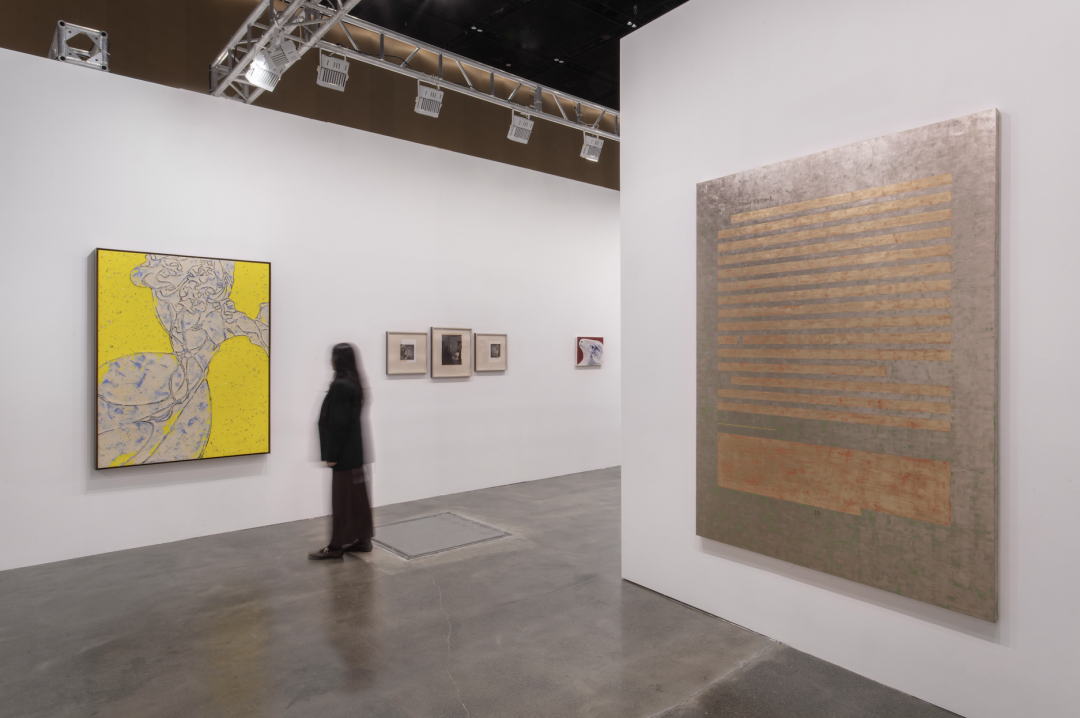
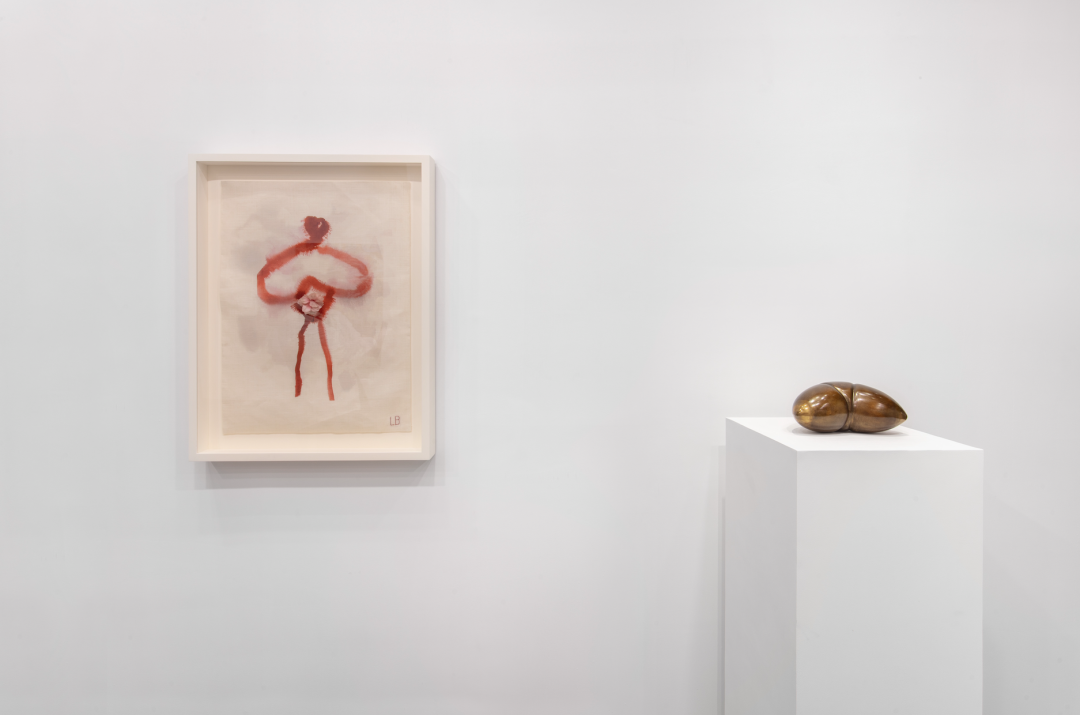
Less than an hour after the opening, two works by Bourgeois had already sold: a fabric work went to a private collection, and the sculpture to a private museum in Malaysia. Enquiries kept coming, with many visitors still hoping to see the originals up close. Longstanding friends were also quick to visit the stand, exchanging greetings and catching up.
How should established and younger artists be presented together? Tsai’s answer was that they “essentially belong to the same continuum of art history.” Contemporary artists can help us understand anew what their predecessors’ work means today, while many current practices can be traced back to the influence of twentieth-century artists.
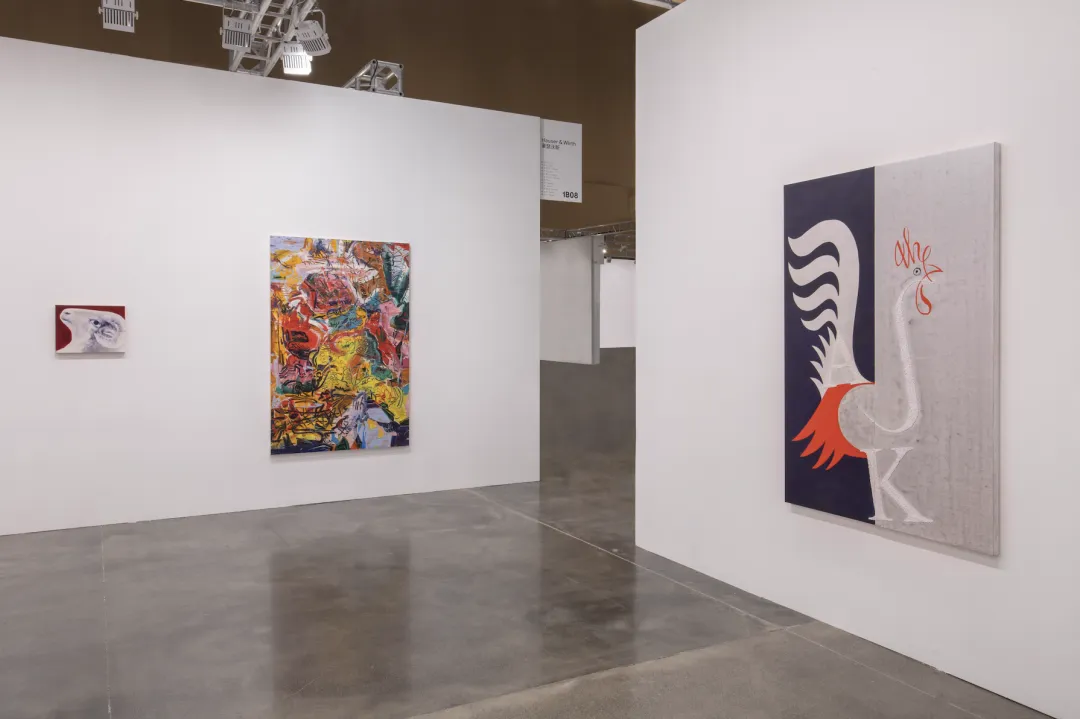
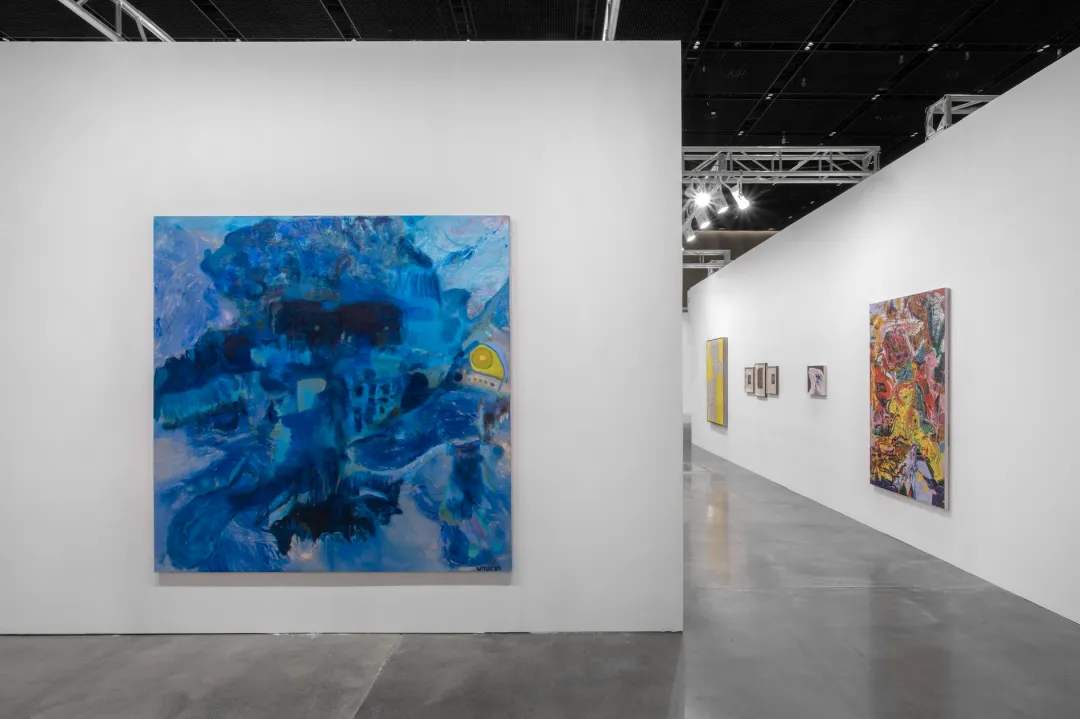
In her view, collectors’ interests do not divide along that generational line either. Rather than first asking whether an artist is a “master” or a “young artist,” what matters more is the quality of the work itself and whether it can connect with other works in a collection.
That also helps explain something shared by several major international galleries’ stands this year: works by familiar, celebrated artists provide a way into the presentation.
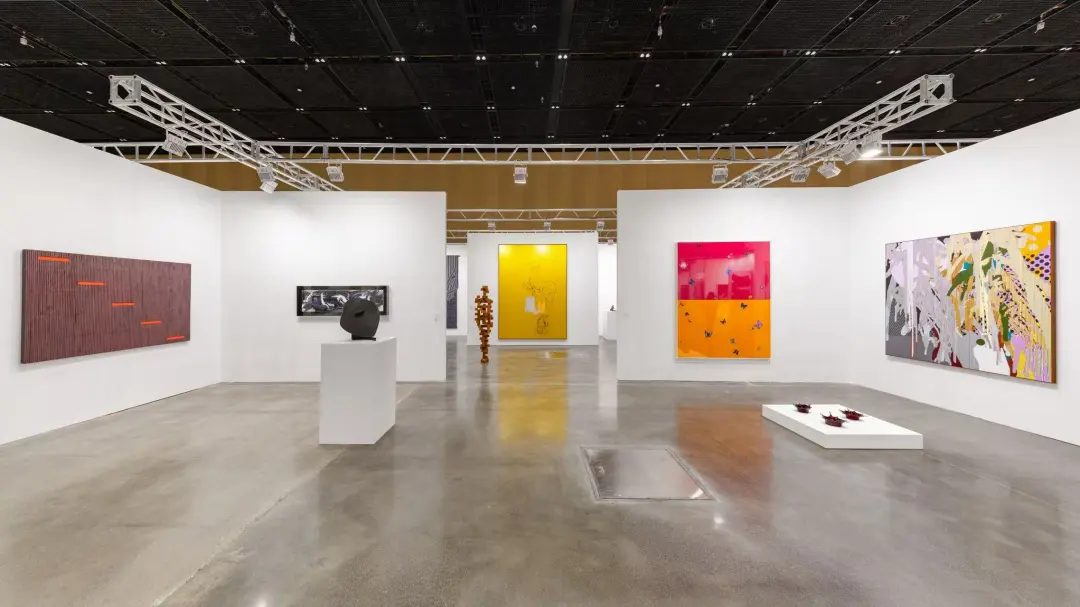
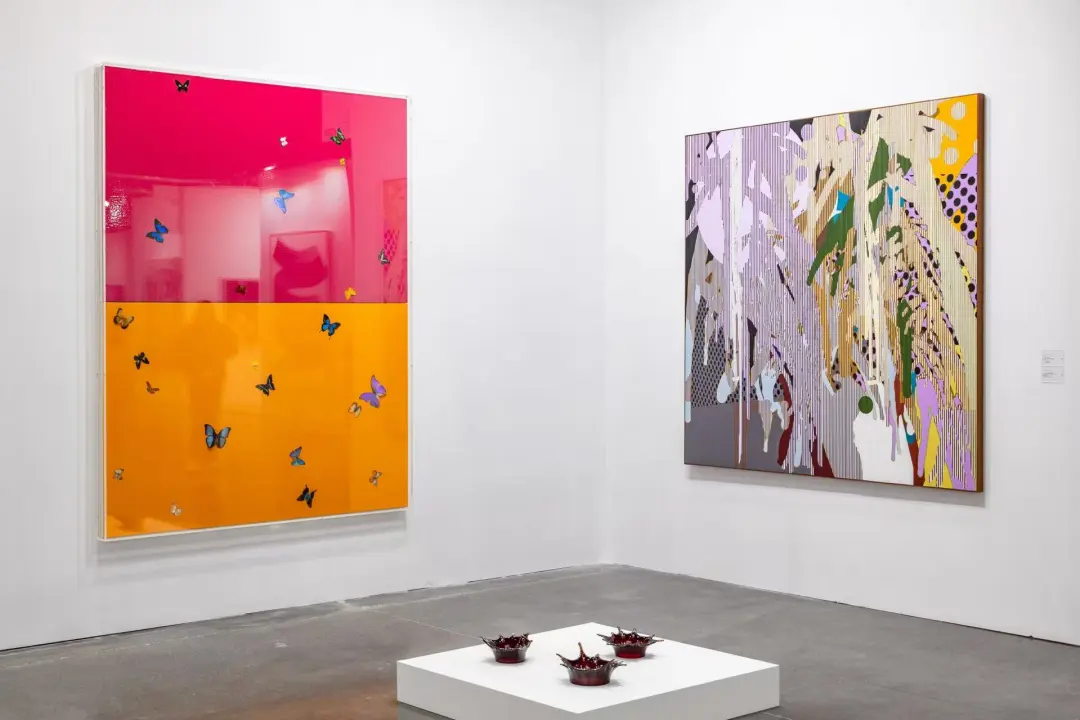
White Cube brought Georg Baselitz’s Das zweite mal Großgold (2025) alongside Tunji Adeniyi-Jones’s new painting Ivory Duet. Adeniyi-Jones will have a solo exhibition at TANK Shanghai in March 2027, offering an opportunity to continue looking beyond the fair.
White Cube said that “the gallery is placing greater emphasis on a work’s position within an artist’s practice.” As names and prices are repeatedly compared, it becomes all the more necessary to explain why a work matters and where it sits within an artist’s development.
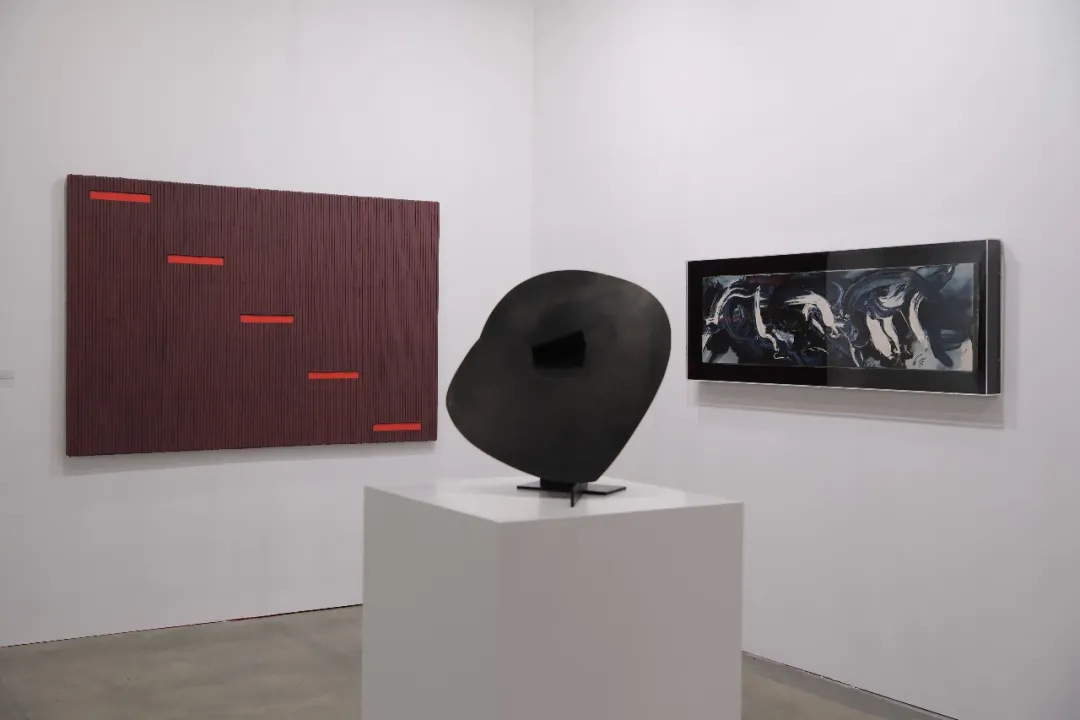
That approach also shapes the introduction of artists less familiar to audiences in mainland China. This year, White Cube is showing new works from 2026 by Shigeo Otake, made in fresco, a medium with a pronounced material presence and sense of process. It is also the first presentation of his work in mainland China since the gallery formally began representing him.
As soon as the first VIP day ended, White Cube shared a strong set of sales with us: Antony Gormley’s sculpture LOOK I sold for £500,000, and a painting by Marina Rheingantz for US$110,000. Several works by Darren Almond, Yoko Matsumoto and other artists had also sold. Ranging from sculpture to painting, the list reminds us that transactions are still taking place in a cautious market, and buyers are not concentrating solely on one star artist.
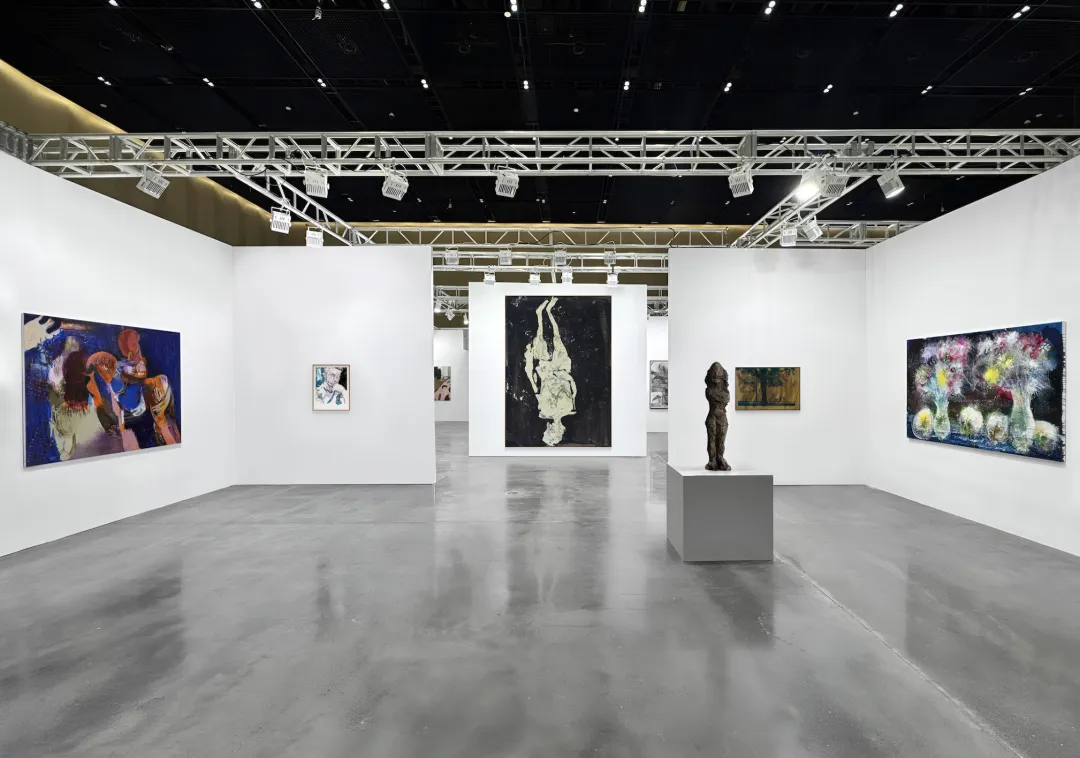
At Thaddaeus Ropac, works by established artists were interwoven with painting practices of the present. This was the gallery’s eighth year at West Bund. Director Dawn Zhu told us that Robert Rauschenberg had attracted considerable attention. In Jade Hostel (Borealis) (1989), brass takes the place of canvas, holding both images and traces of oxidation on its surface. The sculpture was inspired by photographs he took during his 1982 visit to China, which made it particularly appealing to visitors.
Reflecting on opening day, Zhu described collectors as knowledgeable and willing to spend time learning about different artists in the gallery’s international programme. Alongside local collectors and institutions were visitors from across Southeast Asia, and even collectors who had travelled from Europe.
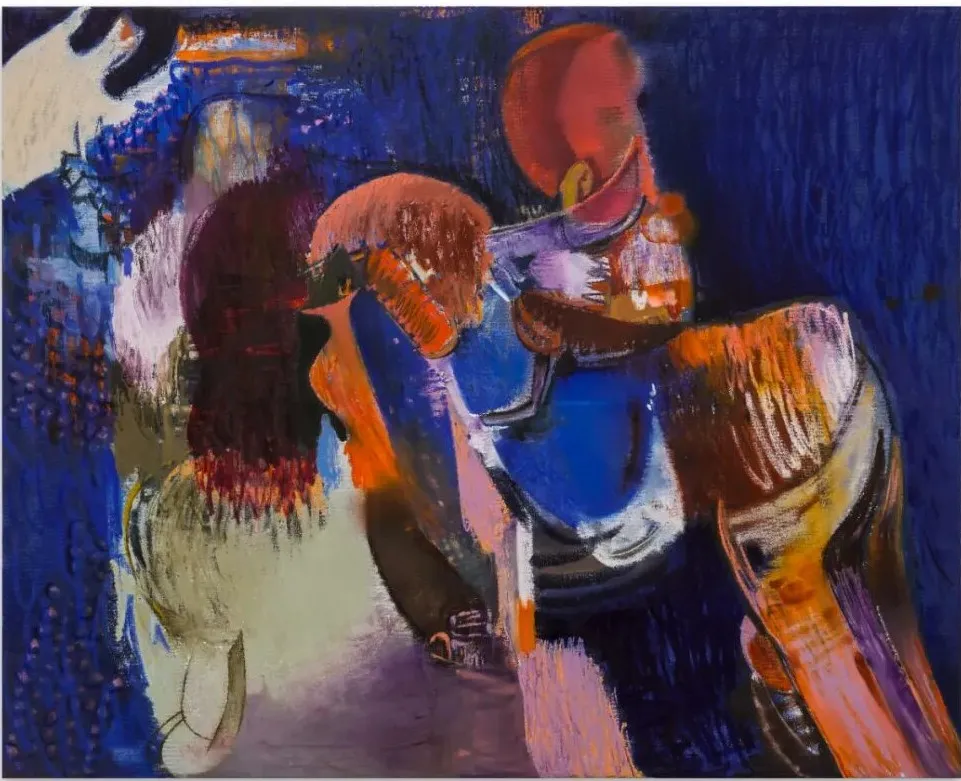
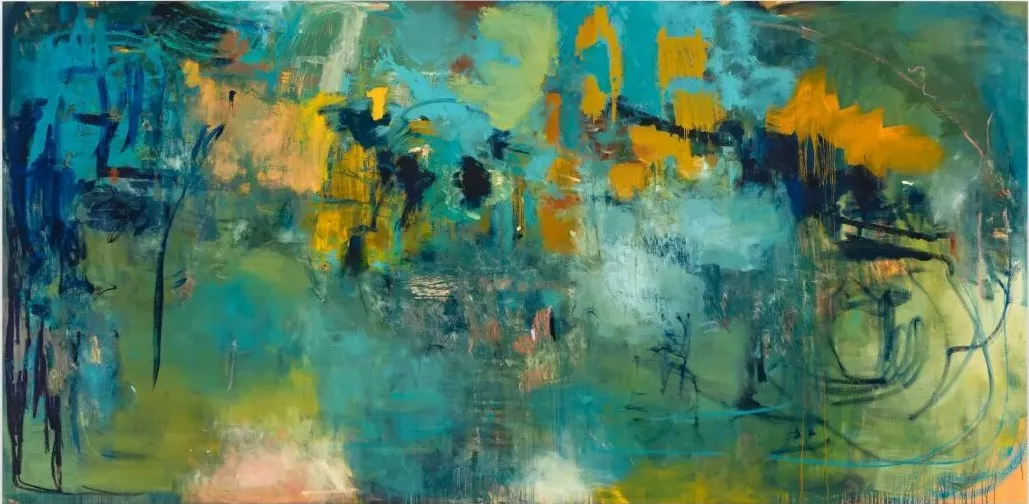
Several works at the stand sold early. Megan Rooney’s 5.25-metre-long That Sky (Atlas) sold to a foundation in China for £400,000. Han Bing’s atom 3 also entered an institutional collection, selling to a museum in Asia for €55,000.
Martha Jungwirth’s Untitled, a 2025 oil painting on panel, sold for €200,000. Robert Longo’s Study of Wisteria XL (2024) sold for US$90,000. A work by Joan Snyder was also acquired by a museum in China.
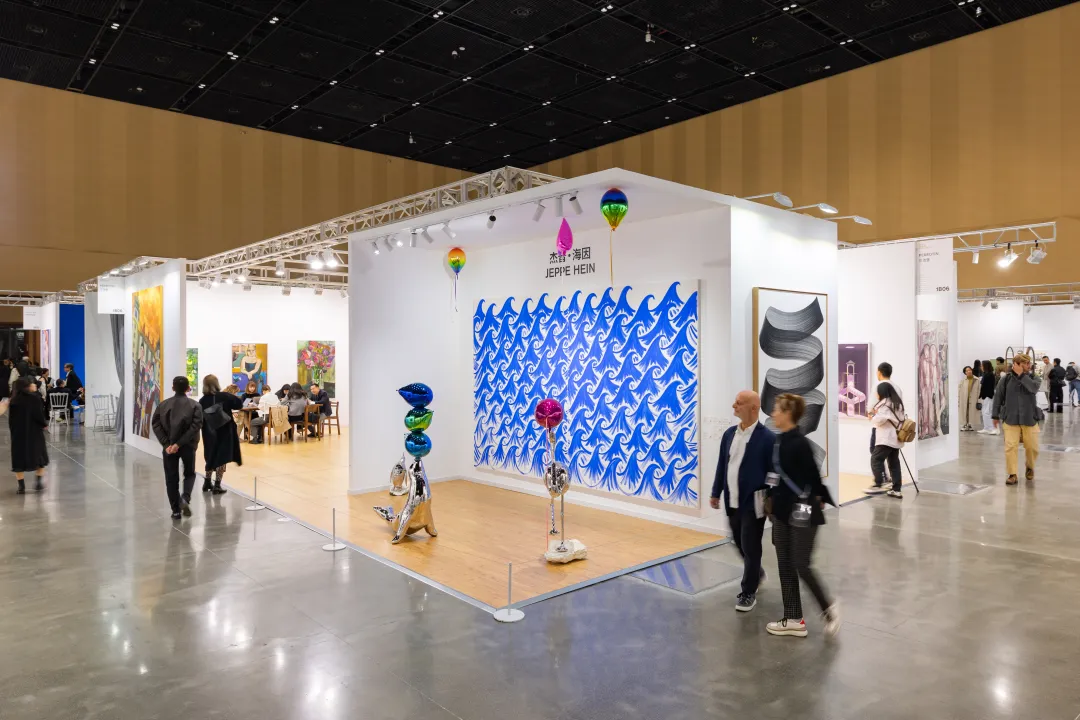
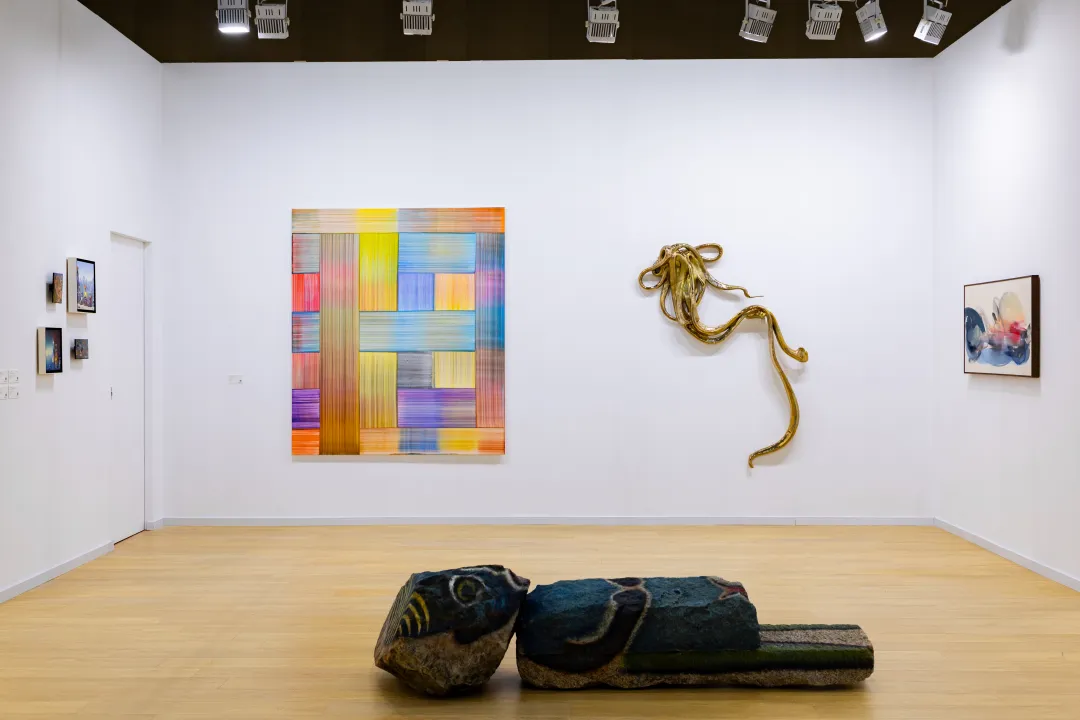
At Perrotin, Jeppe Hein’s Flamingo with Pink Balloon was a particularly eye-catching presence. Highly polished stainless steel takes on the apparent lightness of a balloon. The reflective surface draws the surroundings into the work, creating a playful tension between the solid material and the seemingly fleeting balloon. Takashi Murakami brought two new paintings from 2026 responding to Utagawa Hiroshige’s One Hundred Famous Views of Edo, the first time this series has been shown in China.
Perrotin’s Xiao Liang told us that the gallery had not begun with a single theme or age group in mind this year. Instead, it wanted to bring different creative directions together.
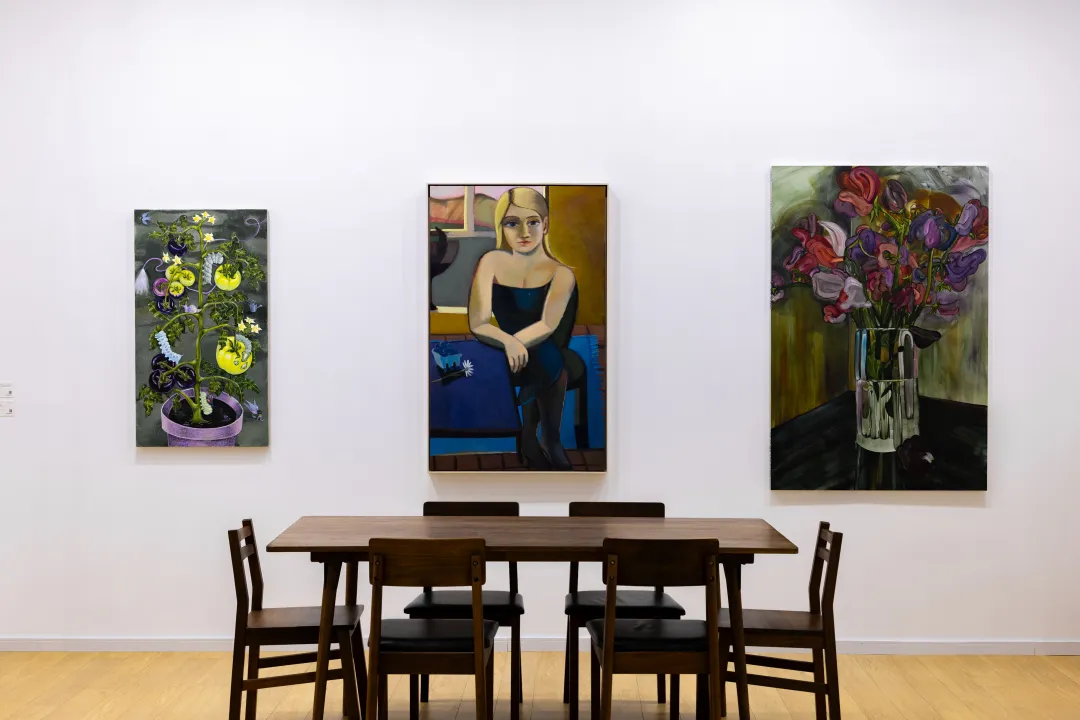
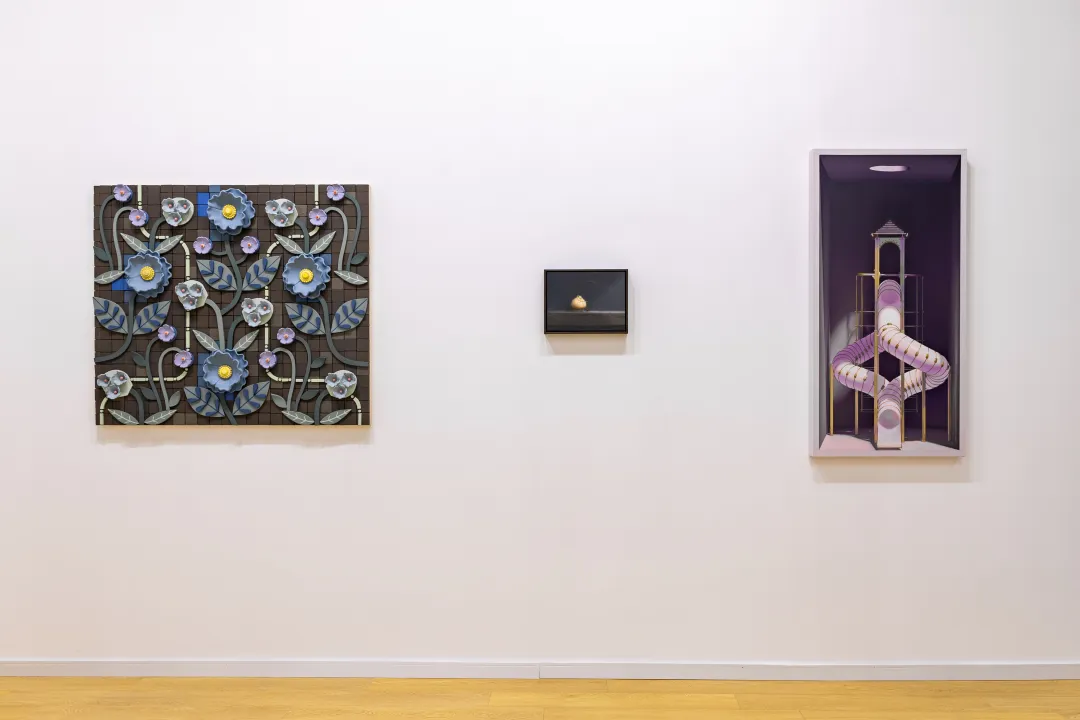
Among them, Wang Fanseng’s new work draws on the Buddhist concept of emptiness, moving between abstraction and figuration. Chen Fei uses the familiar format of a Chinese family photograph to consider the distance between images and lived memories. Lee Bae works with charcoal and ink to explore the energy and rhythm of gesture, while sculptures by Alma Allen and Klára Kristalová develop their own languages through biomorphic forms, and through myth and fairy tales, respectively. An attention to the body, domestic life and psychological experience also creates connections among the larger number of works by women artists at this year’s stand.
Liang was also reluctant to draw a single outline of “Chinese collectors’ taste”: clients of different ages and from different places may have very different interests. A more cautious environment can give collectors time to understand what they need, while allowing galleries to focus more closely on their actual collecting needs.
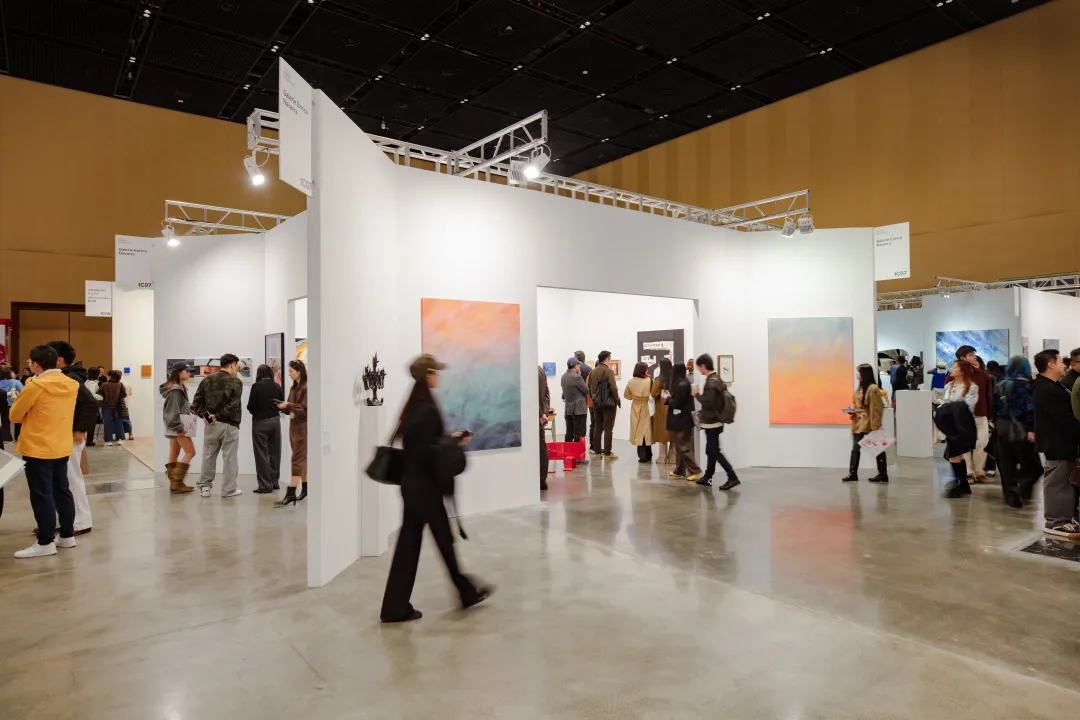
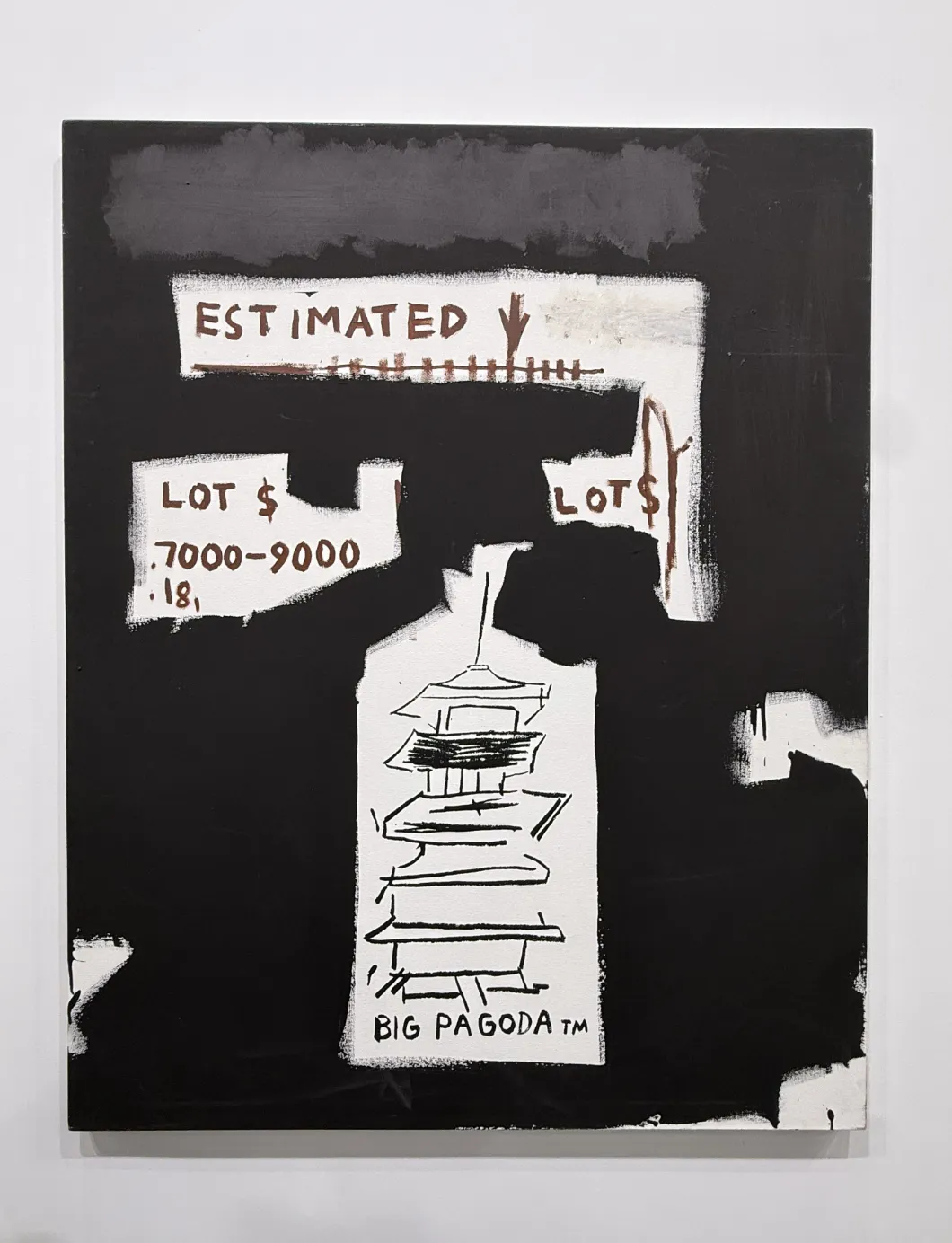
Making its West Bund debut, Galerie Enrico Navarra also opened the conversation with several familiar names. Founded in Paris in 1989, the gallery placed Jean-Michel Basquiat’s Page 36 (Auction Catalog) (1984) at the centre of its stand. The pagoda in the painting and the auction terminology written around it bring cultural symbols together with questions about how artistic value is measured.
The gallery has long focused on American artists of the 1980s, including Basquiat, Keith Haring, Andy Warhol and Kenny Scharf. For its first appearance at the fair, gallery head Doriano Navarra therefore wanted visitors to gain an overall understanding of the gallery’s programme and direction.
The gallery also selected representative works by younger artists, including Eliot Greenwald, Matt McCormick, Kalan Strauss, Yuree Kensaku and RENK. Many of these artists were being shown in China, or even Asia, for the first time.
Although this was the gallery’s first West Bund, Doriano was no stranger to China. He told us that the gallery had organised a Chagall exhibition in China as early as the beginning of the 1990s, later worked with Hanart TZ Gallery, and introduced Chinese contemporary art to European audiences through the Made by Chinese series of exhibitions and publications.
Chinese Galleries: A Diverse Selection for a Cautious Market
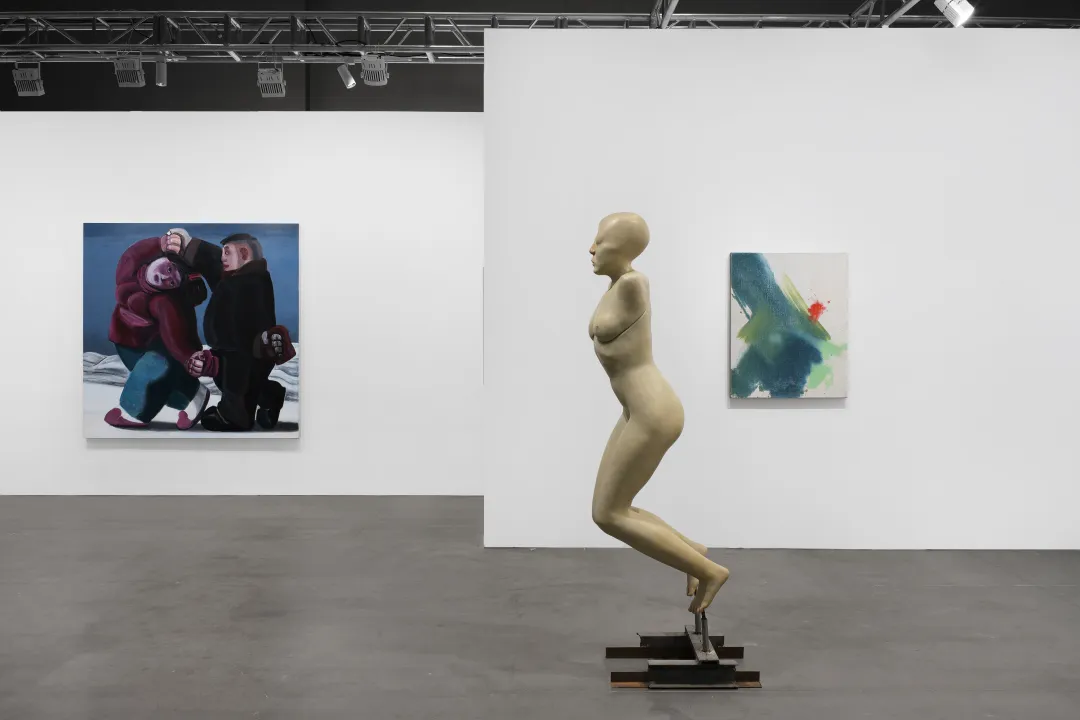
Turning to Chinese galleries, it becomes clear that revisiting established artists is not a strategy confined to the major international names.
Star Gallery’s presentation spans different generations. Gong Lilong’s Dance (2016) unfolds across a two-metre-square canvas, while Liu Huanzhang’s marble sculpture Bright Moon in the Sky (1999) demonstrates a command of material and form on a smaller scale. Alongside them are Ju Ting’s Deep Current 031826 (2026), paintings by Yan Cong, and sculptures by Xiang Jing and other artists.
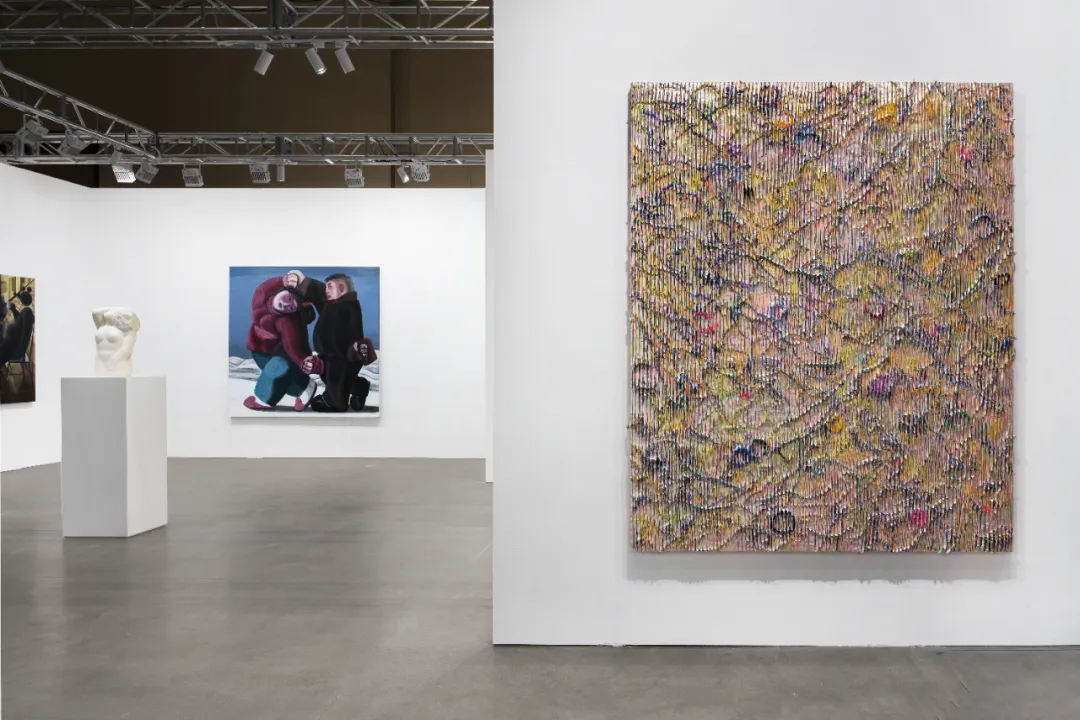
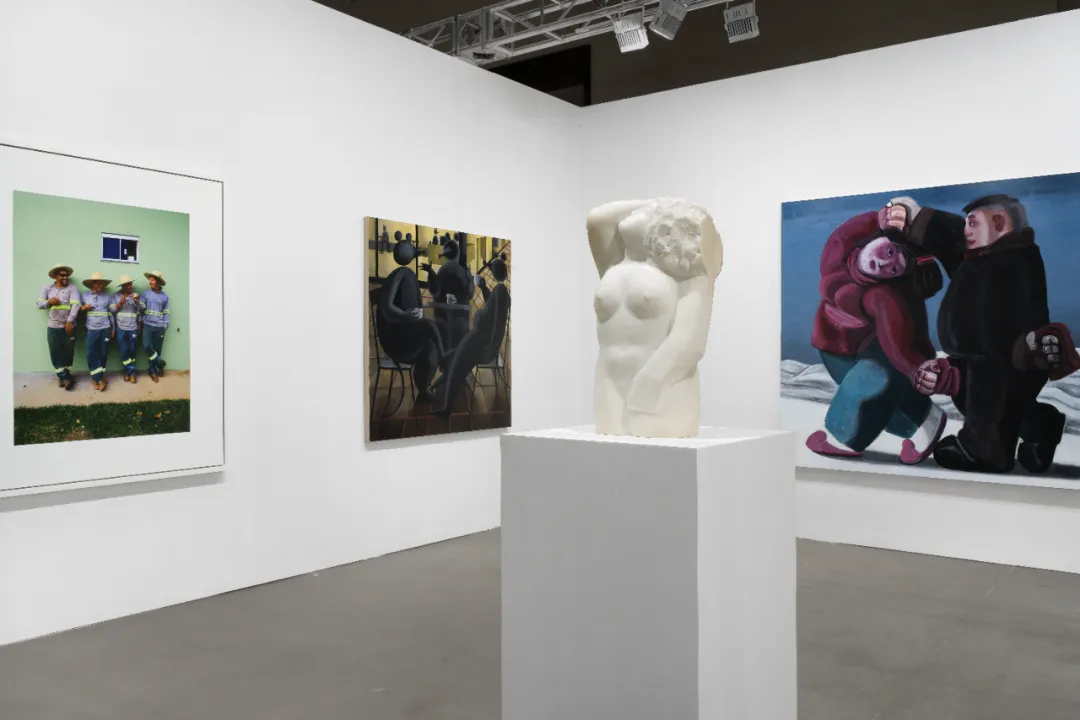
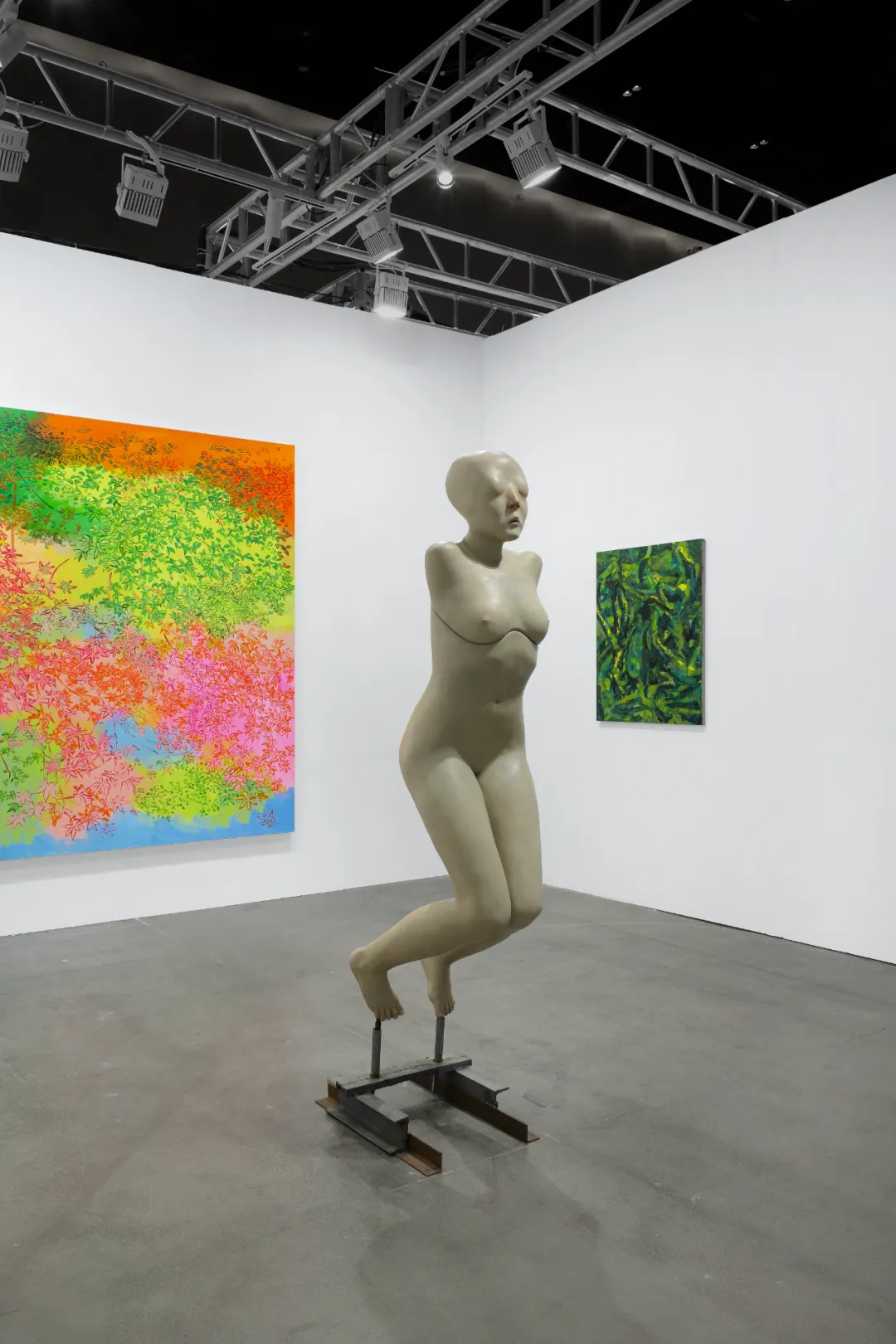
The gallery told us that, alongside its attention to younger and mid-career artists, it is also developing research into artists’ legacies. Zhang Wei, Zhu Xinjian, Gong Lilong and Liu Huanzhang come from different regions, creative backgrounds and historical contexts that deserve to be looked at and discussed afresh. Gong Lilong’s work attracted particular attention, and the gallery hopes to sustain that understanding through exhibitions in different cities.
The gallery also found the response livelier than expected, with sales ranging from tens of thousands to the million-renminbi level, including institutional acquisitions. Most visitors to the stand were familiar faces, but new connections were also being made. Over the fair’s six days, the gallery planned to rearrange the works and introduce some by younger artists, giving different pieces their moment in view.
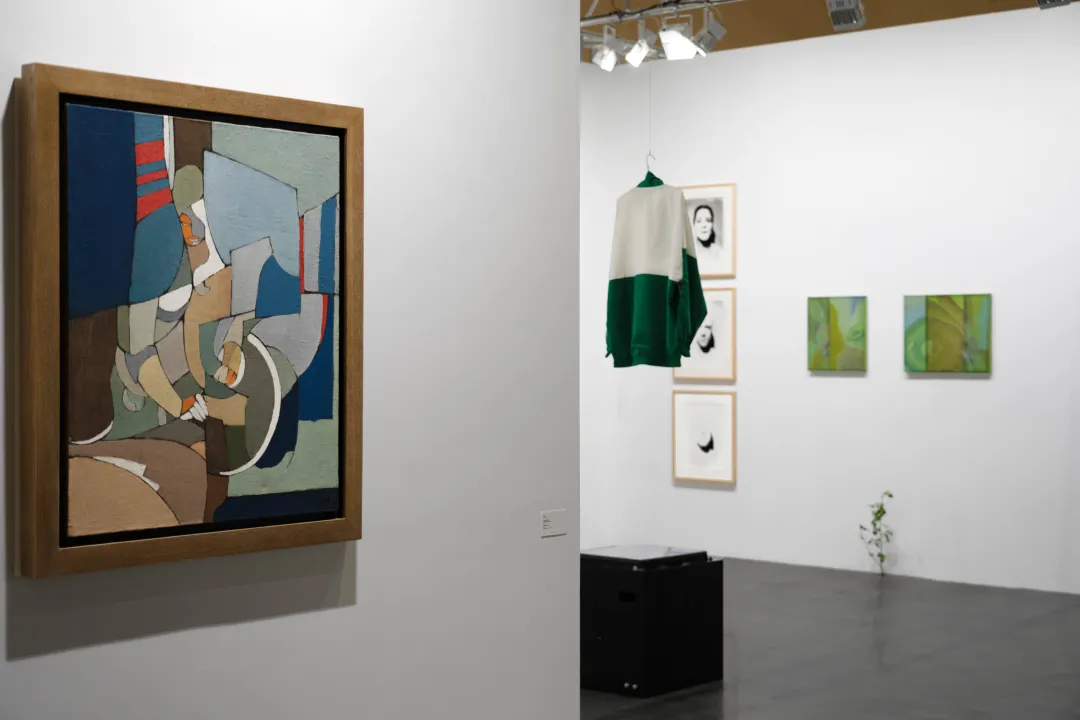
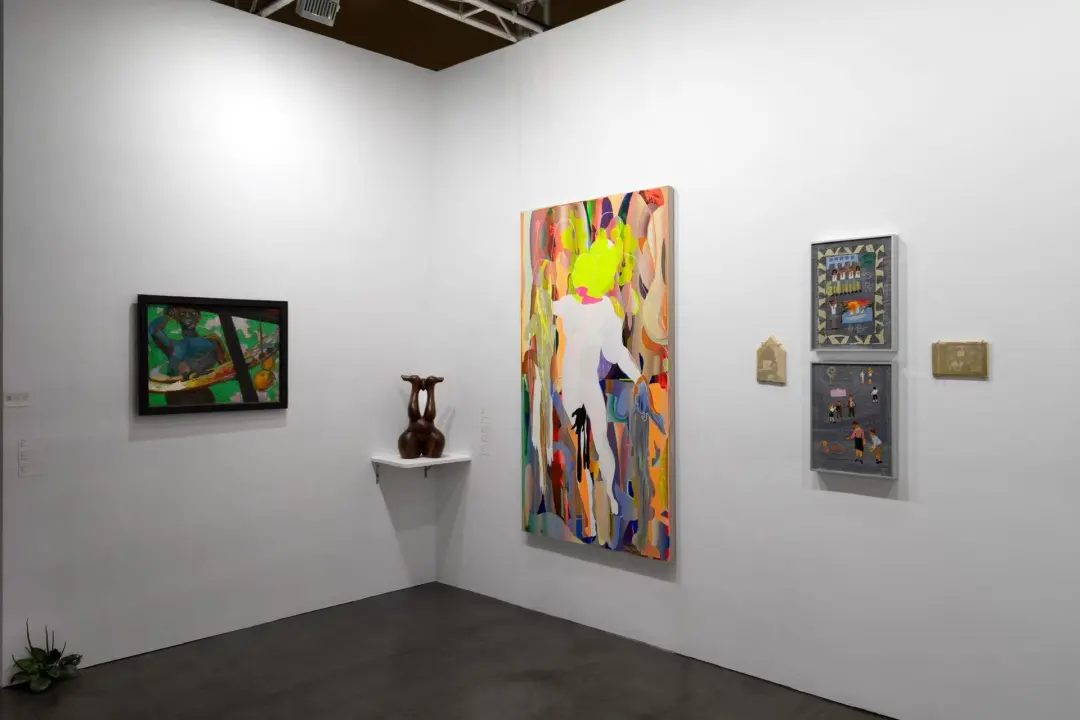
SPURS Gallery described a more specific adjustment to its strategy this year. With works ranging from a few thousand to a million renminbi, the stand offers entry points for collectors at different stages. The gallery particularly recommended Huang Rui’s 1980 oil painting Younger Sister Washing Clothes. This early work, shown with pieces by Zhang Peili, Feng Guodong and Ulay, brings forward historical threads that the gallery has continued to follow. In the same space are practices by artists born in the 1990s, including Yuan Keru, Payne Zhu, Roksana Pirouzmand and Chi Tien Lin Cheng.
The gallery sees this group presentation as a concentrated expression of the lines of practice and artistic positions it has supported over time. Works from the 1970s to the 1990s sit at a temporal distance from the new practices of artists born in the 1990s. In terms of media, the presentation extends from paintings by Wang Jiajia, Ye Linghan and Tie Ying to Tony Matelli’s hyperrealist sculptures, Li Nu’s installations and Ji Zhou’s photography. Historical works provide points of reference, while new materials and forms continue to reach towards the questions of today.
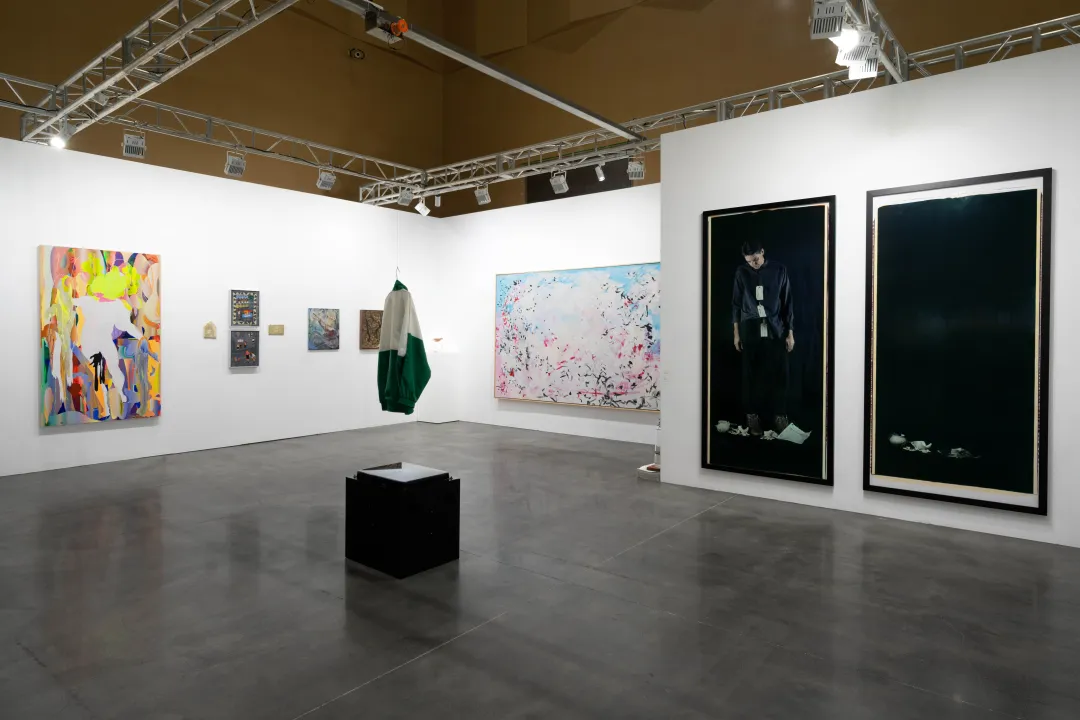
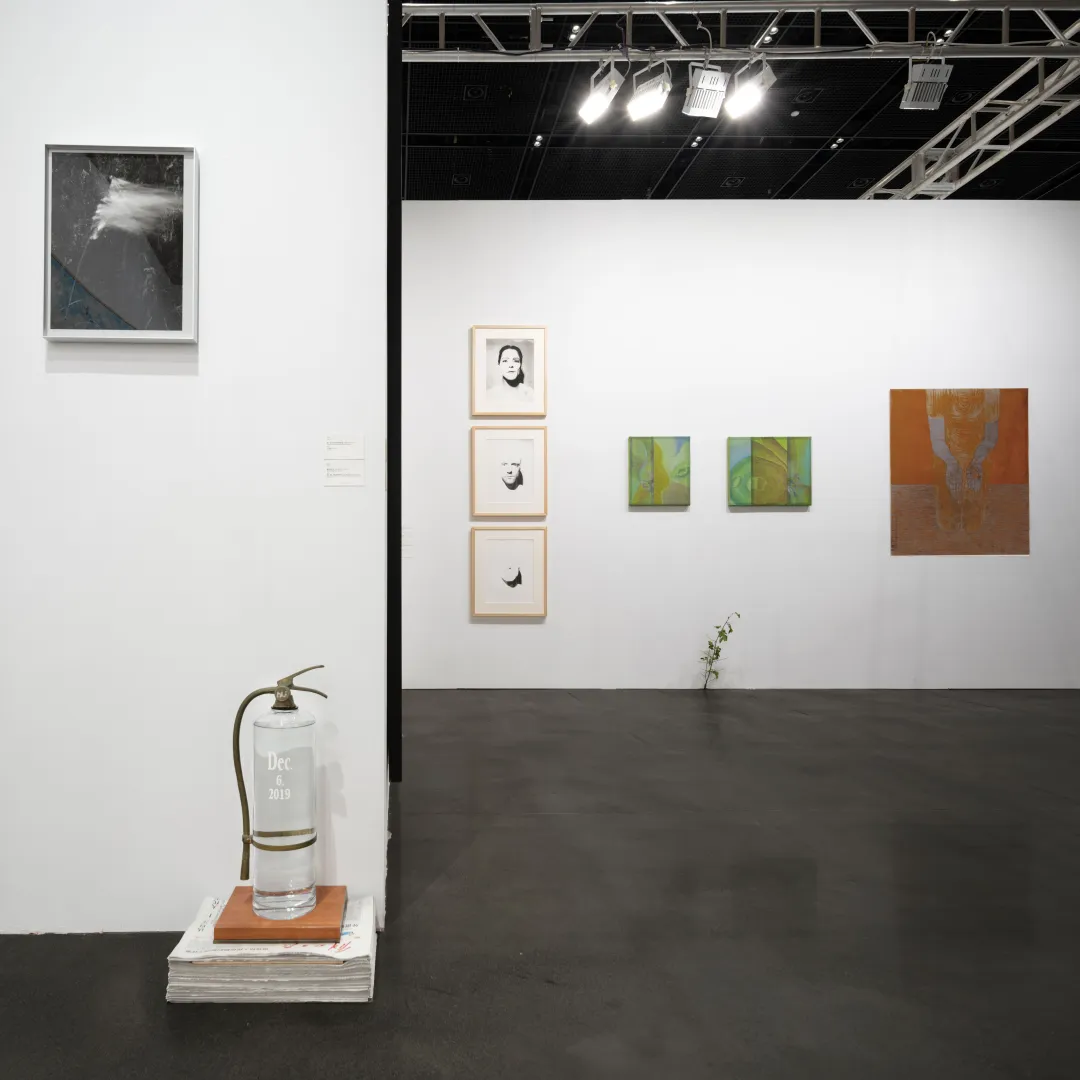
Payne Zhu’s Derivative Whale Pump series uses a special algae-based leather as its support. Ingredients extracted from the remains of processed marine organisms are combined with algae, and the paintings are made with pigments mixed with fish oil.
SPURS said that, taking operating costs and collectors’ preferences into account, it had reduced the proportion of large-scale works this year and increased the number of small and medium-sized pieces, making it easier for collectors at different stages to find an entry point. This offers another way of understanding “conservative”: a gallery can be more pragmatic about cost, scale and the threshold for collecting while continuing to support new materials and forms. Adjustments at a stand do not necessarily mean a retreat in artistic judgement.
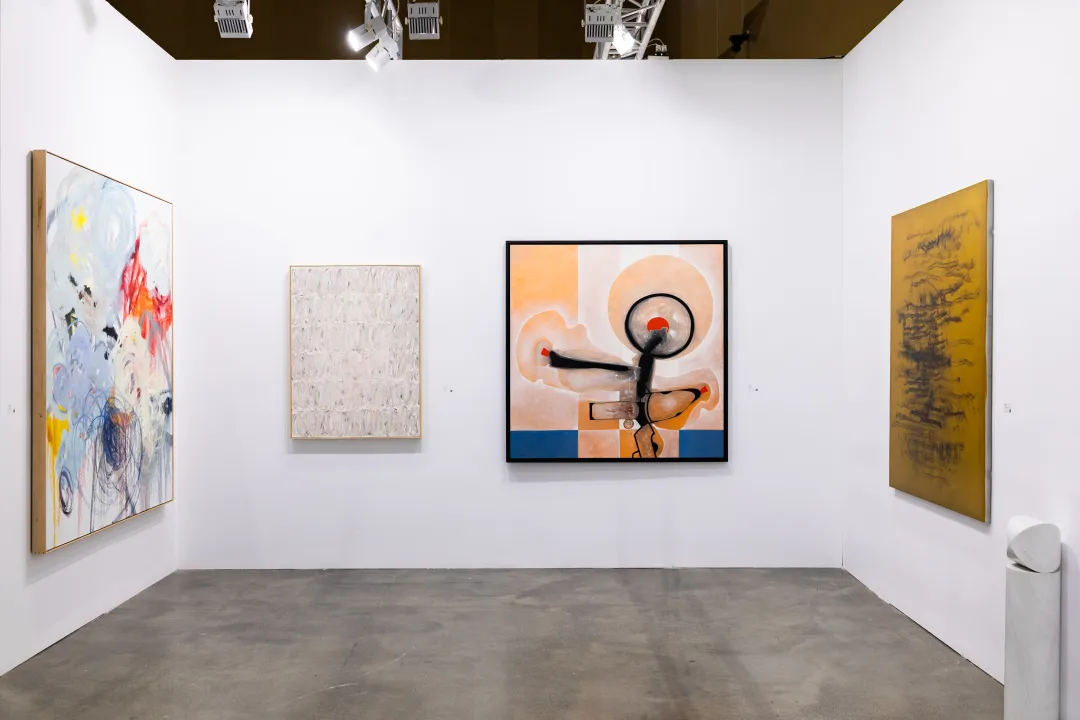
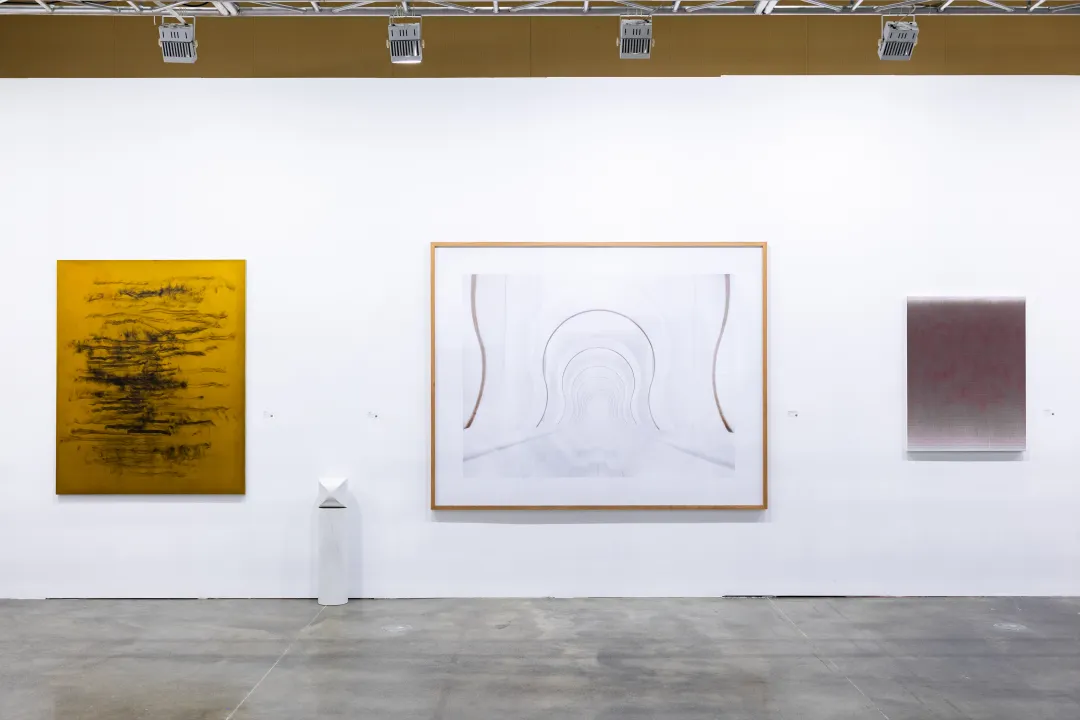
At Matthew Liu Fine Arts, different painting languages are brought into closer proximity. In Yin Zhaoyang’s Distant Mountains (2026), orange-red mountains overlap with flowing bands of colour, gradually dissolving the boundaries between mountain, water and sky. The starting point for this group of mountain-and-lake paintings was the artist’s daily walks in Hyde Park while living in London. But the painted landscapes have moved away from the actual scenery, reorganised through memory and imagination.
Feng Lianghong’s Blue 25-6 (2025) concentrates its colour in blue. The lower edge of a dense mass of colour at the top runs downwards, while the thinner coating below reveals traces of repeated brushing and washing. Shen Chen’s Untitled No. 40133-26 (2026) is quieter: layers of diluted acrylic overlap as deep black slowly shifts towards pale grey before sinking back into darkness. In contrast to the intense colours in Yin Zhaoyang’s painting, these subtle changes ask viewers to stay a little longer. Beyond painting, works by international artists including Candida Höfer, Eduardo Arranz-Bravo and Thomas Canto are presented alongside those by Chinese artists.
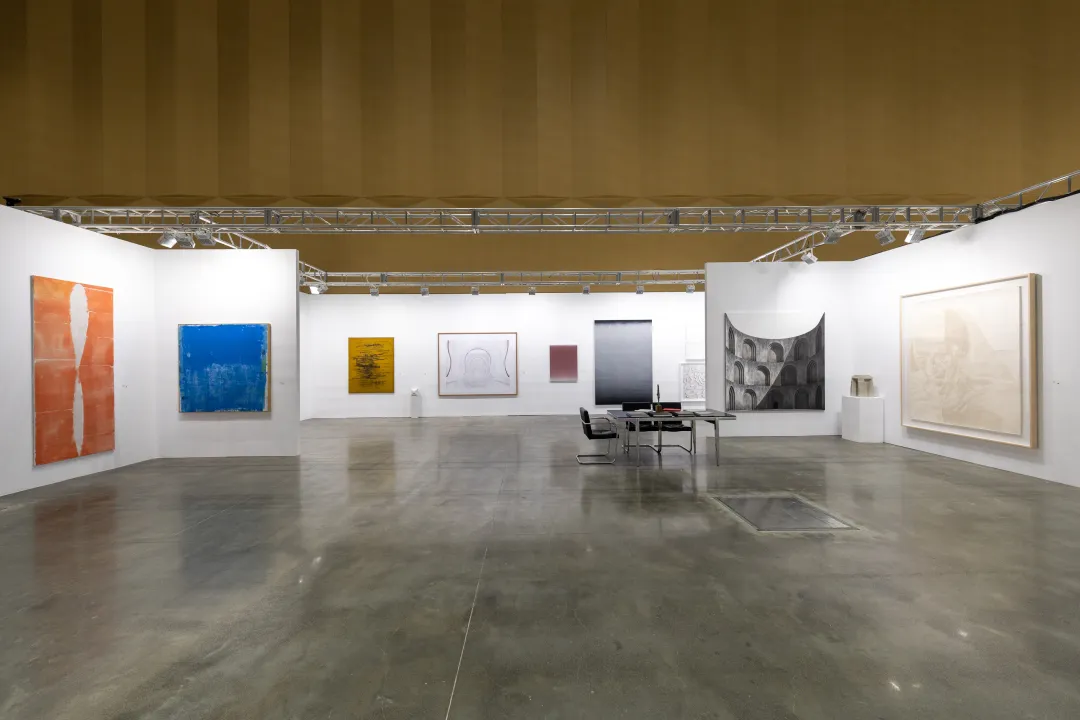
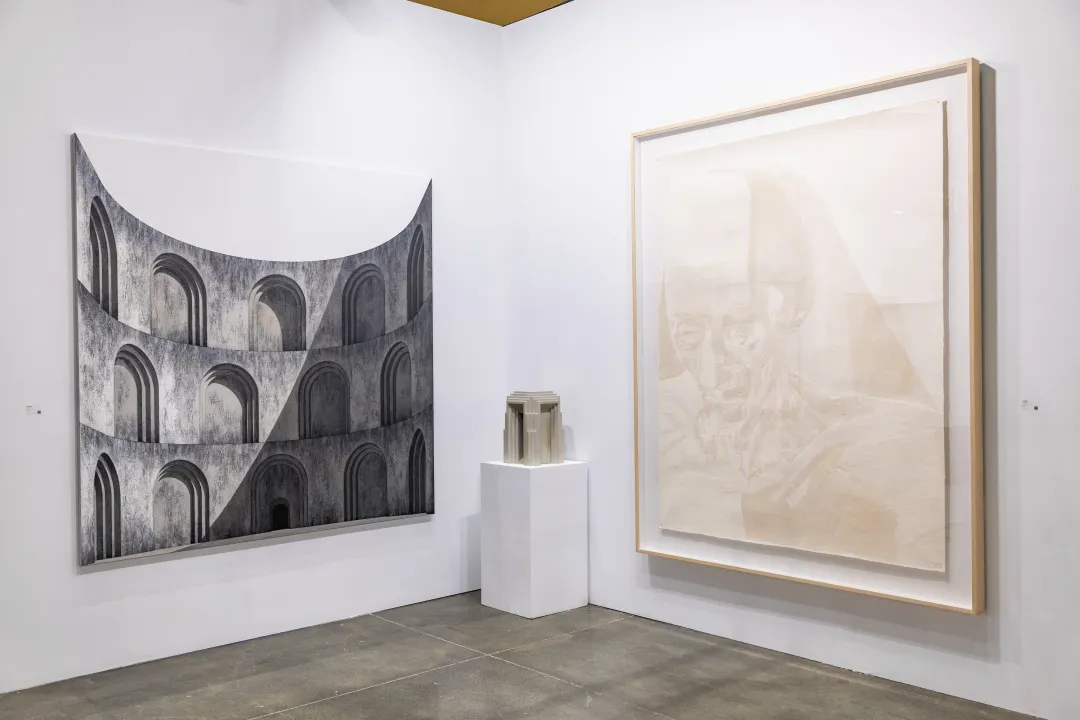
Prices at the stand range from just over RMB 30,000 to more than RMB 1 million. The highest-priced work is Shen Chen’s Untitled No. 91943-25, a 2025 triptych measuring 160 × 330 centimetres and offered at RMB 1.155 million. From small and medium-sized works to a large triptych, the range of scales and prices gives collectors different choices.
“Sometimes an in-depth conversation has more long-term significance than an immediate sale,” Matthew said. In his observation, experienced collectors are increasingly attentive to a work’s position within an artist’s career, while younger collectors are more receptive to photography, abstract painting and different media, and bring strong personal preferences of their own. As buying decisions slow down, the demands on a gallery become more specific: beyond providing a price, it needs to explain why a work deserves sustained attention.
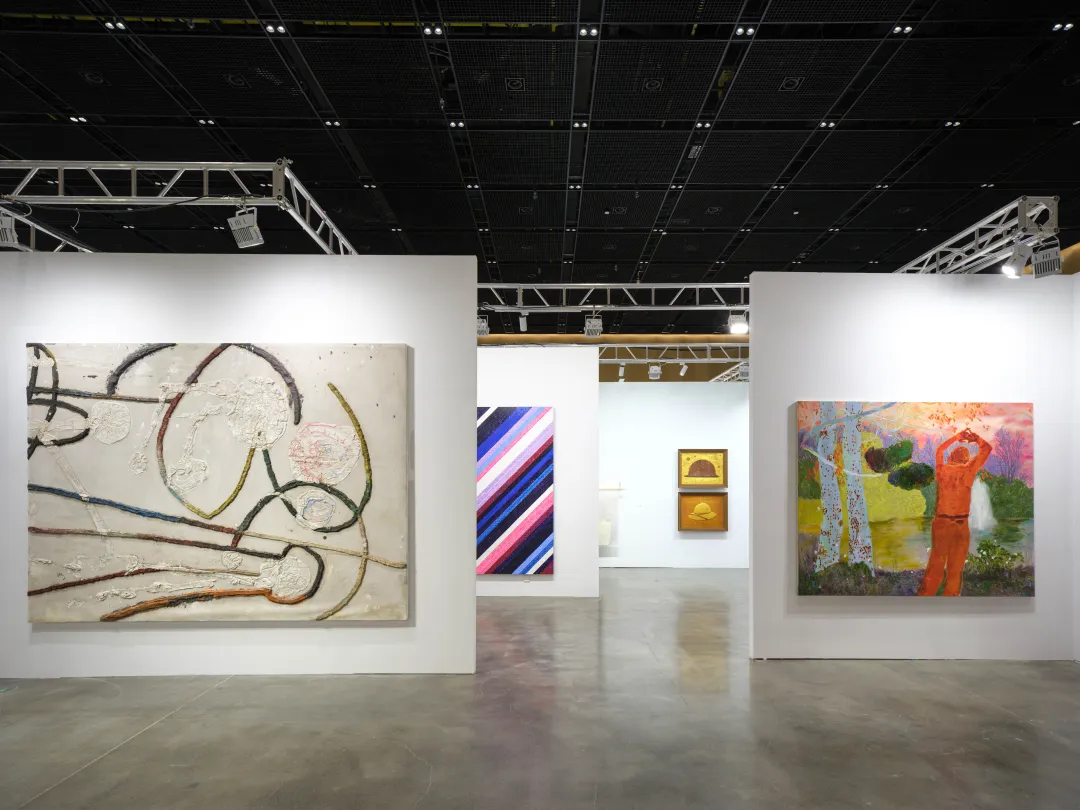
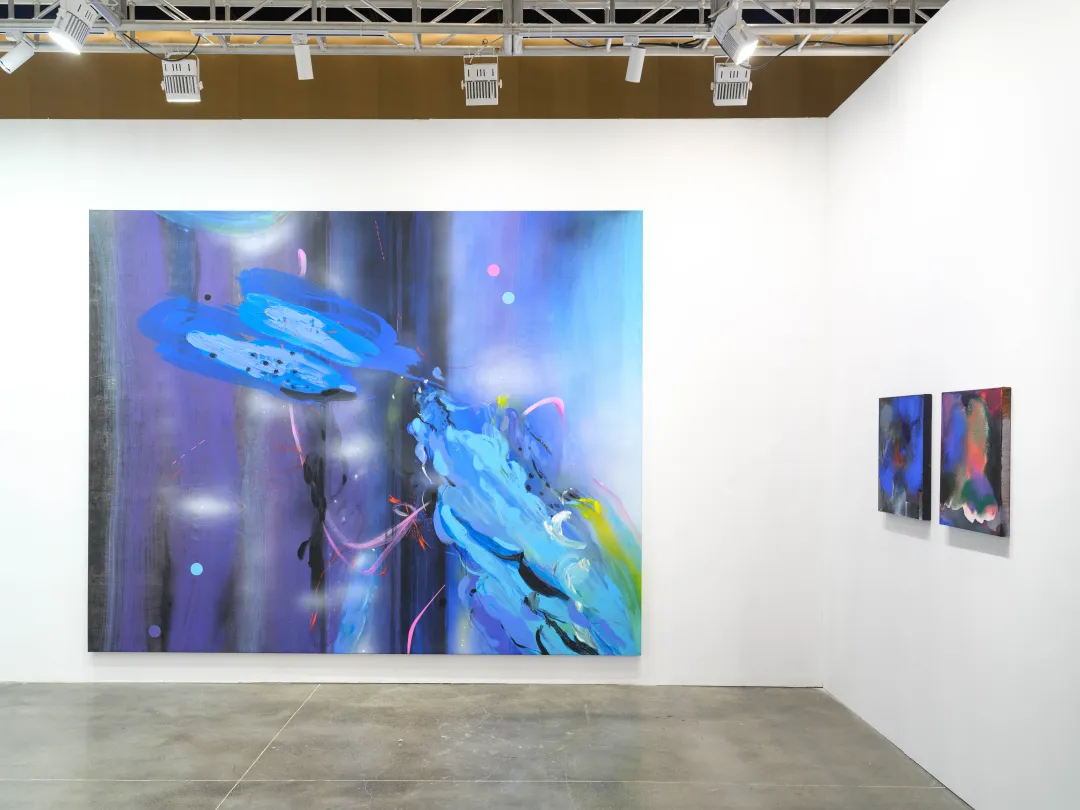
ShanghART also makes room for this possibility of “looking a little longer” by bringing different generations and media together. Founded in 1996, the gallery is in its thirtieth year. Its stand features new works by artists with whom it has longstanding relationships, as well as spatial experiments that go beyond painting.
Ding Yi’s Appearance of Crosses 2025-23 is a 240 × 240-centimetre work combining acrylic, pencil and woodcut on basswood. The familiar crosses remain, but the experiences of looking that inform them have changed: recent travels and encounters with mountain landscapes have shifted the artist’s attention from the rhythms of the city to nature, the land and ancient civilisations. ShanghART’s founder Lorenz Helbling noted that Ding’s large-scale works had received considerable interest.
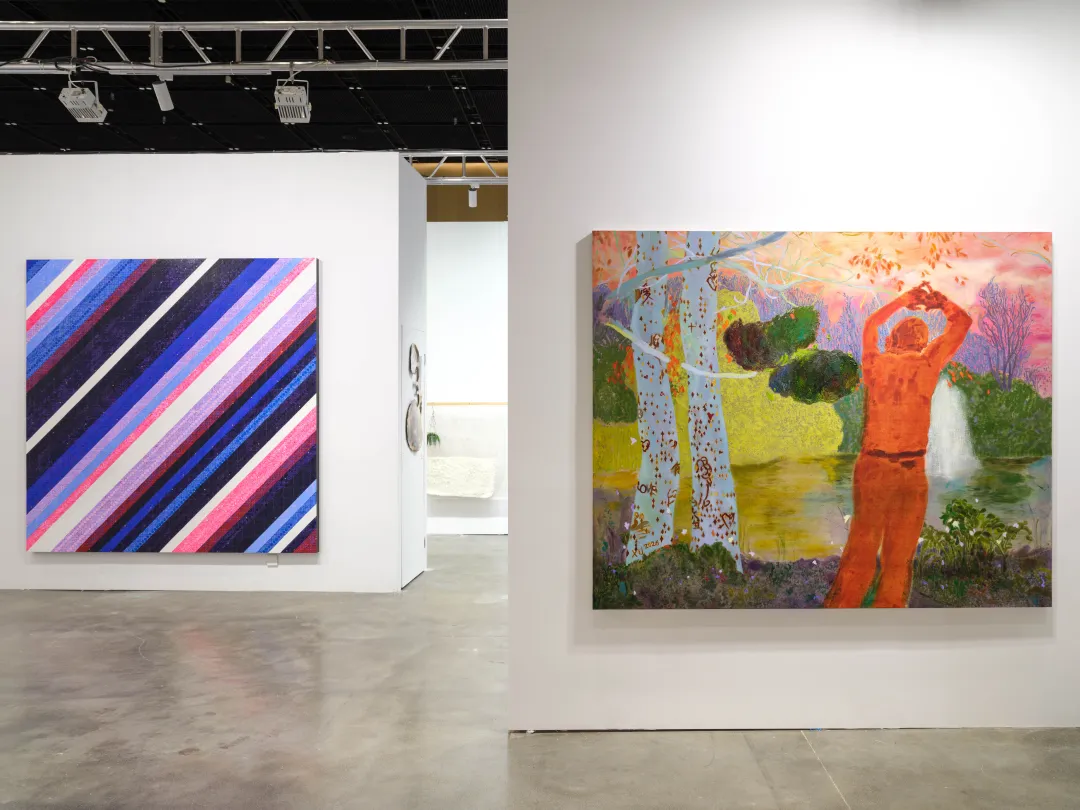
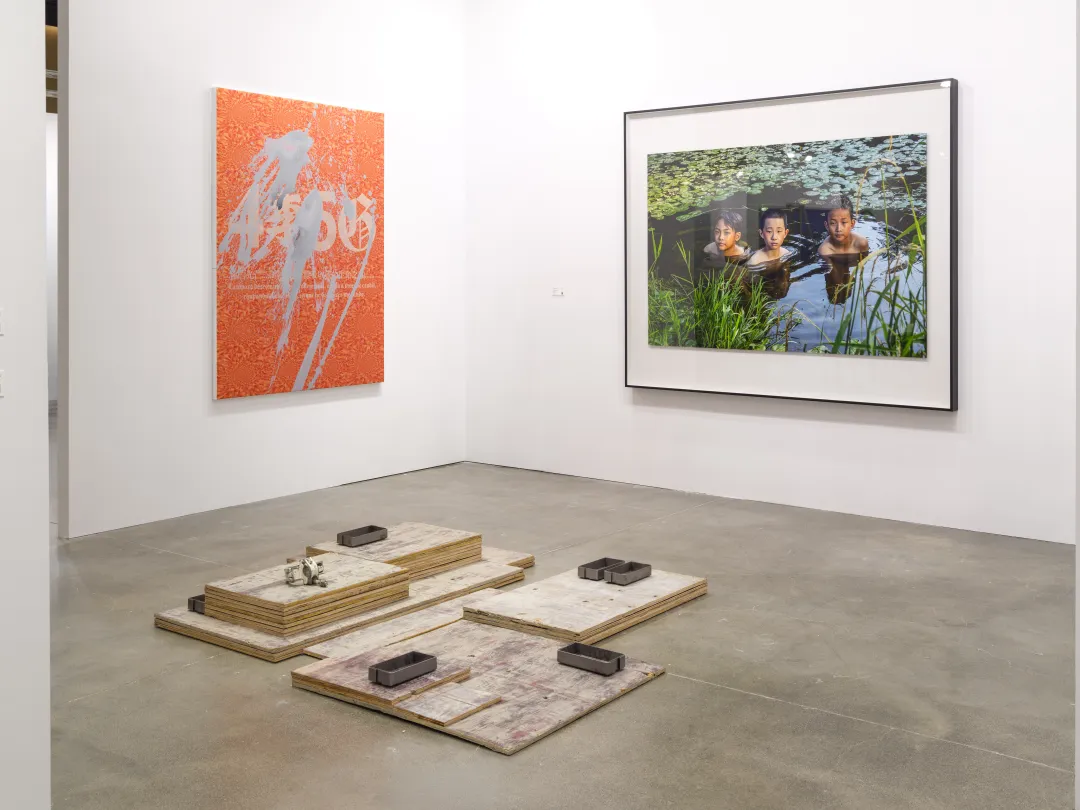
Other works take looking in different directions. Yang Fudong’s Young Man, Young Man (2025) is presented as a fine-art inkjet print; the related moving-image work revisits memories of adolescence in a Beijing military compound in the 1980s. Gao Lei’s On/Off (2026) continues his attention to everyday objects and standardised industrial products. Zhang Ding’s 4 Seasons 5G #3 uses materials including UV printing on aluminium-foil fabric and aluminium composite panel. The juxtaposition of painting, photographic images and different material surfaces gives the stand’s variety a tangible form.
Helbling told us that the opening was lively: many old friends visited the stand, and introductions through friends brought new collectors. At times, he was so busy he could only say a quick hello. But when asked whether a new trend was emerging in collectors’ tastes, he was reluctant to generalise. He would rather bring together artists of different generations and levels of recognition, allowing visitors to experience the work before dividing everything into young and old, famous and unknown, expensive and inexpensive as soon as they arrive.
A cautious market has prompted different choices among these galleries: some are revisiting artists’ legacies, some are adjusting scales and price thresholds, and others are committed to presenting different generations and media together.
perspective and xiàn chǎng
Experiments in Technology, Transformations of the Everyday
Across the stands of international and Chinese galleries, artists’ names and prices offer one set of coordinates for looking. When we enter the perspective and xiàn chǎng sectors at another venue, West Bund Art Center, those coordinates open up again.
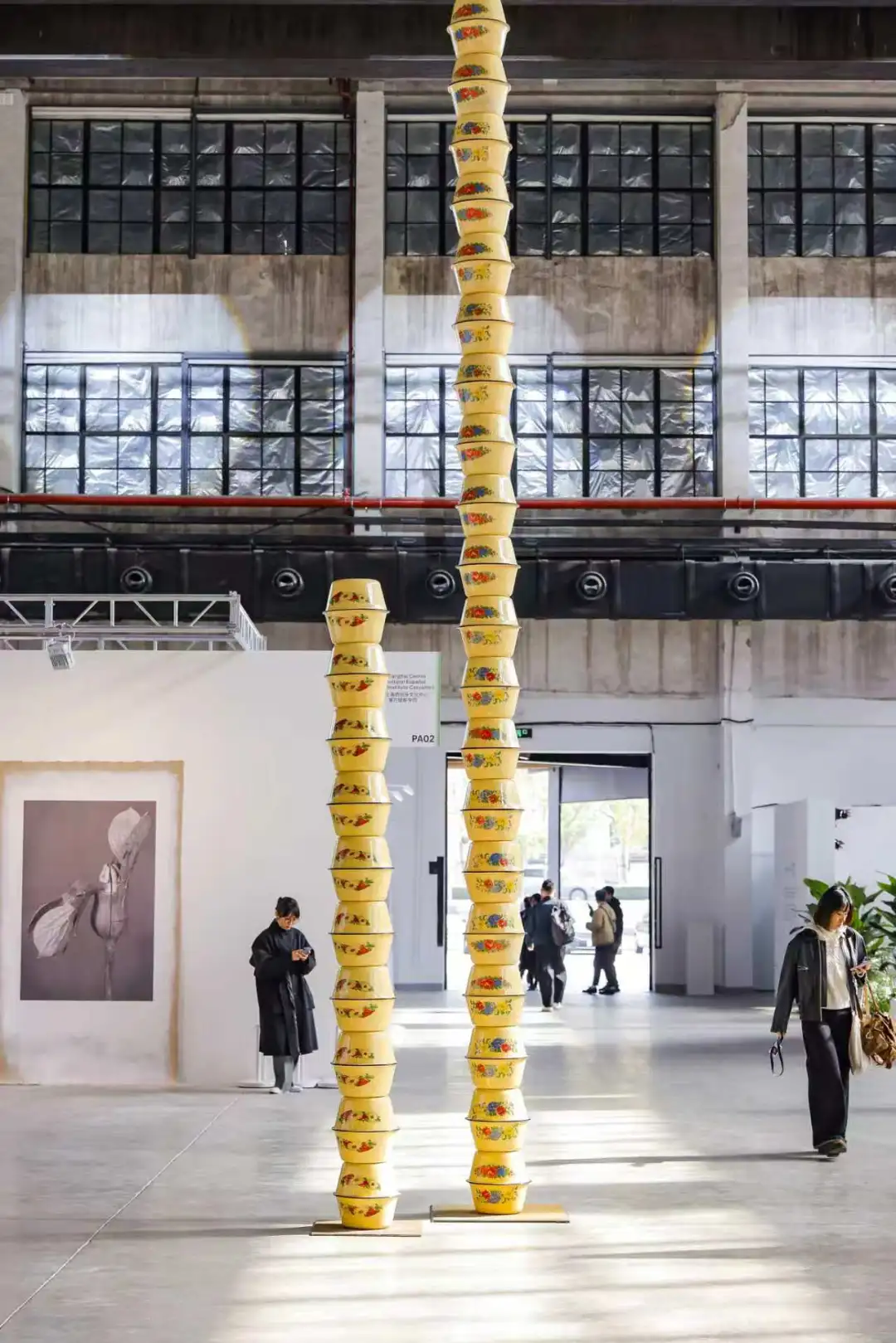
One of the first works to catch the eye is Pascale’s Column, presented by Galleria Continua. Pascale Marthine Tayou has stacked everyday utensils into a work reaching 7.8 metres high. Enamel bowls, once a common sight in Chinese daily life, form two columns of different heights that rise towards the ceiling.
These yellow enamel bowls look so familiar to us, perhaps even a little “rustic.” But when utensils from China’s past borrow the forms of Western monuments and classical columns, an unmistakable sense of humour emerges.
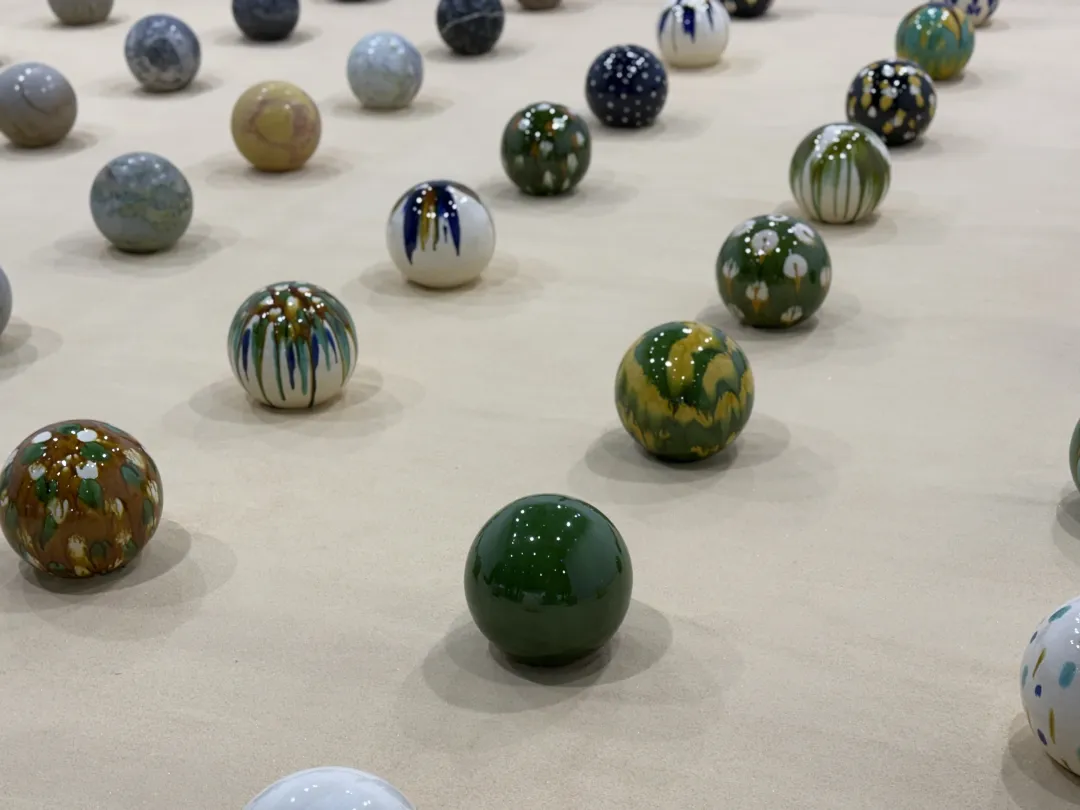
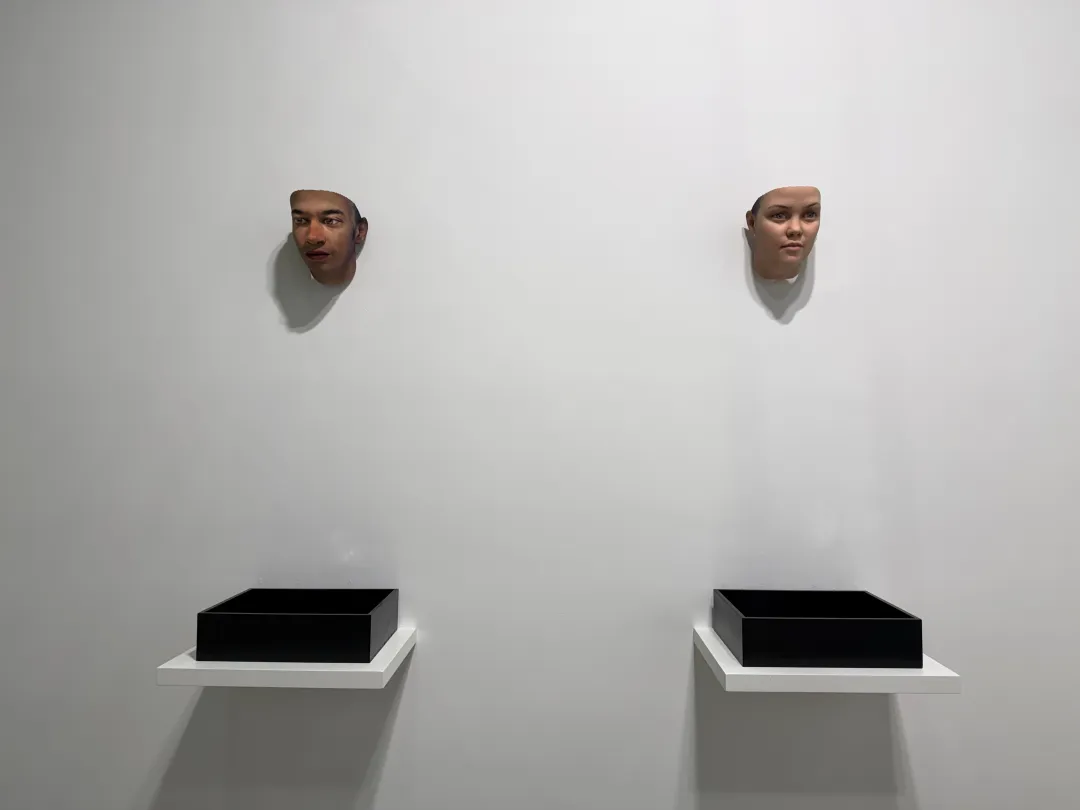
From a distance, Heather Dewey-Hagborg’s work, presented by Vin Gallery, appears to consist of two faces mounted directly on a white wall. Up close, the faces turn out to be 3D-printed. Black display boxes below contain cigarette butts, photographs of the collection sites, and cards recording the time and place of collection and an analysis of genetic traits.
From the saliva left on cigarette butts collected in public places, the artist extracts DNA and analyses genetic information associated with appearance. Computational modelling and full-colour 3D printing then give a concrete shape to a face that would otherwise remain unidentified.
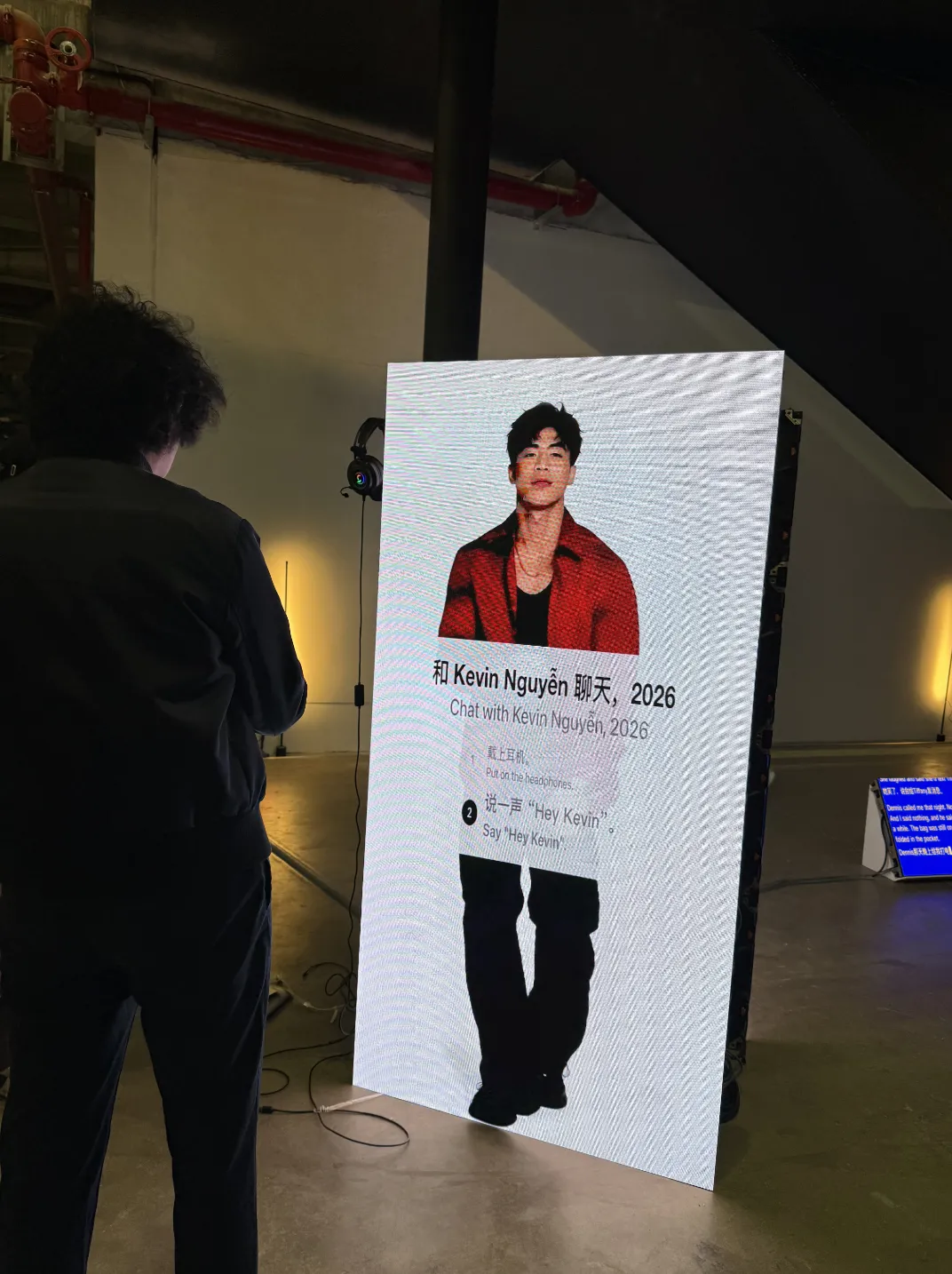
In the perspective sector, ARTIFACT Futures’ The Future of Expression is among the works drawing the most interaction. Responding to the year’s inquiry, “The Future Is Behind Us,” the project works with Creader.io, Shengsheng Technology and GH Lab to consider how thoughts, experiences and memories might be recorded, reconstructed and carried forward once they have been transformed into data.
In one work, an AI-controlled man in red on a screen answers visitors’ questions in Chinese or English with responses he considers very funny. He replies so quickly that the interaction feels almost like a conversation with a real friend. It also makes us wonder what happens when artificial intelligence takes part in creation and moves further into human self-expression: how are we accustomed to understanding ourselves, and what stories will a machine make of these experiences?
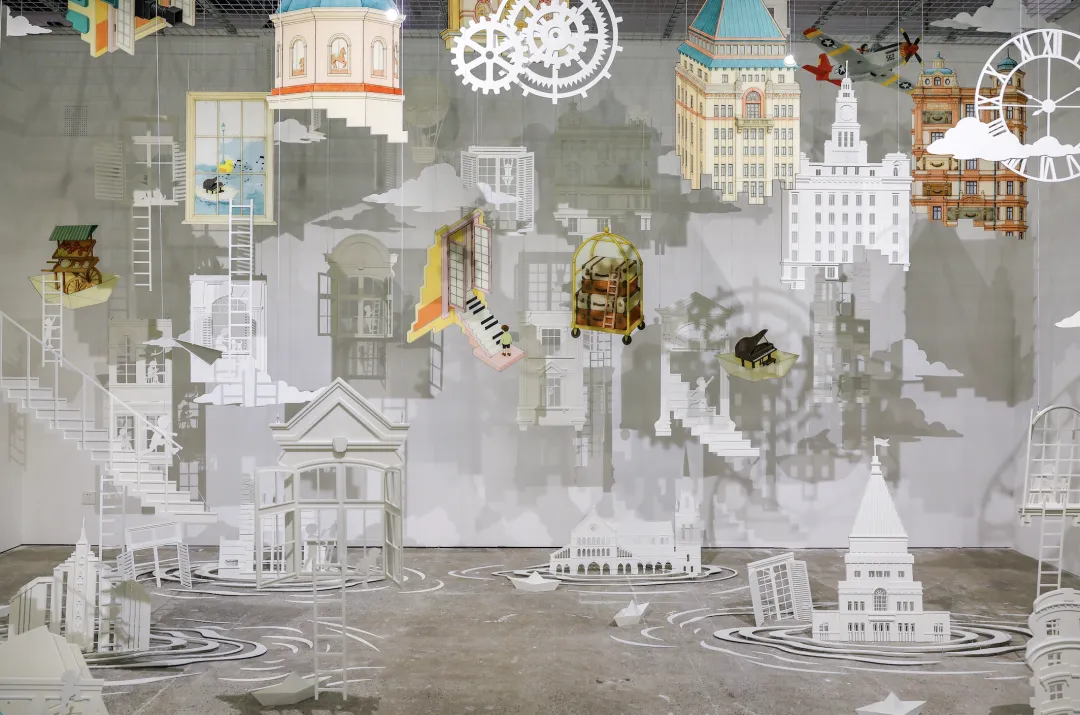
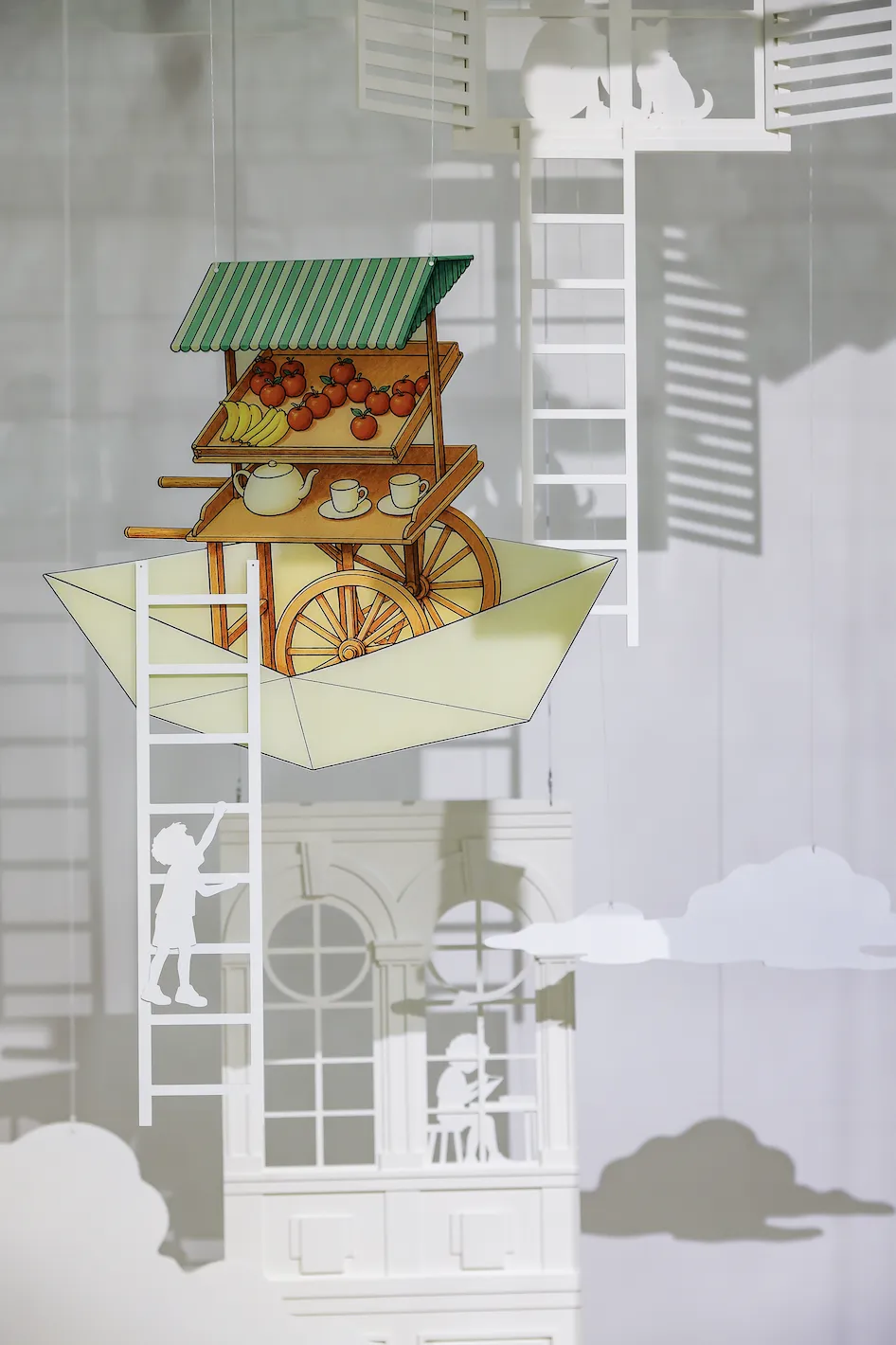
Swatch Art Peace Hotel brings speculation about the future back to Shanghai. What If Shanghai Were Submerged, by its 2025 artist-in-residence Jess Yu, takes the writing of J. G. Ballard and his Shanghai childhood as its starting point, imagining the young Jimmy arriving in a future city in 2145. Familiar windows, clock towers, roofs and staircases break away from their original buildings and streets, floating and regrouping in an environment transformed by flooding.
In the exhibition, these architectural fragments are suspended in the air. White stairs, doors and windows extend downwards, while ripple-like lines on the floor and projections on the wall together create a light, floating city.
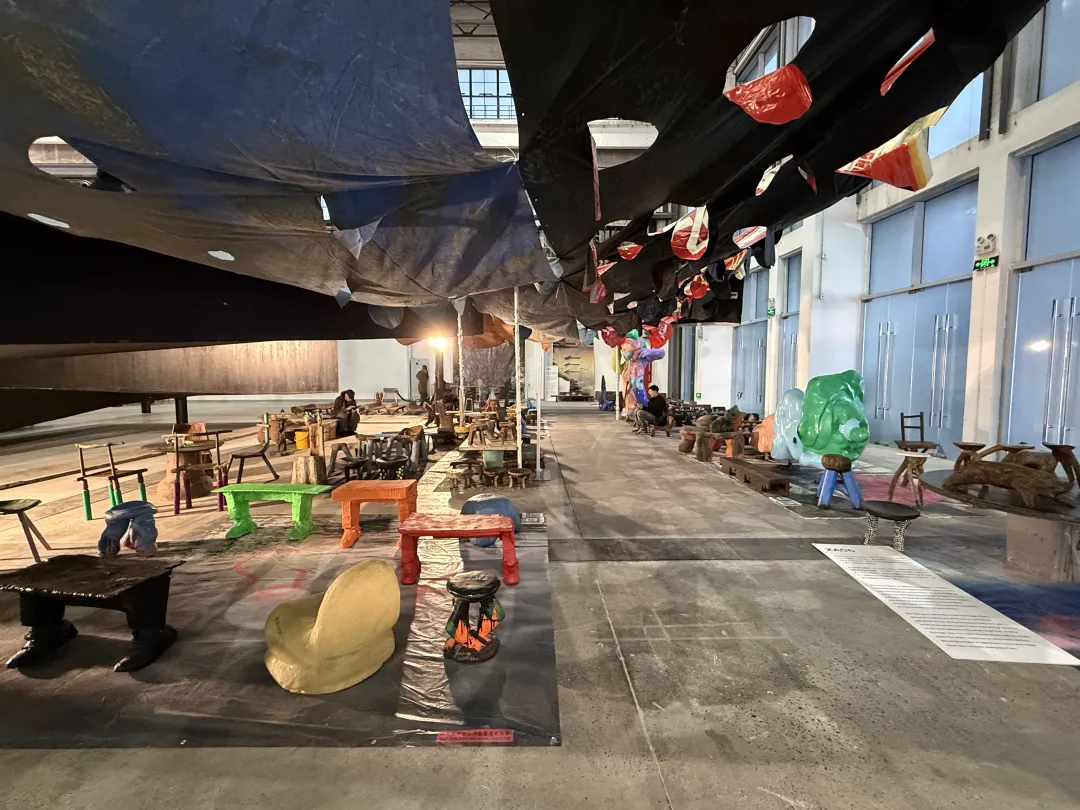
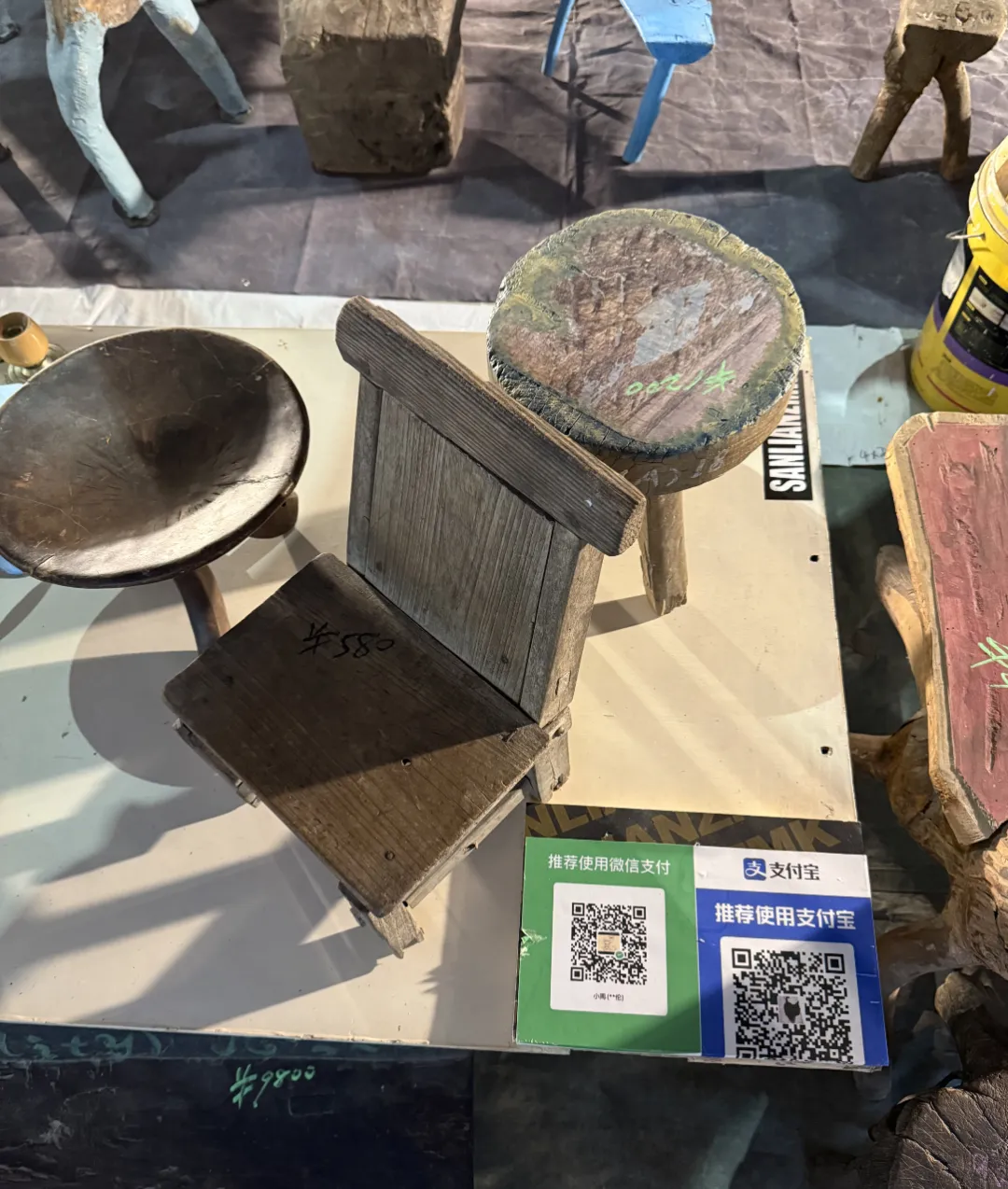
Zhou Yilun, presented by Beijing Commune, goes as far as putting prices and payment QR codes directly into the work. GOOD LUCK, HAVE FUN, DON’T DIE turns an elongated gallery into a vast “art shop.”
Under black tarpaulin, brightly painted stools and chairs stretch through the gallery. Written on them are numbers such as 16800, 1800 and 36000—their actual selling prices—with signs nearby that allow visitors to scan and buy. The payment QR code really does belong to Zhou Yilun himself.
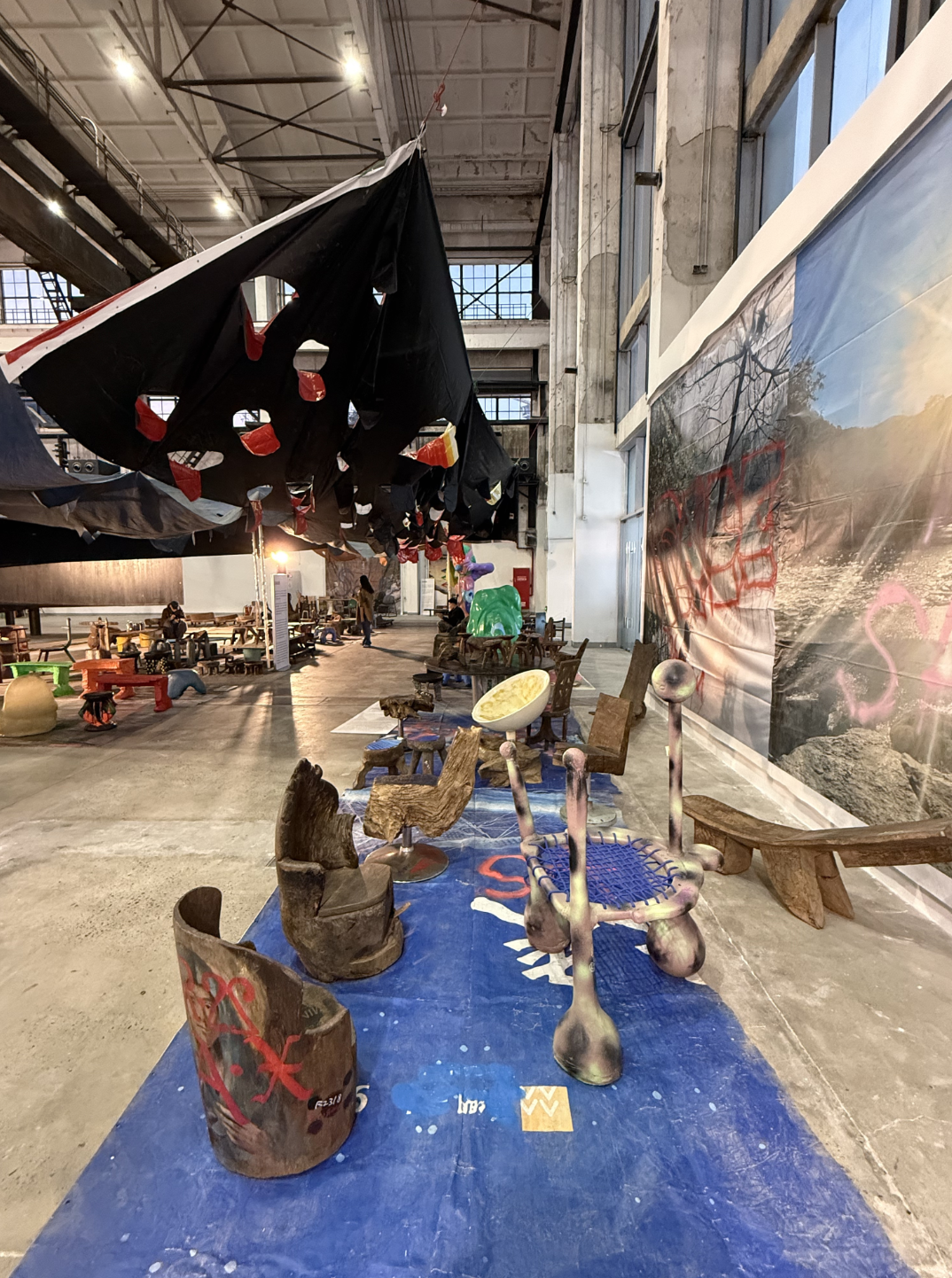
Some of these chairs are old objects he has gathered from different places; others are unfinished experiments from his studio. Together, they create a setting somewhere between a flea market and a vintage furniture shop. Visitors’ choices, judgements and even purchases are all part of the experiment.
Within an art fair whose central function is trade, this project is especially intriguing. When an artwork carries a clear price and can be bought with a quick scan, the whole act of consumption becomes something to look at and discuss. Are we buying a piece of furniture, an artist’s creation, or an imagined way of life?
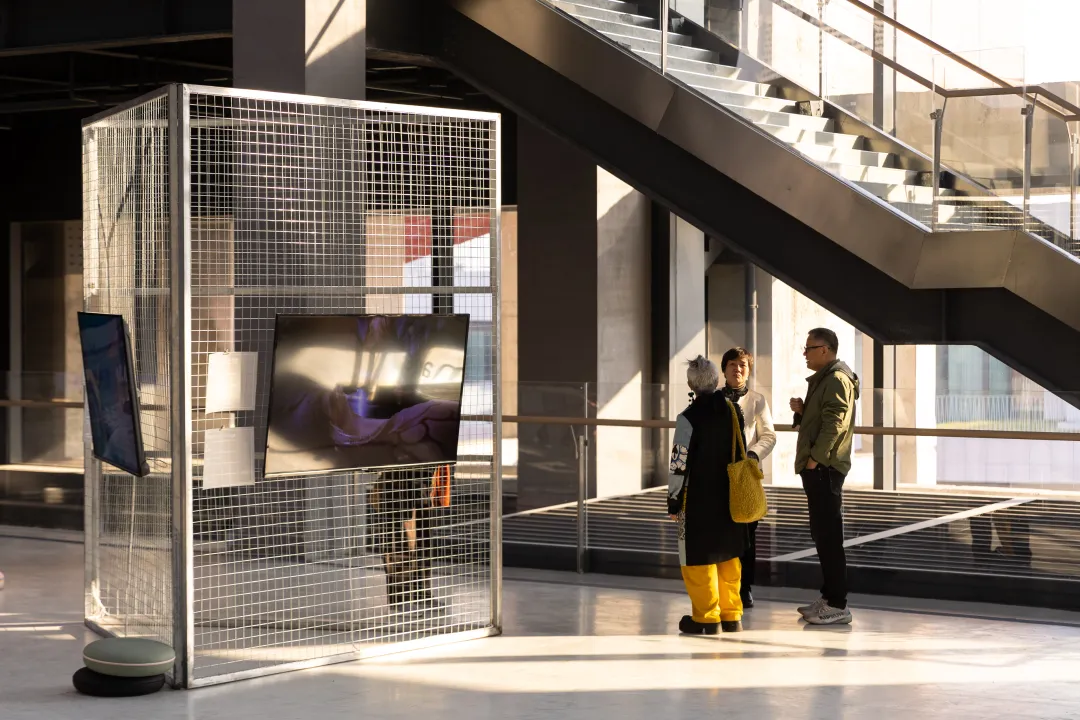
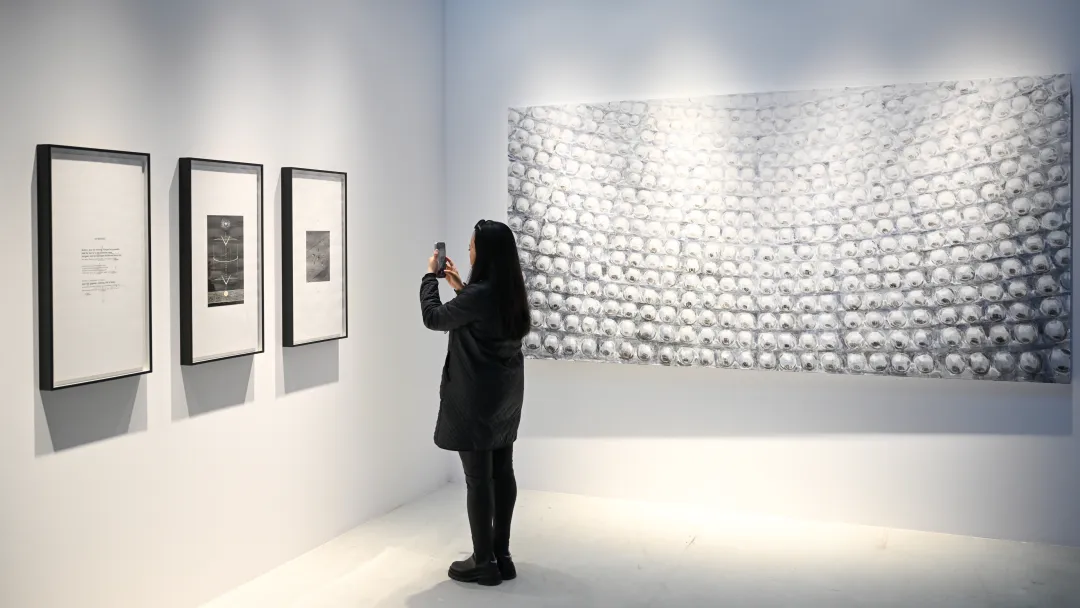
This year’s West Bund moves at several different paces, with a richer range of forms and content. On one hand, collectors have more time to stay, galleries make choices between established and new works, and institutional collecting continues. On the other, artists keep bringing identity, technology, the city and consumption into the conversation.
Caution can slow a purchase down while making the judgement behind it more specific. Once collectors are no longer rushing between fairs, whether a work can hold their gaze becomes another question worth watching, beyond the sale itself.