RM, Leader of Global Pop Phenomenon BTS, Opens His First Major Art Collection Exhibition: ‘I Don’t Want to Become a Boring Rich Person’
At SFMOMA, RM brings nearly 150 works from his personal collection into conversation with the museum’s holdings. He talks about discovering Korean art, living with the works he loves, and the uncomfortable questions that collecting can raise......
By / Xirui Huang · 13 min read
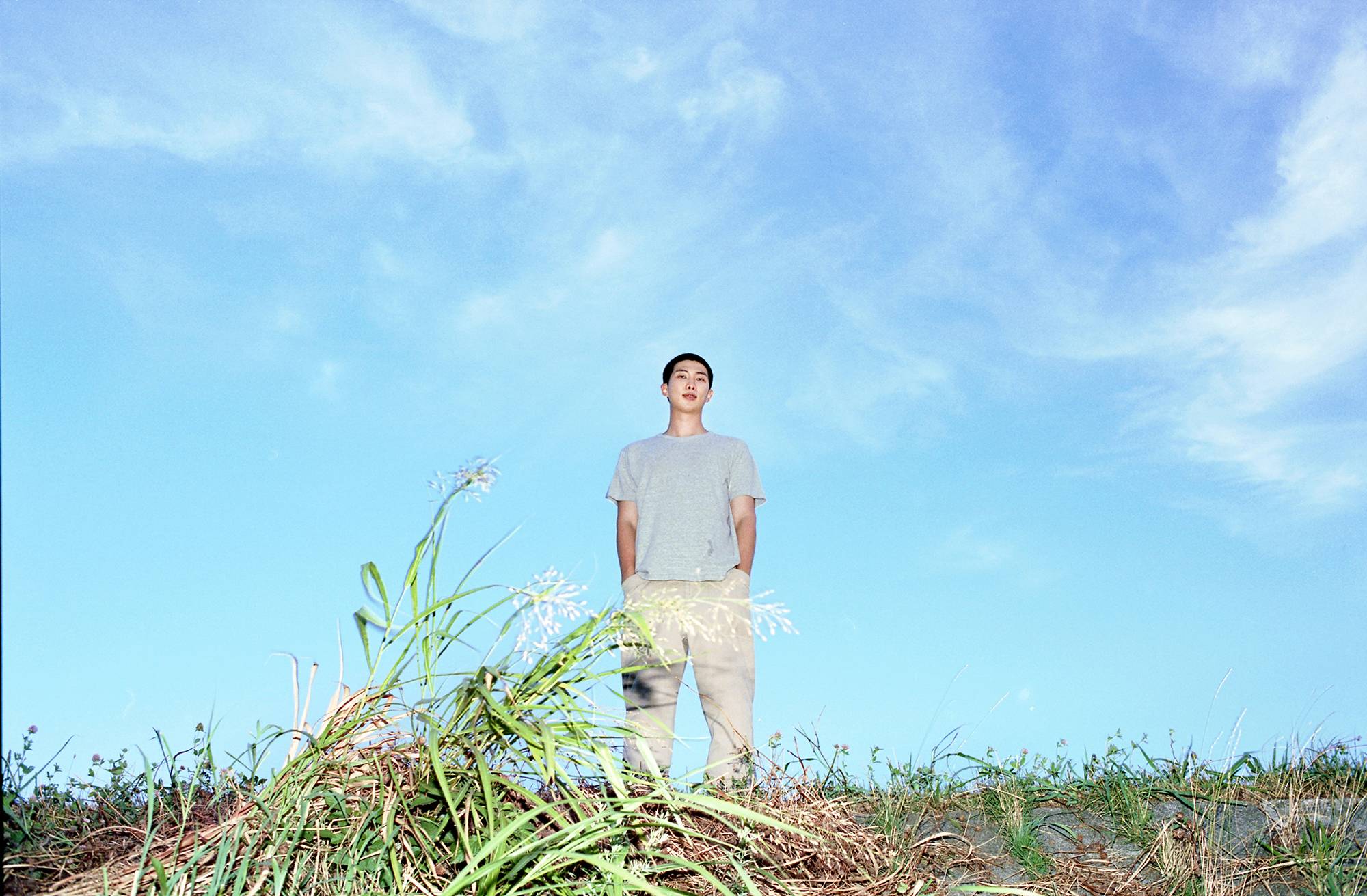
Portrait of RM; courtesy HYBE.
What is BTS RM’s SFMOMA exhibition about, and when is it on?
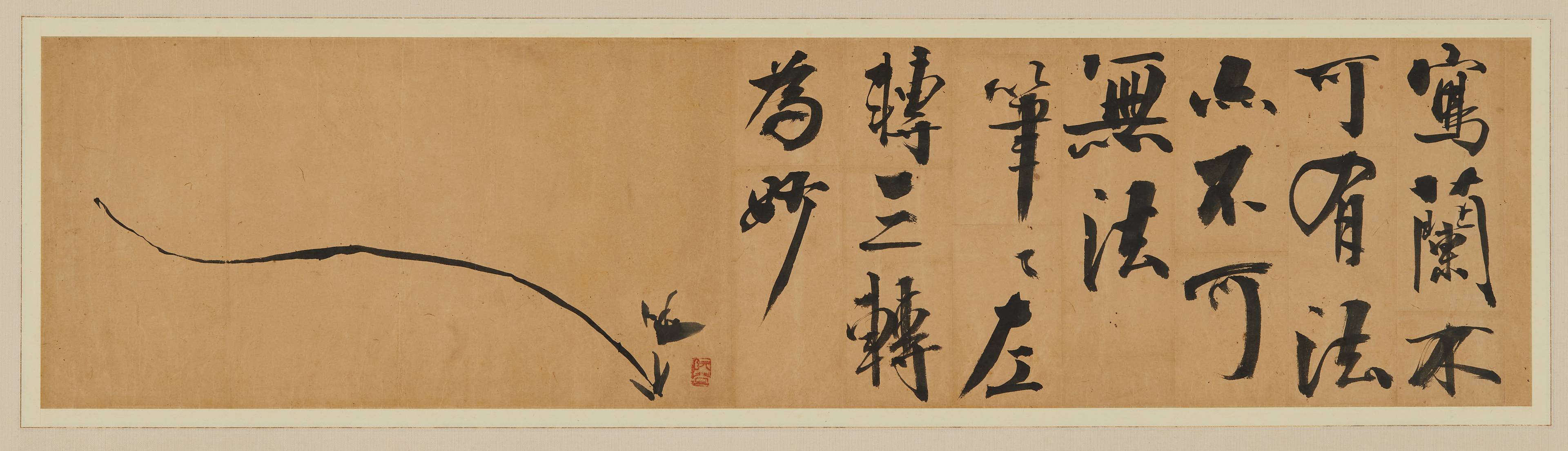
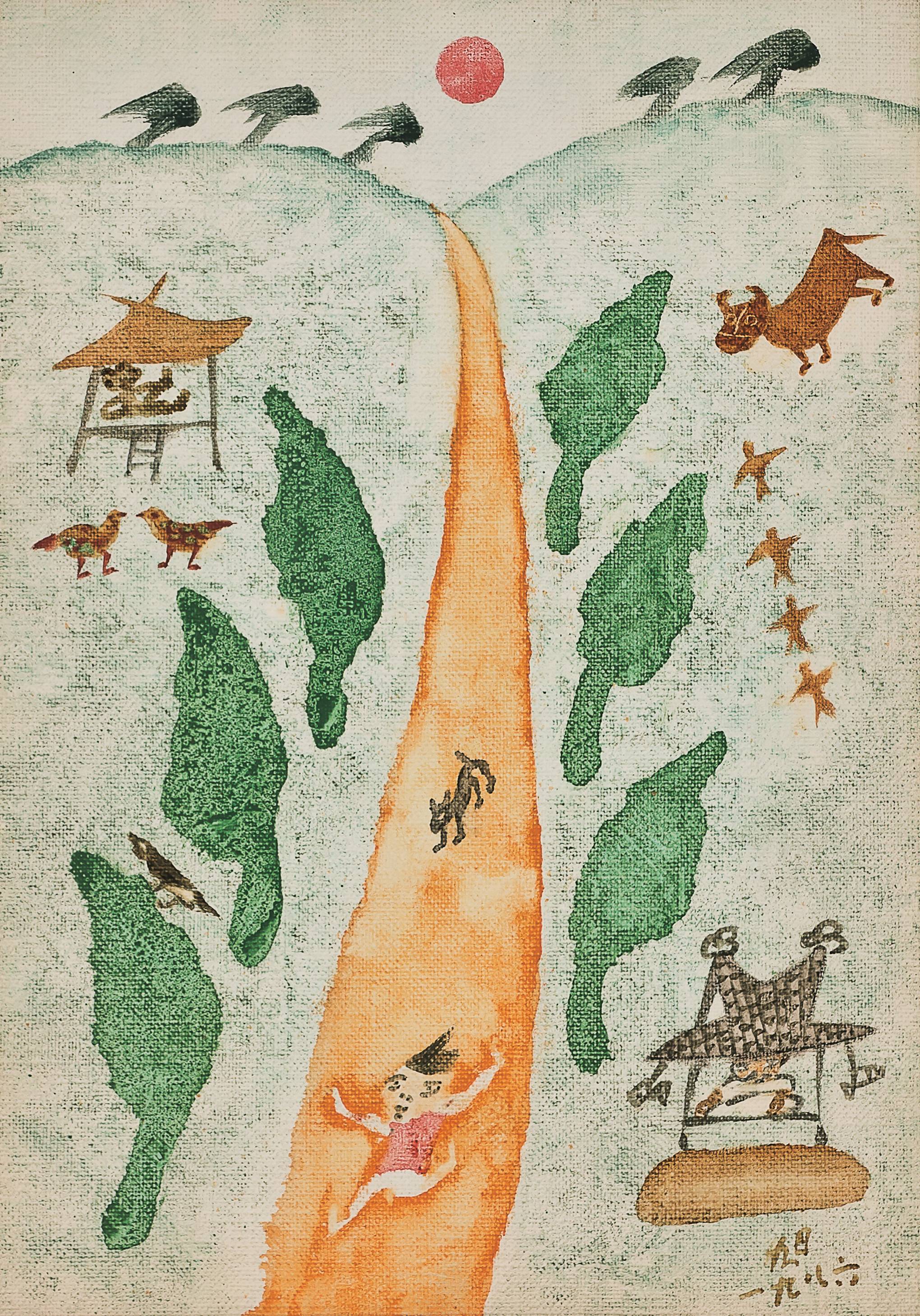
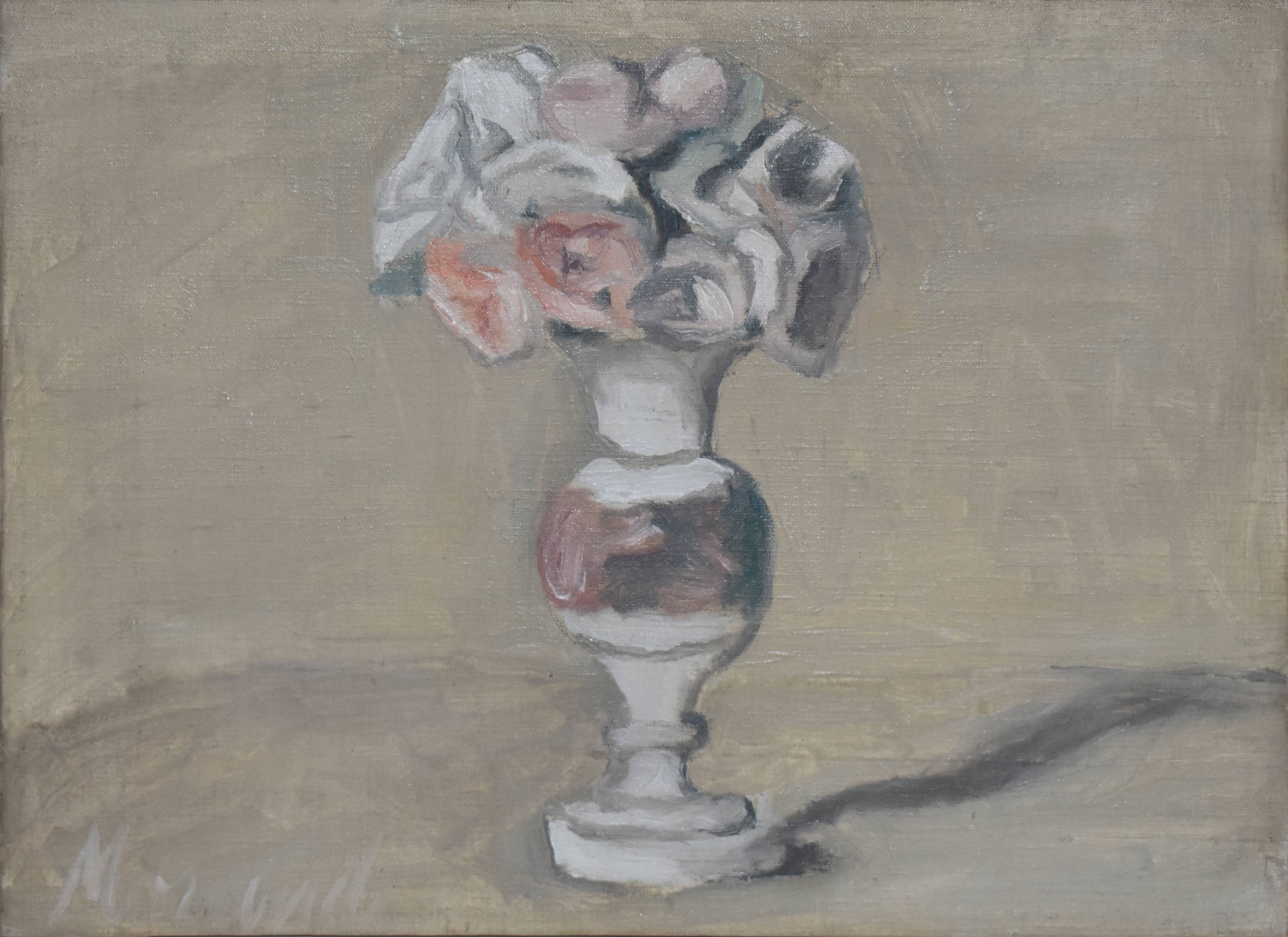
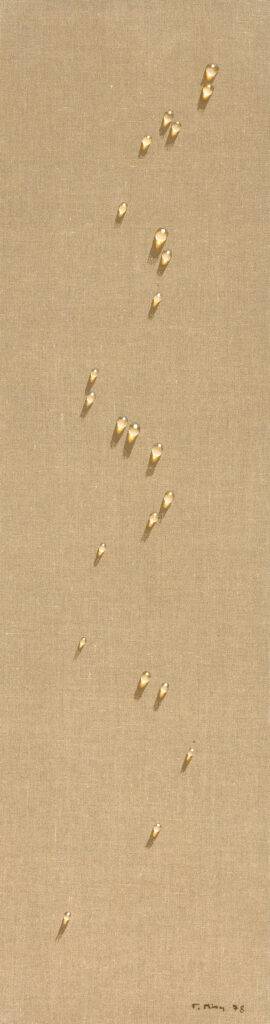
RM x SFMOMA: Between You and Me runs at the San Francisco Museum of Modern Art from October 3, 2026, to February 7, 2027. Nearly 150 works from BTS leader RM’s personal collection appear alongside SFMOMA’s holdings, including Korean artists Park Rehyun, Yun Hyong-keun, and Chang Ucchin. RM’s written reflections and audio guide connect the works with his life, music, and sense of self.
On the global pop stage, RM, the leader of BTS, is long accustomed to being watched. The group has received five Grammy nominations and toured around the world. His solo albums Indigo and Right Place, Wrong Person reached No. 3 and No. 5, respectively, on the Billboard 200. This year, BTS also performed in the halftime show at the FIFA World Cup Final.
For most people, the familiar image is of him singing, dancing, or speaking at the center of a stadium. Yet he has also become one of the most active celebrity collectors in contemporary art in recent years—a ‘VVVIP’ at Art Basel, one of the world’s leading art fairs.
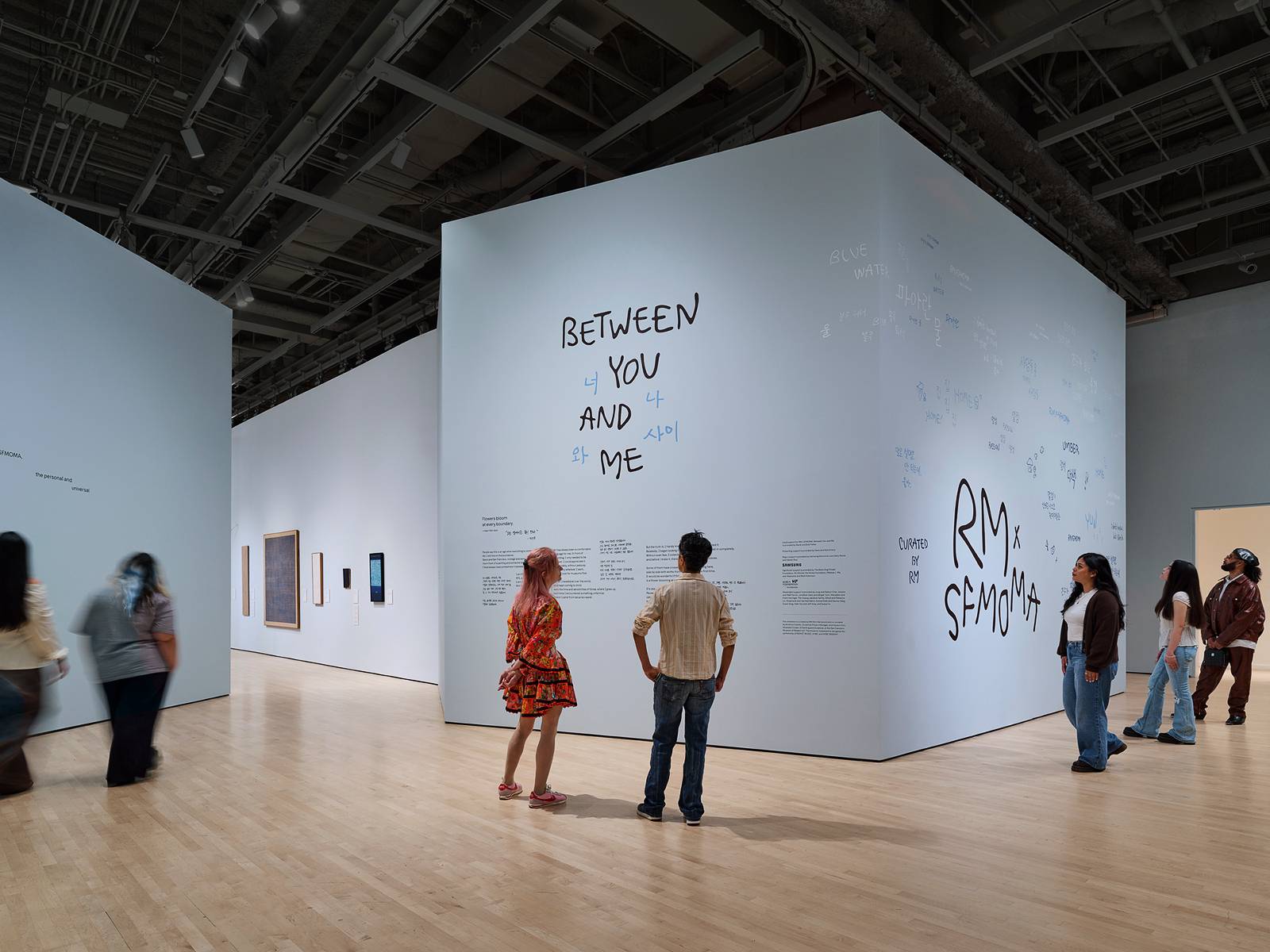
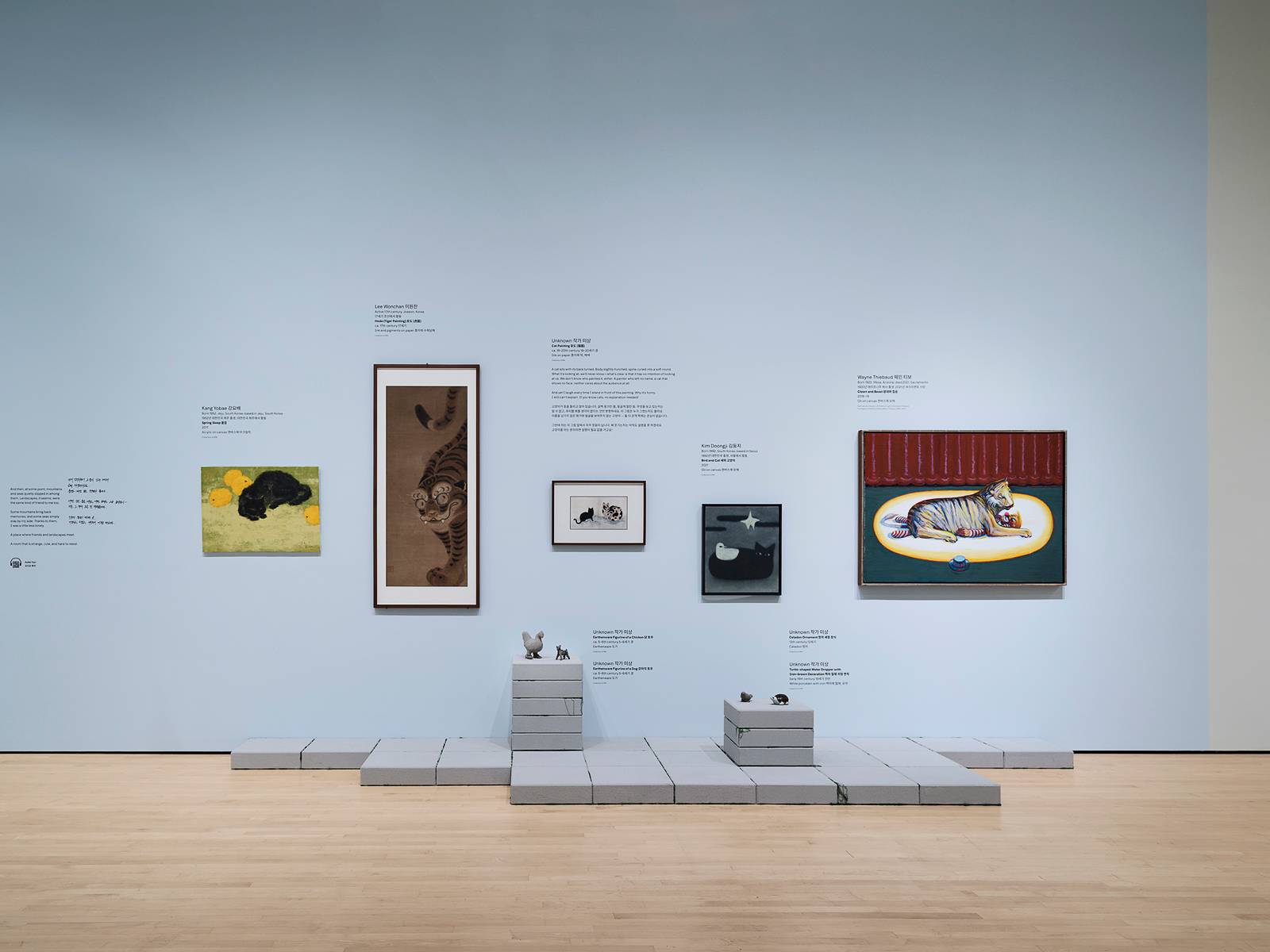
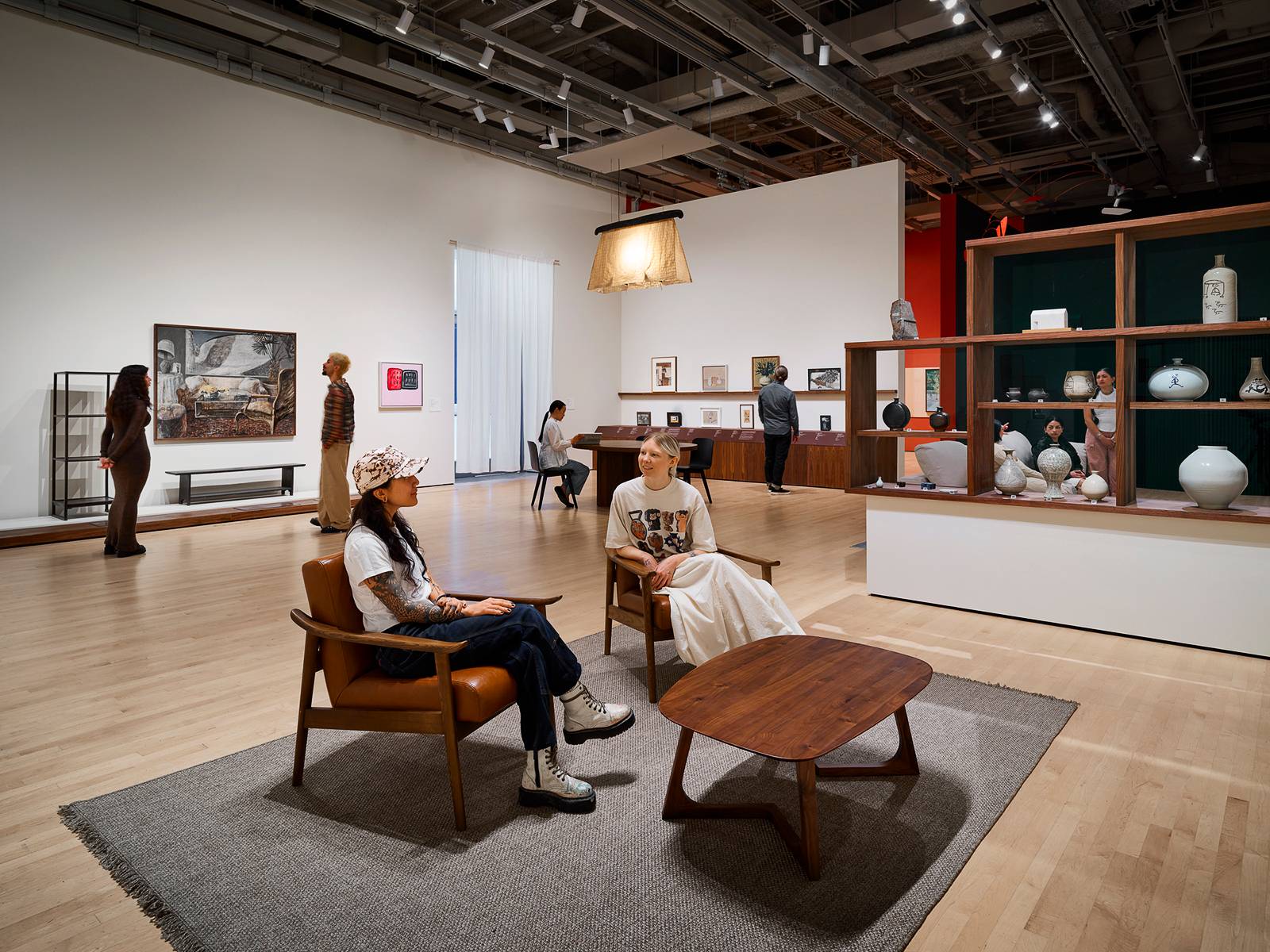
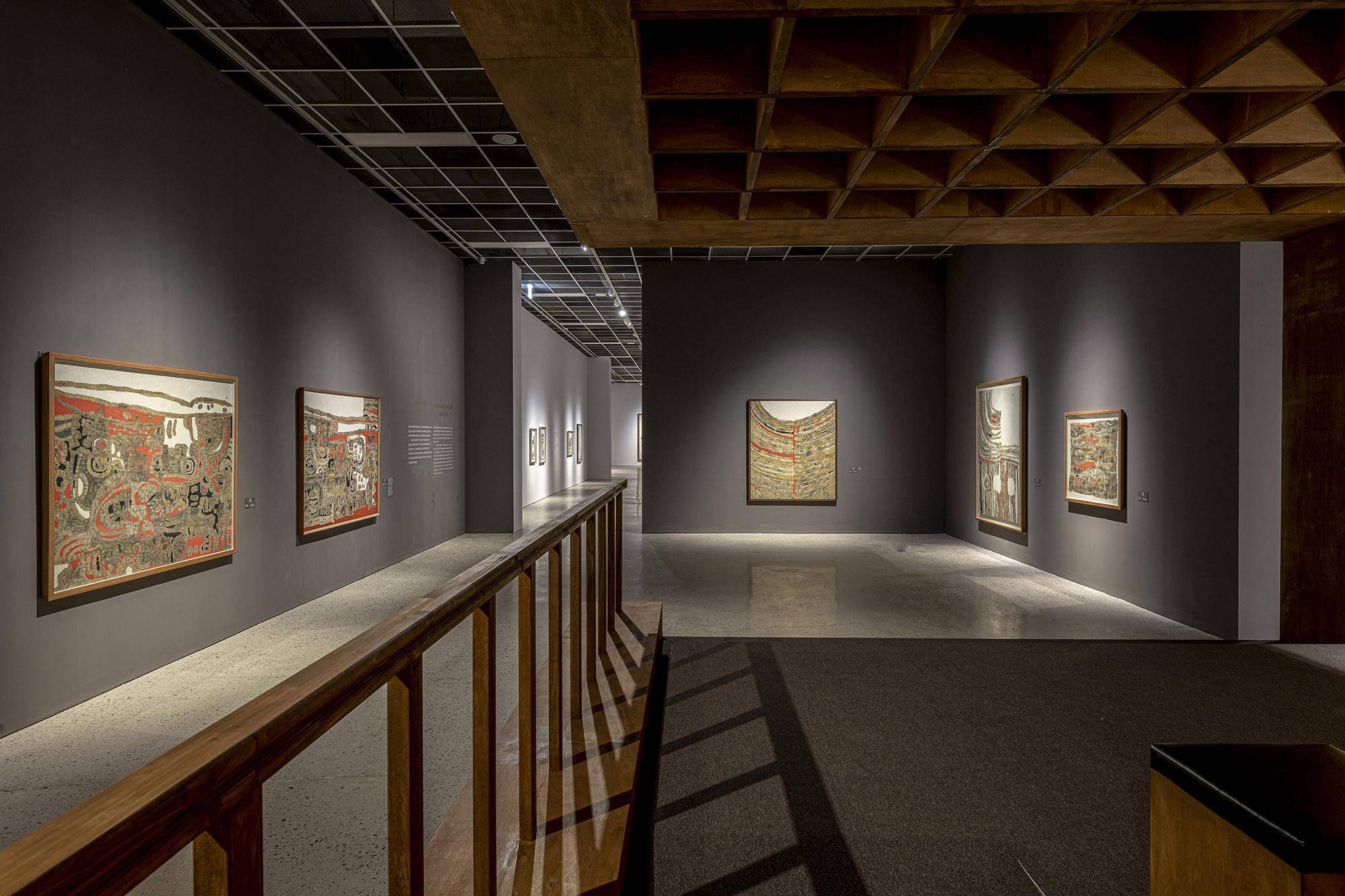
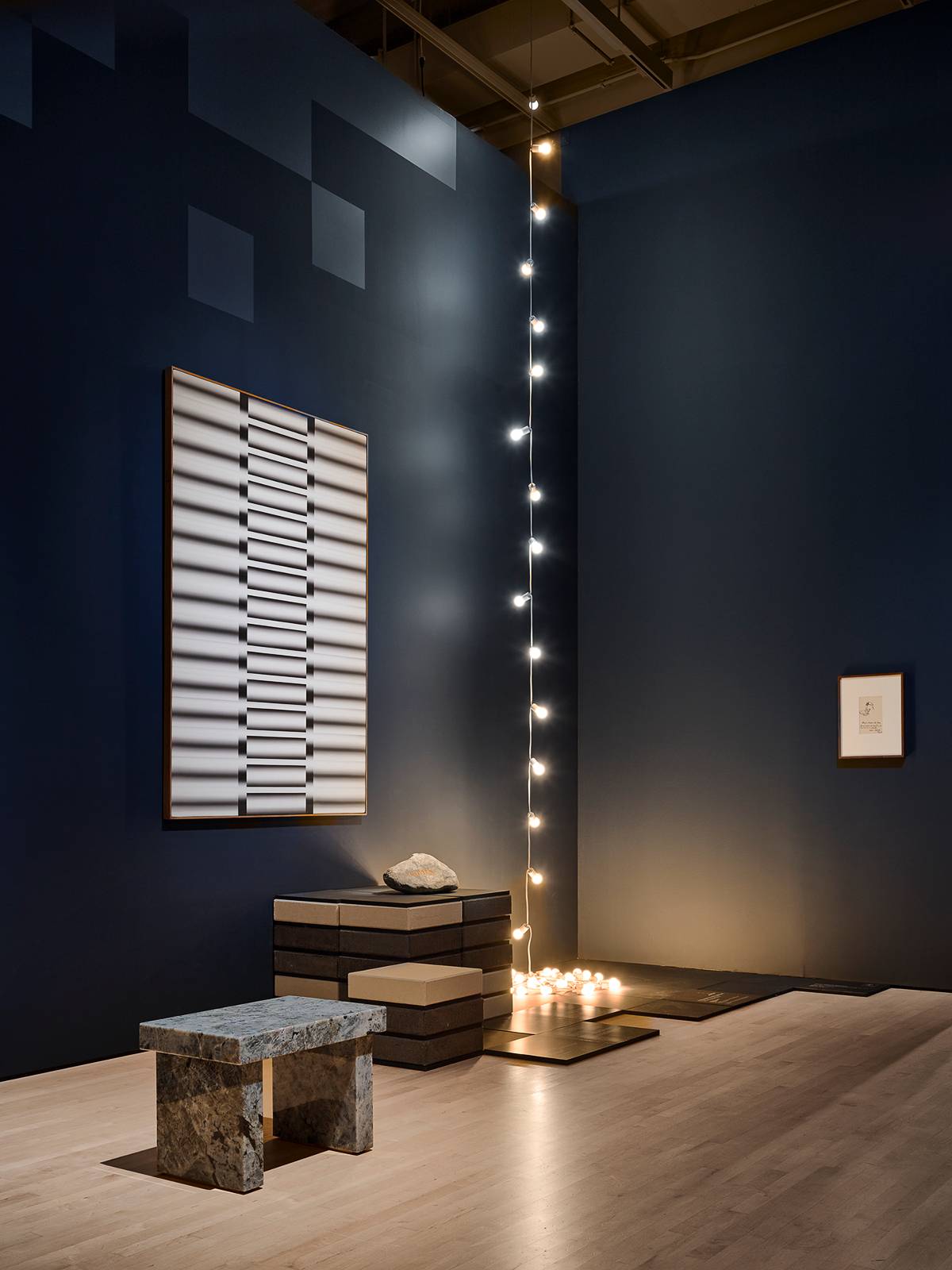
RM x SFMOMA: Between You and Me, installation view, San Francisco Museum of Modern Art, October 3, 2026–February 7, 2027. Photo: Matthew Millman. Courtesy SFMOMA.
This October, he brought nearly 150 works from his personal collection to the San Francisco Museum of Modern Art (SFMOMA), placing them alongside works from the museum’s collection. Many normally hang in his living room, bedroom, or recording studio; others were temporarily ‘borrowed’ from his parents’ home. He is also a co-curator of RM x SFMOMA: Between You and Me, and wrote and recorded the audio guide himself.
‘I’ve spent years, money, and energy building this collection. I’ve even given the walls of my own home over to these works. I think few things can reveal a person as honestly as a collection,’ RM says. ‘So this exhibition is probably a very long introduction to myself.’
SECTION 01 | ‘I Knew Picasso and Van Gogh, but Not the Artists of My Own Country’
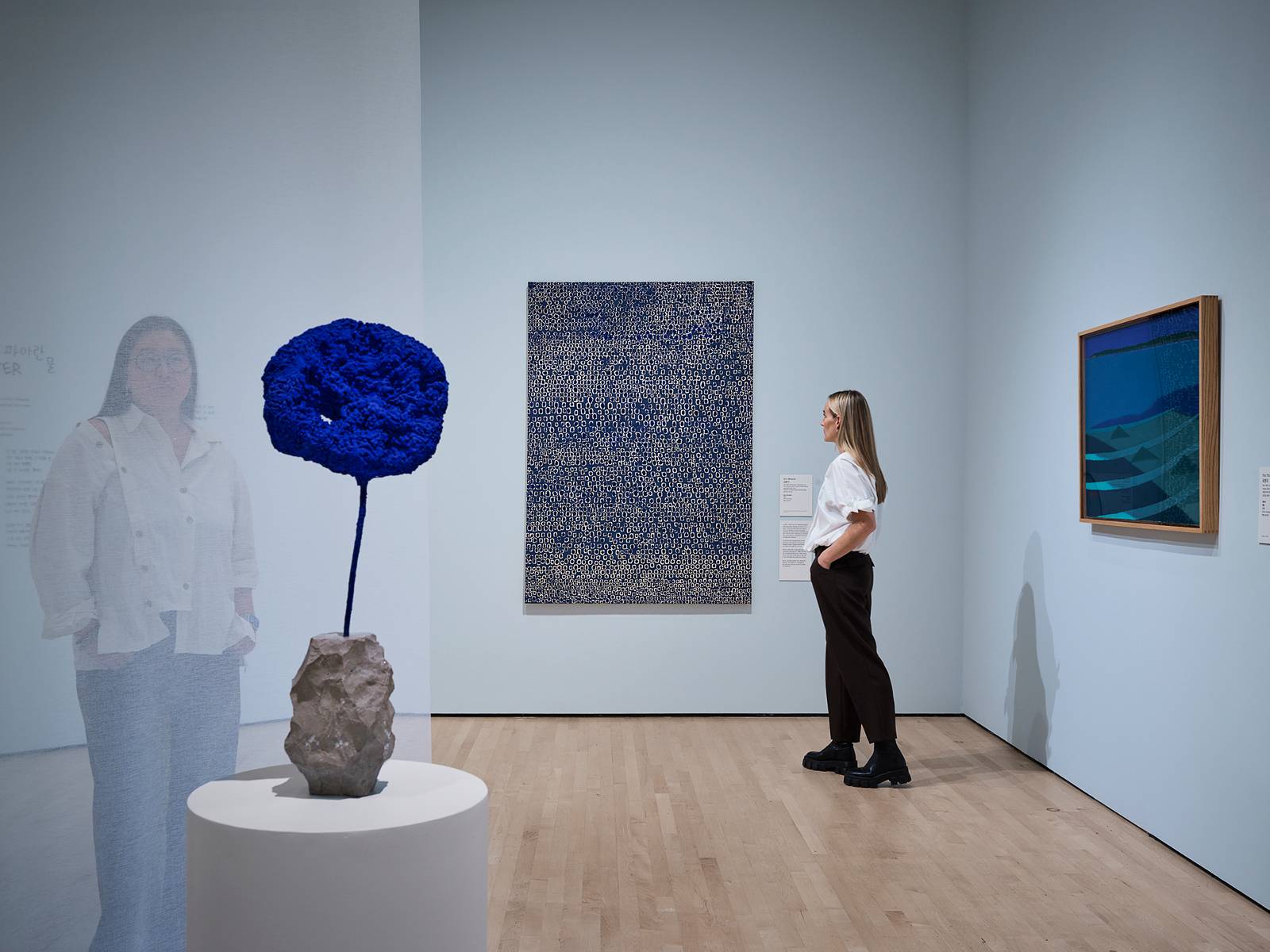
RM x SFMOMA: Between You and Me, installation view, San Francisco Museum of Modern Art, October 3, 2026–February 7, 2027. Photo: Matthew Millman. Courtesy SFMOMA.
RM began to get closer to art in 2018. BTS was touring the United States, with pockets of free time between shows. He often spent them alone in his hotel, watching YouTube and Netflix. Eventually, he decided to go out and visit the Art Institute of Chicago.
Inside the museum, he saw paintings by Monet, Picasso, and Van Gogh in person for the first time—works he had previously known only from textbooks. Once the initial excitement subsided, a question occurred to him.
‘I’m an artist from Korea. I know Picasso. I know Van Gogh. But I don’t know any artists from my own country,’ he recalls thinking. ‘You have to find your roots.’
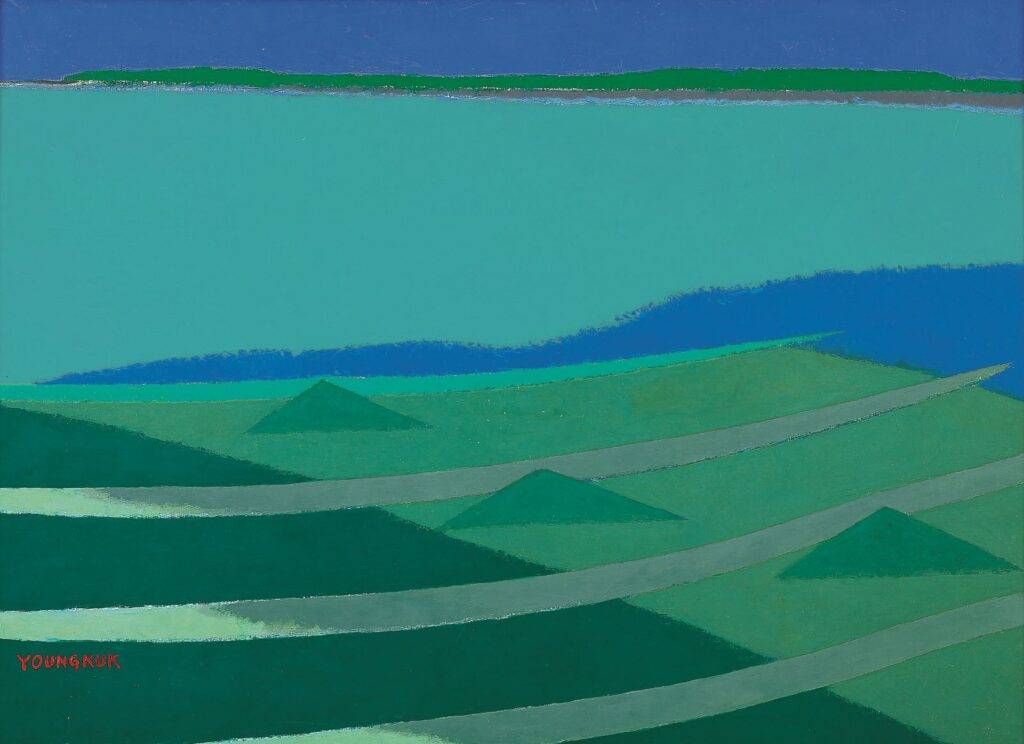
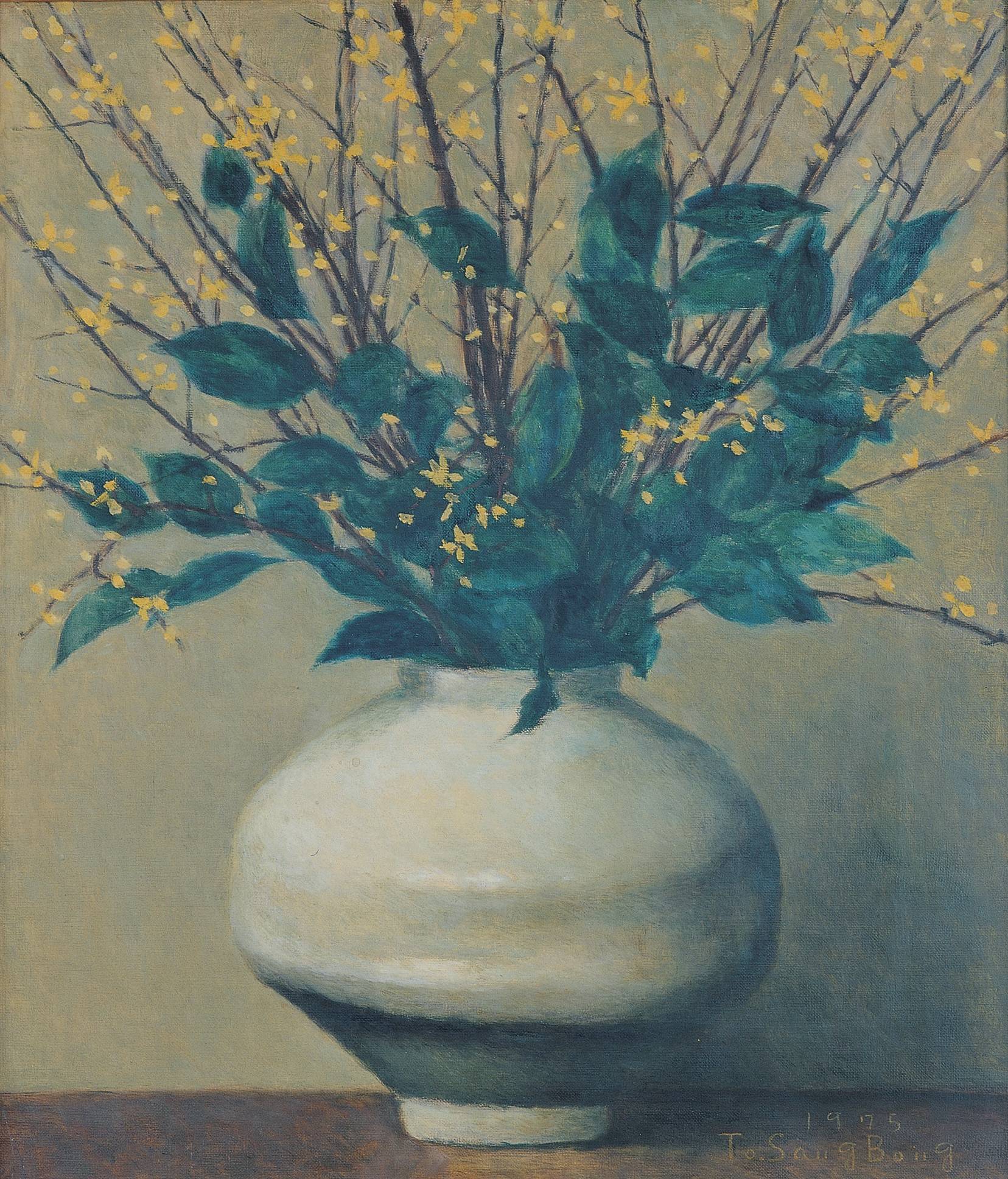
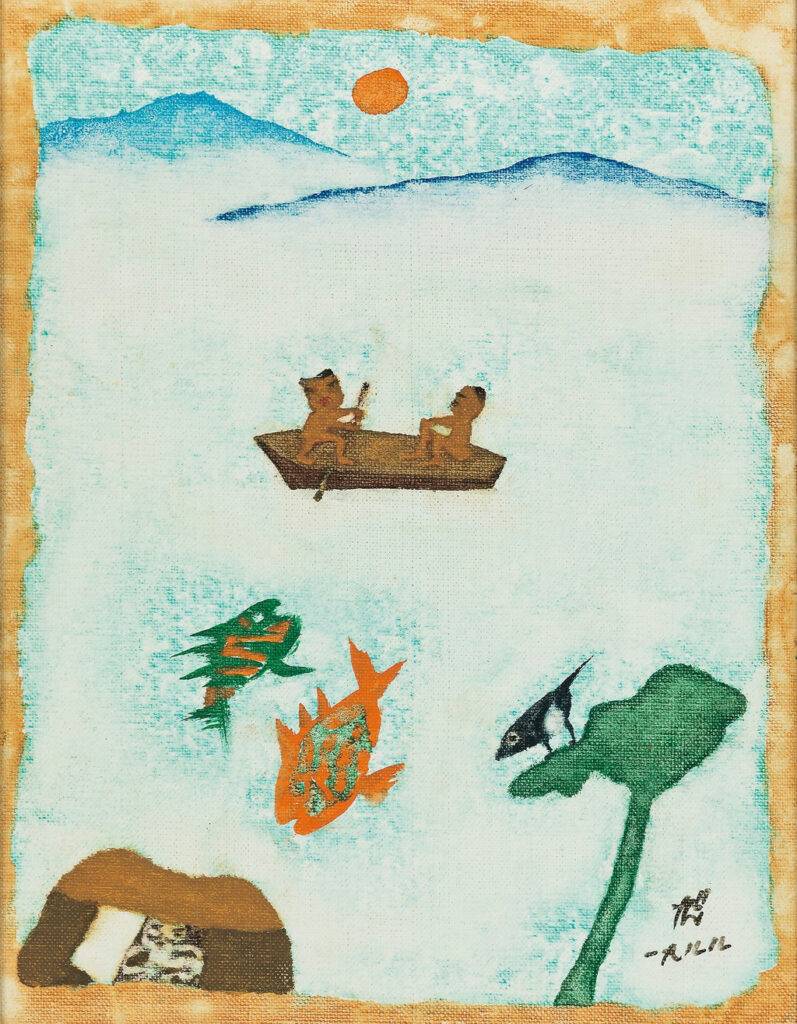
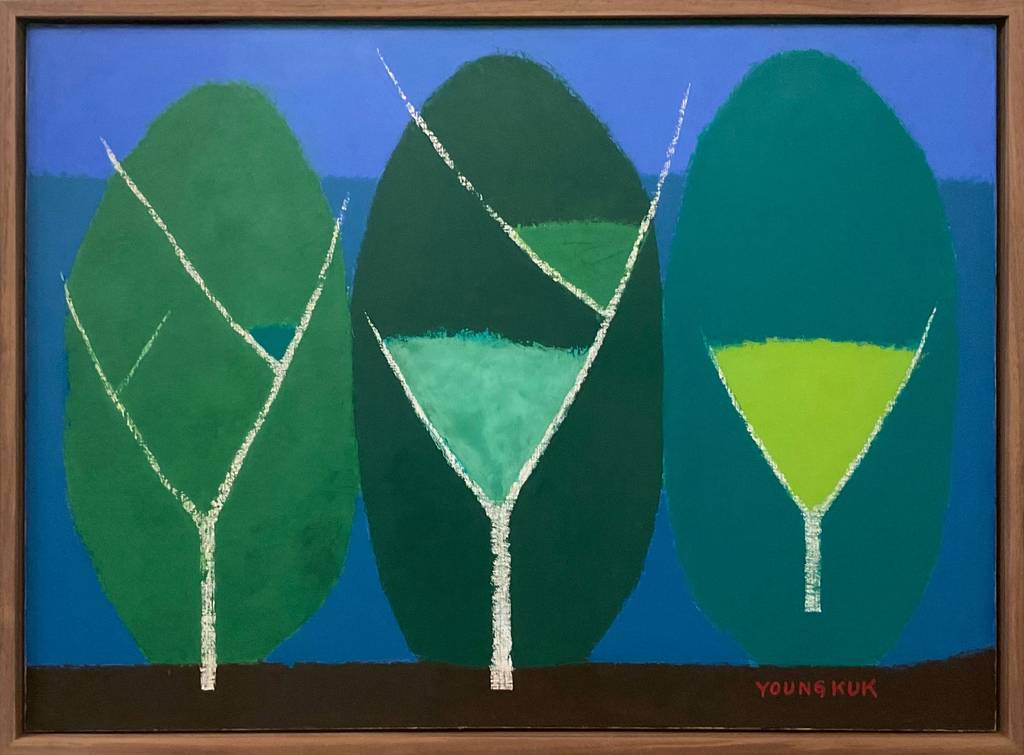
Back in Korea, he began seeking out Kim Whanki, Chang Ucchin, Yoo Youngkuk, Park Rehyun, and Yun Hyong-keun. He visited museums, read catalogs and artists’ biographies, and met their families. Visiting museums while on tour gradually changed from something to fill the gaps between work commitments into something he deliberately made time for.
RM says he has a bit of an ‘otaku’ personality: ‘Once I really like something, I go very deep into it.’ That was how his collecting began, too.
Asked why he became interested in Korean modern art, he does not immediately reach for a grand mission to promote Korean culture. Instead, he offers a practical explanation, half joking: ‘Honestly, their prices were more affordable for me back then. I’m not some hedge-fund tycoon, you know,’ he laughs.
There were challenges, though. Few young collectors were buying work by these older Korean modernists, and the people bidding against him at auction were often seasoned collectors in their seventies or eighties. They could bid more freely than he could. Sometimes he could only make a playful appeal to his elders: ‘Please leave this one for me—for the younger generation. You already have so many good works.’
He brought the works home and hung them where he would see them every day. He did not simply admire them at the moment of purchase and send them off to storage; he lived with them over time. Some later entered his music. Others changed the way he understood the artists. And some made him question the life he had come to take for granted.
When SFMOMA invited RM to make an exhibition two years ago, he was still serving in the military. He was immediately drawn to the idea. He had long wanted to establish his own art space in Seoul, but did not yet feel the time was right. Working with SFMOMA offered a chance to try something similar a little earlier.
Once work on the exhibition began, he realized that moving art from a home into a museum was much more complicated than rehanging it. His first idea was straightforward: ‘I wanted to put works on the floor, all over the place.’ The museum reminded him that there were safety rules and design standards: visitors needed to move through the galleries safely. He also wanted music in the exhibition, but discovered how easily sound and visual art could compete. After repeated discussions with the curatorial team, he kept a personally selected playlist only in the Home section.
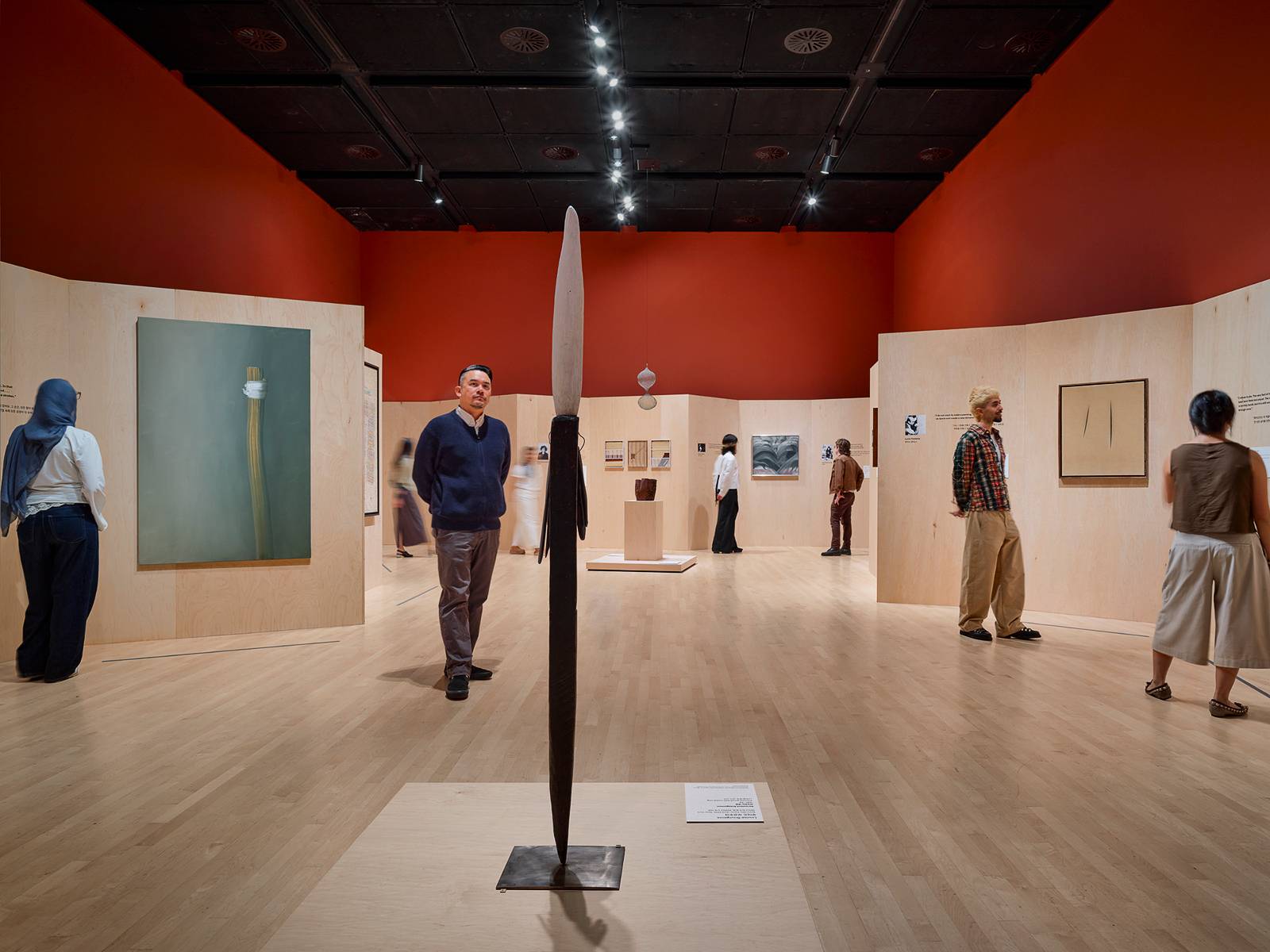
RM x SFMOMA: Between You and Me, installation view, San Francisco Museum of Modern Art, October 3, 2026–February 7, 2027. Photo: Matthew Millman. Courtesy SFMOMA.
He took part in almost every stage, from choosing, arranging, and framing the works to preparing the wall texts, labels, and audio guide.
‘I started this project with a very simple heart. Then I found that this simplicity would have me writing and deleting, deleting and writing, until I’d revised hundreds of labels.’
Before this, RM had neither formal training in art history nor experience as a museum curator. ‘In any field, an outsider can sometimes bring in fresh air. Because I don’t belong to the art world, perhaps I can be a little freer.’ He is confident about taking on something new.
RM x SFMOMA: Between You and Me, installation view, San Francisco Museum of Modern Art, October 3, 2026–February 7, 2027. Photo: Matthew Millman. Courtesy SFMOMA.
When we put on the museum’s audio guide, we hear him in our ears: ‘Although the exhibition is called RM x SFMOMA, these are very personal things, so here I’d rather you called me Namjoon. If that’s too long, you can call me Joon.’ The person he wants visitors to meet is not the leader of the global pop phenomenon BTS, but an art lover named Kim Namjoon.
SECTION 02 | ‘Am I Becoming a Boring Rich Person?’
RM tells us that he likes to change the paintings in his bedroom with the seasons. In summer, he hangs a mountain landscape by Park Kosuk. In winter, he swaps it for a snowy scene by Kim Chong Hak. Ducks swim across the cold water in the painting; to him, it feels right for winter.
‘It’s a joy to see how different artists paint the same thing differently, at different times and in different places.’ In his collection, art is not always solemn. It can be connected to the weather, to a particular encounter, or simply to something that makes him feel a little better whenever he walks past.
Friendscape, one of the exhibition’s sections, is a word he made by bringing together ‘friend’ and ‘landscape.’ Animals, trees, mountains, rivers, and plants all belong among his friends.
A pair of wooden geese from the Joseon dynasty appears here, too. Traditionally, such birds were given to newlyweds as a wish for a peaceful, lasting life together. Each has its own appearance. In the gallery, he made an artificial pond and placed the geese on its simulated surface.
‘Of course, people in the past wouldn’t have put wood into real water—it would get damaged. But I just wanted to do something a little strange,’ RM says with a laugh.
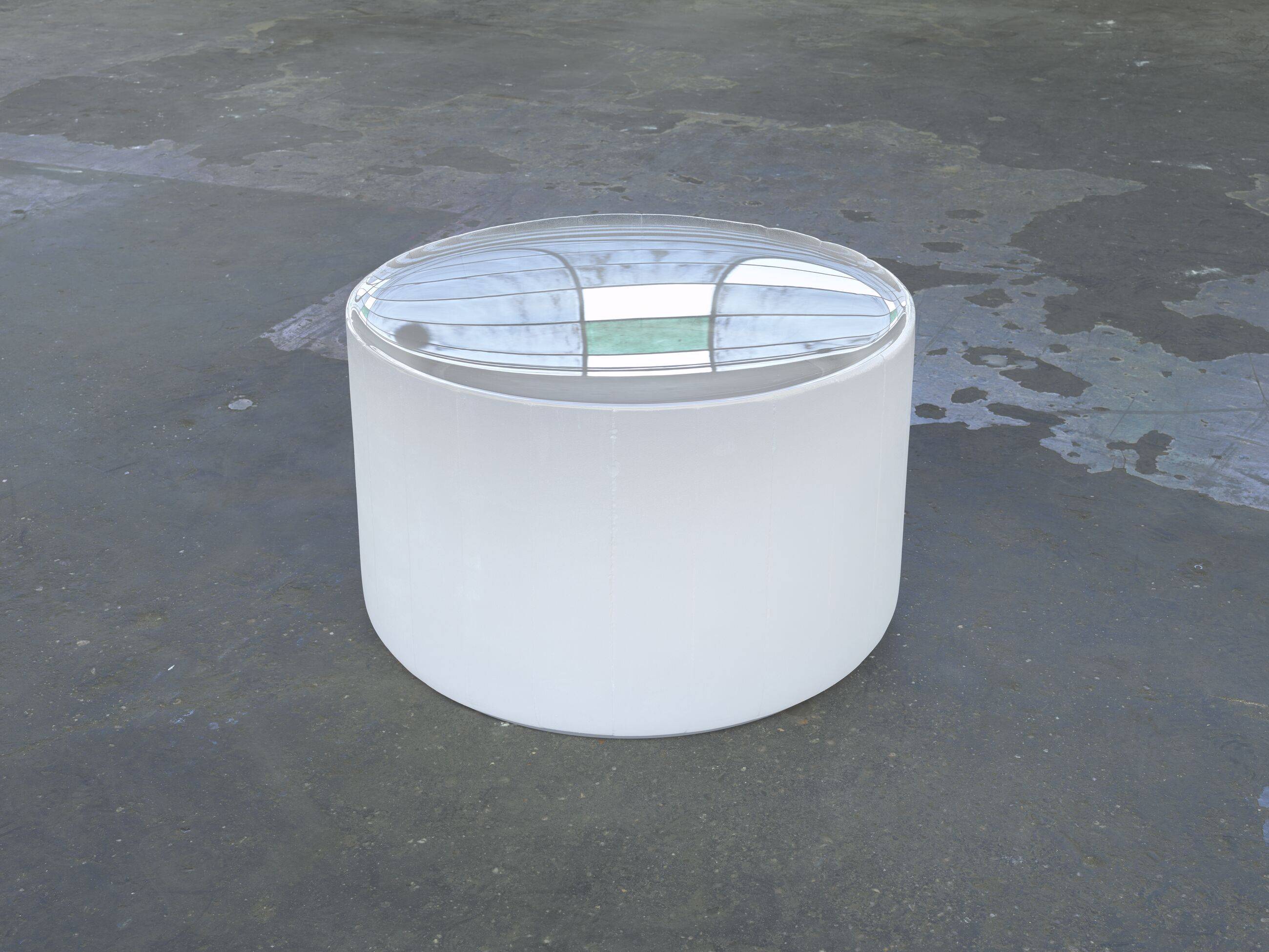
Faced with an unfamiliar work, RM does not mind admitting that he has misunderstood it. When he first encountered a glass sculpture by Roni Horn, he thought it really contained water. ‘I was wondering whether the museum had to change the water every day.’
Only later did he discover that it was a solid piece of glass.
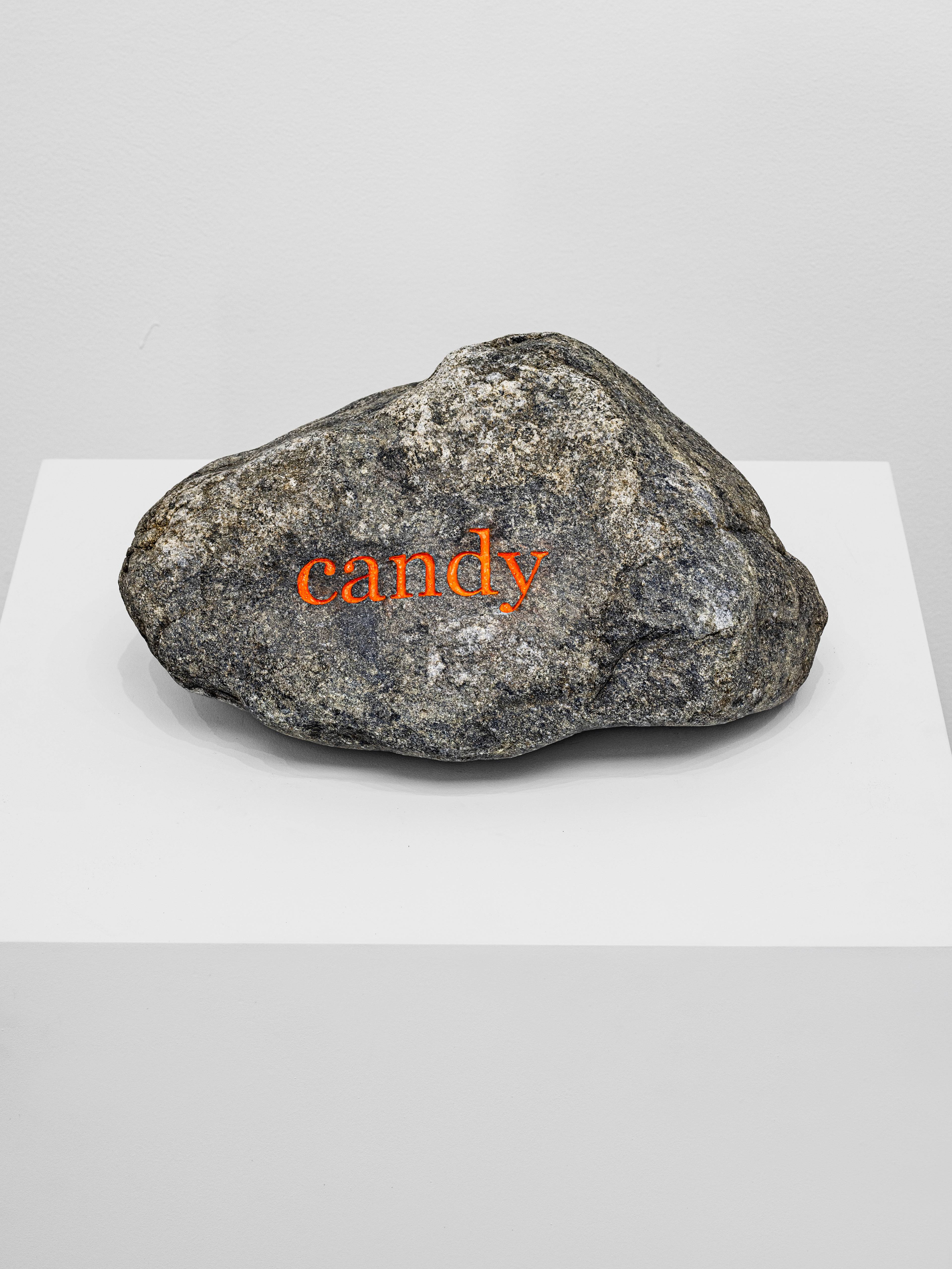
‘Your imagination always betrays you. That’s what makes sculpture interesting.’ He even gave one section the plainspoken title I Don’t Know But I Like It.
‘Whenever you introduce an artist you like, people feel this pressure. It’s as though you have to explain the work, talk about great art histories, critical theory, and all this knowledge. But sometimes visual art is simply something you look at. You’re drawn to the way it looks first,’ RM says.
This section also includes ceramics by Yoshitomo Nara. For RM, they are bound up with the memory of sharing a drink.
In 2023, before beginning his military service, he met Nara in Seoul. Gallery openings usually offer champagne and wine. Nara, however, arrived in old jeans and brought makgeolli, which he poured into paper cups to share. Later, RM took Nara’s ceramics home and placed them beside traditional Korean white porcelain painted with iron pigment. ‘When I see them together, I always remember that summer—Nara drinking makgeolli out of a paper cup,’ he says.
‘When a personal experience becomes connected with a work you’ve bought, it acquires a story that only you know. That’s how the attachment slowly grows.’
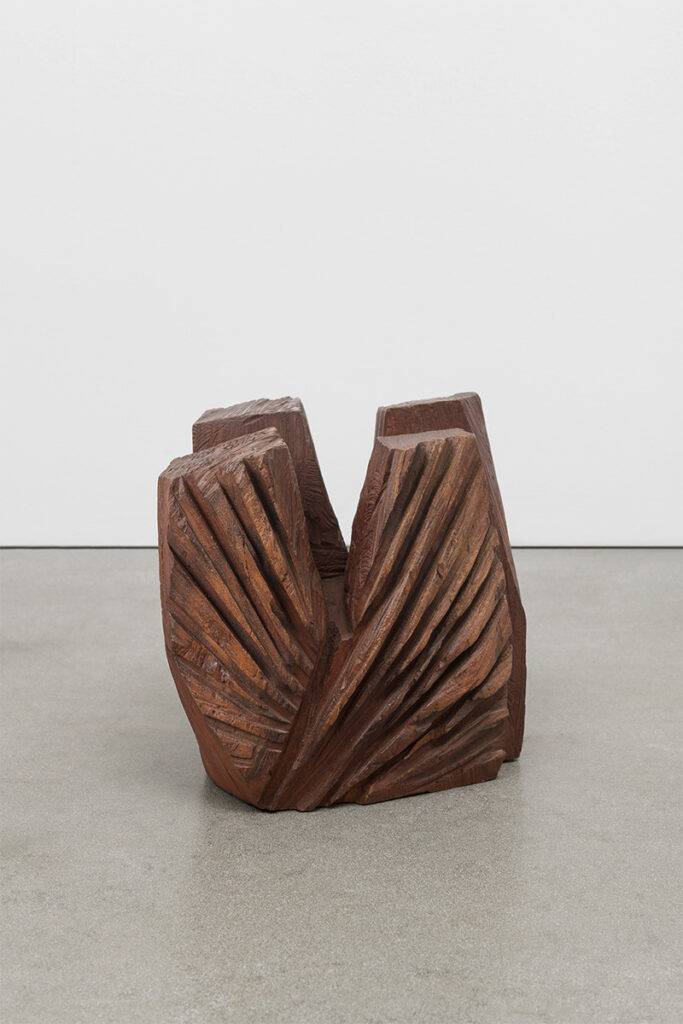
The Home gallery comes closest to his actual home. Old wooden furniture, ceramics, paintings, and his chosen music share the space. The scratches and holes in the wood bear traces of use. ‘Wood and stone always make me feel at home. Perhaps it’s because they come from nature,’ RM says.
Yet within this relaxing setting is a painting that often makes him uncomfortable: Son Sangki’s Artificial City - Irony. It depicts an affluent family’s living room, furnished with expensive European-style pieces; one of Son’s own paintings hangs on the wall. The work once hung in RM’s living room. ‘Whenever I look at it, I wonder: am I becoming a boring rich person?’
RM tells us that he grew up in an ordinary household financially, yet became enormously wealthy at a young age through his career as an idol. Buying things he likes can bring pleasure, of course. But he also asks himself: ‘Sometimes I wonder whether I really deserve all these things I don’t even need.’
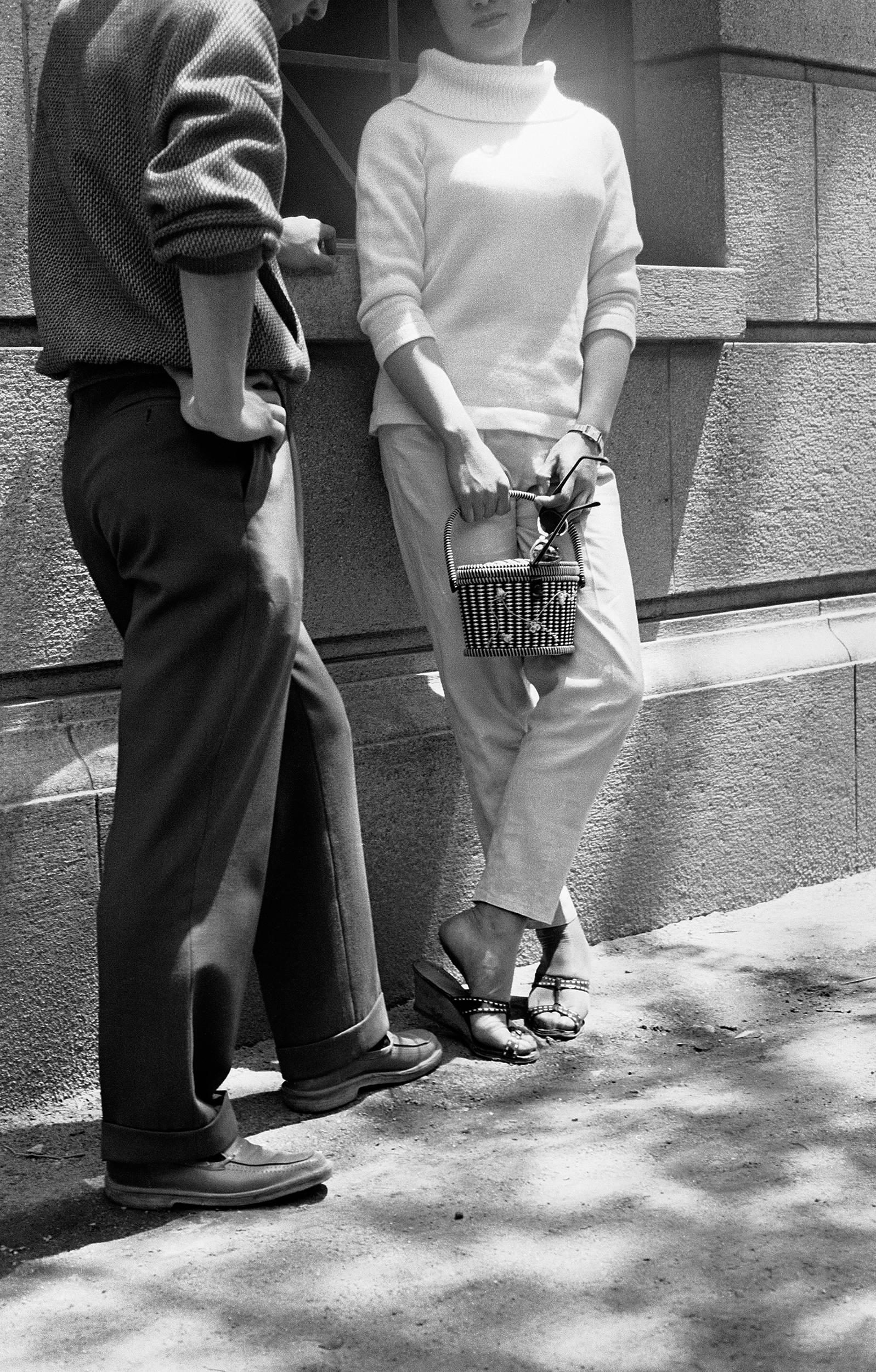
He also places works in his family’s homes. A photograph by Han Youngsoo in the exhibition normally hangs in his parents’ house. Taken in Seoul in the 1950s, it shows a young couple together, their faces out of view: one figure faces forward, while the other is seen from the side.
While preparing this exhibition, RM took the photograph away. After a while, his parents asked: ‘Where did that photograph go? We really liked it.’ Looking back, he says: ‘Perhaps it reminds them of the way they looked when they were young and dating.’
At school, he had learned to associate that period with war, poverty, and ruins. The photograph showed him that even in difficult times, people still dressed carefully, went on dates, and took walks. ‘We see someone in an artwork, and eventually we place that person back into our own lives. Listening to a song is the same. Sometimes you feel that the song is about you.’
RM also speaks eagerly about artists’ lives and experiences. Park Rehyun matters a great deal to him. Her husband, Kim Kichang, was also a painter and had a hearing impairment. As well as helping him communicate with the outside world, she raised four children, managed the household, and continued making art in whatever time remained.
‘There weren’t even washing machines then. I simply can’t imagine how she managed to do all of that.’
Installation view of Park Rehyun Retrospective: Triple Interpreter, marking the centenary of the artist’s birth, MMCA Deoksugung, 2020. Image: National Museum of Modern and Contemporary Art, Korea (MMCA).
RM saw her retrospective at MMCA Deoksugung. It remains one of the exhibitions he remembers most vividly. He makes no attempt to conceal his admiration. Understanding how these artists lived matters to him as much as looking at their work. ‘These artists make me realize that my suffering isn’t such a big deal. I don’t know whether they’ve made me a better musician, but they have certainly made me a better person.’
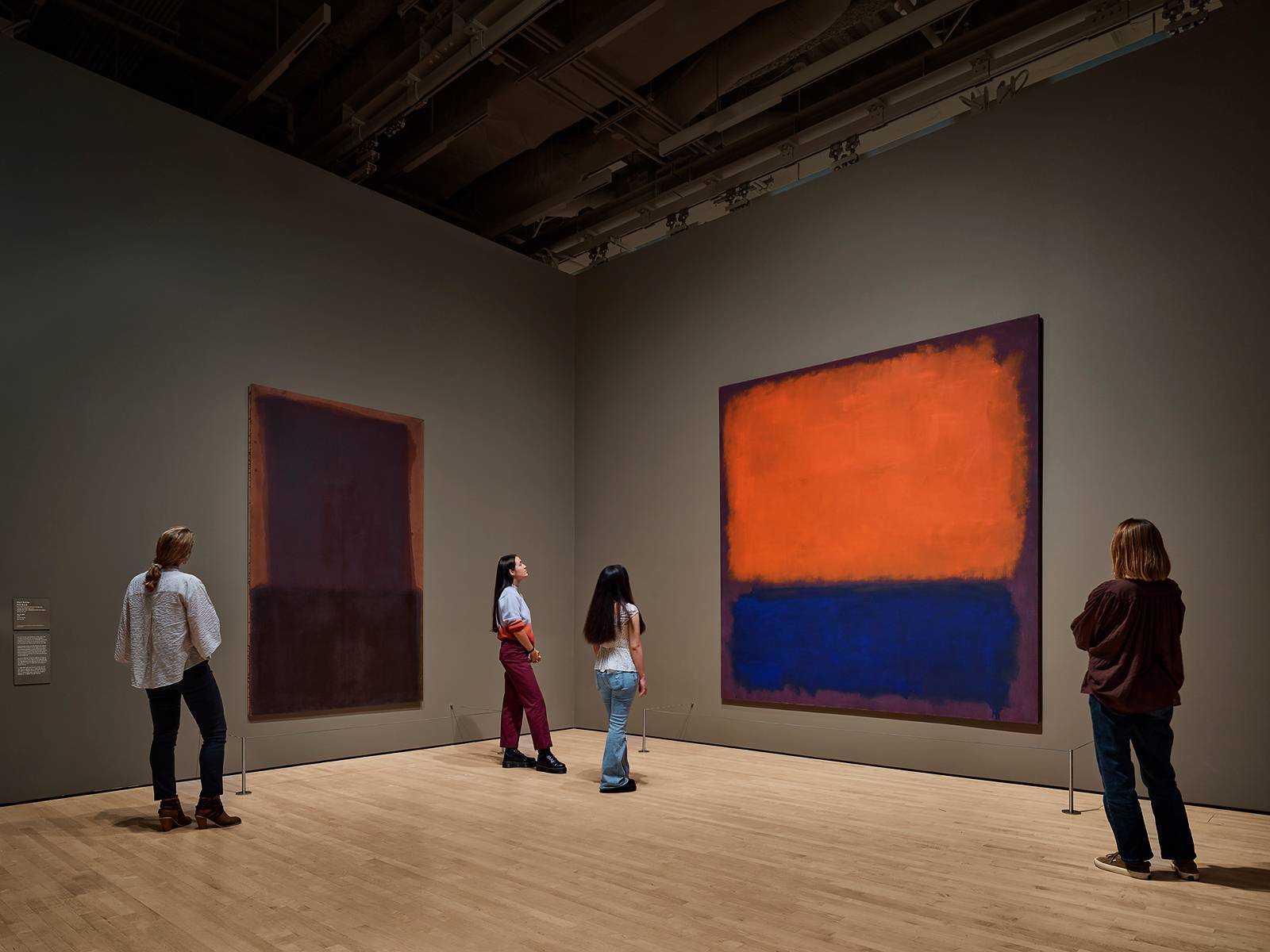
RM x SFMOMA: Between You and Me, installation view, San Francisco Museum of Modern Art, October 3, 2026–February 7, 2027. Photo: Matthew Millman. Courtesy SFMOMA.
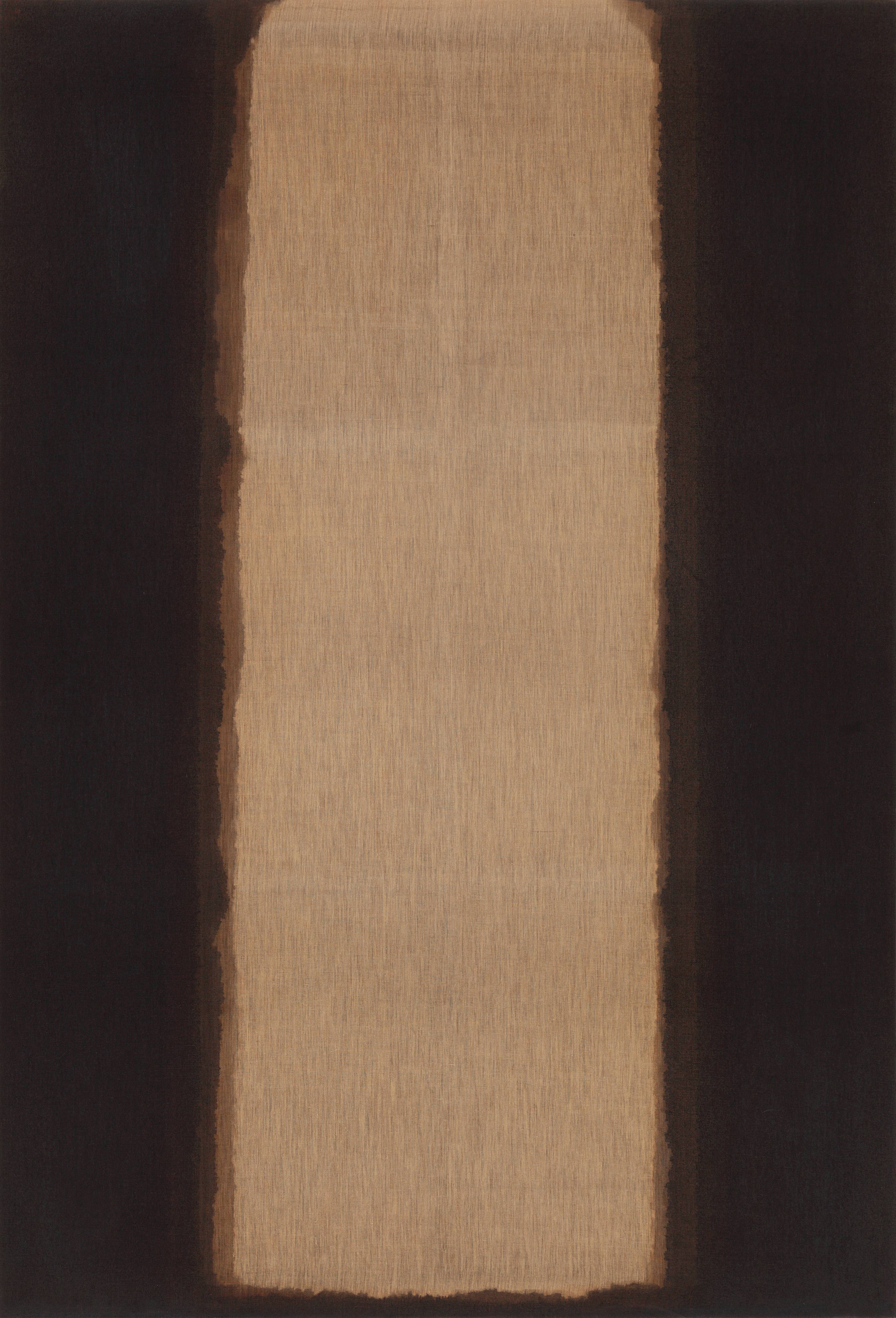
Yun Hyong-keun has had a particularly profound influence on him. In 2019, RM missed Yun’s retrospective at the National Museum of Modern and Contemporary Art, Korea. When he heard that the exhibition had traveled to Venice, he flew there specifically to see it.
As he entered Palazzo Fortuny, where the exhibition was held, he saw a young woman leaving in tears. At first, he could not understand why. Once he went inside, he understood. ‘It was a sublime experience. I didn’t cry, but it completely shook me.’
Yun lived through war, political persecution, and imprisonment. RM was drawn to his paintings, but also moved by the choices he made as a person.
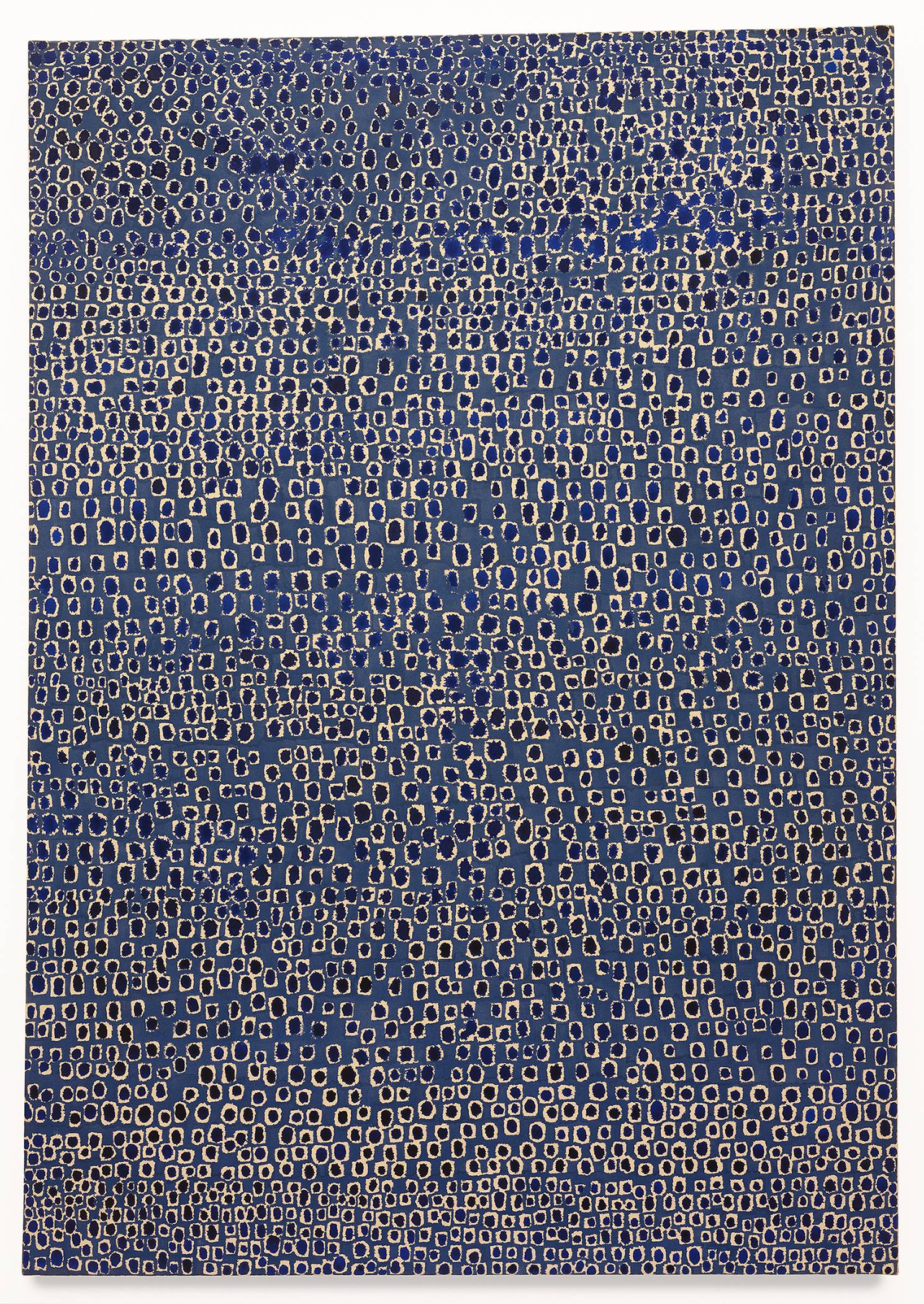
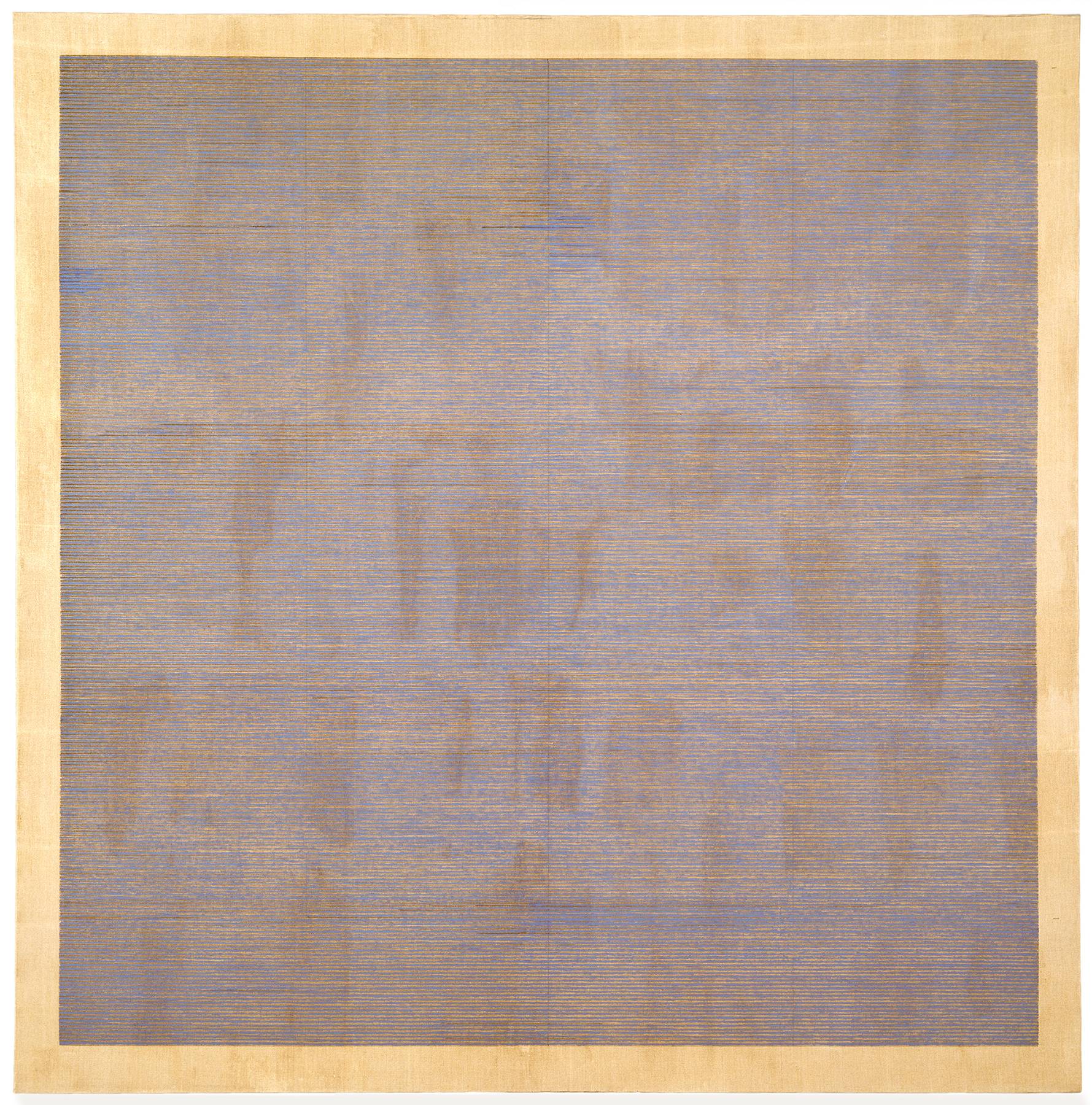
‘He was someone who would never bow his head, and he hated taking shortcuts.’ In the blues and umbers that seep repeatedly into the canvas, RM sees both anger and restraint.
‘You can see rage in his paintings, and you can see grace. Sometimes the paint looks as though it’s crying. When you know his life, his stories, and who he was as a person, then look at his paintings, they seem to fit together perfectly. I never get tired of his blacks.’ For RM, knowing what an artist has lived through changes the experience of standing before the work.
Yun’s work later appeared on the cover of RM’s solo album Indigo, and RM wrote a song called ‘Yun.’ In this exhibition, Yun also has an important dedicated gallery.
RM placed works by Yun alongside those of Mark Rothko. ‘I just wanted to see what it would actually feel like to have them hanging together—what it would feel like for me, and what it would feel like for an American audience.’
Perhaps this also explains why he was willing to put so much effort into an exhibition. At home, the works kept him company. In a museum, other people can stand before them, bringing their own experiences and discovering things entirely different from what RM sees.
He places no great demands on visitors’ responses. ‘If, when you leave, a person, a work, or the exhibition itself stays in your memory, I think the exhibition has done its job.’
Even after years of collecting, RM continues to study. ‘Contemporary art has always been complicated and difficult for me. Sometimes it really gives me a headache, because I have to keep learning. Of course, I’m a fairly serious enthusiast. But however serious I am, I’m still an enthusiast.’
When he considers what he can do for art, he knows that many people pay attention to his collecting interests and taste. He also knows that this attention has given him the opportunity to make something like this exhibition happen. ‘I’ve received so much from these artists, so I want to give something back. But ultimately, I made this exhibition simply because I like it,’ RM says, smiling.