Zhou Dawei: Twenty Years of Collecting, Ninety Private Works Revealed for the First Time
For two decades, Zhou Dawei has been one of the most consequential figures in Chinese contemporary art — a co-founder of the ART021 fair and the nonprofit Cc Foundation. This November, from a private collection of nearly a thousand works, he chose just over ninety pieces, the ones he felt came closest to defining his own taste, and opened them to the public for the first time......
By / Xirui Huang · 10 min read
Why does David Chau see his collection exhibition as a self-portrait?
In Xirui Huang’s 2023 interview, David Chau describes his Shanghai collection exhibition as a portrait of his relationships with works and artists, rather than an arrangement by style or period alone. Painting, photography, video and installation convey his sensibility while leaving visitors free to look in their own way. He also discusses studio conversations, support for younger artists and the roles of projects including ART021 and the Cc Foundation in the art ecosystem.
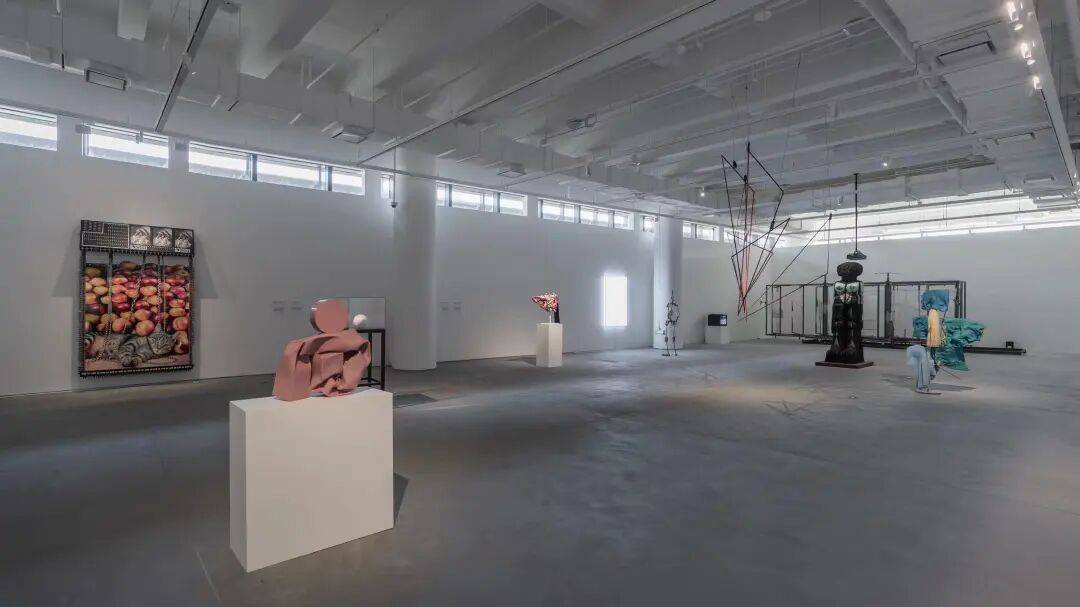
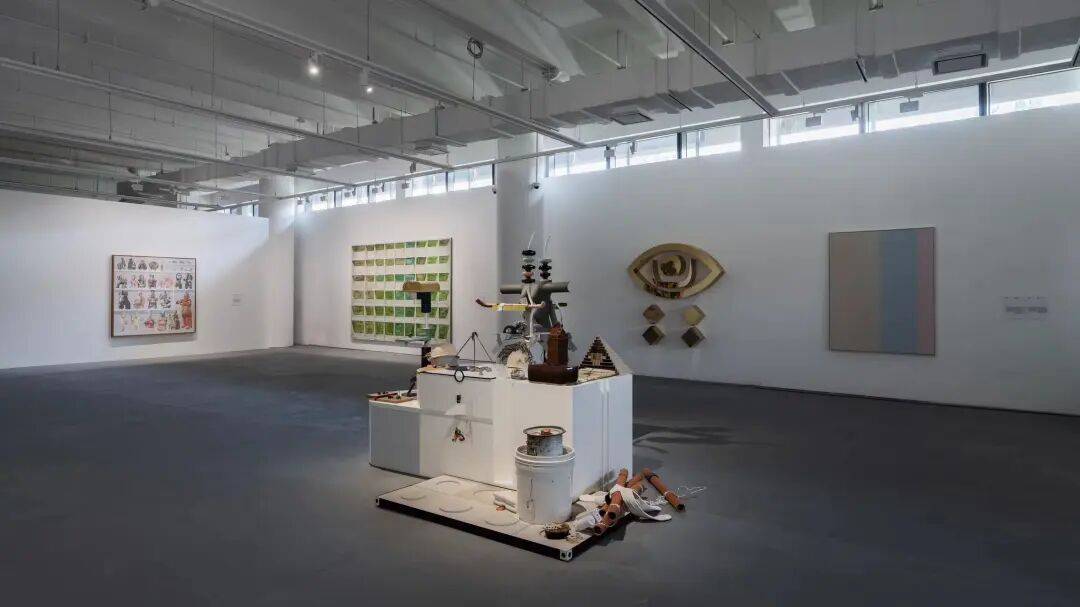
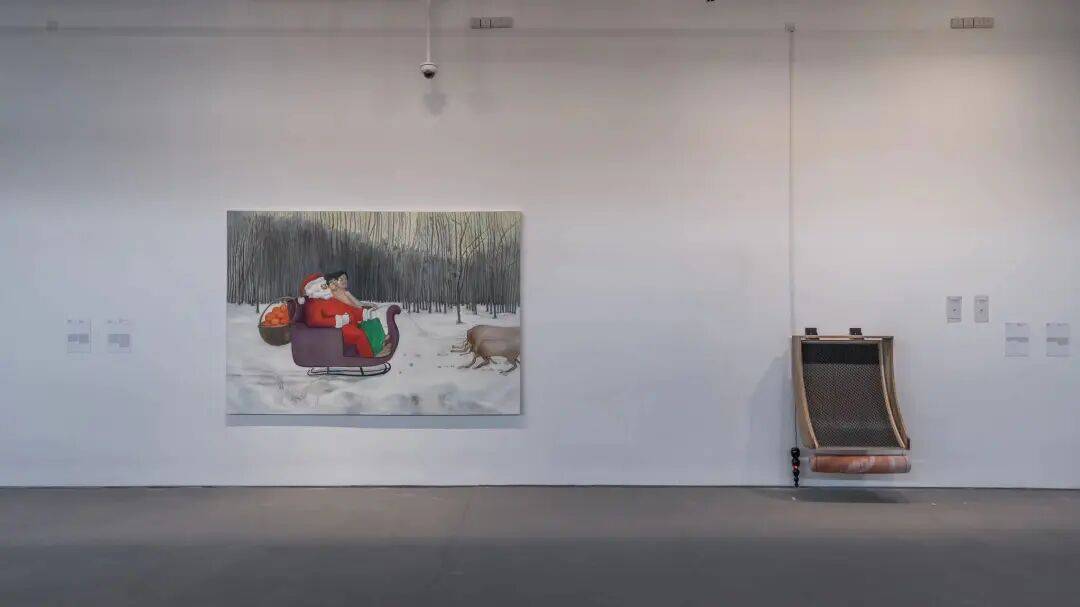
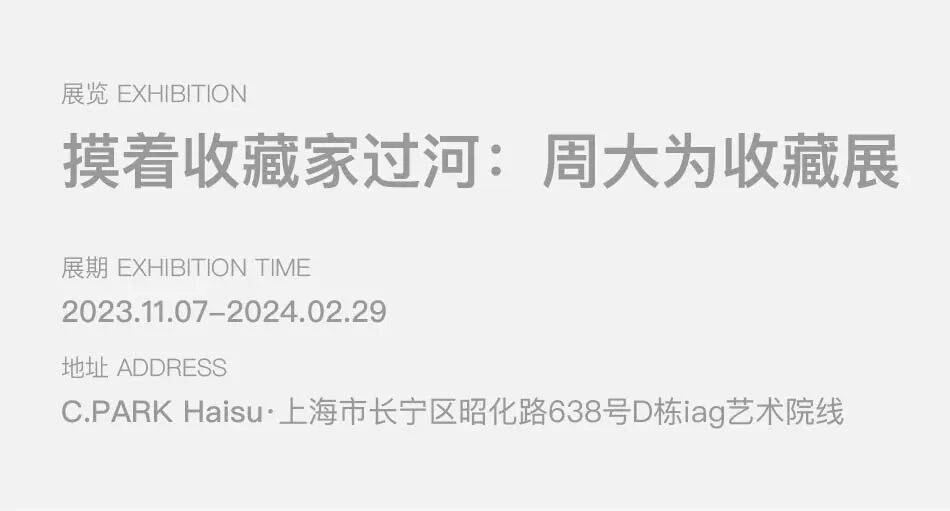
The exhibition, called "Crossing the River by Feeling for the Collectors," opened this fall at iag Art Line in Shanghai. Over the past twenty years, Zhou Dawei has become one of the most consequential forces in Chinese contemporary art — restless, deeply networked, hard to categorize. He co-founded the ART021 art fair and started the nonprofit Cc Foundation. This November, from a personal collection of nearly a thousand works, he selected just over ninety pieces spanning modern and contemporary art, the ones, he says, that come closest to defining his own taste, and opened them to the public.
Collector | Collector Zhou Dawei: What He Fears Most Is "Pretension"
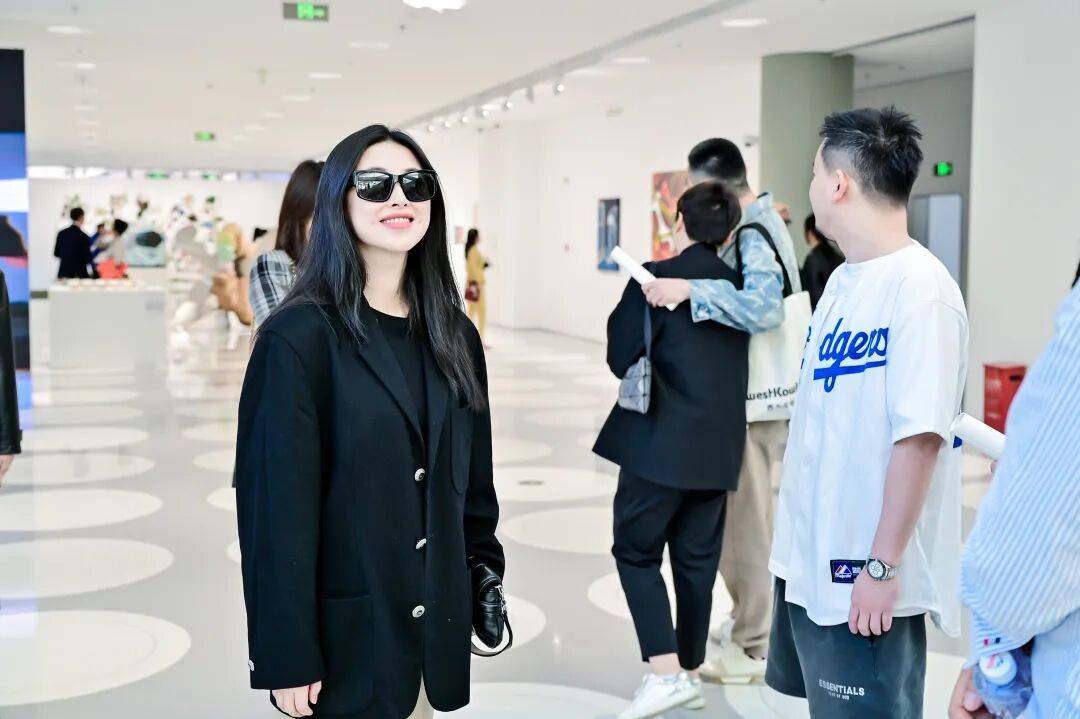
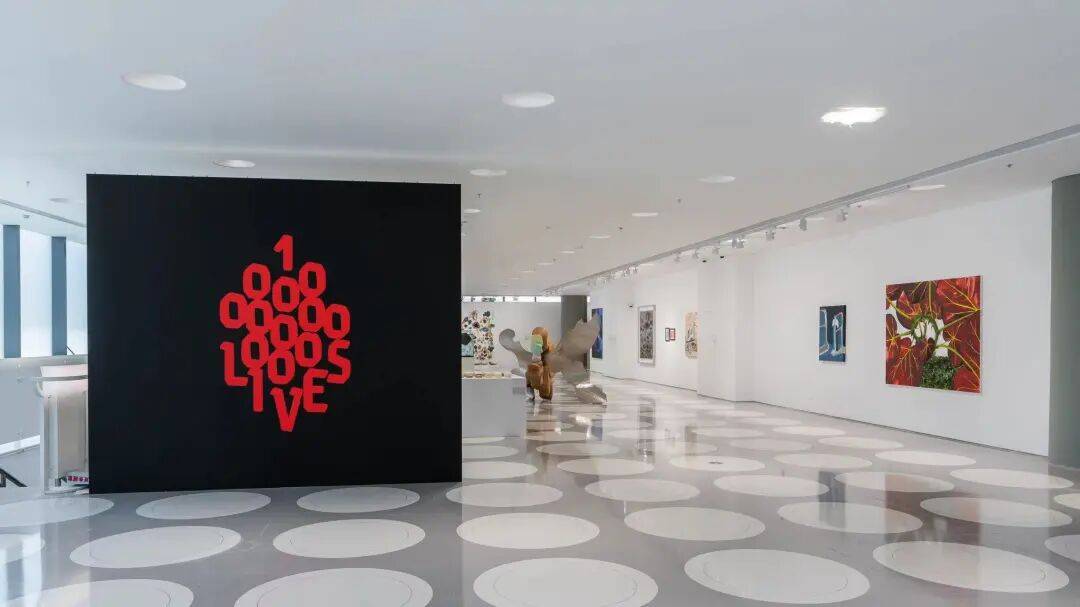
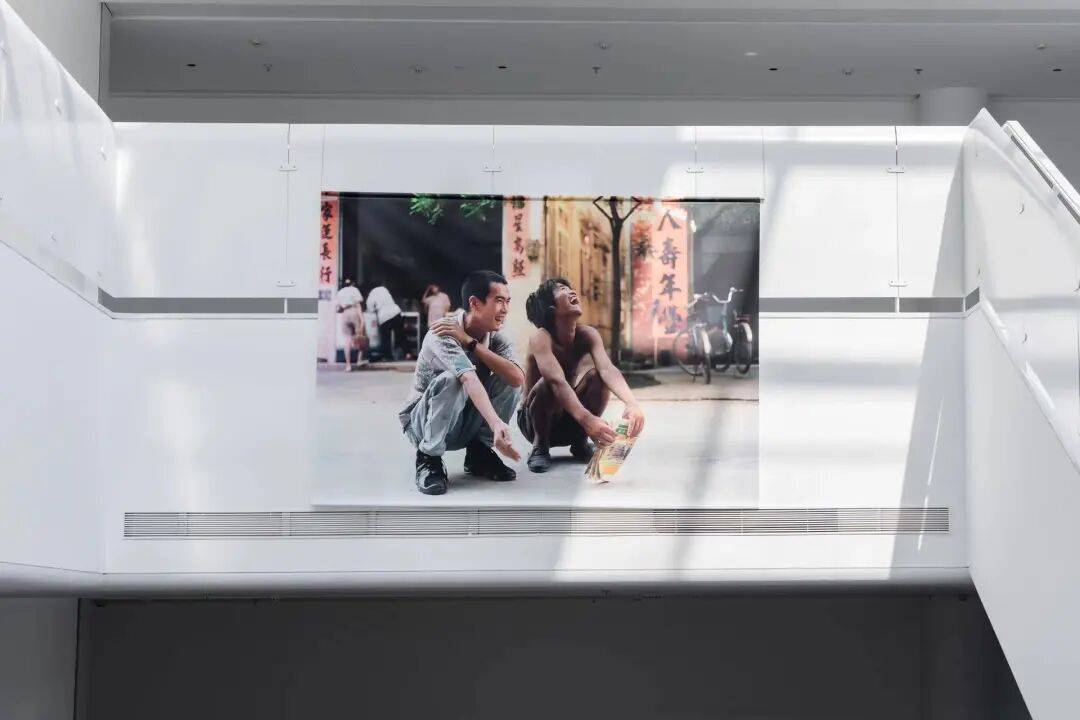
Zhou Dawei, right, with the collector and actress Zhu Zhu at the opening. The show marked the first contemporary-art exhibition at iag Art Line, and the opening drew a startlingly wide cross-section of the art world — gallerists, artists, critics, collectors, practically everyone with a stake in the scene, crowded into one room. What people kept remarking on was the range: work from twenty-four countries and regions, spanning painting, photography, video, sculpture, and installation, much of it work with real standing in art-historical terms.
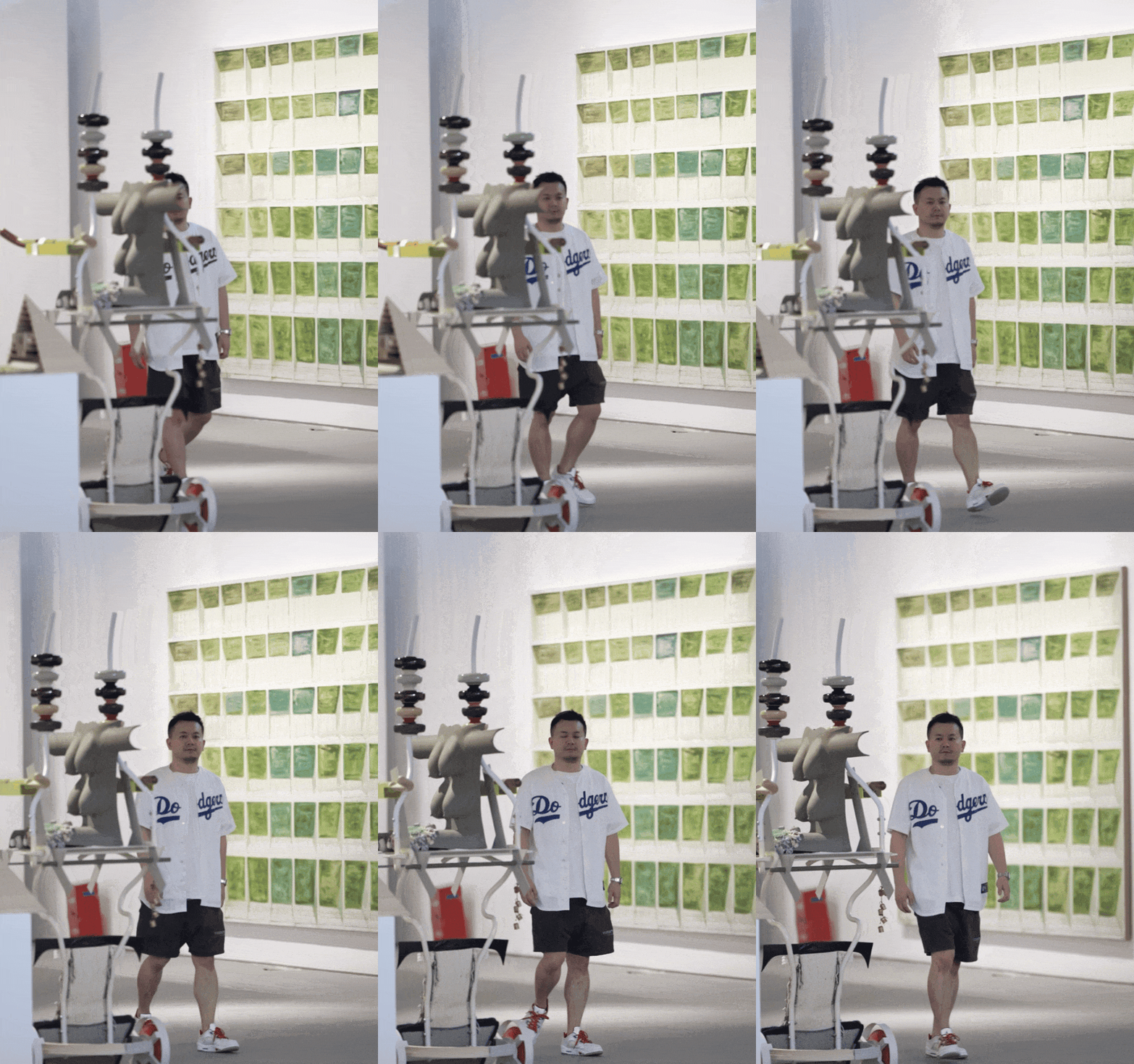
On the eve of the opening, we found Zhou on site, hanging the show himself. His first request, before any interview or photograph, was that nothing be softened. "I know a lot of people have bad things to say about me," he said, "but I don't care. What I'm afraid of is being fake."
"Yeah, this Zhou Dawei guy is pretty ruthless" — that, he said, is probably what visitors will think once they've walked through the show. What follows is Zhou's account, in his own words.
SECTION 01 | 20th anniversary of collection, this exhibition is my self-portrait
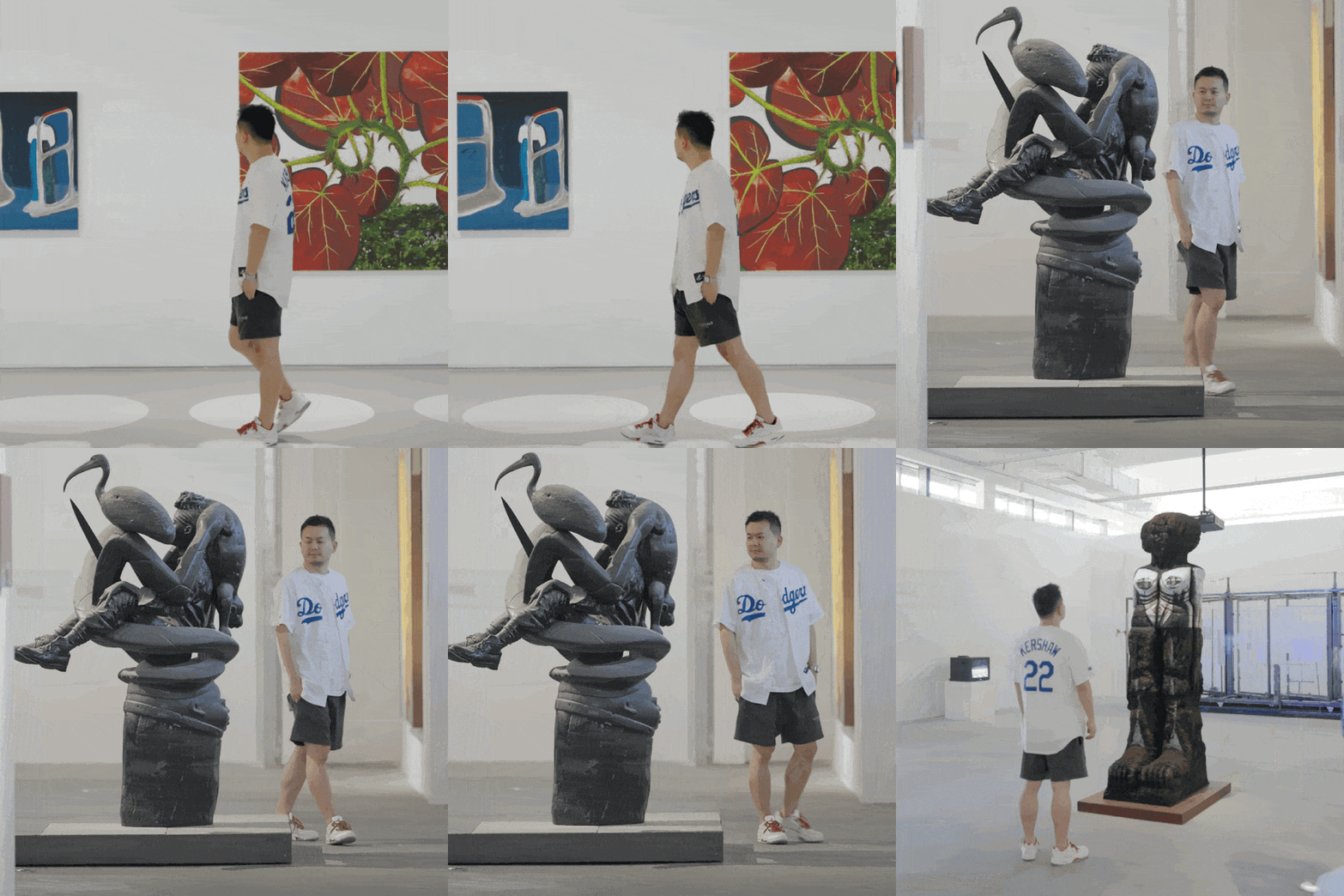
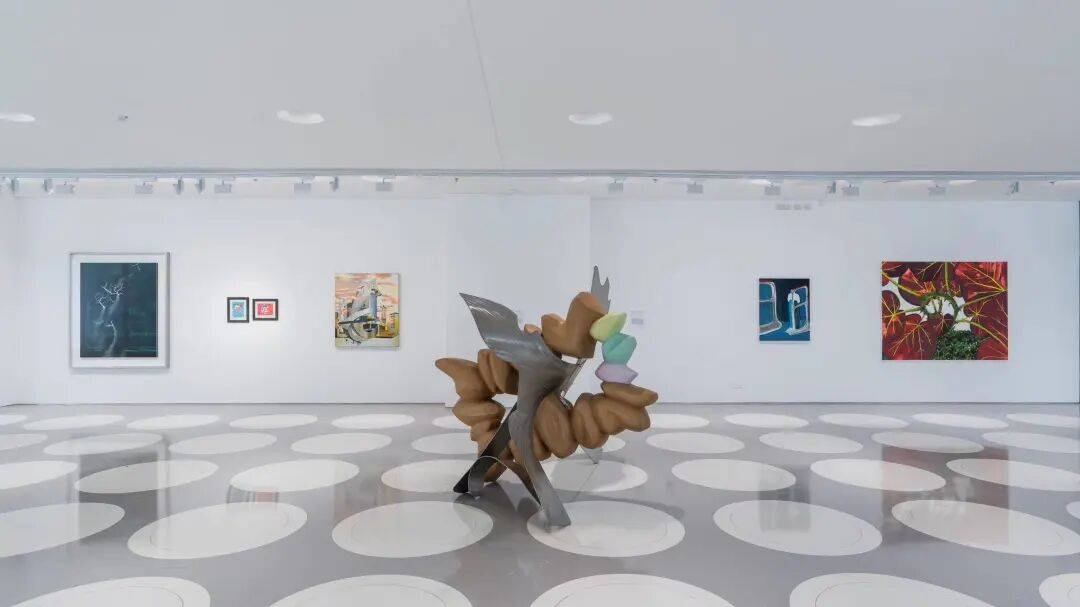
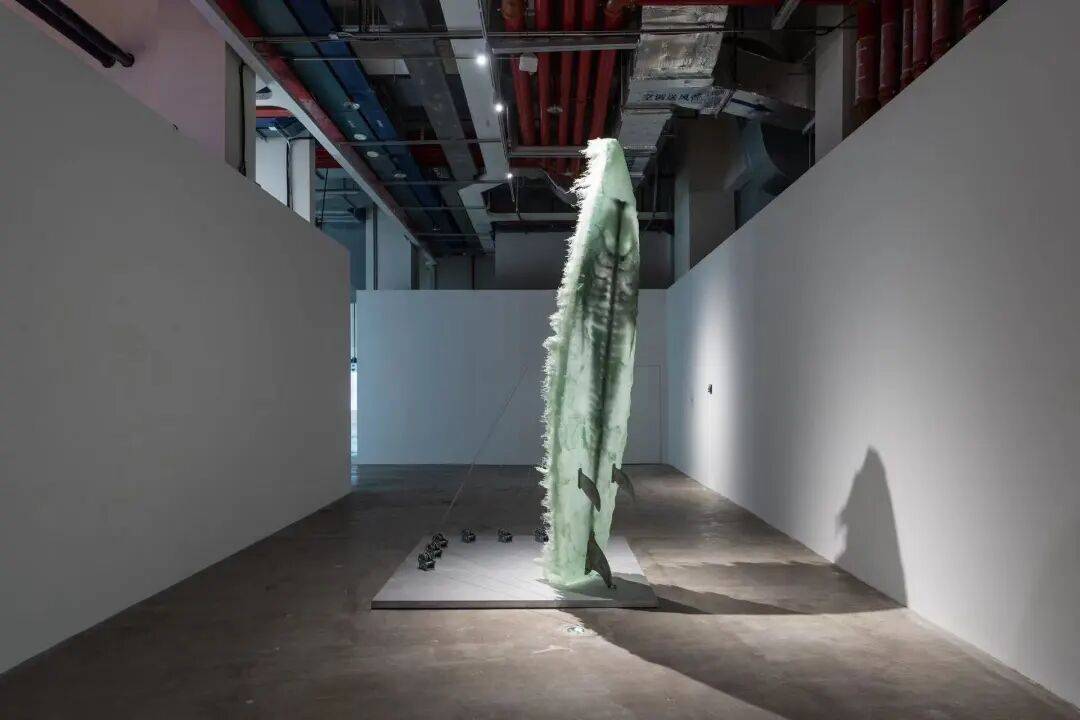
The exhibition occupies nearly four thousand square meters, effectively the building's full five floors. Visitors can start on the first floor, the fifth, or the basement — there's no prescribed route. I trained in art history, and Xu Zhen, who curated this show, is someone the field generally regards as rigorously academic. But when we sat down to plan it, we deliberately didn't organize anything by style, category, or chronology. We even gave up on the idea that each section needed its own narrative.
What we ended up with is less an argument about art history than an attempt to show the relationship between the work and me, and how the artists, in turn, see their relationship to me. In a way the show is a kind of self-portrait: an attempt to capture what temperament belongs to Zhou Dawei, and what temperament belongs to the works he collects. We didn't want to hand visitors a set of instructions. If you can't find the throughline, that's fine too. Maybe you walk out thinking, huh, that was interesting, or maybe you walk out thinking, this Zhou Dawei guy is pretty ruthless.
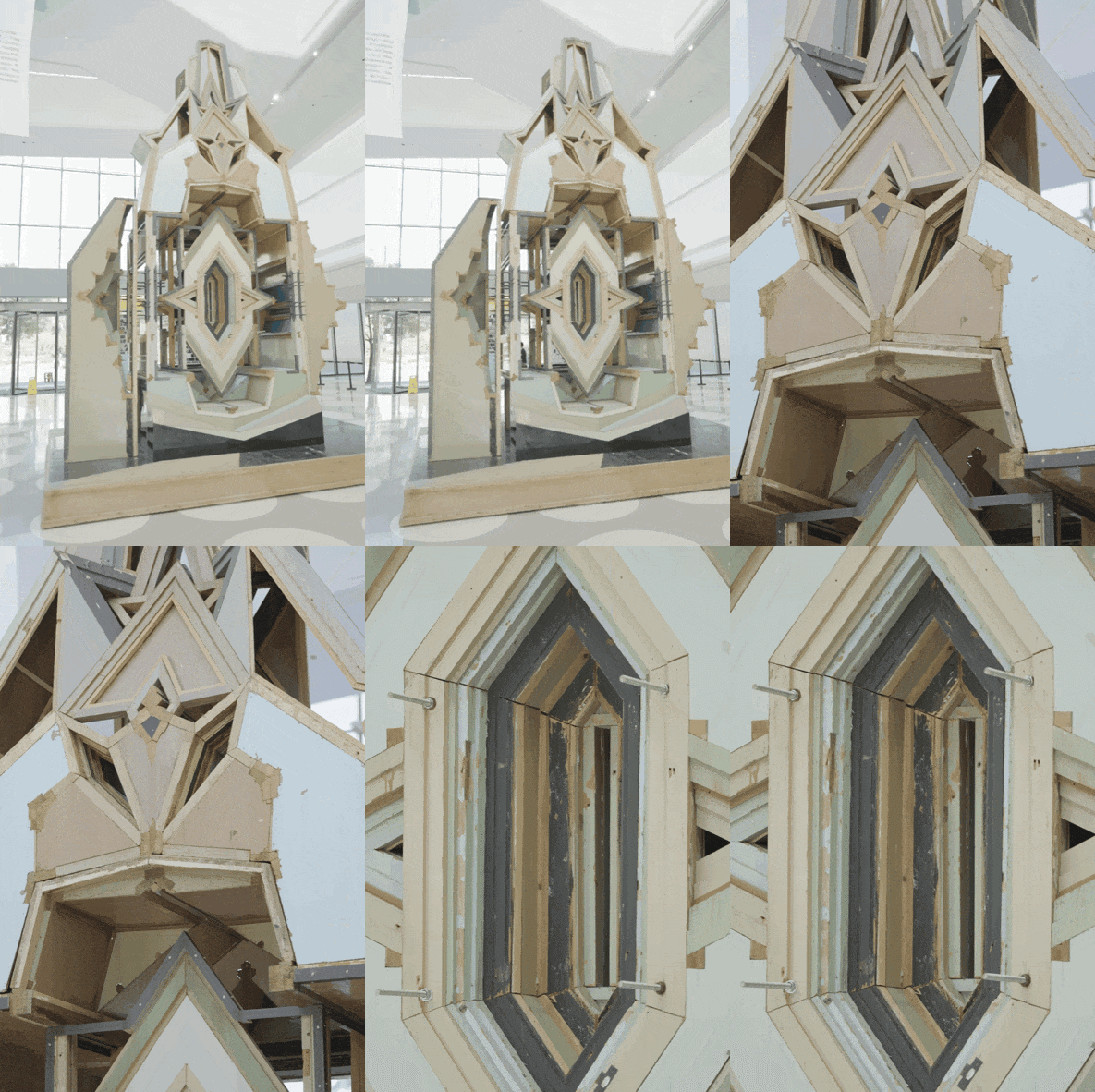
What we wanted, more than anything, was the plainest, most direct response to the art itself. Walk in the front door and the first thing you see is a piece by Liu Wei, "Merely a Mistake II No. 1" (2009–2012) — a full six meters tall, genuinely startling — hung near Gu Dexin's "16.06.1997–31.10.2001" (1997–2001). Liu Wei has always been one of the central figures in my collection of Chinese contemporary art.
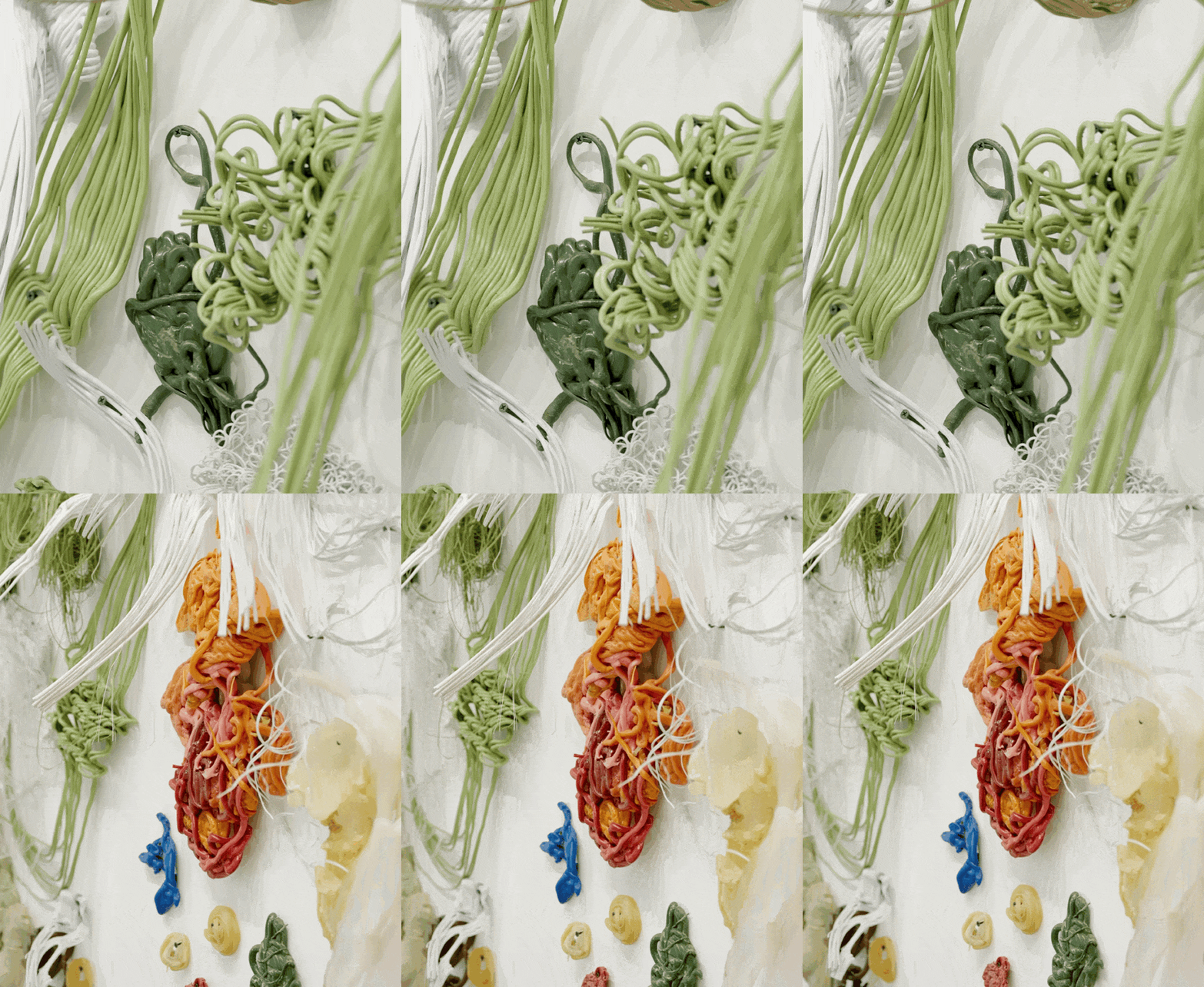
This piece pulls together several of Liu Wei's series and approaches at once — in color, in structure, in how he thinks about installation — and it stands as the most important work from his 2009-to-2012 period. Nearby is "Bricks" (2020), by Lauren Halsey, probably the most photogenic thing in the show. It was the standout piece from an earlier exhibition by Halsey, who right now is about as sought-after a young artist as there is.
She's from Los Angeles, born in 1987, and earlier this year the Metropolitan Museum commissioned her to design a site-specific installation for its roof garden. Getting this piece was mostly luck. I hear she's become impossible to buy now.
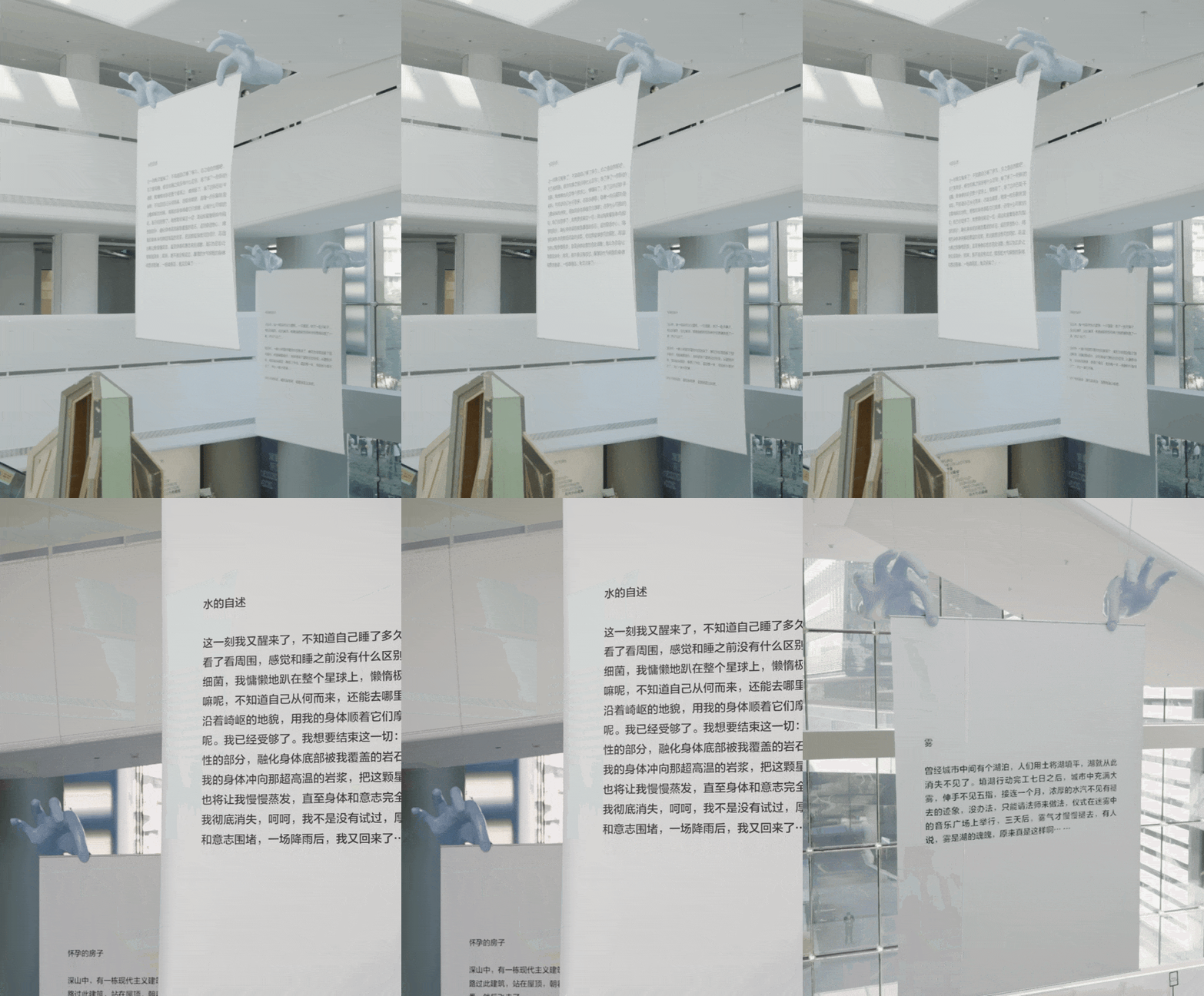
Look up in the first-floor gallery and you'll see "Story Series" (2013–present), hanging overhead — a piece Lu Pingyuan made specifically for this show. It's part of an ongoing project of his: small, often funny, sometimes ghost-story-like vignettes. For us, he took works that are normally modest in scale and blew them up into three large installations.
Sometimes, when an artist and a collector are truly in sync, the artist will make something tailored to the particular logic of that collection.
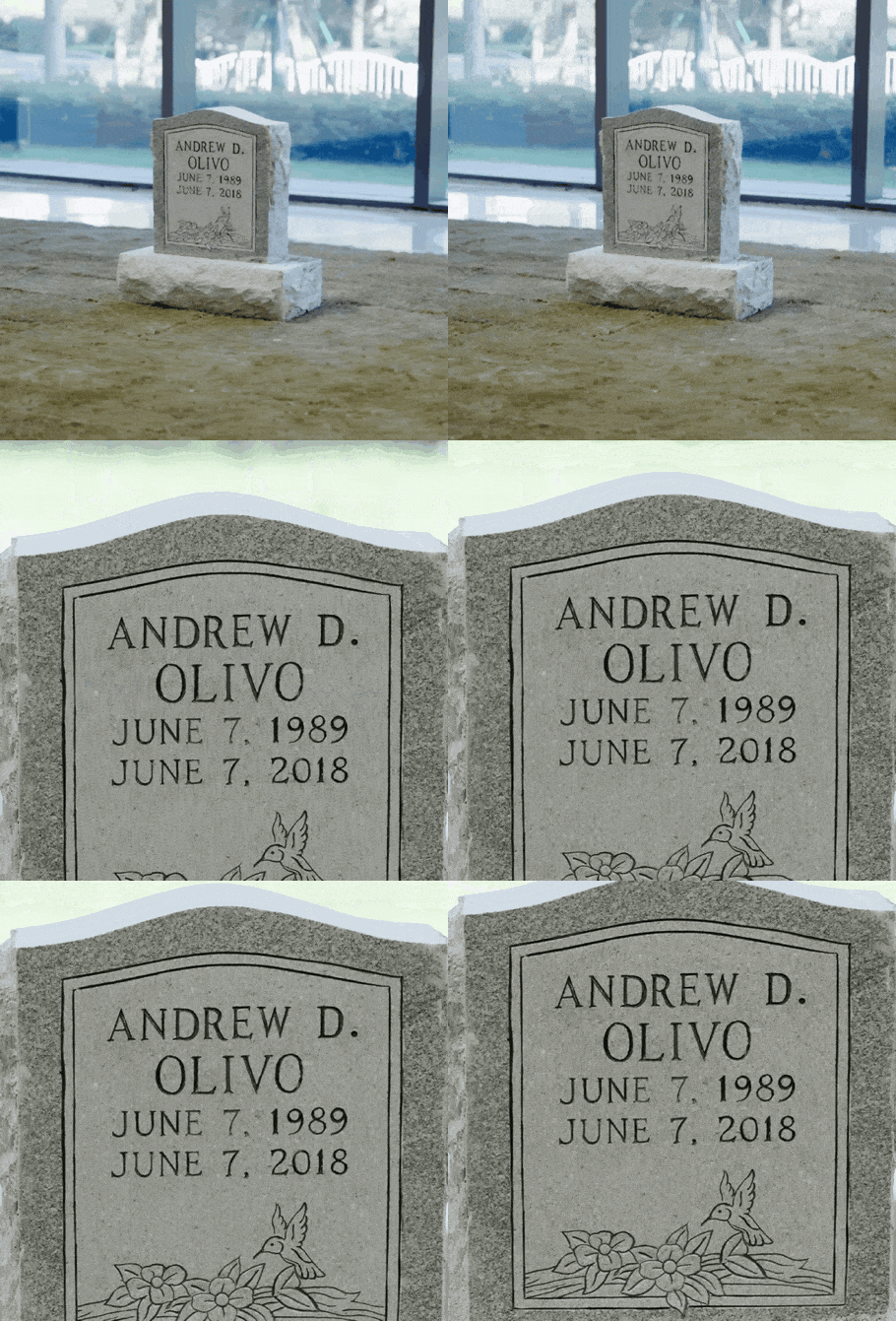
I've collected a fair number of pieces that read as genuinely unsparing. There's a "tombstone" — "Tombstone (Andrew Olivo 6.7.89–6.7.18)," 2018 — that the Latina American artist Puppies Puppies made for herself. She used to go by Jade Kuriki Olivo, and she made the piece to mark a clean break from that earlier identity and the start of a new way of living.
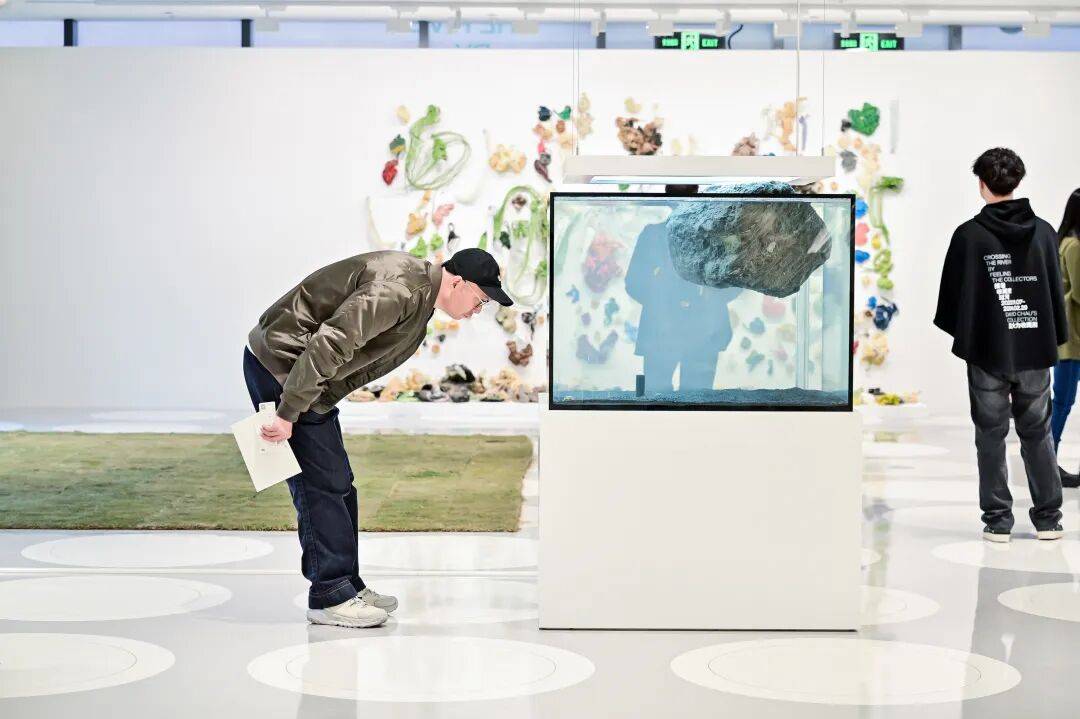
There's also "The Cambrian Explosion 6" (2016), from Pierre Huyghe's "Cambrian" series: stones floating on water, an aquarium holding some fairly ancient-looking miniature organisms — crabs, in this case. It's a relatively early Huyghe, less resolved than his later work, but I think that actually makes it more meaningful, artist to artist.
A lot of the scenes he stages couldn't happen in real life. But looking at the work, you believe it anyway — it feels real, and loaded with meaning.
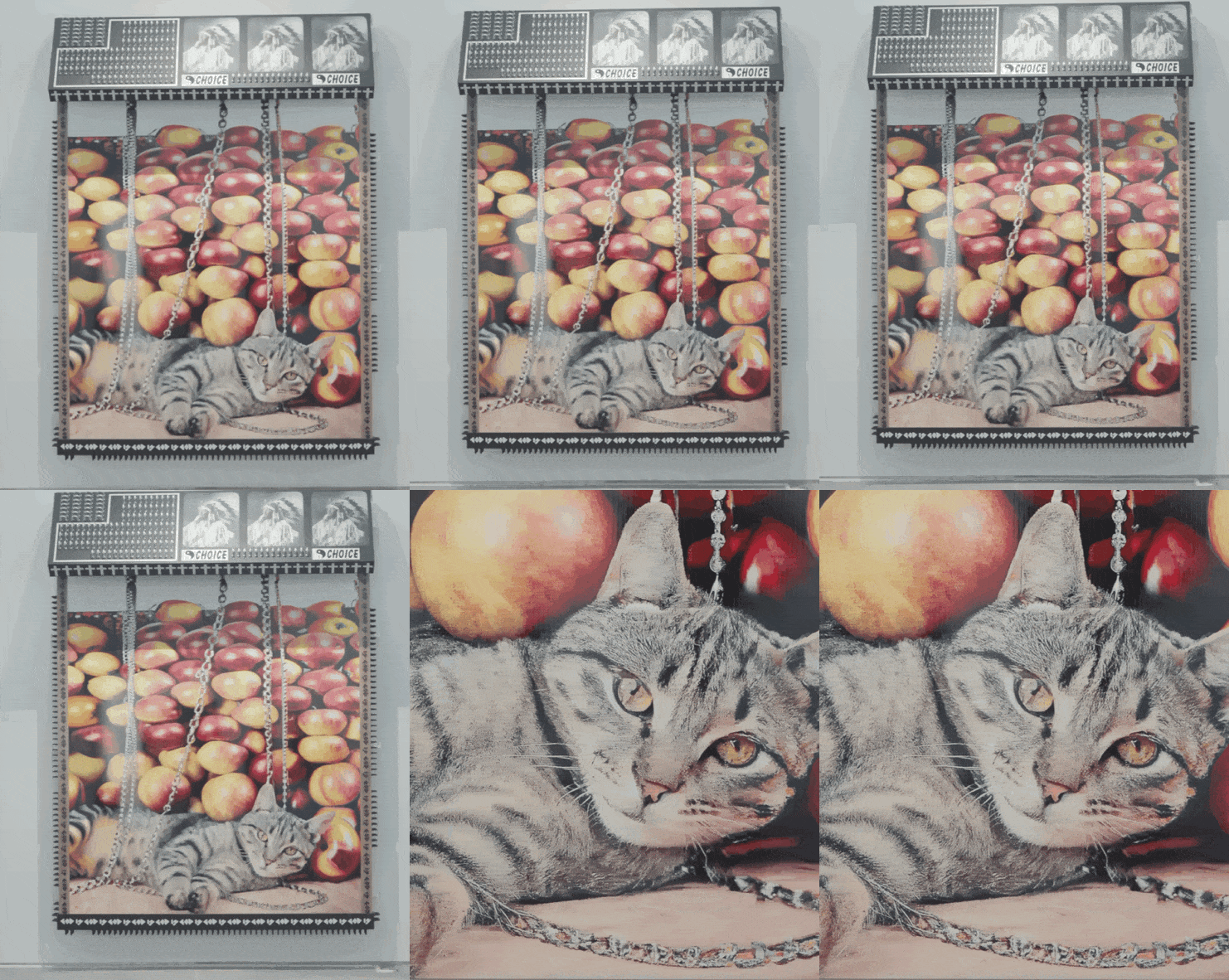
Jordan Wolfson, whose "Untitled" (2023) is also in the show, is one of the American artists who's been genuinely hot these past few years, known for work that doesn't pull punches — every major international gallery wants to work with him. I started paying attention to him back in 2018, but I didn't have the nerve then to buy the really unsparing pieces, the animatronic "horror doll" works everyone knows him for now.
At the time I thought the price was already steep. This year I ended up paying considerably more for a work from his newer series — images produced on UV panels, generated automatically by AI. I keep cats, and a lot of my friends these days are cat and dog people; the cat in this piece is genuinely sweet, almost calming to look at.
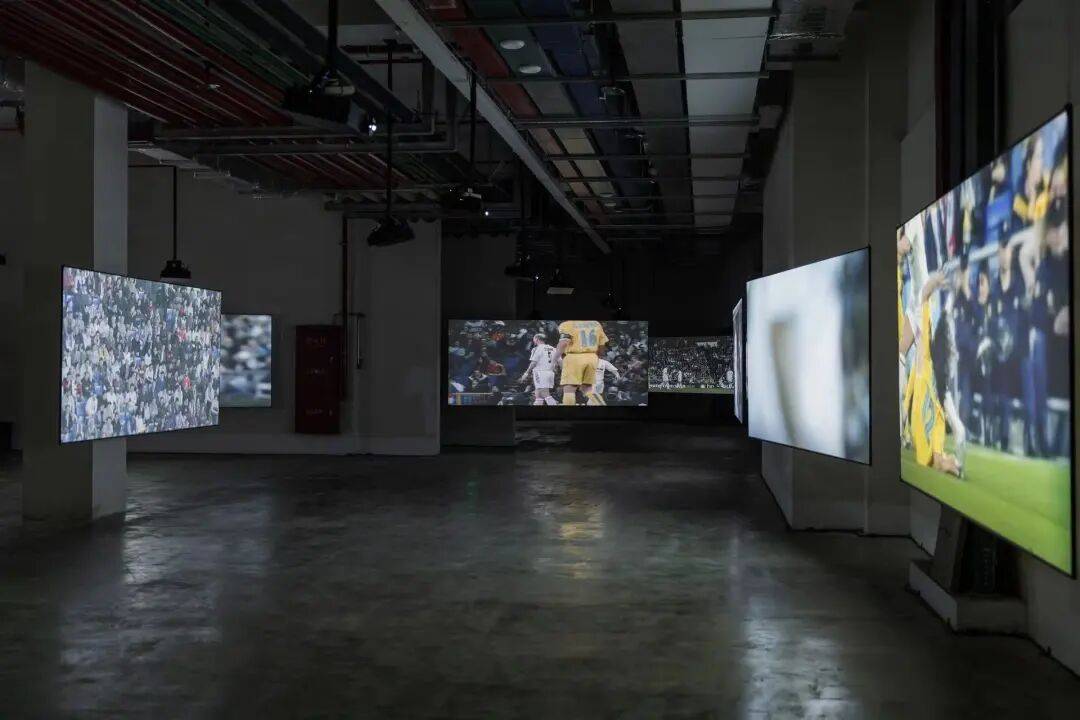
On the basement level is "Zidane: A 21st Century Portrait" (2006), by Douglas Gordon and Philippe Parreno, personally one of the most important pieces in my collection. It's regarded as one of the most significant video works of the century, and I paid two million dollars for it, a record price for a video work at the time.
I first saw it at a film festival in 2006 and it floored me. Anyone who loves football already thinks Zidane is beautiful to watch. The piece follows him through a single match using seventeen different camera angles, and the title frames it as a portrait of a football icon, seen through an artist's eyes. I thought: that's absurdly romantic. I had to own it.
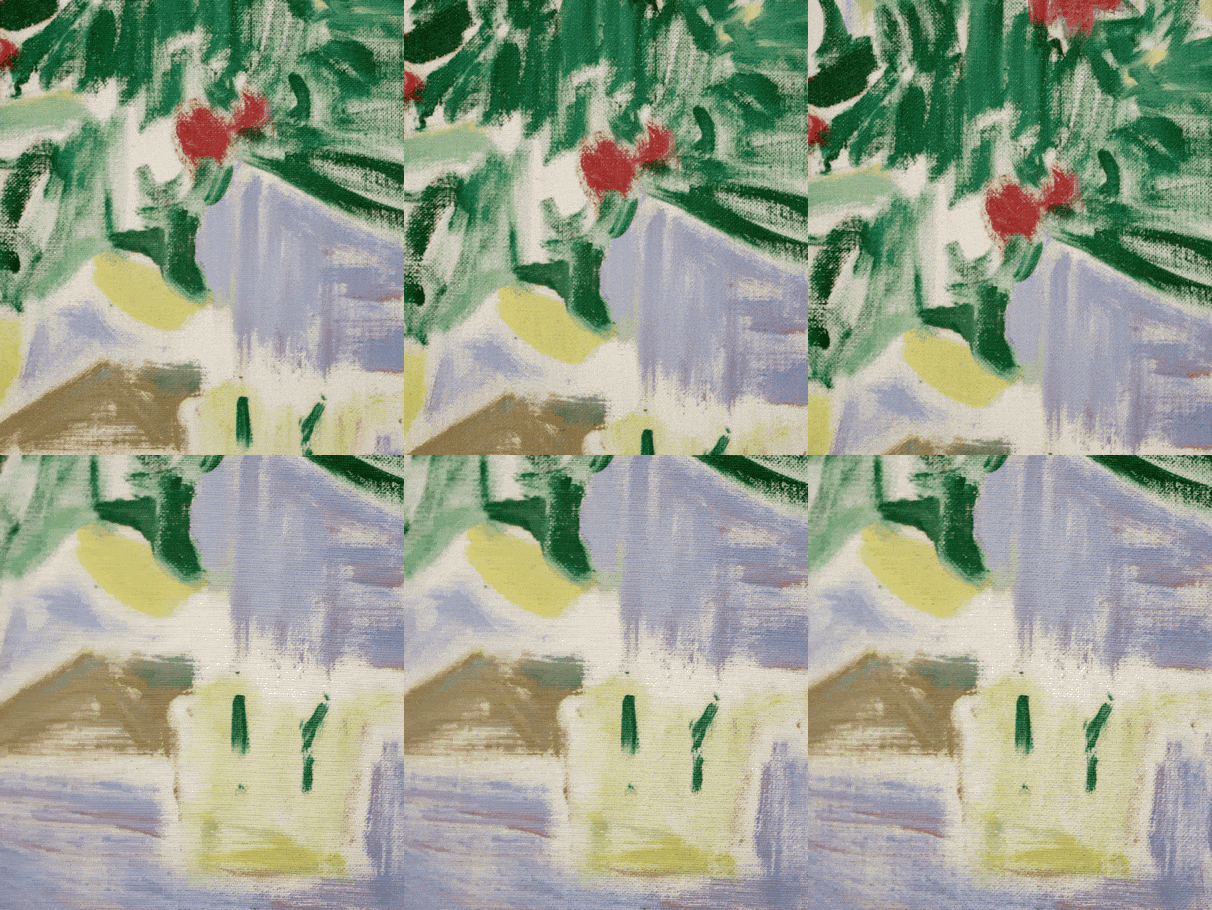
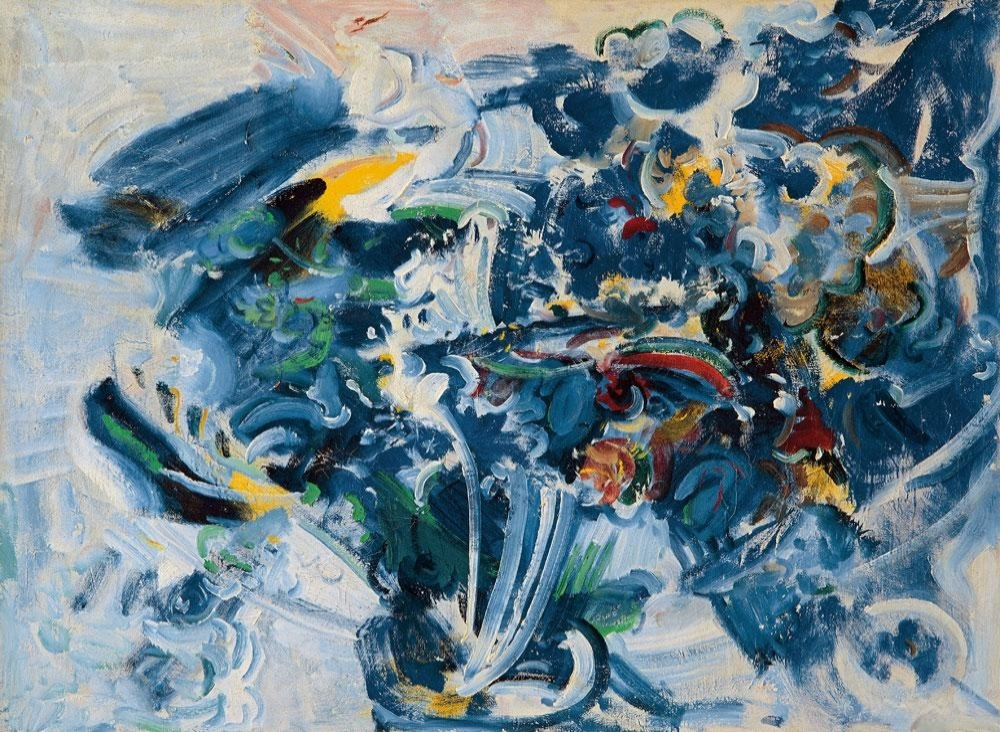
Walk through the show and you'll notice the range — artists working at the leading edge of the contemporary alongside artists from a much earlier generation. One of my favorites is Wu Dayu, often called the father of modern Chinese art. My very first acquisition, in my sophomore year of college in 2003, was a work of his on paper — China didn't have a real art market yet, so it was cheap, a few thousand dollars. The piece in the show, "Colored Grass" (1980), is one of his classics: abstract, but you can still make out the shape of a flower underneath. Wu rarely painted flowers, and he made only two works in this idiom — this one, and another now held by the National Art Museum of China.
SECTION 02 | From the 19th century to the 21st century, the collection spans a huge range
There's one thing I'll always regret. I love Wu Dayu's work enough that it still stings that I don't own his finest painting, "Dance of Flowers" (1978). It went up at Christie's Hong Kong in 2006, the cover lot that year, and sold for more than six million yuan, a record for the artist at the time. Over the years I've offered eight million, ten million, even said I'd go as high as eighty million. The collector who owns it still won't sell.
Part of why I collect certain canonical, older works is that I want younger artists to see how much they can still learn from the artists who came before them. This piece by Gu Dexin, "Fragments (Set of 1)" (1983), is one of the important works in the history of Chinese contemporary art. A few years ago, when the Guggenheim in New York mounted its major retrospective of Chinese contemporary art, "Art and China after 1989: Theater of the World," I lent it to the show.
Gu Dexin has since withdrawn from the art world entirely. When he said he was done, he meant it. This piece dates from the 1980s, more than thirty years ago now, but it still looks fully resolved. It wouldn't feel dated if it were made today.
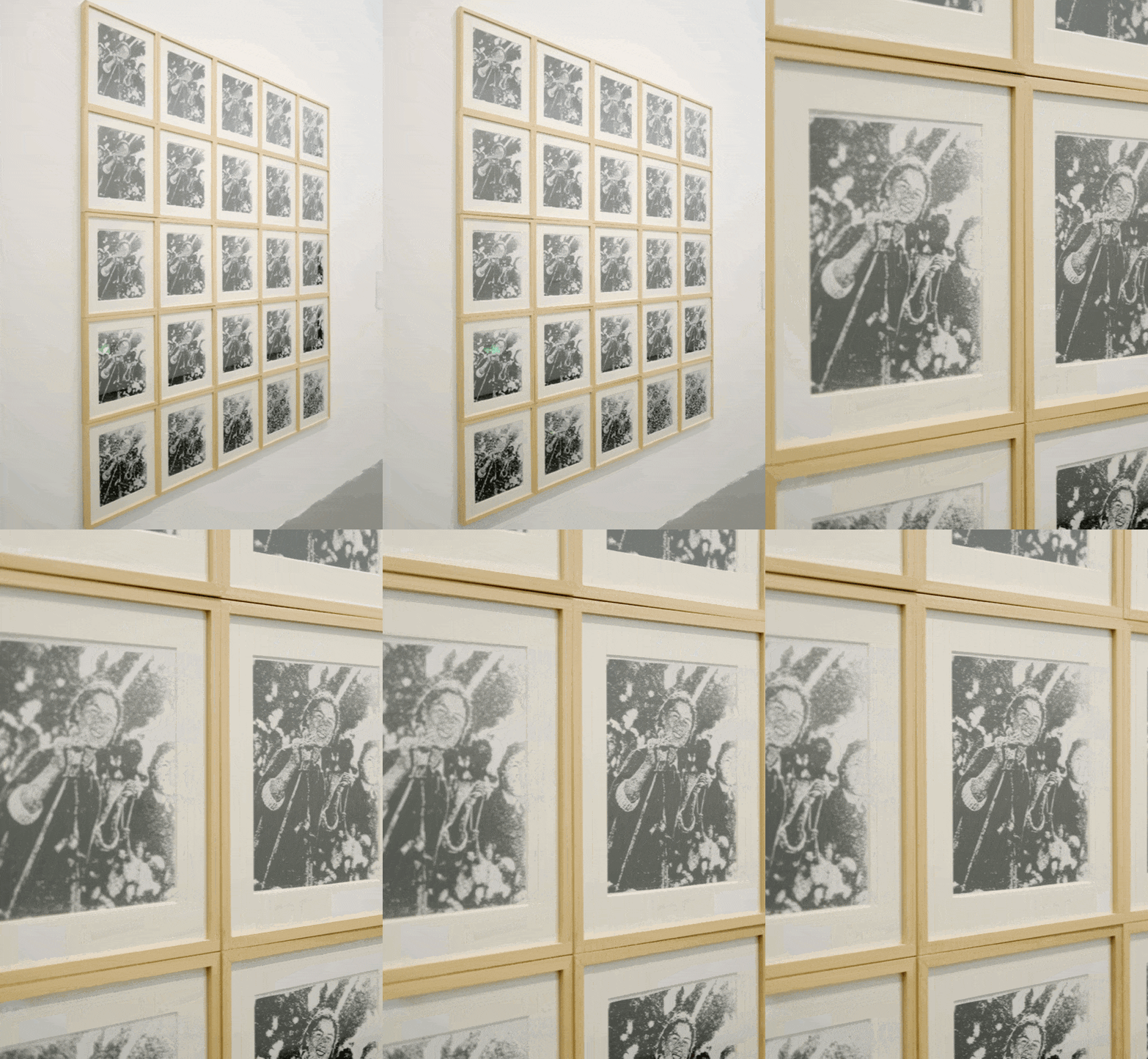
Then there's "Copying Twenty-Five Times in a Row" (1993), a photographic series by Zhang Peili, often called the father of Chinese video art. He had a French photographer rephotograph an existing image, then had it printed again — there's a real sense of image appropriation to it. It's a flat, two-dimensional work, but the logic behind it, the way it was made, comes straight out of his video practice.
Zhang Peili actually started out as a painter, and that work held up in the market with collectors too. I'd like this piece to make a point to younger artists working today: medium really doesn't matter that much. Genuinely good artists will use whatever medium serves the idea behind the work.
In Zhang Enli's studio, right before one of his major solo shows, I happened to see "Empty Cabinet" (2012) — the brushwork was so fine that I asked to reserve it on the spot, a work he was genuinely attached to himself. Being in an artist's studio, you get to see the process and the thinking behind a piece in a way you otherwise wouldn't.
I visited Zeng Fanzhi's studio recently, for instance. He comes across, generally, as a famously busy man, but in the studio there's a real calm to the atmosphere — sitting down and talking with him there is its own kind of pleasure. Professionally, as someone who has spent his career pushing this industry forward, I keep coming back to the same question: what can people like me actually do? How do we help the whole contemporary-art ecosystem?
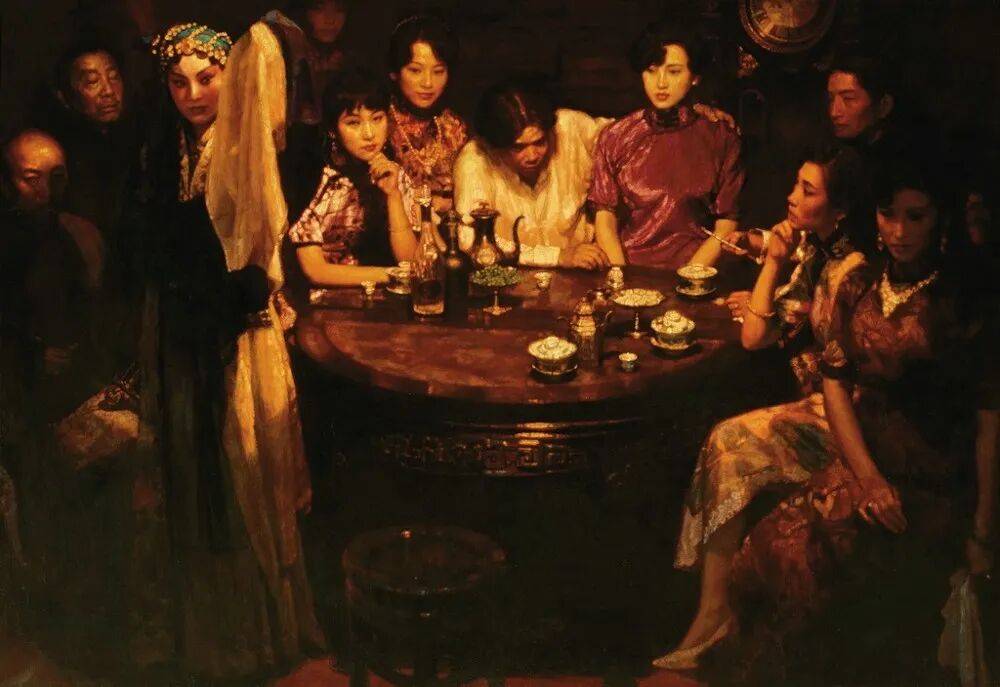
I've been in this business long enough to have collected a few good stories along the way. My friendship with Liu Yiqian and Wang Wei, who run the Long Museum, actually started as rivals at an auction. In 2009, Chen Yifei's "No. 2, Pacing" (1979) came up for sale — an important painting from just before the artist left China, and the last one of its kind likely to ever surface on the market.
SECTION 03 | Art and business are not contradictory, I just want to do things to the extreme
I opened the bidding above ten million yuan and kept going past thirty million. Eventually it came down to just Liu Yiqian and me, trading bids back and forth, until he suddenly burst out, "Who exactly is bidding against me?" In the end the Long Museum won the piece — it eventually sold for RMB 40,432,000 through Poly Beijing — and he and his wife became good friends of mine.
Another time, I worked with Sotheby's Hong Kong to put together an auction built around "Xu Zhen Supermarket" (2018) by Xu Zhen, who also curated this exhibition — a major piece of his that fuses installation, performance, video, and concept art into one.
We actually rebuilt a functioning "supermarket" right at the auction and got a large crowd to take part. It made a real splash, and the result surprised everyone: it sold for two million Hong Kong dollars, a record at the time for a conceptual work by a Chinese artist. It felt like a genuine win.
I know plenty of people call me too commercial. Fair enough. Back in 2006 and 2007, when the first wave of the Chinese contemporary-art market took off, I was absolutely trying to make money off art.
People who know me know I'm not going to sit here and dress that up, right? It's just a fact, and yes, I made money. In 2007, for instance, I bought a major Chen Yifei painting, "Jade Hall Bathed in Spring" (1993), for eleven million yuan including premium. Ten years later, in 2017, I put it up for auction again, and it sold for one hundred fifty million yuan, a record for a Chinese oil painting sold domestically.
It's precisely because I made money, and because I've been deeply embedded in this industry for twenty years, that I now feel entitled to say: I want to do something purely academic, something clean. I don't think art and commerce are actually in conflict. Whatever I do, my instinct is to push it to the extreme. If the logic of commerce is to make money, then I'll do that as well as it can be done. My own foundation is nonprofit, so there I want to be as clean as possible, nothing commercial attached, just straightforward support for younger artists.
I think the art world right now is just too anxious, across the board. Artists are in a hurry, galleries are in a hurry, collectors are in a hurry. A collector buys something today and expects it to be worth ten or twenty times as much by next year. Artists feel the same pressure: make this now, hope it makes me famous by next year. Galleries too: if we don't do this show, don't sign this artist, this year, it'll be too late.
That kind of short-term thinking is, I think, exactly what's wrong with the art market as it stands today.
A lot of the artists in this show aren't necessarily the names generating the most buzz right now, and visitors may not recognize all of them. But to my mind, they're all serious figures in art history: people who've shown at the Venice Biennale, at Documenta, in major museums around the world. What I hope, more than anything, is that people take their time, look closely at each piece, and get curious enough to go find out the story behind it.
For anyone thinking about starting a collection: listen to advice, sure, but you need your own judgment. Listening only gets you information. What actually matters is being able to decide, on your own, whether a given work is worth collecting, and that kind of judgment only comes from reading seriously, seeing shows seriously, and giving it ten or twenty years. Everything worth having takes time to build.
Images courtesy of collector Zhou Dawei, iag Art Line, and the Cc Foundation.