56 Collectors Gather in Shanghai, Revealing a New Direction in Chinese Collecting
The second edition of “Friends of Art” brings together 56 collectors born from the 1960s through the 2000s, offering an unusually comprehensive portrait of a new generation of Chinese art collectors......
By / Xirui Huang · 36 min read
What does Tank Shanghai’s Friends of Art exhibition reveal about Chinese art collectors?
The second Friends of Art exhibition at Tank Shanghai brings together 56 Chinese contemporary-art collectors born from the 1960s through the 2000s. Their representative acquisitions trace a generational shift toward more international perspectives, personal narratives, sustained research and independent judgment.
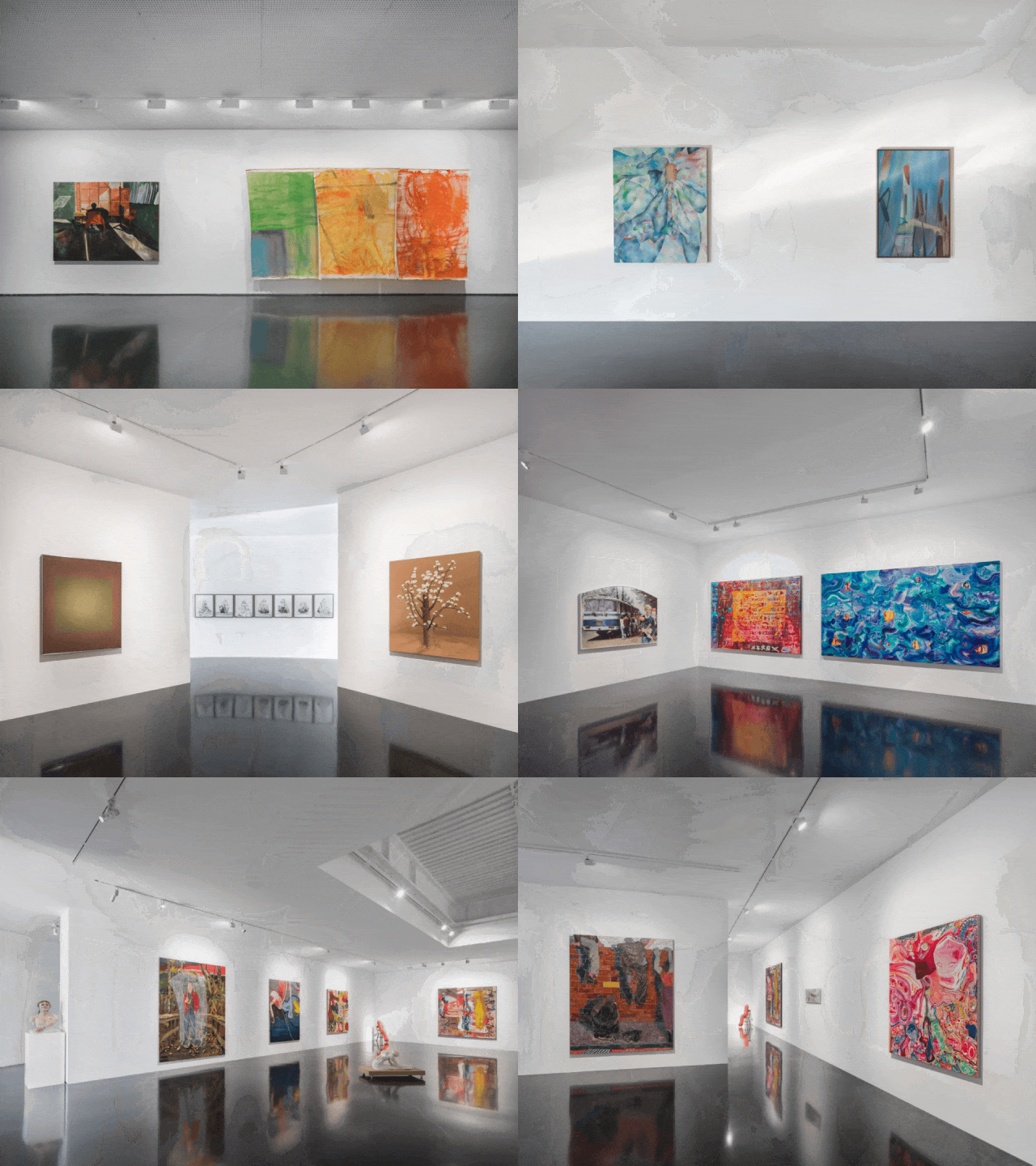
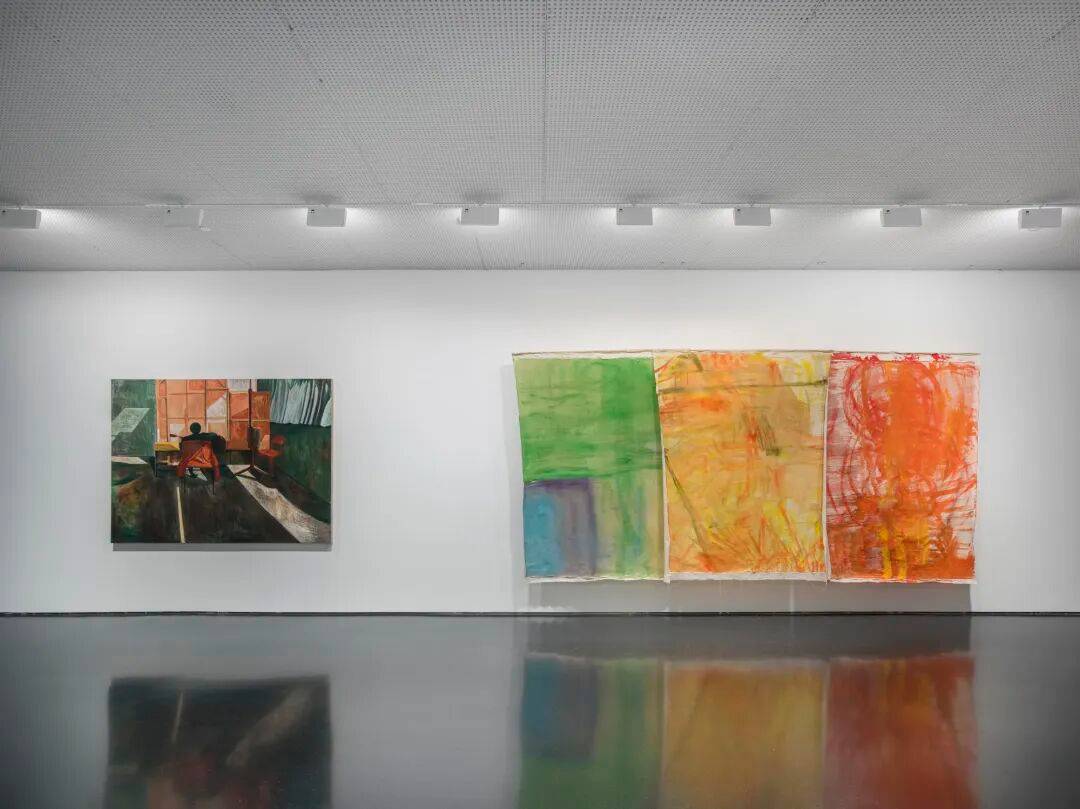
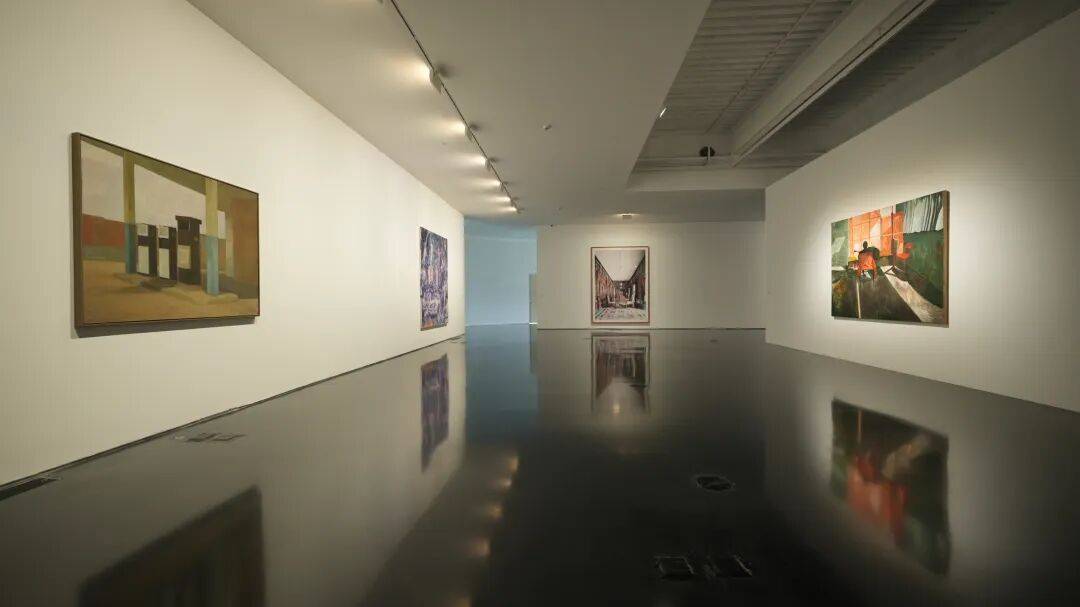
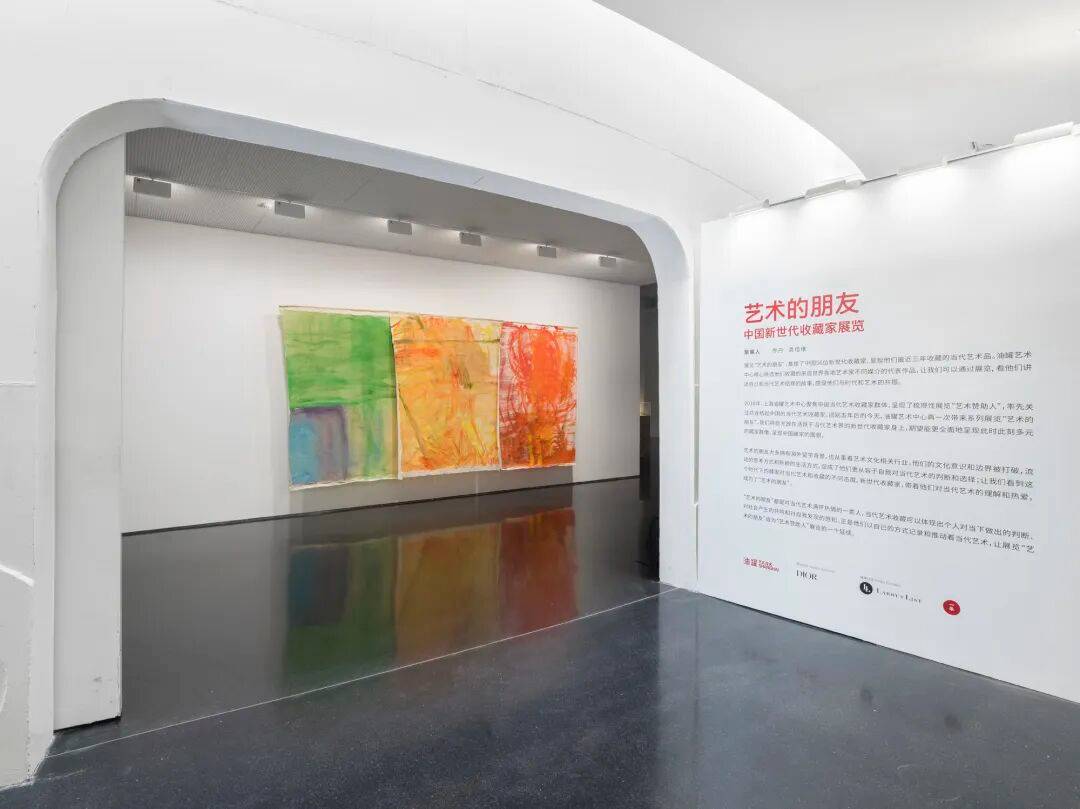
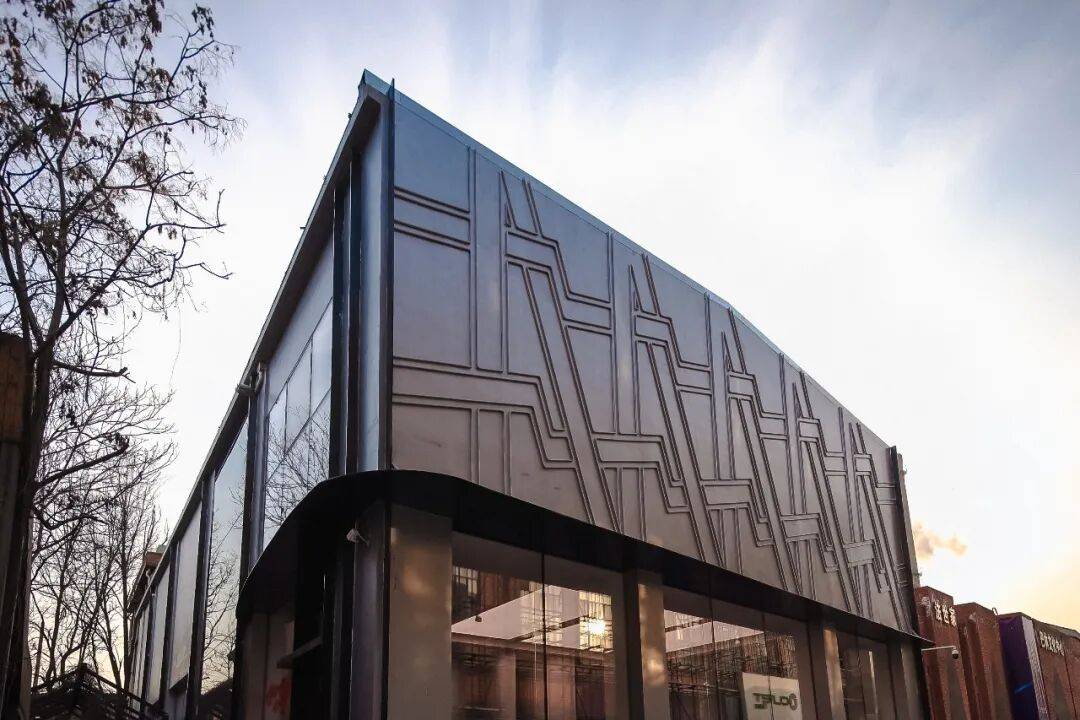
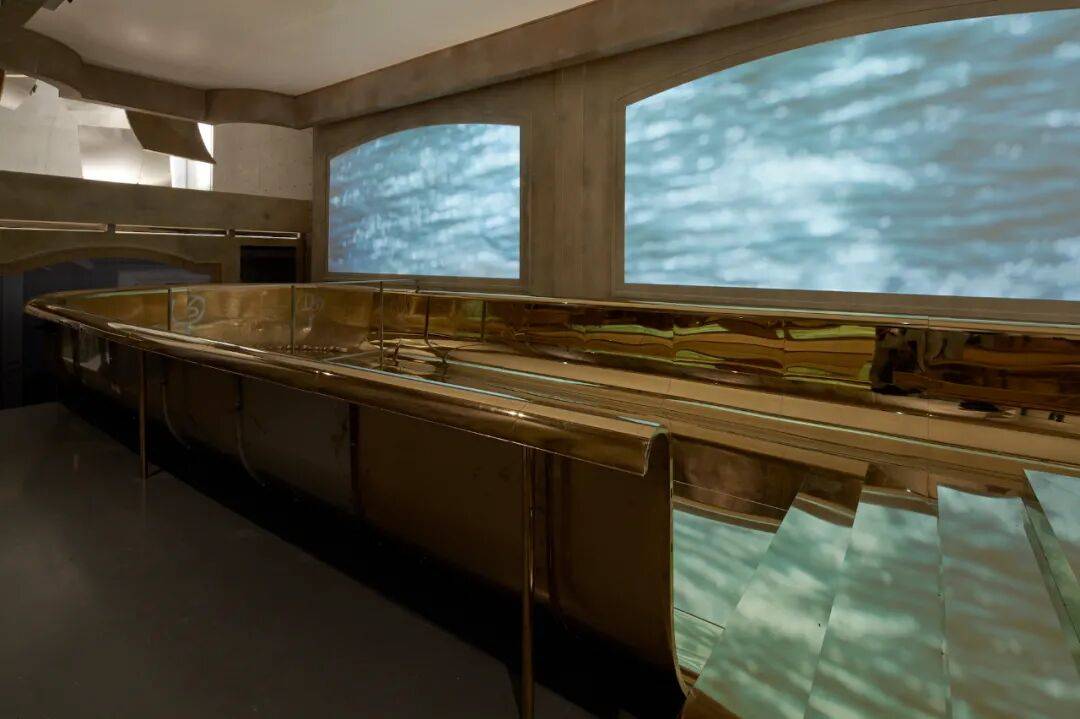
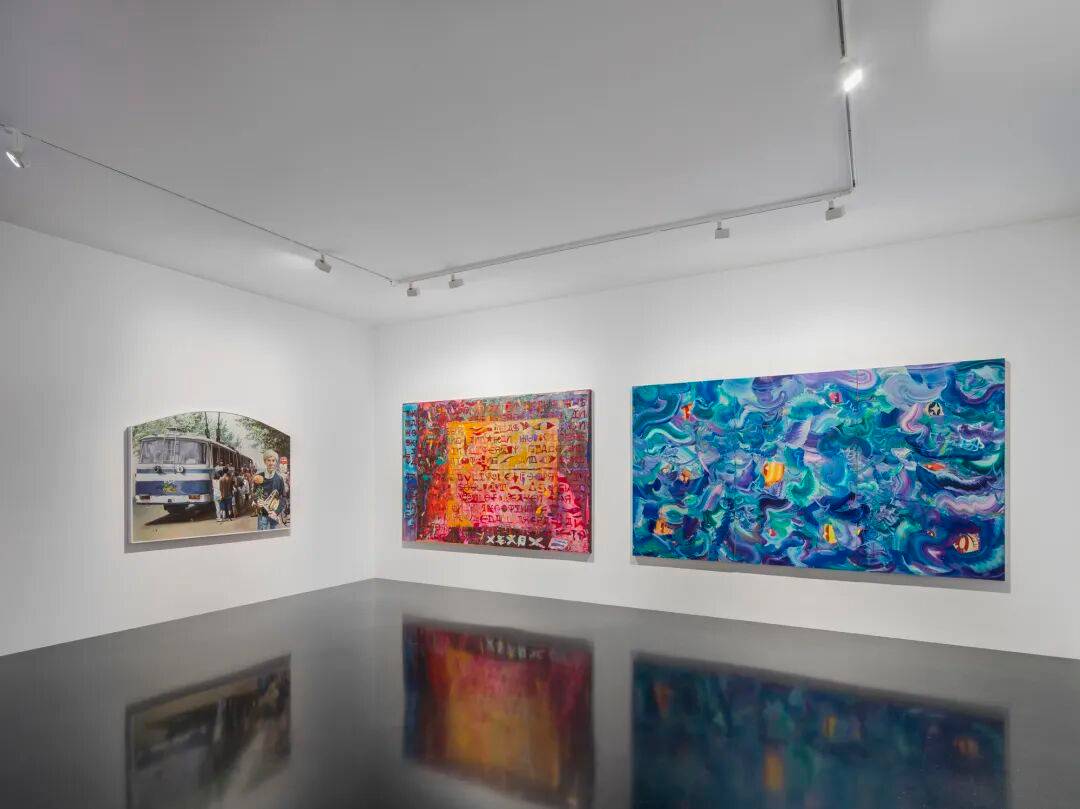
The second edition of “Friends of Art”—an exhibition of China’s new-generation collectors—at the Tank Shanghai, 2023. Photograph: JJYPHOTO. From November 8 this year through January 28, 2024, fifty-six of China’s most representative contemporary-art collectors, born from the 1960s through the 2000s, brought their most representative acquisitions from the past three years to the Tank Shanghai. Fifty-six works gathered in the second “Friends of Art” exhibition, presenting the most candid and comprehensive portrait yet of China’s new generation of collectors.
Conversations with 14 Collectors: A Comprehensive View of the Contemporary Art Scene
The fifty-six collectors came from media, advertising, finance, the internet, foreign trade, design, art, and other fields; many are old friends of ours. During the exhibition, we spoke with fourteen collectors from the first and second editions about their recent lives and their thoughts on this gathering of collectors. (Interviewees included first-edition collectors Bao Yifeng, Cheng Cheng, Coobe Wang, Che Xuanqiao, Guo Hetian, Justin Chan, Jiang Tianze, and Wen Yu; and second-edition collectors Ding Zehua, Jiao Jingjia, Li Wendong, Olivia Li, Xie Yixin, Yao Qian, and Zhu Zhu; guests are listed alphabetically.) Known as “Shanghai Bao,” Bao Yifeng is one of the founders of ART021, currently China’s largest contemporary-art fair, as well as JINGART Beijing and DnA SHENZHEN.
He began following contemporary art in the mid-1990s. His collection includes early works by major figures in Chinese contemporary art as well as works by younger artists. He is particularly supportive of younger artists. During our conversation, he joked, “I looked around and discovered that the works I brought are really the cheapest. Everyone else basically brought works by established artists.” Bao Yifeng, Snow White, Jiu Group, 2022. The work he brought to the exhibition is an animation by Jiu Group, based on a 1955 Hong Kong musical.
“I’ve known Director Qiao for many years. When he invited me to participate, I was initially a little embarrassed because I thought he was inviting young collectors, and I was too old—ha-ha. I agreed later, thinking that if I was old, I should bring a work by a young artist.”
“I’ve always had quite a lot of feeling for animation. Although I’m this old, I still have a child’s heart. At home I still have a very large poster of Nezha Conquers the Dragon King. Also, many young artists have been making works in pixel form over the past two years. I think this may signal a trend, a way for them to express themselves.” Q&A. Q: As a founder of 021 and a veteran collector, how does your identity affect your collecting?
A: After we started the fair, our biggest clients became two groups: galleries and collectors. To maintain those relationships, I need galleries to participate, and I also need to buy works—but I buy only when a work moves me. Whether as an art lover or as the initiator of an art fair, I hope more people will join the ranks of art collectors. It is excellent support for artists, and a way to regulate my own mood. When I was young, I might spend five days a week singing karaoke; now I look at different exhibitions every day.
A former ART021 fair site, 2021. Q: This time, seeing other collectors’ holdings—especially those of collectors from different generations—what did you feel? A: Young collectors are acting more quickly and becoming more diverse. Their range is broader; they are not limited to one artist or one form. Q: Have you noticed any new changes in the collecting market in recent years? A: Many small art institutions have been founded in recent years. More and more collectors acquire paintings that are either very large or outright enormous installations, which cannot be displayed at home. It is a pity to leave them in storage, so many young collectors establish foundations or open their own spaces, for exhibition or commercial use.
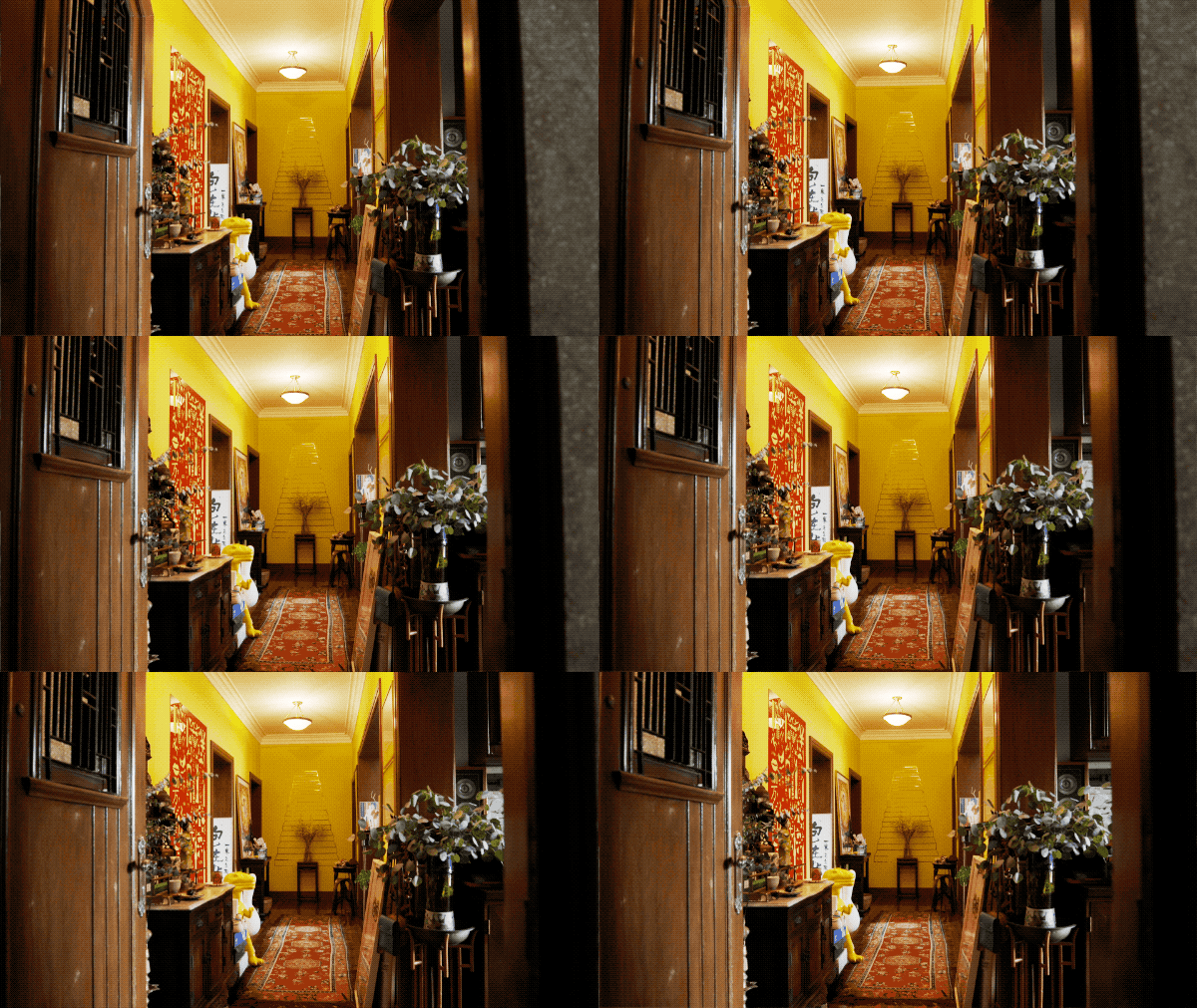
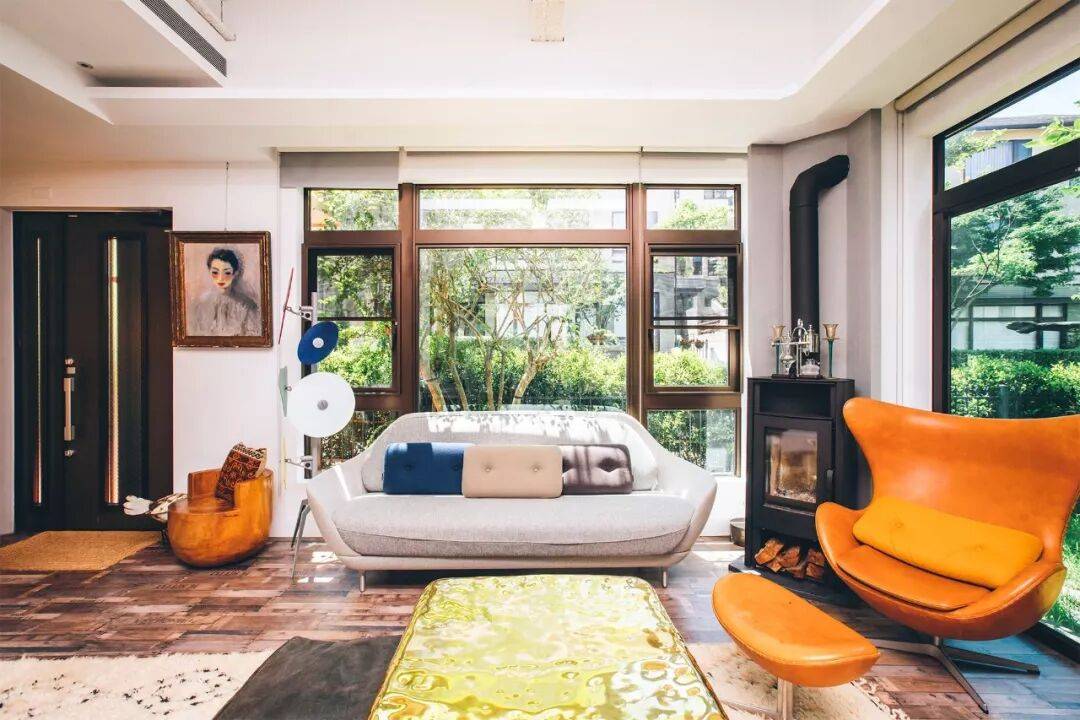
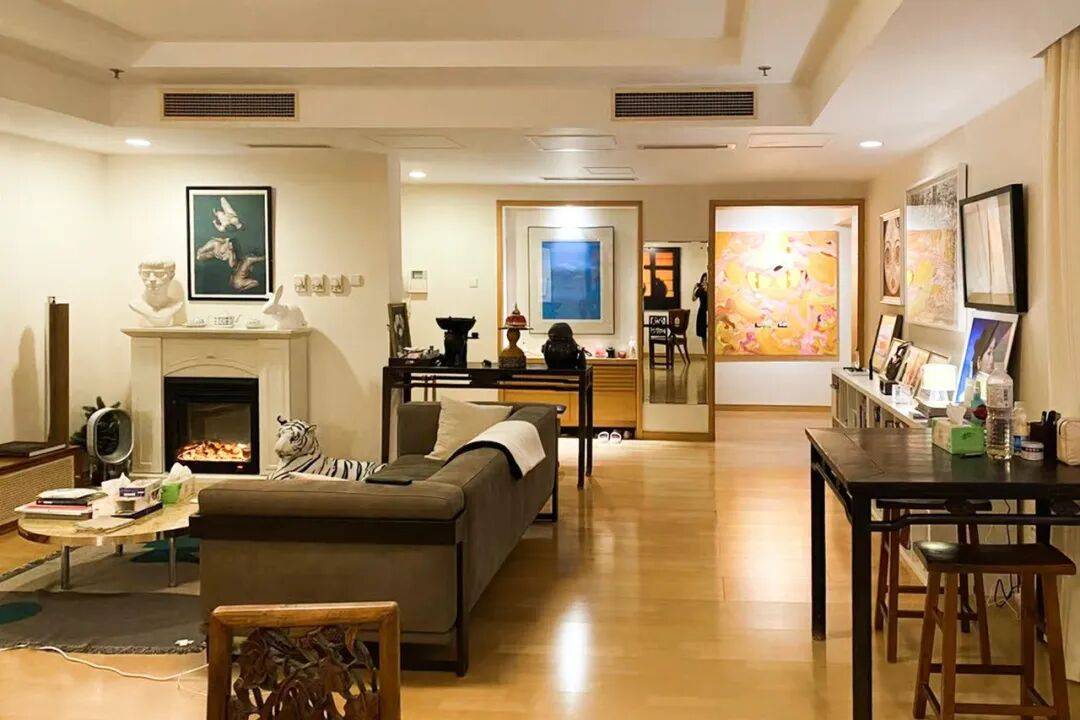
Many traditional collectors, myself included, keep their collections at home. Or they turn a house into a private museum and open it to the public, while living somewhere else. I think that is also a trend. Bao Yifeng’s home, filled with artworks. Q: What is the most important advice you would give a new collector? A: Listen and look widely. See all kinds of exhibitions, especially museum exhibitions, and spend time with experienced collectors—talk with them and exchange ideas.
Collecting also needs to keep pace with the times. You should know what is fashionable in the market. That does not mean fashion must determine your collection or your judgment, but you need to understand it; otherwise, the era will gradually leave you behind. You should also learn about an artist’s life and mental state in order to understand the work. And of course, you may have to pay some “tuition.” No one gets every purchase right. Cheng Cheng is a joint partner of Focus Media, China’s largest publicly listed media company, and the founder of the public-welfare program Cinema Paradiso. He has worked in advertising and film for more than twenty years.
In 2020, he began formally collecting contemporary art. Although he has not been collecting for long, the field is not unfamiliar to him. His father worked for thirty years at the National Art Museum of China, where he headed the exhibitions department and was especially knowledgeable about the traditions of modern and contemporary ink painting and calligraphy. He also made and collected art. Cheng himself studied art and has spent decades immersed in the field. Once he began collecting, he moved quickly. Xiao Jiang, Good Times, 2021. Second-edition “Friends of Art” exhibition of China’s new-generation collectors, Tank Shanghai, 2023. Photograph: JJYPHOTO. In just three years, he has accumulated more than 100 works, primarily easel paintings by Chinese contemporary artists.
“The ratio of Chinese to Western artists in my collection is roughly 95 percent Chinese and 5 percent Western. It still has to do with my own taste and original impulse,” Cheng Cheng told us.
“I think Director Qiao and I share a major point of agreement: when we like an artist, we are willing to support them ourselves, continuously, while sharing them with people around us who love art, so that more people can recognize and accept them. That is something that makes us very happy and gratified. So I feel very honored to participate in this exhibition, and especially willing to contribute what I can.” The work he contributed is Good Times by the artist Xiao Jiang.
“I’ve liked Xiao Jiang’s work since I first began collecting. Little by little, I’ve acquired seven or eight pieces. The person playing guitar with his back to the viewer in this painting is actually Xiao Jiang’s wife.” Q&A. Q: What did you feel seeing your collection placed alongside those of other collectors? A: I found it especially interesting. In the first edition, Xiao Jiang’s work was hung beside works by Qiu Xiaofei, Wei Jia, and Wang Yin. I also collect these artists. The others have already established themselves in the art world, but Xiao Jiang’s work was entering a museum for the first time.
It was as if those artists, who had succeeded before him, were watching him and wishing him well, while the painting contains only one person, facing away from everyone and playing guitar—like the line from the singer A Sang’s song “Leaves”: “Loneliness is one person’s celebration; celebration is a group’s loneliness.” Q: As someone working in film and media, how does that identity affect the taste and character of your collection? A: It certainly has an influence. I think most people who work in advertising, media, or film do rational work, but at heart they are still quite emotional.
That field belongs to the humanities. It is connected with stories, emotions, and the emotional threads between people. Its aesthetic sensibility, including its will, is also shaped by underlying cultural genes.
First-edition “Friends of Art” exhibition of China’s new-generation collectors, Tank Shanghai, 2023. Photograph: JJYPHOTO. Q: Have you noticed changes in the collecting market during the nearly three years since you began collecting? A: The most obvious change is that the market is iterating. Three years ago, when I began collecting, the mainstream still consisted largely of artists born in the 1970s and 1980s, such as Huang Yuxing, Jia Aili, and Qiu Xiaofei, with Song Kun representing women artists.
But in this year’s spring-auction catalogues and those for the autumn sales now approaching, you see more faces of artists born in the 1990s. Collectors born in the 1990s are entering the market, and discussion of artists born in the 1990s is livelier than it was three years ago. Artists born in the 1950s and 1960s still possess undeniable standing and market power, but collectors’ changing age structure, along with discussions of international integration, may further disperse attention.
Q: What is the most important advice you would give a new collector? A: The most important thing is to be eager to learn. Study more, see more exhibitions, and participate in artistic practice. Listen humbly to discussions of the secondary market, ask good primary-market gallerists for advice, and talk with serious, active collectors and advisers who have ideals. Find good guides; having a point of reference matters. But you must also retain your own opinions, ideas, and aesthetic taste, and speak your mind boldly.
Do not rush to buy. Do not hear that a particular artist is hot at auction or in the primary market and immediately line up. Knowing what you should and should not do is important. The 1980s-born collector Wang Hua (Coobe Wang) lives in Guangzhou with his wife, Sophia Luo, and their son. He works in finance. In 2018, while traveling in Paris, he bought a painting by Igor Skaletsky at a gallery and, together with his wife, fell into contemporary-art collecting. He has now been collecting for five years.
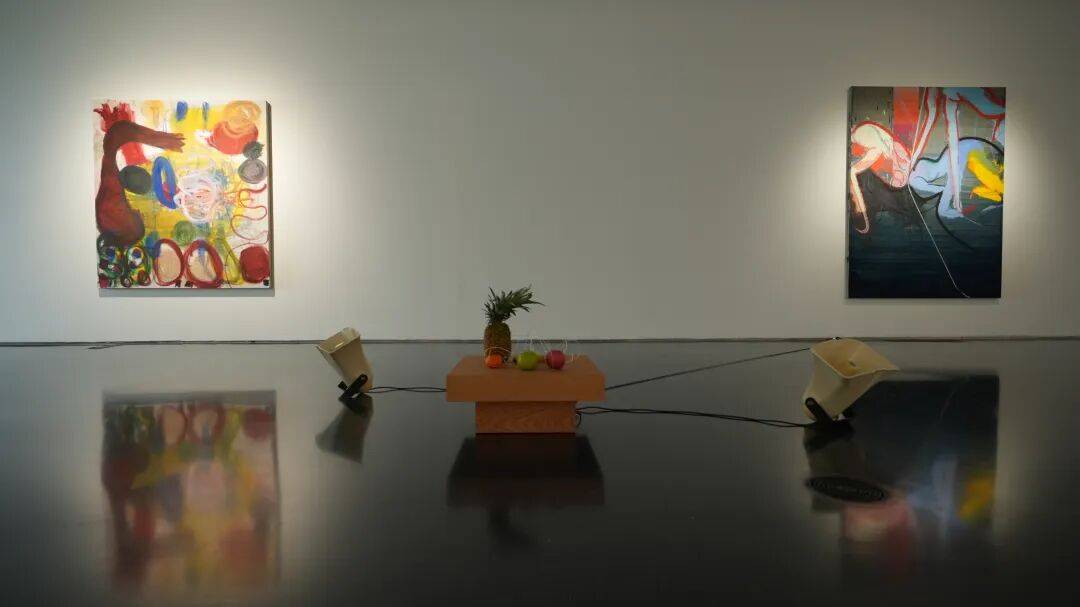
The work he brought to the Tank Shanghai is Yuko Mohri’s sound installation Decomposition. The artist designed a system in which electrodes are inserted into fresh fruit; as the fruit rots and its resistance changes, it produces sound. Coobe decisively acquired the work at a group exhibition organized by phd group in Hong Kong.
“I had been following Yuko Mohri’s work for some time. It is full of uncontrollable and nonhuman elements, continually guiding the surrounding environment and turning the work into a self-sufficient ‘ecosystem,’ with a great deal of chance and improvisation. The melodies of fresh and rotten fruit differ, making me aware of time’s intervention in the work. It is very interesting.” Yuko Mohri, Decomposition, 2022. First-edition “Friends of Art” exhibition of China’s new-generation collectors, Tank Shanghai, 2023. Q&A. Q: Do you have any preference for particular media when collecting?
A: I still prefer sculpture and installation. I began collecting with sculpture, installation, and photography. Q: What did you feel seeing the collections of other collectors, especially those from different generations? A: There are many young collectors here, especially people born in the 1990s. They began encountering contemporary-art collecting early, and their holdings are forward-looking and inclusive, covering every medium. They are not limited to Chinese artists, either. It makes me feel I need to work harder—ha-ha!
The exhibition is also great fun. Collectors from all over the country, with different life experiences, have their own distinctive preferences and understandings. You can see the character of collectors in China today and exchange ideas with everyone. It also stimulates new imaginings about contemporary collecting.
Second-edition “Friends of Art” exhibition of China’s new-generation collectors, Tank Shanghai, 2023. Photograph: JJYPHOTO. Q: What new changes have you noticed in the collecting market in recent years? A: I do not pay much attention to market changes. I follow my own rhythm and buy works I like. There should be no pressure; collecting should make people happy. In the face of contemporary art, it is best to set aside some established ways of thinking and assumptions.
Only then can you understand contemporary art more generously. Q: What is the most important advice you would give a new collector? A: Buy works you like. Do not follow auction trends or market preferences. That is how you establish your own collecting style. The 1990s-born collector Che Xuanqiao is the founder of Red Star Macalline Art Center and a vice president of the traditional-furniture company Red Star Macalline. The center occupies a two-story space in Beijing’s 798 Art District. It opened in 2022, covers 900 square meters, and is a new landmark in the district.
She began encountering, learning about, and developing a liking for contemporary art in 2014, when she helped plan a major exhibition at Beijing’s UCCA. She began collecting and making art.
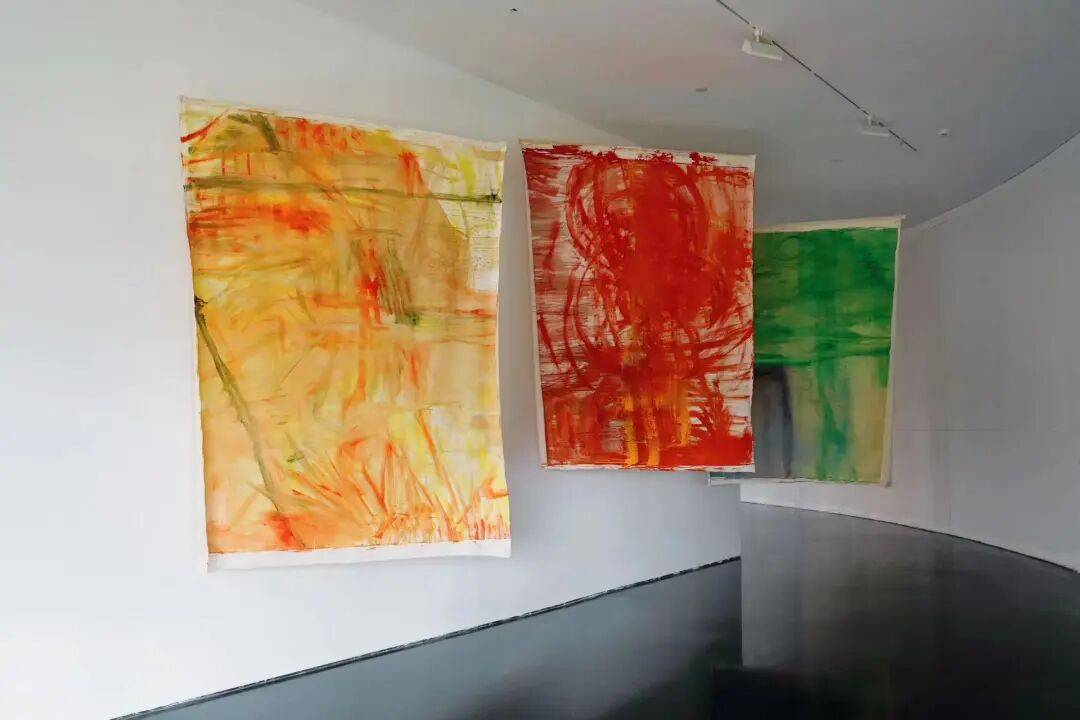
“Art itself is very compelling to me. Its conceptual nature, and the alternative sensory world constructed through art, are both attractive. They give me many subtle feelings,” she told us. The work she contributed is a group of paintings and an installation by Vivian Suter. The artist’s practice of working with materials from the natural environment particularly moved her.
Second-edition “Friends of Art” exhibition of China’s new-generation collectors, Tank Shanghai, 2023. Photograph: JJYPHOTO. Vivian Suter, Untitled. First-edition “Friends of Art” exhibition of China’s new-generation collectors, Tank Shanghai, 2023. Photograph: JJYPHOTO. Q&A. Q: What did you feel seeing the collections of other collectors, especially those from different generations? A: I believe each collection represents its owner’s taste and interests, and I do not judge lightly.
But one point must be made: only different kinds of collectors and holdings can create a rich ecosystem. Only when works by different artists, in different media, are widely collected can the system’s inclusiveness and vitality truly be expressed. The exhibition is an excellent opportunity for exchange and learning. There have rarely been exhibitions of this scale, bringing together so many collectors and their holdings at once. I think this format gives this generation of collectors a precious opportunity to present themselves collectively.
Exterior of Red Star Macalline Art Center, 2022. Yuli Orot, “Cloud of Multispecies,” exhibition view, Red Star Macalline Art Center, 2022. Q: As the initiator of Red Star Macalline Art Center, how does your identity affect your collecting? A: Although my personal collection and the art center’s collection are separate, operating the center with the team has improved my ability to study and judge art. In my personal collecting, I now give greater priority to and support good Chinese artists.
In its positioning, Red Star Macalline Art Center is an institution like a laboratory. We hope to attract people with a basic understanding of art, encourage deeper and more effective discussion, and become an avant-garde spiritual stronghold that influences more young people’s understanding of art. Q: What do you value most in an artwork? A: Whether it has an emotional resonance and connection with me personally, and whether it responds to my other holdings. At the level of subject matter, I am also interested in works involving women and ecology.
I do not believe the ultimate purpose of collecting is to write future art history. More important is to give back to the present artistic ecosystem and support the work and lives of the artists one admires. Great art can emerge only within a healthy ecosystem. The 1990s-born collector Guo Hetian is a co-founder of Renwu Gallery. He also runs the independent magazine te magazine and works as a curator. He began collecting contemporary art in 2018 and has now been collecting for five years.
“When I was a freshman in 18, some friends around me began collecting. When I first went with them to an art fair, I thought it was an exhibition. Later I learned it was commercial, and that was how I began collecting.” The work he brought is a collage by Wolfgang Tillmans. “I studied a lot of photography as an undergraduate, and felt that Tillmans was an exceptionally innovative artist within the medium.”
Guo Hetian said. Wolfgang Tillmans, Double Exposure, 2011. Second-edition “Friends of Art” exhibition of China’s new-generation collectors, Tank Shanghai, 2023. Photograph: JJYPHOTO. Q&A. Q: You travel regularly between London and Beijing. What changes have you observed in the collecting market in recent years? A: Last year, it felt as though market-oriented art had begun to dominate, but that is also a natural change.
It is connected with the global situation and economic conditions. But good works are produced at every moment; you simply need to study more. Q: What did you feel seeing other collectors’ holdings, especially those of collectors from different generations? A: A hundred flowers blooming, a hundred schools of thought contending. I am happy to have an opportunity to communicate with collectors of my generation through our holdings. Q: What do you value most in an artwork? A: Its innovation, and whether it can stand within art history.
Also, whether it can produce an emotional resonance with me. Q: What is the most important advice you would give a new collector? A: Collecting is a process of understanding yourself and constructing a system of values. Artworks and the human body and consciousness complement one another. I hope everyone can enjoy the process. The 1990s-born collector Jiang Tianze holds a master’s degree from the Royal College of Art and is pursuing a doctorate at Fudan University—a genuine high achiever. Though very young, he takes collecting seriously. He hopes to combine collecting with academic research, focusing on contemporary young artists of his generation and trying to trace, through their work, the developmental course and historical logic of new contemporary art.
The work Jiang Tianze brought is by the postwar artist Enzo Cucchi. Its subject is a woman exhaling a plume of white smoke, the afterimage lingering in the air.
“I felt that the image corresponded closely to my own state in 2020, so I acquired it,” Jiang Tianze told us. Enzo Cucchi, Untitled, 2019. Second-edition “Friends of Art” exhibition of China’s new-generation collectors, Tank Shanghai, 2023. Photograph: JJYPHOTO. Q&A. Q: When did you begin collecting? A: I had always encountered contemporary art because I studied art as an undergraduate.
I began collecting formally around 19 and 20. Q: What did you feel seeing your collection alongside those of other collectors? A: I thought it was very good. Everyone could finally gather again. Different age groups, because of differences in background and perspective, make different choices when looking at art. The works on view were generally of high quality. Q: As a co-founder of an art space, how does that identity affect your collecting?
A: It certainly has an effect. We look at artists’ practices from different angles, consider the market, and pay closer attention to artists’ careers. Q: What is the most important advice you would give a new collector? A: The best work is one that moves you. The young collector Justin Chan, from Shunde, Guangdong, is the principal of the home-furnishings brand Juzhi and the founder of CHI Art Center.
His family has always worked in the home-furnishings industry; he is the third generation. His collecting is therefore inseparable from design and furniture, and he often collaborates across disciplines with artists. He has collected contemporary art for five years, from 18 to the present, and increasingly feels the resonance between artworks, himself, and contemporary society. The work he brought is the functional coffee-table artwork Life·Growth—Yiwumei Museum 001, created by Juzhi in collaboration with the artist Chen Yujun.
“The artist Chen Yujun believes art exists in daily life, reflecting people’s current states and psychological feelings. He extracted a model of an architectural structure from his 21 exhibition at the West Bund Museum of Long Museum and presented it as a coffee table, hoping to magnify the emotions and relationships in daily life that matter to people.” Chen Yujun, Life·Growth—Yiwumei Museum 001, 2021. First-edition “Friends of Art” exhibition of China’s new-generation collectors, Tank Shanghai, 2023. Chen Yujun’s solo exhibition “Growth,” Long Museum West Bund, Shanghai, 2021. Images courtesy of Long Museum. Q&A. Q: What was your first thought when you received the invitation to this collectors’ exhibition?
A: I was certainly surprised, and then I felt honored. For collectors and viewers alike, I think it gives us an excellent subject for discussion. People can see the direction art has taken over the past three years. Collectors are distributed across the country, and it is good for everyone to communicate face to face in the exhibition space. Q: Have your collecting preferences changed over the past three years? A: They have become more diverse in terms of medium. At first I collected only easel oil paintings, but recently I have begun accepting sculpture, video, and new media.
This has followed the growth of my experience; my degree of acceptance has also increased. Q: What new changes have you noticed in the collecting market in recent years? A: Many museums and art institutions, large and small, have opened in recent years. The deepest change I feel when I visit exhibitions is that the audience used to be fairly uniform—mostly people in their forties and fifties. Now many people bring their children. I think that is excellent. Aesthetic judgment and intuition about art should be cultivated from childhood.
Q: What is the most important advice you would give a new collector? A: See more exhibitions first and learn what you actually like. Do not begin by thinking of art as an investment vehicle. Ask experienced people in the field many questions. Through conversation, you will clarify what you like and what direction of collecting suits you. The 1980s-born collector Wen Yu is the founder of LalLal Museum in Australia and the head of the world’s largest wool-processing company.
He has drawn since elementary school and once studied and made art at the China Academy of Art. After moving to Australia to inherit the family wool business, he continued visiting exhibitions and museums. In 2013, he began collecting contemporary art and has since acquired works by more than 100 Chinese and international modern and contemporary artists. Beginning in 2017, he started artist-residency programs at the natural LalLal Ranch, far from the modern city, surrounded by green fields and blue skies. He invites young artists to experience a harmonious relationship between people and nature, inspiring new ideas and works.
Artists including Chen Ke, Zhang Hui, Ju Ting, Liu Haichen, Xu Hongxiang, and Xu Maomao have undertaken residencies there. Wei Jia, Untitled, 2021. The work he brought is a large-scale oil painting by Wei Jia, acquired in 21.
“Wei Jia and I are actually good friends. He graduated from CAFA, and I have always liked his work, especially his recent work, which is very international.” He has also known Qiao Zhibing, director of the Tank Shanghai, for many years. Regarding the invitation, he considers it an especially good project.
“Young collectors need more exchange and interaction. The ultimate purpose is for us to support artists together and help them go farther and do better.” Q&A. Q: What did you feel seeing other collectors’ holdings, especially those of collectors from different generations? A: My feeling is very diverse. The younger generation has traveled to see the world, has a more international perspective, and communicates with many international artists. So I think we can see a contemporary-art current and future trend—and a future.
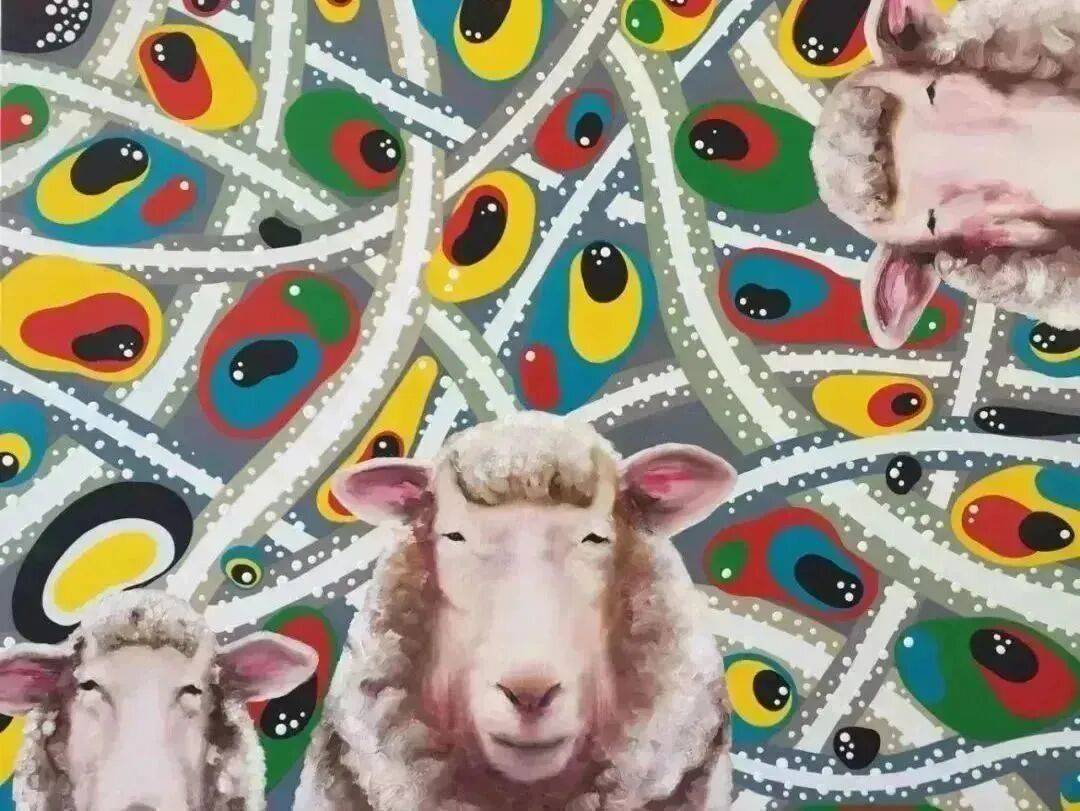
This exhibition will encourage more young people to enter collecting. Wen Yu’s Lal Lal Ranch covers approximately 2,200 hectares, with 3 natural lakes and 1 bird sanctuary with a history of 100 years. More than 17,000 superfine Merino sheep live on the ranch year-round. Works by artists who have undertaken residencies at Lal Lal Ranch. Q: As the founder of LalLal Museum in Australia, how does your identity affect your collecting?
A: Art is something that makes me very happy. Because of this identity, I speak with many artists and visit their studios; then we become friends, and art becomes part of my life. For me, collecting preserves a beautiful, true memory that can be passed down, allowing the next generation to understand and like art. It can also help more viewers abroad understand Chinese contemporary art. Q: What is the most important advice you would give a new collector?
A: Visit museums, galleries, and major art fairs regularly—go to Basel and places like that. After you have seen them, do not necessarily begin collecting immediately. Do more homework. I suggest waiting three years before you start buying. Collecting is not something you can master quickly; it requires a discerning eye. You need to investigate whether an artist will go far and whether people in the market respond to the work. Another good piece of advice is to visit artists’ studios whenever possible, to see their daily working methods and ideas.
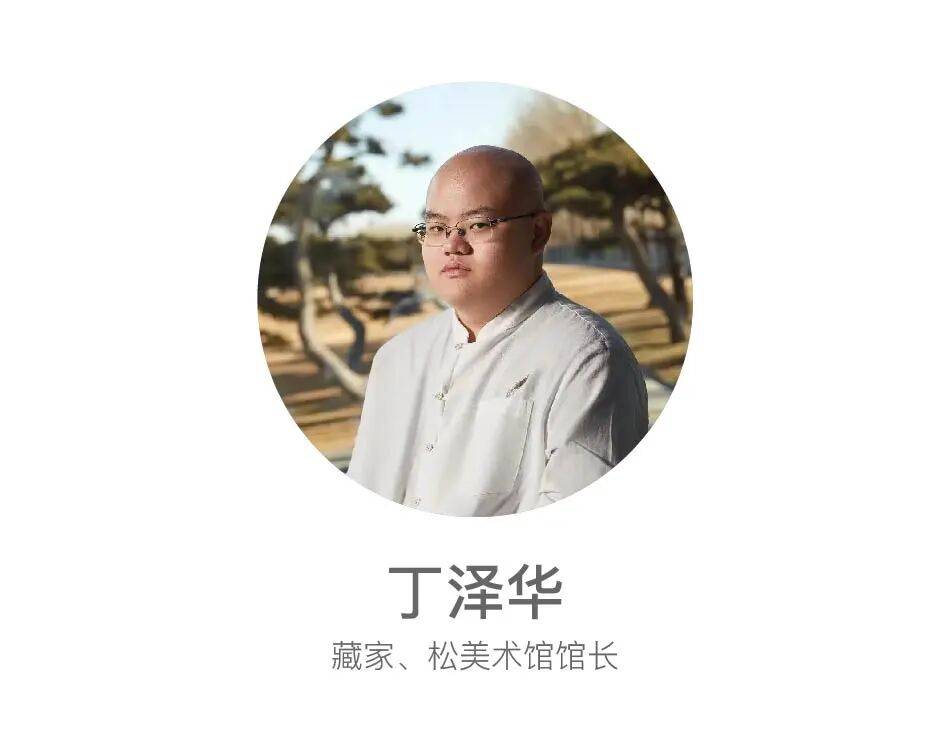
The collector Ding Zehua, born in 1998, first became widely known last year, when he took over the renowned Song Art Museum and became China’s first post-1995-born museum director. He was then only 24. Despite his youth, Ding began encountering collecting at 15 and has now been doing it for 10 years. At first he learned from older relatives who collected art and from teachers, studying the art industry through the secondary market. His collecting path is clear: he follows Chinese contemporary painting from the 1990s onward, selecting representative works from each period.
Xia Yu, Sense of Space, 2022. The work he brought is Xia Yu’s Sense of Space. Earlier this year, Xia Yu completed a two-person exhibition at Song Art Museum.
“Xia Yu made this work during the pandemic. It is an interaction between the real and virtual spaces in which we found ourselves: a person wearing a VR headset extends both hands as if sensing another spatial dimension. Perhaps because that period was unusual, the work also marks a change from Xia Yu’s earlier style. I am young myself, so I felt a certain kinship with it; through the work I also saw an interesting moment.”
Ding Zehua told us. Q&A. Q: As director of Song Art Museum, how does that identity affect your collecting? A: I entered the art industry through the secondary market. At first I had no especially deep contact with galleries or artists. After running a museum, I became more involved in the contemporary-art ecosystem, conducting research and communication in the primary market with artists and galleries.
Running the museum has given me a fuller understanding of the art industry and artists. In terms of collecting, it has also enriched my path and broadened my range to some degree. Q: What did you feel seeing other collectors’ holdings, especially those of collectors from different generations? A: I can feel that more young collectors are paying attention to Chinese contemporary art. Many senior collectors we previously knew had gradually shifted from collecting ancient Chinese art. Now, as the field develops, artists born in the 1980s and 1990s are forming distinct identities and ecosystems of their own. More collectors born in the 1990s and 2000s are entering the market to support young artists. That is a positive development for the contemporary-art ecosystem as a whole.
Exterior of Song Art Museum, image courtesy of Song Art Museum. Song Art Museum’s opening exhibition, “Rhythm and Counterpoint,” installation view, 2022. Image courtesy of Song Art Museum. Q: Have your collecting preferences changed over the past three years? A: They have changed somewhat. The past three years are also the three years since I began running the museum. Our first exhibition was the museum’s own collection exhibition, “Rhythm and Counterpoint.” In organizing it, I reviewed the path of my personal collection and summarized its overall character.
Later, we presented “A Fractured Generation.” Through that exhibition, I became more attentive to young artists born in the 1980s and 1990s. Before that, my collection focused more on artists born before 1970, such as Shang Yang and Liu Wei, and their classic paintings. But after operating the museum, we saw young artists beginning to emerge in this era and assuming increasingly important roles in the development of Chinese contemporary art. My collecting has therefore expanded in that direction.
Another change concerns form. I used to focus more on painting; now I have also collected installation, sculpture, and video, and will gradually diversify further. Song Art Museum’s opening exhibition “A Fractured Generation,” installation view; Zhang Ji’s solo-exhibition room, 2022. Images courtesy of Song Art Museum. Zhang Ji, Fairy Dress, Flower Haze, Past Events, Returning Willow, Dismantling Water, Gathering the Heart’s Obsession, 2023. Q: Can you tell us about a new work you acquired recently?
A: I recently acquired a work by Zhang Ji that was shown at 021 and was also used as the official poster for 021. Q: What new changes have you noticed in the collecting market in recent years? A: In recent years, everyone seems to have become more cautious. Previously, people collected more from an investment perspective or out of simple personal preference. Now young collectors tend to do their homework first, spend more time with artists, learn about their backgrounds and careers, pay greater attention to their development, and become good friends with them.
I think that is a positive development. Collectors are becoming more professional and younger, and everyone is continually learning. Q: What is the most important advice you would give a new collector? A: Most people begin collecting out of interest, but turning that interest into an identity or profession requires a long experience. Art should not be a means of making money. As a collector, being able to hold on to works matters. Collecting is also a responsibility toward and a form of respect for artists, and sustained attention requires more research and learning.
Jiao Jingjia is a collector born in the 1970s, from the north and based in Wuhan. His main work is design and engineering. The day the exhibition opened happened to be the eleventh anniversary of his beginning to collect contemporary art. He transformed his more-than-1,300-square-meter office into an “art vegetable garden,” where several hundred artworks are packed closely together, allowing works by different artists to exchange energy and styles within a limited space.
“Why call it a vegetable garden? I’m from the Northeast. As a child, my happiest days were spent in our family vegetable garden, where there was food, drink, and play. This art space is like that childhood garden. Unlike a museum, it does not present works according to standards or a theme; it simply makes it convenient for me to communicate with the artworks as I please,” Jiao Jingjia said. Li Binyuan, Room, 2019. The work he is showing at the Tank is a video by Li Binyuan, depicting a person in a room that has been set on fire.
“I have always liked Li Binyuan’s work. I also collect a lot of video; I spent 10 million specifically collecting this medium.” Q&A. Q: What has changed most for you during eleven years of collecting contemporary art? A: Since my forty-second birthday, I feel that collecting has greatly heightened my perception of work and life. I can converse with innumerable wise and powerful lives. By sorting through artists and artworks, I have gained a renewed understanding of life and recovered my vitality.
I now feel that even at 80 I will be a very lovable little old man. Q: Have your collecting preferences changed over the past three years? A: Certainly. Collecting is a process of improving one’s understanding and perception. First, my insight into art has become sharper and broader. Second, I am now especially attentive to young artists. This is a judgment about and perception of the future direction of art. I try to connect with them and learn what they are thinking, and what new concepts and information they may bring.
Jiao Jingjia’s “vegetable garden.” Q: What did you feel seeing other collectors’ holdings, especially those of collectors from different generations? A: After seeing the first “Friends of Art,” I felt very good. I studied the young collectors’ holdings in particular. One work that made a deep impression was Duan Jianyu’s interactive sculptural installation, in which visitors could randomly take away the eggs placed on it. It was especially interesting. Seeing such a work collected made me feel that my peers were growing in number, which made me very happy.
Q: What new changes have you noticed in the collecting market in recent years? A: I vaguely feel that the collector community is growing, and that some institutions have also entered the field. There are structural reasons and involuntary reasons. Structurally, the number of people who love art is increasing. Involuntarily, as the economy declines, the possibility of profit in mainstream economic sectors falls, so more people notice art’s financial attributes, and more institutions and capital enter the field.
Chen Pu and Koo Jun-yup, Girl with a Pearl Earring, 2023. Q: Can you tell us about a new work you acquired recently? A: I bought this at an art fair in Taiwan. It is a 3D artwork, Girl with a Pearl Earring, made collaboratively by Koo Jun-yup and the artist Chen Pu. The price was fair. There are 10 editions in all; mine is number 7.
Q: What is the most important advice you would give a new collector? A: My advice is: “Buy!” You have to buy your way toward enlightenment, your voice, your judgment. Of course, looking and learning are never wrong, but no amount of study improves you as quickly as the moment of purchase. If you do not buy, you can never become an excellent collector. The collector Li Wendong, from Xi’an, Shaanxi, began collecting contemporary art in 2012 and has now been doing so for more than 10 years. His main focus is artists born in the 1970s and 1980s.
“I have always been interested in contemporary art and had often followed and learned about related information. In 12, because I frequently traveled to Beijing and encountered contemporary art more often, I formally entered the field.” The work he brought is Wang Guangle’s one of the Terrazzo series, an important period in the artist’s practice. Wang Guangle, Terrazzo, 2009. “Terrazzo transforms the creative process into an experience of time, giving a seemingly meaningless surface processual meaning.
Wang Guangle is one of the important artists born in the 1970s, and one of my personal favorites. I acquired this work privately from a collector I met through a good friend.” He also shares many friends with the exhibition’s initiator, Director Qiao. “I had long heard of Director Qiao as a collector of Chinese contemporary art and an important supporter of its development. My first thought when I received the invitation was that bringing together collectors from across the country to display their holdings was an excellent idea for advancing contemporary art in China.”
Q&A. Q: You live in Xi’an. How would you describe the city’s contemporary-art atmosphere? Does the place where you live affect your collecting? A: Xi’an is an inland city with a deep cultural heritage. Compared with when I began collecting contemporary art, many more people in Xi’an now encounter it. I am positive and optimistic about the development of contemporary art in Xi’an. In this information age, information is developed and convenient. Wherever one lives, geography no longer affects access to information.
Second-edition “Friends of Art” exhibition of China’s new-generation collectors, Tank Shanghai, 2023. Photograph: JJYPHOTO. Q: What did you feel seeing other collectors’ holdings, especially those of collectors from different generations? A: At this collectors’ exhibition I saw many collectors, including young collectors, whose perspectives are broader and whose holdings are richer. Collectors seem freer and more expansive in their choices, and more works by foreign artists are entering the country, further broadening our view.
Q: What is the most important advice you would give a new collector? A: Begin by learning as much as possible about contemporary art. Once you have a general understanding, choose what to acquire according to your own judgment. Olivia is a collector born in the 1990s. Her family has a tradition of collecting antiques, calligraphy, and painting that goes back more than thirty years. Influenced by her family environment, she grew up surrounded by many kinds of art and began formally collecting contemporary art in 2020.
Unlike young collectors who begin by testing the primary market, she has been more closely engaged with the secondary market, focusing mainly on artists born in the 1960s and 1970s. She is also a popular art blogger on Xiaohongshu, where her sharp language and willingness to expose what “others dare not say” about the art market have generated discussion and attention.
“Through blogging, I have also met many new friends in the art world. Some are not very famous artists or galleries; through my promotion, more people can get to know them. I hope what I do will help people understand the real art world better and promote the development of art criticism,” Olivia told us. Jia Aili’s Noon at the Tank solo exhibition “Wasteland,” 2021. Images courtesy of the artist’s studio and the Tank Shanghai. Photograph: JJYPHOTO. Jia Aili, Draft of Wasteland, 2021. Photograph: JJYPHOTO. The work she brought to “Friends of Art” is a painting by Jia Aili, which she bought at Christie’s in 2022.
The work had previously belonged to the Pinault Collection.
“I began collecting Jia Aili’s work very early, and through collecting I became friends with the artist. I like his style: it is both youthful and masculine. He himself is also a charismatic artist—witty, humorous, and firm in his ideas and commitments about art. I am very optimistic about the future of his practice.” Q&A. Q: What did you feel seeing other collectors’ holdings, especially those of collectors from different generations?
A: I do not feel much about age groups. The works by artists born in the 1960s and 1970s that I collect are not generally what collectors my age would buy. Each collector is an individual, and age cannot really summarize their taste or style. I also learn from different collectors about areas in which they are knowledgeable but I am relatively unfamiliar. Olivia’s “Olivia Art Talk” column on Xiaohongshu. Q: What new changes have you noticed in the collecting market in recent years?
A: I think 2020 was a particularly active period for contemporary art. Now, under the influence of the broader economic environment, the market’s decline is quite visible. This year, art fairs and auctions have generally not sold well, both domestically and internationally. The West may be doing slightly better, but in China money comes quickly and leaves quickly. That is a major problem. Q: What is the most important advice you would give a new collector? A: Study and look more, listen and look more, and buy less.
Because the broader environment is contracting, do not buy what is uncertain or what you do not understand. There is no need; the market is too complicated. The most important foundation for entering the art market is that you truly like art. There are many unscrupulous people in the art world who exploit others’ desire to make quick money. If someone tells you that you can put a work away for one or two years and immediately earn twenty times your money, that is nonsense—block the person at once. The 1990s-born collector Xie Yixin studied art history as an undergraduate and later worked in contemporary art after earning her master’s degree. She then turned to investment in cultural consumption, exploring through entrepreneurship the possibilities of combining culture and art with business.
During more than seven years of collecting contemporary art, she has consistently supported the field, focusing especially on artists born in the 1980s and 1990s. She began building collections and connections with them early in their careers, growing alongside them as they developed distinctive styles. At home, Xie Yixin carefully selected more than twenty works for display, turning her home into a small gallery with a personal character. At each important point in her life—marriage, starting a business, and so on—
she acquires a work as a memento. Recently she acquired a small painting by the 92-year-old Italian woman artist Isabella Ducrot—“There is a romantic Western imagination of Eastern aesthetics in her work, revealing an unadorned elegance.” Another recent acquisition is by the Korean woman artist Joeun Kim Aatchim, whose work is currently on loan to the Aranya Art Center.
“When you connect collecting with life, looking back is like leafing through an album of your life. The works are records of emotion,” Xie Yixin said. Joeun Kim Aatchim, Fortunate to Forget—My Ankles Like the Neck of a Red-Wine Glass and the Pain of an Accessory Navicular Bone, 2023. The work she brought to the exhibition is Wang Xuebing’s Butterfly Cloak, Right. The artist is roughly the same age as Xie Yixin, but her achievements are already striking.
In 2020, she received the Emerging Artist Award from the John Moores Painting Prize. Her work has a strong “art-historical quality.”
“In the work, I can see Xuebing trying to explore and construct painting, imagery, and visual language. She is deeply interested in the way Cézanne’s landscapes use light, shadow, and shape to form things. This return to painting’s essence—a kind of ‘return to simplicity’ in both work and thought—moves me deeply. It feels newly alive despite the passage of time.” Wang Xuebing, Butterfly Cloak, Right, 2023. Q&A. Q: What did you feel seeing other collectors’ holdings, especially those of collectors from different generations?
A: What encouraged me most was the overall character and atmosphere produced by everyone’s collections gathered together. It makes one look forward to and hope for the future of collecting Chinese art, and feel more directly the monument-like significance of Teacher Qiao’s call to assemble. I am honored to participate. I am also moved that Qiao, as an older collector, has such an open attitude toward the younger generation, opening an equal channel for dialogue and exchange and providing such a strong platform at the Tank Shanghai.
This also reflects Qiao’s broad vision as an art patron and his sincere support for the art industry. Q: What new changes have you noticed in the collecting market in recent years? A: Trend-driven fluctuations have become more frequent and their cycles shorter, which places particular demands on collectors’ steadiness and judgment.
Second-edition “Friends of Art” exhibition of China’s new-generation collectors, Tank Shanghai, 2023. Photograph: JJYPHOTO. Q: Have your collecting preferences changed over the past three years? A: I have always felt that collecting is relatively personal. The sociologist Jean Baudrillard once expressed the idea that collectors ultimately collect themselves. The works we choose to collect in the present are equivalent to a cross-section of our feelings at that moment.
So if we speak of changes over the past three years, they probably reflect changes in my personal emotional journey and direction of thought. Q: What is the most important advice you would give a new collector? A: Start from the heart and follow your instincts. The collector Yao Qian was a leading lyricist and producer during the golden age of Mandarin pop. He has worked closely with CoCo Lee, Faye Wong, Harlem Yu, Sandy Lam, and René Liu. After spending most of his life busy in popular music, he now jokes that he is “a has-been musician.” Semi-retired, Yao has devoted all his energy to a hobby he has pursued for 30 years: collecting art.
“A long time ago, I thought artworks were public things that could only stay in museums. Later, once I had the financial means, I realized that ‘making them my own’ was possible, and I began collecting,” Yao Qian told us. Yao Qian’s home in Taipei. His houses in Beijing and Taipei are filled with paintings he has collected over the years: Pan Yuliang, Sanyu, Antony Gormley, Giorgio Morandi, Liu Ye, Liu Xiaodong, Xu Beihong, and others.
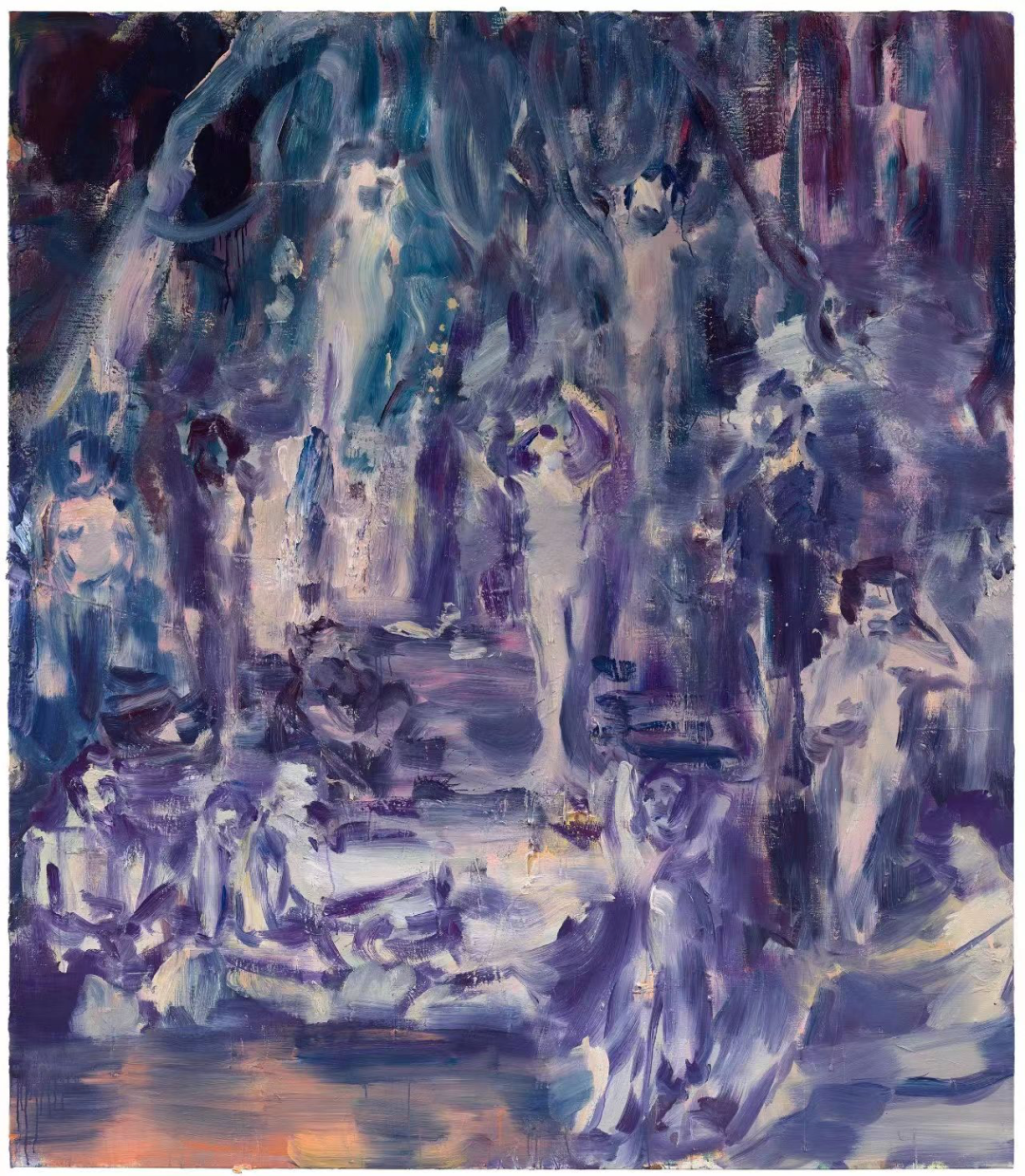
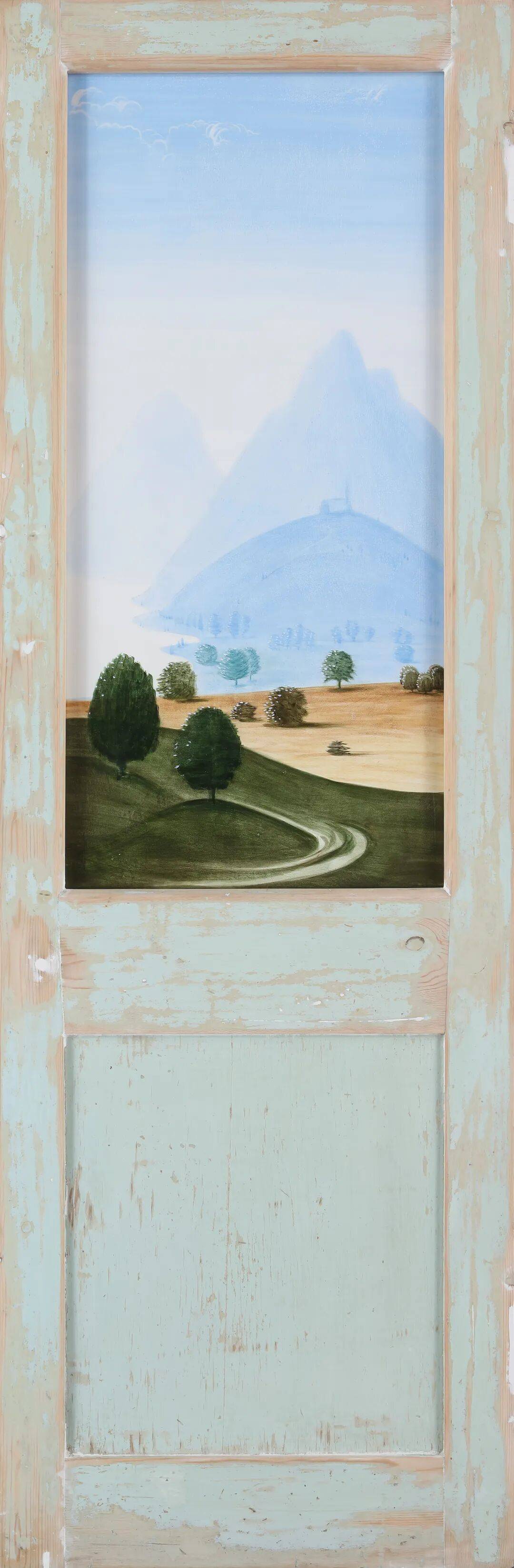
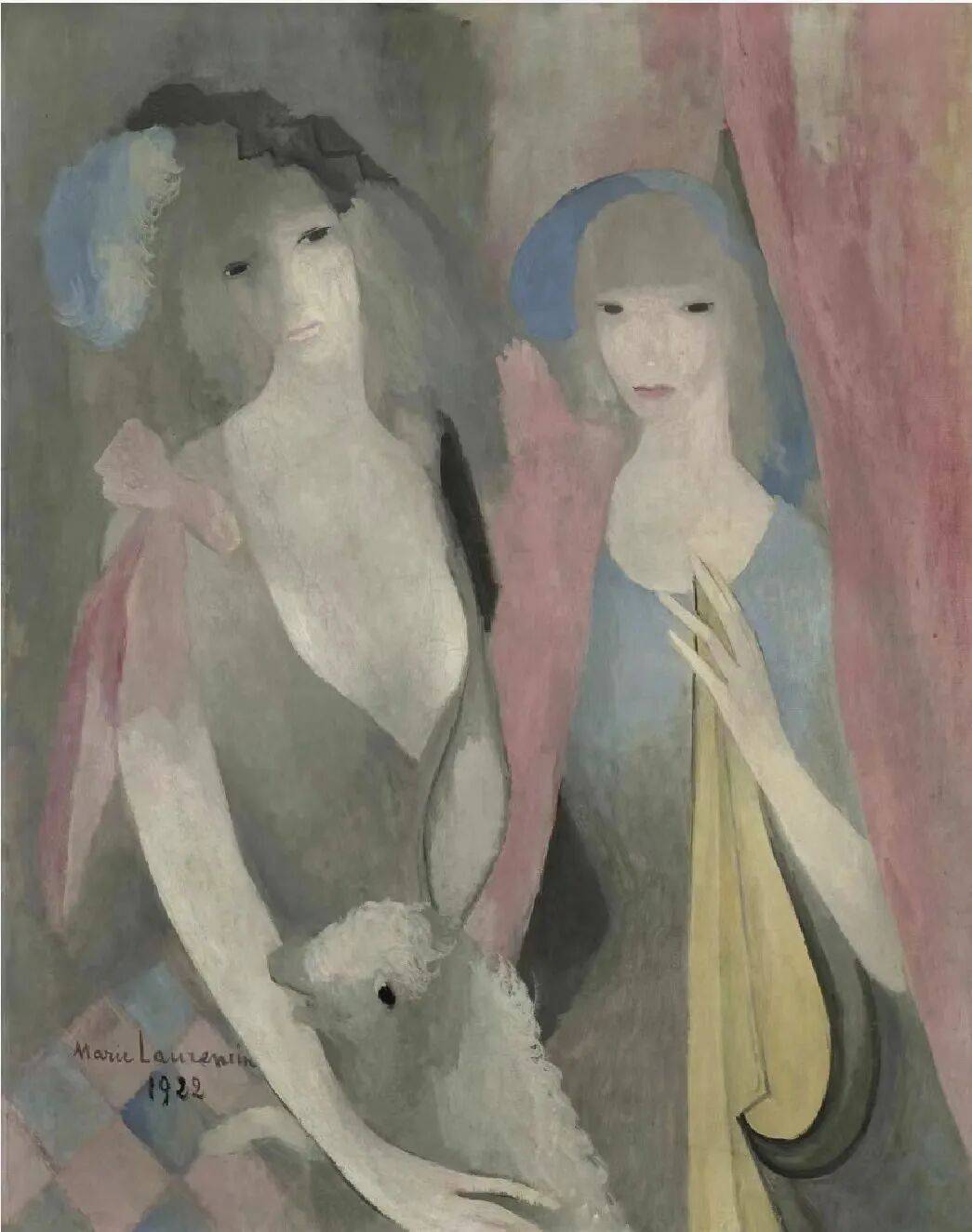
All are prominent figures in art history. Recently, he was invited by the Barnes Foundation, which owns the world’s largest collection of Impressionist works, to lend a painting by Marie Laurencin for a major retrospective of this Impressionist woman artist, rediscovered in recent years. Dong Dawei, Landscape Portrait—Ghirlandaio 03, 2022. The work he brought to the exhibition is a painting by the young artist Dong Dawei, made on a door panel.
“Dong Dawei is an artist I have followed for a long time. His paintings remind me of early Dutch and Belgian painters, landscapes from the Norman period, like those of the Brueghel family. The door frame, meanwhile, is an old Chinese wooden door—a synthesis of East and West.” Q&A. Q: How long have you known Director Qiao, who is also a collector, and how did you meet? A: A long time—probably sometime in the early 2000s, when friends introduced us at Art Basel.
I remember my first impression of him: such a major collector, with an especially broad collecting vision, yet personally shy and reserved. He was always very modest when we spoke. Later we became friends, and I invited him to appear in my documentary. Q: What did you feel seeing other collectors’ holdings, especially those of collectors from different generations? A: I am participating in the second edition, and this exhibition of collections is truly excellent.
It presents the many different interests of Chinese collectors, rather than a herd rushing in or being shaped by a particular trend. The more varied the collections, the more they show that collectors have independent understandings of the world and of art. Q: You recently visited the major Marie Laurencin retrospective at the Barnes Foundation in the United States, where one of your works was on loan. How did you feel seeing a work you own displayed in such an important exhibition?
Did the experience offer help or inspiration for your future collecting? A: The exhibition shook me deeply. First, I never imagined that I could have a connection with such a major Impressionist institution. Laurencin, as a woman artist, was suppressed by the male-dominated society of her time and neglected within the Impressionist genealogy. Her rediscovery by the curator, and her serious attitude, made me realize that academic research can genuinely remain independent of the commercial influence of the secondary market.
Marie Laurencin, Les bergères. Yao Qian’s work at the Barnes Foundation’s Marie Laurencin exhibition, 2023. Second, the exhibition gave me a great deal of inspiration. The curator is a Chinese American, and I learned much from his curatorial methods. I also came to understand how an academic researcher should look at the artist they study.
The central point of the exhibition was female homo-sociality. One thing that particularly affected me was seeing works that had appeared at auction but that I had not bought for various reasons, including their price. The curator comforted me by saying, “Yours is better and more important. Price does not mean anything. There are only a few paintings about female friendship that have survived.” Q: Have your collecting preferences changed over the past three years, and what do you think about collecting now?
A: My tastes are always changing. Recently I have been thinking about the relationship between people and collecting. A painting seems always to have its own fate; perhaps the painting came looking for me. I once thought that, now that I am in my 60s, I should stop collecting and begin thinking about where the paintings should go in the future. But if the desire to own one is truly strong, and I can afford it, then I will acquire it. Q: What new changes have you noticed in the collecting market in recent years?
A: There have certainly been changes. Auctions and fairs are increasingly driven by traffic and art celebrities. But that is not necessarily a problem; the market will always have its own trajectory and self-correction. Recently, one can observe that people are already showing fatigue with the uniformity emerging among young artists. I think the next wave of change may be coming. Q: What is the most important advice you would give a new collector? A: Go to museums. A museum is a good form of “reading.” Different museums have different emphases and orientations, and through this reading you can learn a great deal.
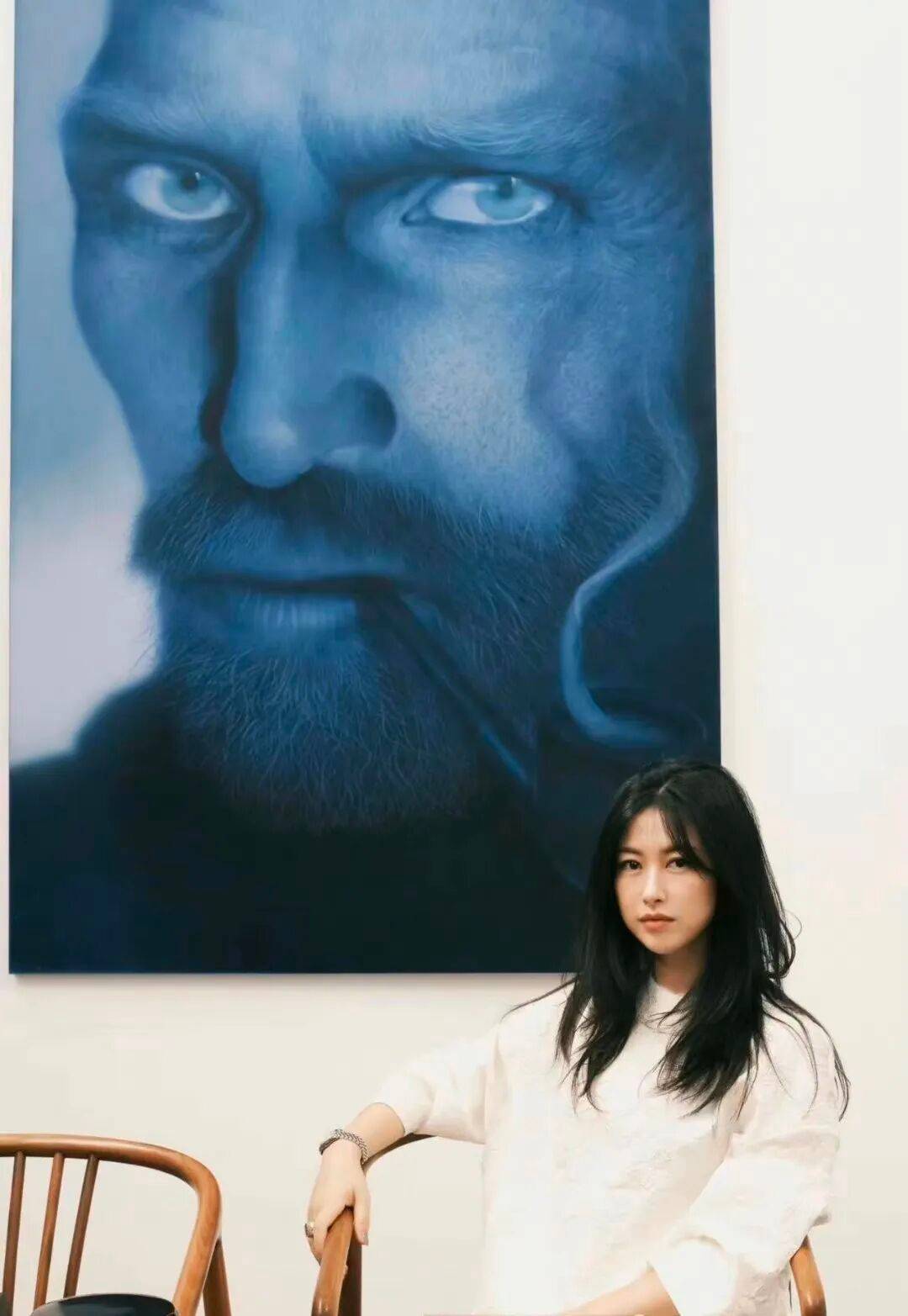
After seeing works in museums, try following artists whose work particularly speaks to you, and look selectively at their work at art fairs. But be careful at fairs not to be overly seduced by the operations of major galleries or by fashionable works. The collector Zhu Zhu is best known as an actor and singer. She is also a contemporary-art collector. More than ten years ago, when she had just begun earning some money, she saw a work at an exhibition at a friend’s gallery that resonated with her soul and immediately decided to acquire it.
From then on, she formally began collecting. Her home is always filled with art. Whenever she has time, she visits museums and art fairs to follow the latest developments in artworks, artists, and the art industry. Zhu Zhu’s home, every wall covered with paintings. “Talking with artists, placing works at home to look at and share, has become part of my way of life. It is also a process of reflecting my inner self. I want to convey that you should explore, learn about, and enjoy what you truly love.
For me, that may be art,” Zhu Zhu said. The work she brought to the Tank is Sleep, Dream, or Eternity by the artist Wang Jiajia.
“I was already following him when he made this work, and I had long decided that I had to have it. I reserved it when he completed it in the studio. Later he exhibited it during a solo show at Xiao Art Museum in Rizhao, and after the exhibition it became mine,” she told us with a smile.
“I was very happy and honored that Director Qiao invited me to participate in this collectors’ exhibition. I already love the Tank Shanghai as an interesting space. In addition, I personally think that the art projects Director Qiao has undertaken are highly avant-garde and carry considerable scholarly authority.” Wang Jiajia, Sleep, Dream, or Eternity, 2021. Second-edition “Friends of Art” exhibition of China’s new-generation collectors, Tank Shanghai, 2023. Photograph: JJYPHOTO. Q&A. Q: As an actor and public figure, how does your identity affect your collecting?
A: I think it helps to some extent. I may be able to obtain priority access or places to buy artworks I like. Q: Have your collecting preferences changed over the past three years? A: Yes. I am constantly imagining what kind of path my collection should follow. I was talking with friends these past few days and summarized it. My collection currently has a great deal to do with women, growth, and emotion. I simply find many women artists’ works inexplicably beautiful—Tracey Emin, Chen Ke, Hilary Pecis—or works by male artists depicting women.
But my ideas are changing all the time. That is how I am with everything, so I can only follow what I feel and want in the present moment. Zhu Zhu’s recently acquired painting by Alex Katz. Q: Can you tell us about a new work you acquired recently? A: I recently acquired a painting by Alex Katz of a dancing girl. It reminds me of the way my daughter and I look when we dance.
I bought it at Taylor Gallery, and it may also be shown at this year’s West Bund Art & Design fair. Q: What new changes have you noticed in the collecting market in recent years? A: More and more young collectors are entering the field—people born in the 1990s and 2000s with strong artistic opinions and taste. Compared with several years ago, the market then consisted more of wealthy people buying art as an investment. I studied this issue while I was in school and interviewed several gallerists about it, so I do know something about it.
Now more collectors are buying art out of interest and taste. This includes what people call Gen Z collectors, as well as many artists themselves—people who genuinely understand art, love it, possess cultural literacy, and know the field. Q: What is the most important advice you would give a new collector? A: Buy what you like, and then study it. If you truly like it, learn about it; learn about the artist and about art history.
The process is genuinely interesting. Only in this way will you increasingly learn to appreciate the beauty in art. Images courtesy of the Tank Shanghai, the artists, and the collectors.